Artwork
吾妻の森|View of Azuma Wood
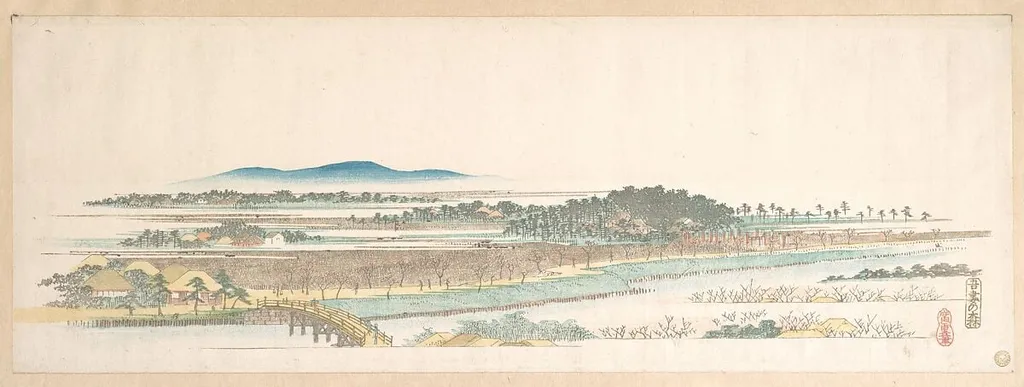
吾妻の森|View of Azuma Wood is an ink print by the Romanticist artist Utagawa Hiroshige. It dates from 1858 and is held in the collection of the Metropolitan Museum of Art.
About this work
Overview
Created around 1858, *View of Azuma Wood* is a surimono woodblock print by Utagawa Hiroshige, produced in ink and color on paper. Unlike the bustling urban scenes common in ukiyo-e, this work focuses on a quiet, natural landscape. Its refined execution and limited circulation reflect its status as a privately commissioned print, intended for connoisseurs rather than the general public.
Subject & Meaning
The juxtaposition of bare and leafy trees evokes seasonal transition, inviting contemplation of time’s quiet passage rather than depicting a single moment.
The scene presents a tranquil stretch of the Azuma forest, with trees lining a winding river and distant mountains fading into the horizon. Sparse architecture suggests human presence without intrusion, emphasizing harmony between nature and settlement. The juxtaposition of bare and leafy trees evokes seasonal transition, inviting contemplation of time’s quiet passage rather than depicting a single moment.
Technique & Style
Hiroshige employed delicate woodblock carving and subtle layering of translucent colors to achieve a muted palette of greens, blues, and browns. Fine, linear details define tree trunks and foliage, creating depth through variation in tone rather than bold contrast. The flat, horizontal composition and soft gradations reflect his signature approach to landscape, prioritizing atmosphere over dramatic effect.
History & Provenance
The print belongs to the surimono tradition, a niche genre of privately commissioned prints often produced for poetry circles or special occasions. While the exact patron is unknown, its craftsmanship suggests it was made for an educated elite. It entered the collection of The Metropolitan Museum of Art through documented acquisition, preserving its place in the history of Japanese printmaking.
Context
In the late Edo period, as urban life grew more complex, artists like Hiroshige turned to nature as a counterpoint to city喧嚣. Surimono prints, though less commercially driven than mass-produced ukiyo-e, allowed for artistic experimentation. This work aligns with a broader trend of landscape appreciation in print culture, reflecting shifting tastes among literati and patrons seeking quiet aesthetic reflection.
Legacy
Hiroshige’s *View of Azuma Wood* exemplifies the quiet sophistication of late Edo surimono. Its influence is seen in later Japanese and Western artists drawn to his atmospheric compositions and restrained colorism. Though not widely exhibited, its presence in major collections underscores its role as a refined example of nature-focused printmaking in a period increasingly defined by urban transformation.
Artist & collection
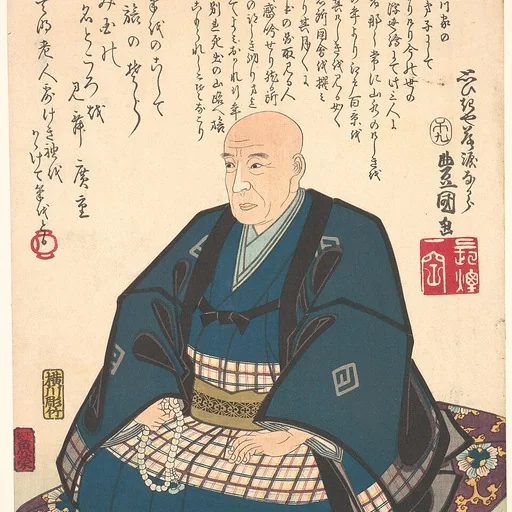
Artist
Utagawa Hiroshige (歌川 広重) or Andō Hiroshige (安藤 広重), born Andō Tokutarō (安藤 徳太郎; 1797 – 12 October 1858), was a Japanese ukiyo-e artist, considered the last great master of that tradition.

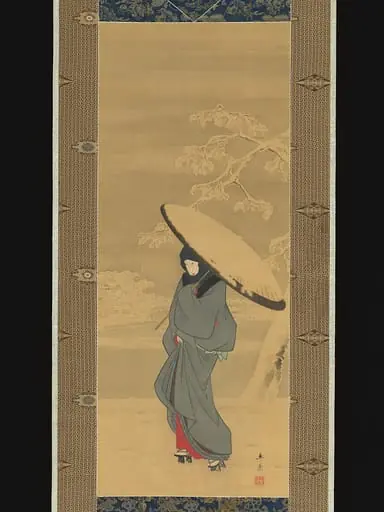
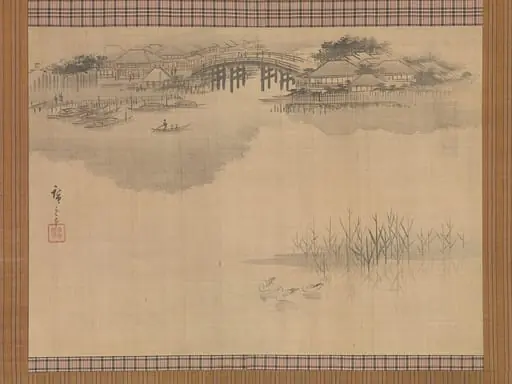
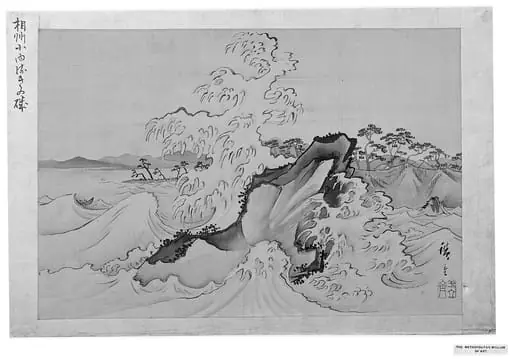
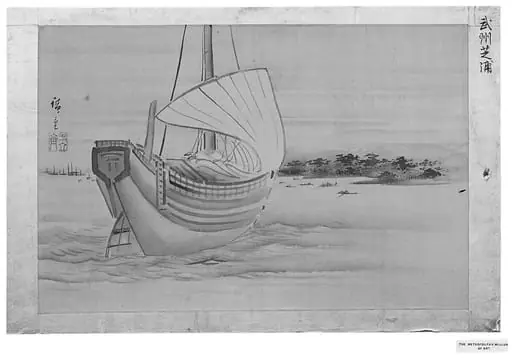
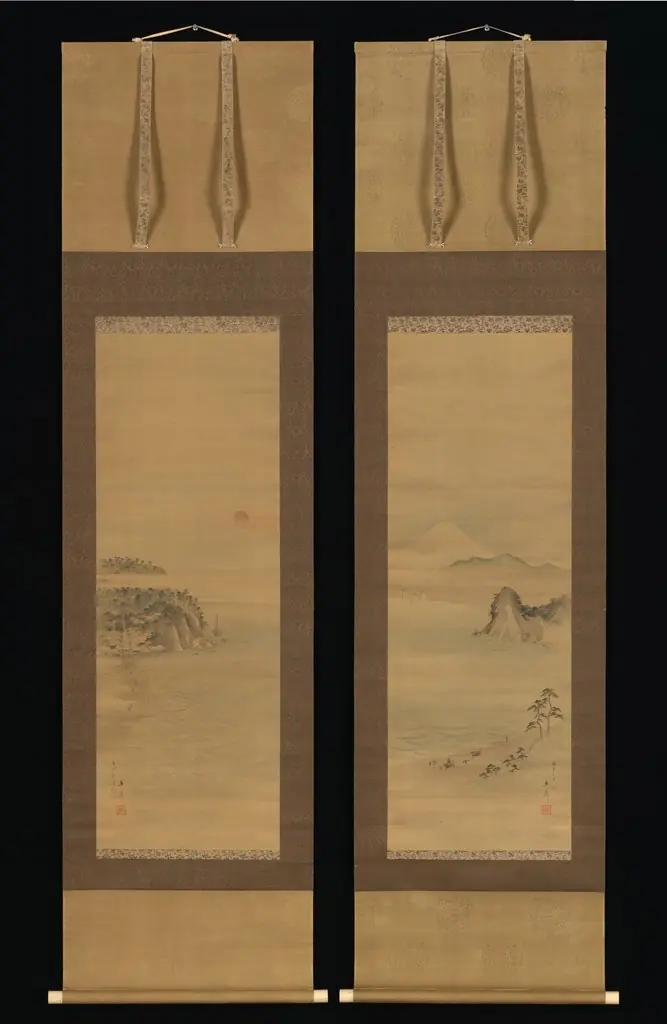
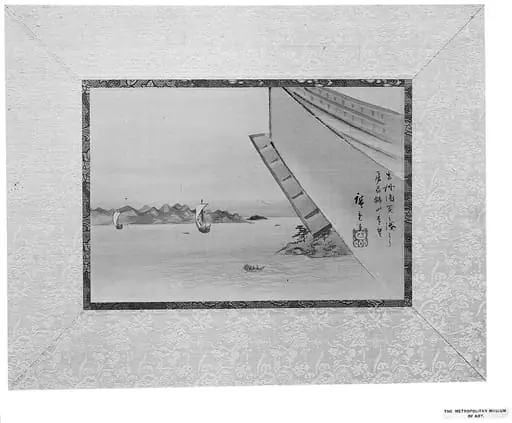
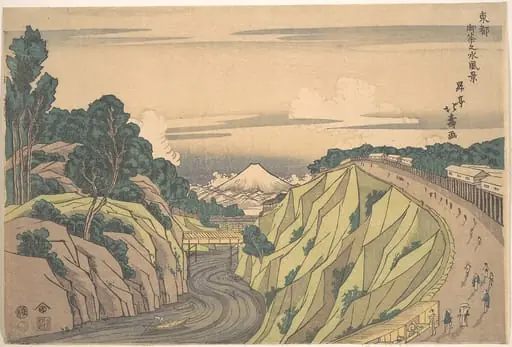 Untitled
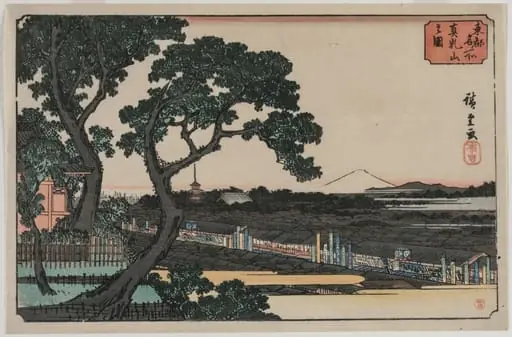 Picture of Matsuchiyama, from the series Famous Places in the Eastern Capital
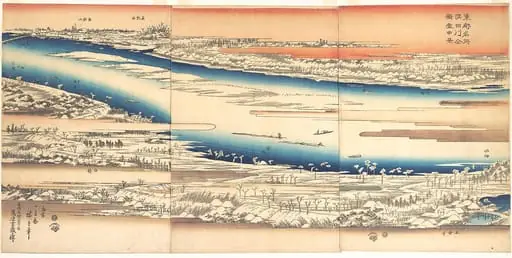 Toto meisho Sumidagawa zenzu settchukei|東都名所 隅田川全図雪中景|Celebrated Places in the Eastern Capital: Panoramic View of the Sumida River in Snow
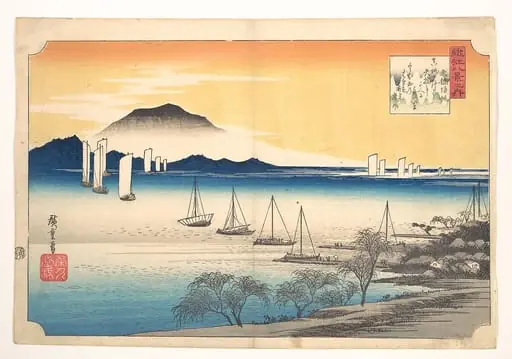 近江八景之内 矢橋帰帆|Fishing Boats Returning to Yabase
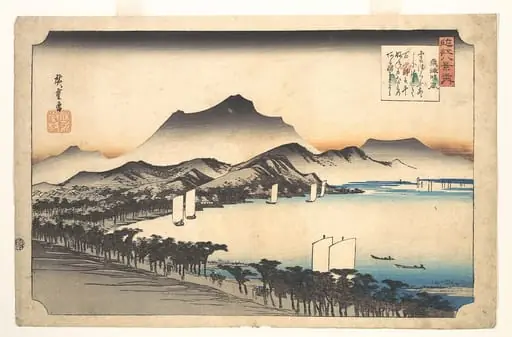 Awazu no Seiran|近江八景之内 粟津晴嵐|Clearing Weather at Awazu
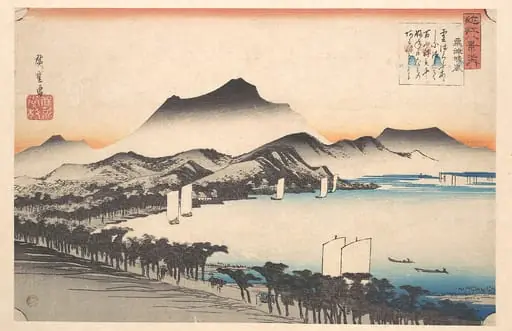 近江八景之内 粟津晴嵐|Clearing Weather at Awazu, Lake Biwa
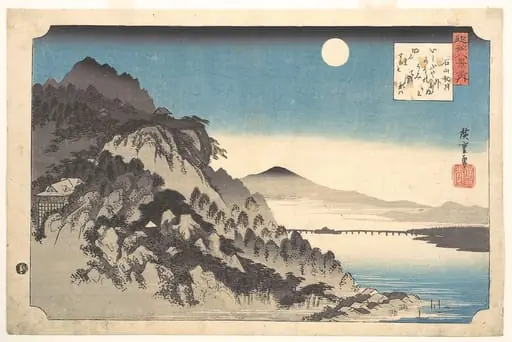 歌川広重画 近江八景之内 石山秋月|Autumn Full Moon at Ishiyama Temple (Ishiyama shūgetsu), from the series Eight Views of Ōmi Province (Ōmi hakkei)
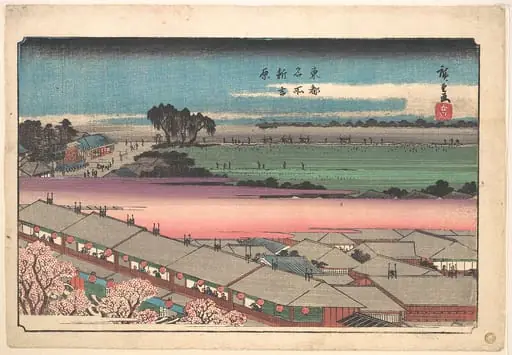 東都名所 新吉原|Shin Yoshiwara
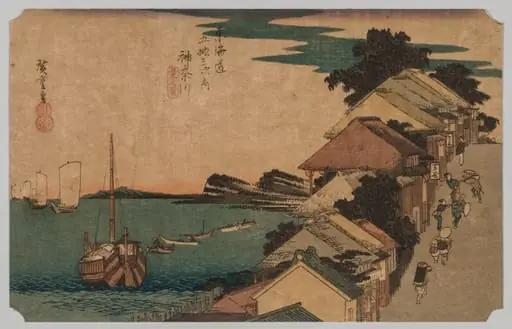 Kanagawa, Inland Sea: Top of the Street
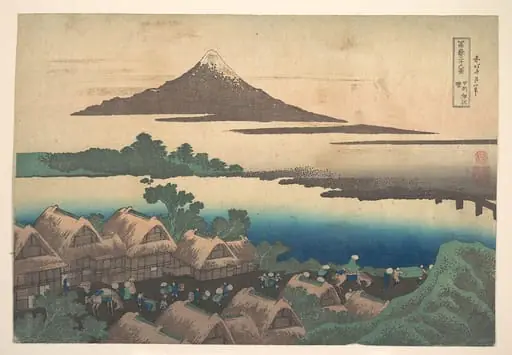 冨嶽三十六景 甲州伊沢暁|Dawn at Isawa in Kai Province (Kōshū Isawa no akatsuki), from the series Thirty-six Views of Mount Fuji (Fugaku sanjūrokkei)