Artwork
Kanagawa, Inland Sea: Top of the Street
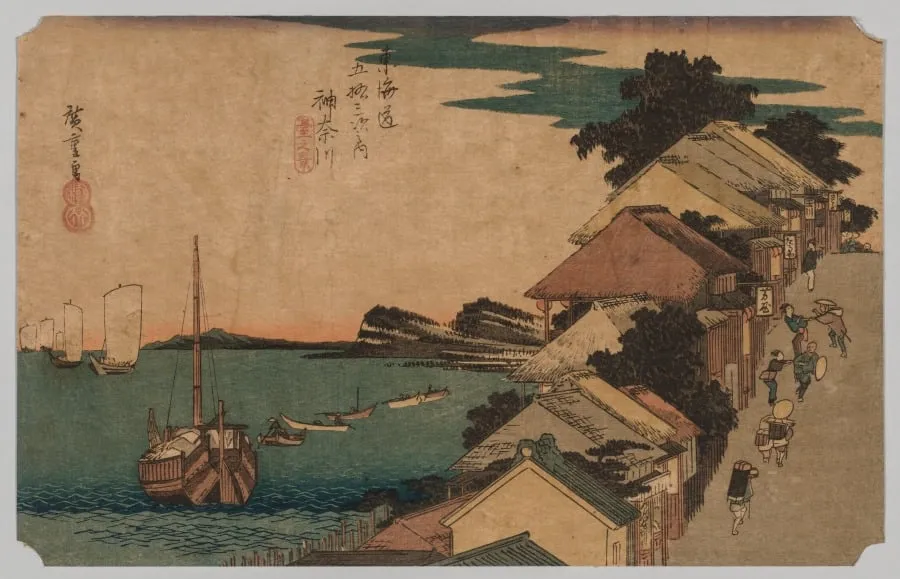
Kanagawa, Inland Sea: Top of the Street is a print by the Romanticist artist Utagawa Hiroshige. It dates from 1828 and is held in the collection of the Cleveland Museum of Art.
About this work
Overview
The print belongs to a broader project documenting Japan’s geography through intimate, observational views rather than dramatic or idealized imagery.
Created in 1828 by Utagawa Hiroshige, this woodblock print is part of a series capturing Japan’s coastal landscapes. Unlike many ukiyo-e works centered on city life or entertainment, Hiroshige turned his focus to quiet, everyday scenes of travel and nature. The print belongs to a broader project documenting Japan’s geography through intimate, observational views rather than dramatic or idealized imagery.
Subject & Meaning
The scene portrays a modest coastal settlement along the Inland Sea, with a single boat moored near the shore and figures moving along a narrow path. Buildings with thatched roofs line the edge of the frame, suggesting a working village rather than a tourist destination. The absence of grandeur or spectacle emphasizes the dignity of ordinary life, inviting contemplation of rhythm, place, and quiet human activity.
Technique & Style
Hiroshige employed fine woodblock carving and subtle color gradations to convey atmosphere. The muted sky and soft water tones create a sense of stillness, while the precise rendering of architectural details and clothing reflects attention to regional authenticity. Lines are restrained, avoiding theatricality; composition balances horizontal bands of land, sea, and sky to enhance calm.
History & Provenance
The print entered the collection of The Cleveland Museum of Art as part of a larger acquisition of Hiroshige’s landscape prints. Its preservation reflects early 20th-century Western interest in Japanese prints as artistic documents rather than mere commercial products. The work has remained in the museum’s care since its acquisition, with no record of significant public exhibition prior to the 1950s.
Context
During the Edo period, increased domestic travel and improved road networks inspired a surge in landscape imagery. Hiroshige’s series responded to public fascination with distant places, offering accessible visions of Japan’s coasts and mountains. This print aligns with a cultural shift toward valuing natural scenery and regional identity over the fleeting pleasures of urban entertainment.
Legacy
Hiroshige’s approach influenced later artists in both Japan and the West, particularly those drawn to atmospheric landscapes and everyday subject matter. His emphasis on mood over narrative helped redefine ukiyo-e’s potential beyond portraiture and theater. Today, this print stands as a quiet example of how printmaking could convey stillness and place with remarkable restraint.
Artist & collection
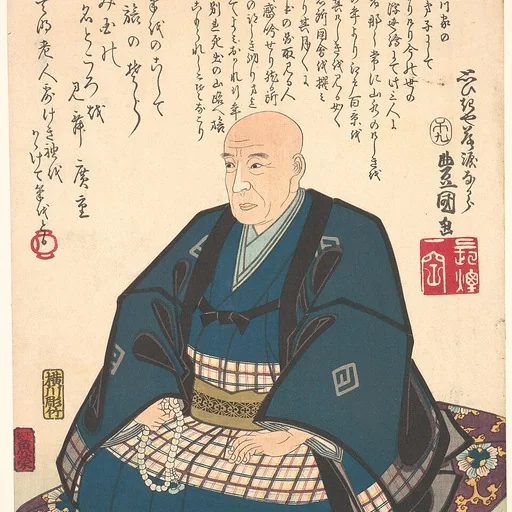
Artist
Utagawa Hiroshige (歌川 広重) or Andō Hiroshige (安藤 広重), born Andō Tokutarō (安藤 徳太郎; 1797 – 12 October 1858), was a Japanese ukiyo-e artist, considered the last great master of that tradition.

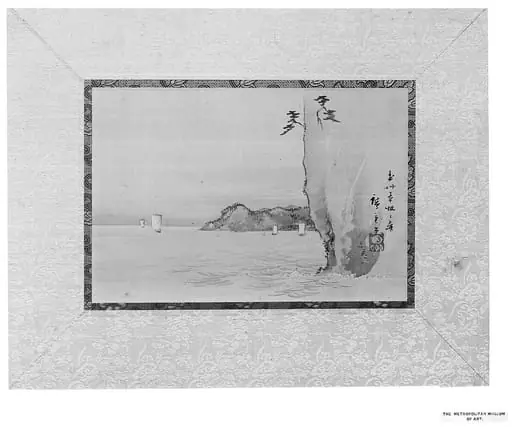
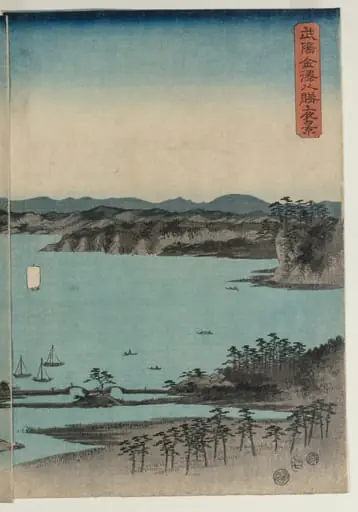 Full Moon on Kanazawa, Musashi
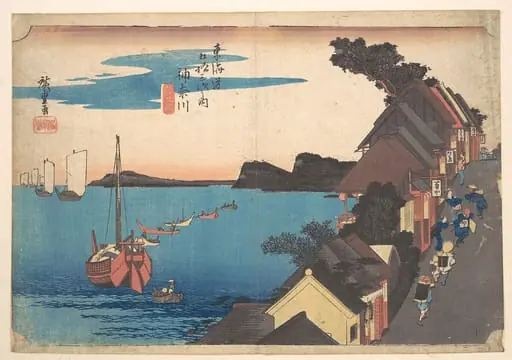 東海道五十三次之内 神奈川 台之景|View of Kangawa at Sunset
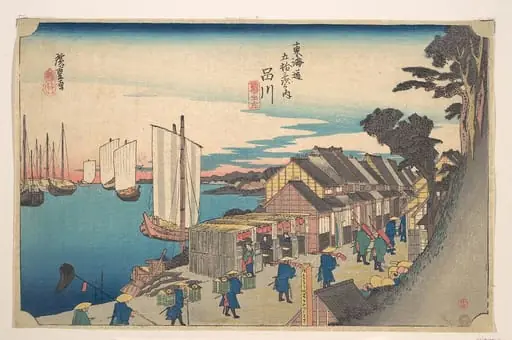 東海道五十三次之内 品川 諸侯出立|Shinagawa; Shoko Detachi
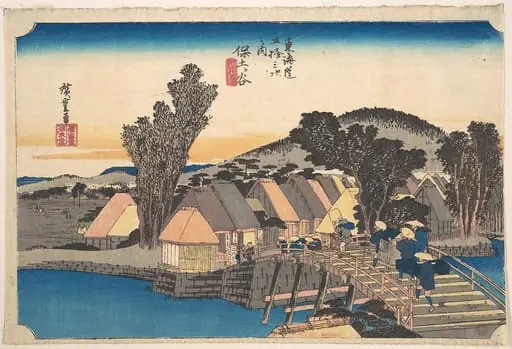 東海道五十三次之内 保土ヶ谷 新町橋|Hodogaya Station and Shinkame Bridge
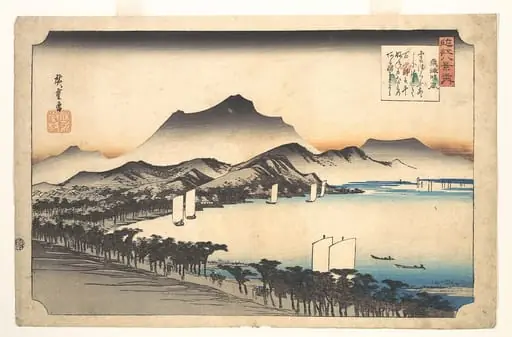 Awazu no Seiran|近江八景之内 粟津晴嵐|Clearing Weather at Awazu
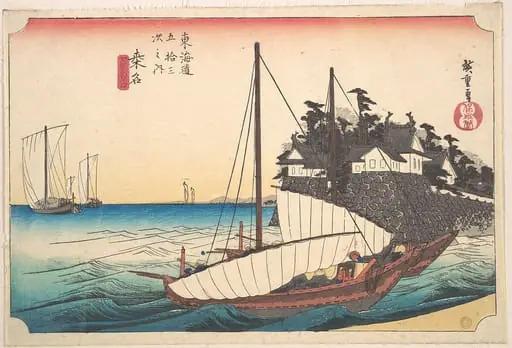 東海道五十三次之内 桑名 七里渡口|Kuwana, Shichi-Ri Watashi Guchi
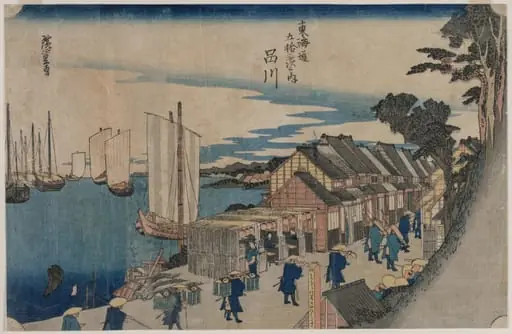 Shinagawa (from the series Fifty-three Stations of the Tokaido)
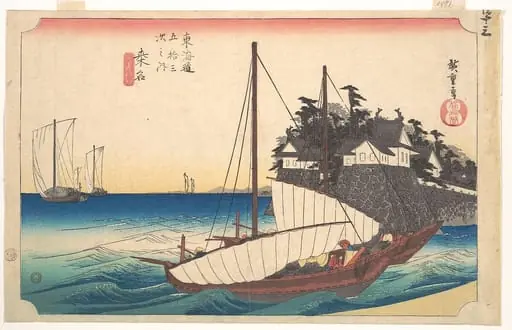 東海道五十三次之内 桑名 七里渡口|Station Forty-Three: Kuwana, Seven-Ri Ferry at the Port, from the Fifty-Three Stations of the Tokaido
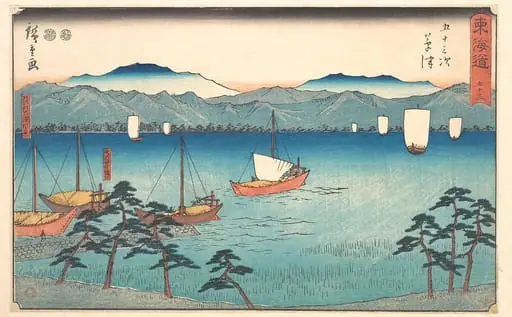 東海道五十三次 草津 矢ばせの渡口 琵琶湖風景|Kusatsu
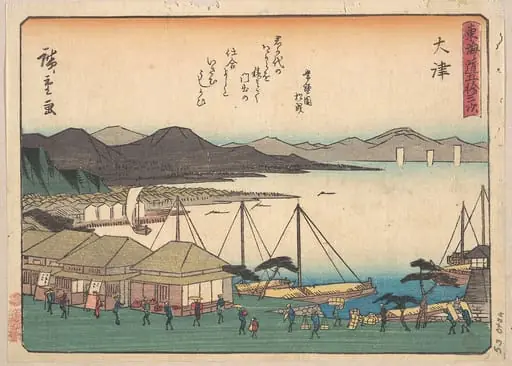 東海道五十三次 大津|Otsu