Artwork
Awazu no Seiran|近江八景之内 粟津晴嵐|Clearing Weather at Awazu
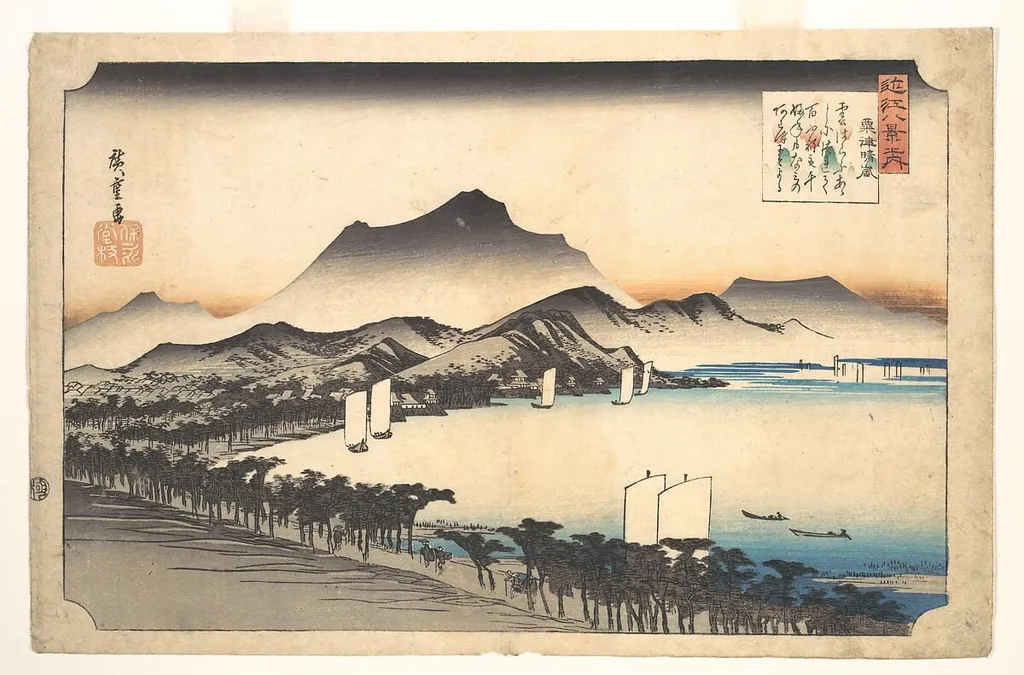
Awazu no Seiran|近江八景之内 粟津晴嵐|Clearing Weather at Awazu is an ink print by the Romanticist artist Utagawa Hiroshige. It dates from 1828 and is held in the collection of the Metropolitan Museum of Art.
About this work
Overview
Executed in ink and color on paper, it captures a quiet moment along Awazu’s shore, emphasizing natural serenity over human activity.
Created in 1828 by Utagawa Hiroshige, this woodblock print is one of eight scenes from the *Eight Views of Ōmi*, a traditional set of landscapes in the Lake Biwa region. Executed in ink and color on paper, it captures a quiet moment along Awazu’s shore, emphasizing natural serenity over human activity. The composition reflects Hiroshige’s shift toward poetic landscape themes, distinguishing his work from the more common urban and theatrical subjects of ukiyo-e.
Subject & Meaning
The scene depicts a mist-laced lakeshore at dawn, with a solitary figure walking beneath a pale sky. A distant bridge and a few small boats suggest quiet human presence without disrupting the stillness. The mountain looms softly in the background, its peak veiled in cloud, evoking transience and calm. The title, meaning 'Clearing Weather at Awazu,' implies a moment of transition—fog lifting, light returning—inviting contemplation rather than narrative.
Technique & Style
Hiroshige employed delicate woodblock carving to render subtle gradations of tone and color, using muted blues, grays, and soft greens to suggest atmosphere. The brushwork is restrained, with minimal detail in the figures and foliage, allowing the landscape’s mood to dominate. Horizontal bands of water, shore, and sky create rhythmic calm, while the sparse use of ink enhances the sense of quiet and spatial depth.
History & Provenance
The print was produced during Hiroshige’s early career as part of a series commissioned to celebrate the classical Eight Views of Ōmi, a poetic tradition dating to Chinese landscape aesthetics. It entered the collection of The Metropolitan Museum of Art in the 20th century, where it remains as part of a broader holding of Edo-period prints. Its survival in good condition reflects its careful preservation and enduring scholarly interest.
Context
In early 19th-century Japan, travel literature and scenic tourism were growing among the urban middle class. Hiroshige’s series responded to this interest by translating well-known regional views into accessible art. Unlike earlier ukiyo-e focused on courtesans or actors, these landscapes offered viewers a meditative escape, aligning with broader cultural appreciation for nature’s quiet beauty and seasonal change.
Legacy
Hiroshige’s *Eight Views of Ōmi* series helped redefine ukiyo-e’s potential beyond entertainment, influencing later generations of artists both in Japan and abroad. The restrained aesthetic of *Awazu no Seiran* contributed to the global appreciation of Japanese printmaking, particularly in 19th-century Europe, where its compositional simplicity and atmospheric sensitivity resonated with emerging landscape traditions.
Artist & collection
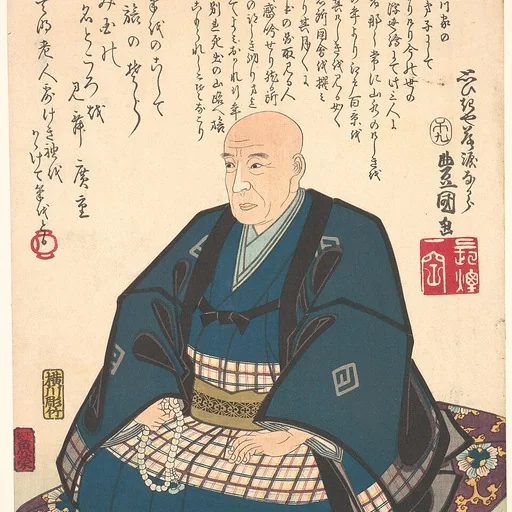
Artist
Utagawa Hiroshige (歌川 広重) or Andō Hiroshige (安藤 広重), born Andō Tokutarō (安藤 徳太郎; 1797 – 12 October 1858), was a Japanese ukiyo-e artist, considered the last great master of that tradition.

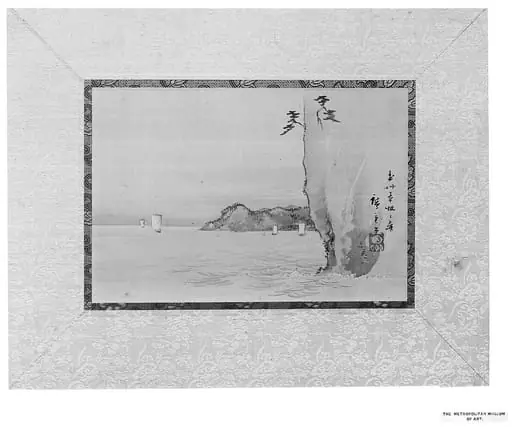
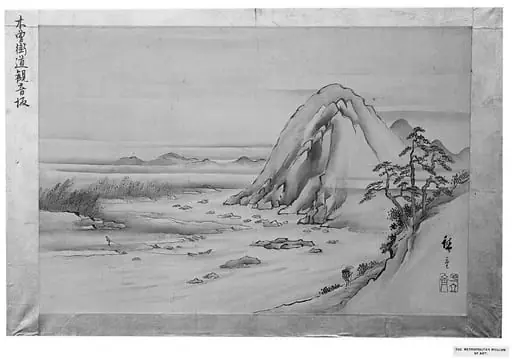
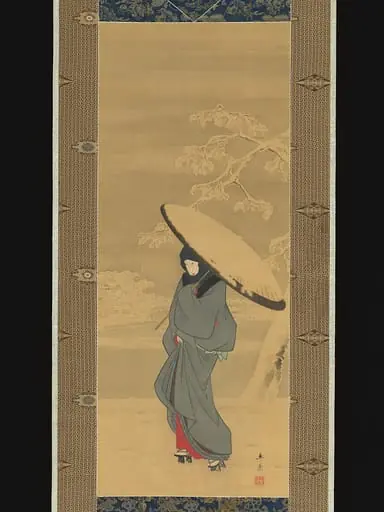
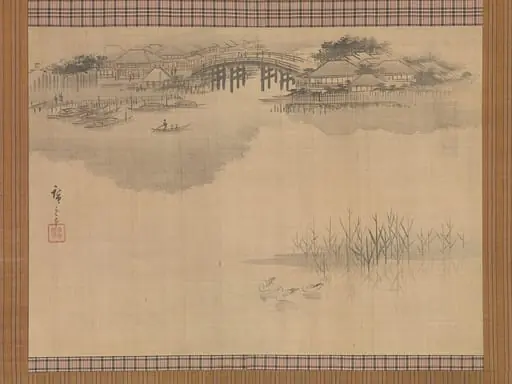
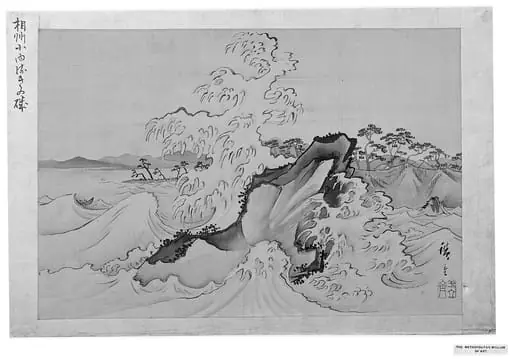
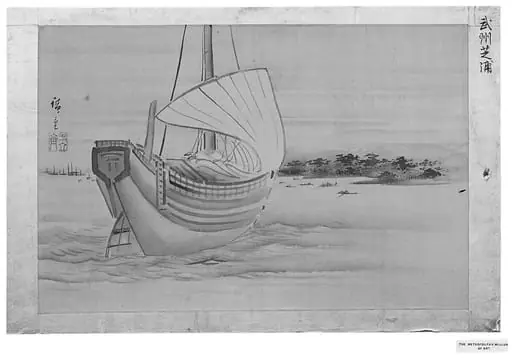

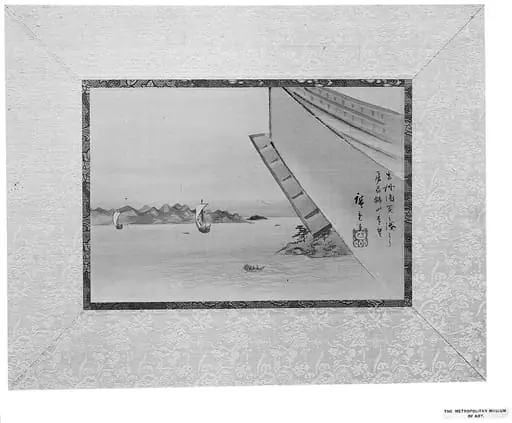
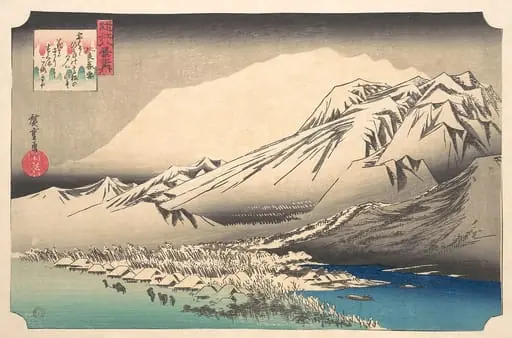 近江八景之内 比良暮雪|Evening Snow on Hira, Lake Biwa
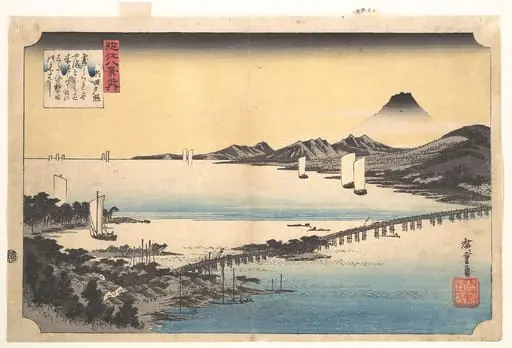 歌川広重画 近江八景の内 瀬田夕照|Sunset Glow at Seta (Seta sekishō), from the series Eight Views of Ōmi Province (Ōmi hakkei)
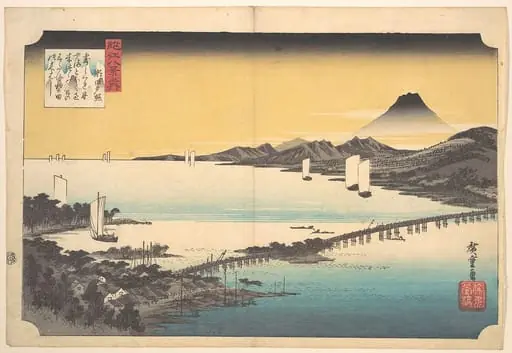 近江八景之内 瀬田夕照|Sunset at Seta
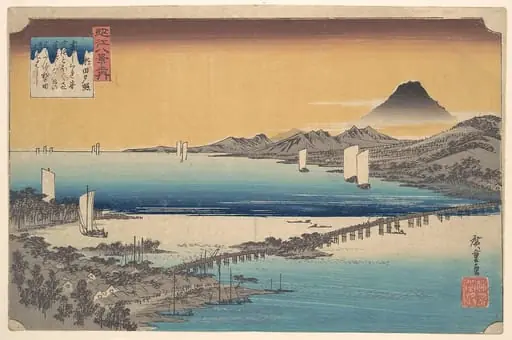 近江八景之内 瀬田夕照|Long Bridge of Seta
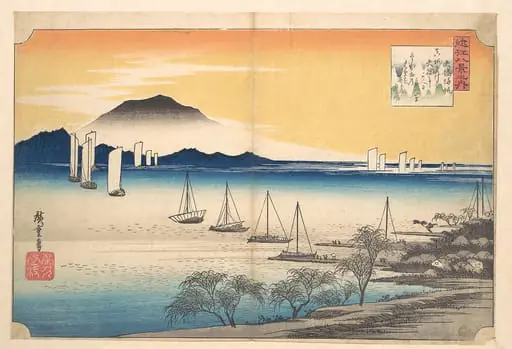 近江八景之内 矢橋帰帆|Sailing Boats Returning to Yabase, Lake Biwa
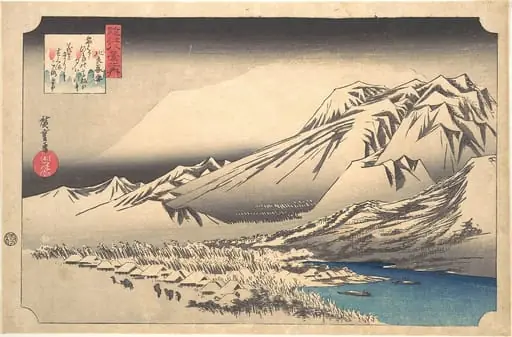 Hira no Bosetsu|近江八景の内 比良暮雪|Evening Snow on Mount Hira
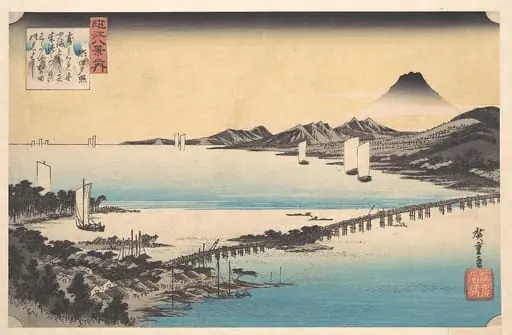 近江八景之内 瀬田夕照|Seta no Sekisho. Sunset, Seta. Lake Biwa
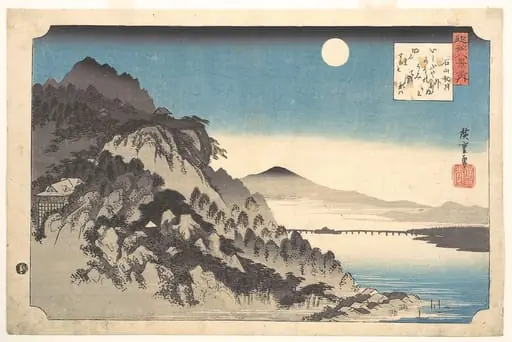 歌川広重画 近江八景之内 石山秋月|Autumn Full Moon at Ishiyama Temple (Ishiyama shūgetsu), from the series Eight Views of Ōmi Province (Ōmi hakkei)