Artwork
歌川国貞画 「籠細工 浪花細工人 一田庄七郎」|Basketry Work: By the Craftsman Ichida Shōshichirō of Naniwa (Kagozaiku Naniwa saikunin Ichida Shōshichirō)
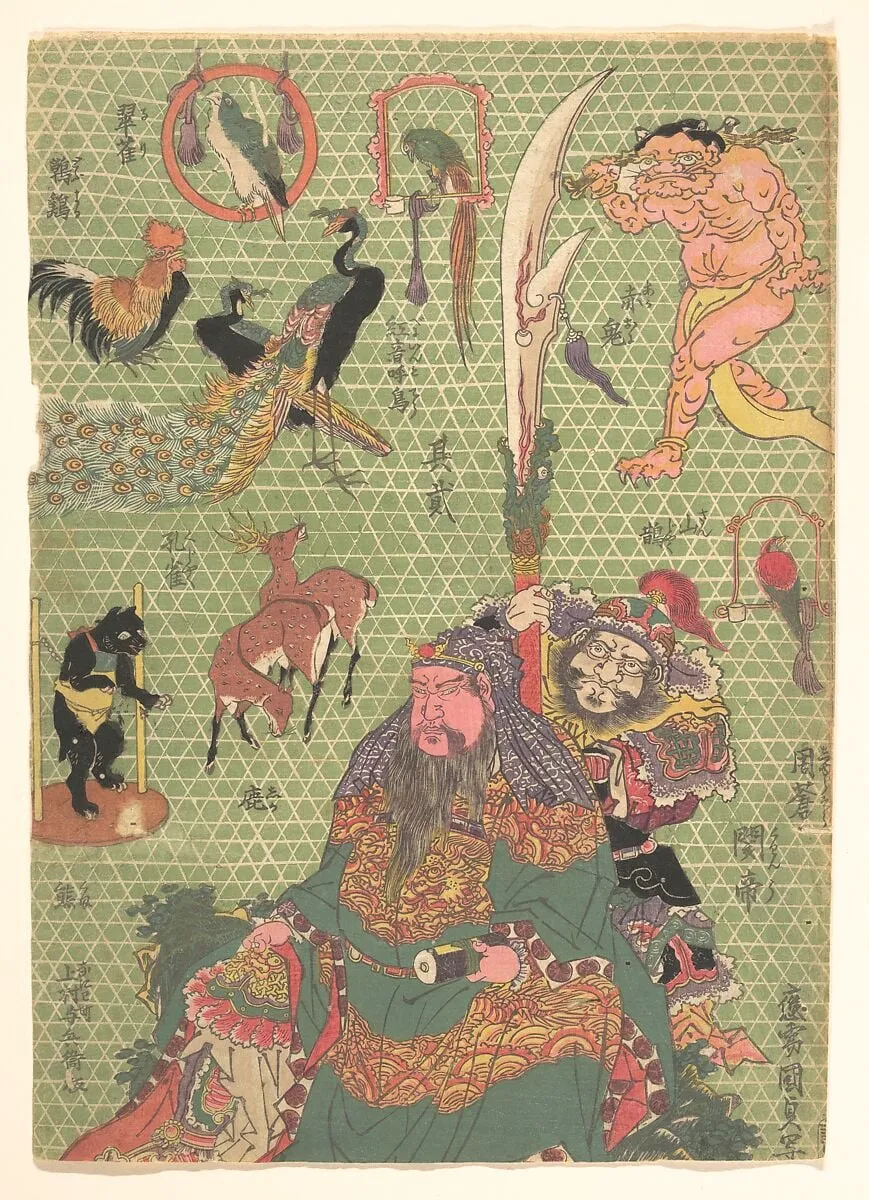
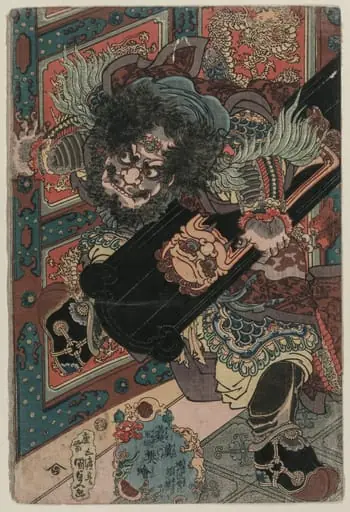
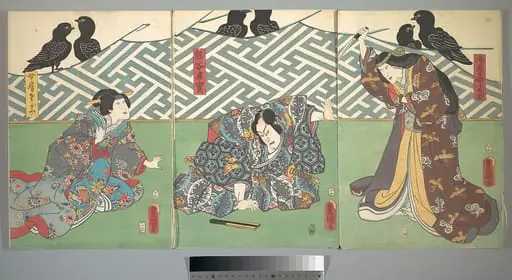
歌川国貞画 「籠細工 浪花細工人 一田庄七郎」|Basketry Work: By the Craftsman Ichida Shōshichirō of Naniwa (Kagozaiku Naniwa saikunin Ichida Shōshichirō) is an ink print by the Romanticist artist Utagawa Kunisada. It dates from 1819 and is held in the collection of the Metropolitan Museum of Art.
About this work
Overview
The composition is dense with figures, animals, and decorative patterns, reflecting the energetic aesthetic of early 19th-century Edo-period popular prints.
This woodblock print, created by Utagawa Kunisada in 1819, depicts a vibrant scene centered on a figure identified as Ichida Shōshichirō, a basket maker from Osaka. Rendered in ink and color on paper, it belongs to the ukiyo-e tradition of genre scenes. The composition is dense with figures, animals, and decorative patterns, reflecting the energetic aesthetic of early 19th-century Edo-period popular prints. The work is part of the collection at The Metropolitan Museum of Art.
Subject & Meaning
The central figure, dressed in elaborate robes and holding a fan and staff, represents Ichida Shōshichirō, a skilled artisan known for his basketry. Surrounding him are symbolic animals—rooster, peacock, deer—and costumed performers, suggesting a ceremonial or celebratory context. The scene likely honors the craftsman’s reputation, blending real identity with theatrical flourish to elevate his status beyond mere labor, aligning him with cultural prestige.
Technique & Style
Kunisada employed bold outlines, flat planes of vivid color, and intricate patterns typical of the Utagawa school. The background is densely filled with decorative motifs, contrasting with the detailed rendering of clothing and animal forms. The composition’s crowdedness and dynamic arrangement reflect the influence of kabuki theater, where visual spectacle and layered narratives were central. Printmaking techniques allowed for precise registration of multiple color blocks, enhancing the richness of the image.
History & Provenance
Produced in 1819 during Kunisada’s early career, the print was likely part of a series celebrating Osaka artisans. It entered the collection of The Metropolitan Museum of Art through established acquisition channels, though its exact early ownership remains undocumented. As a genre print, it was mass-produced for urban audiences, making surviving examples relatively common, yet this particular impression retains strong pigment and detail.
Context
In early 19th-century Edo, prints often portrayed tradespeople as cultural icons, merging daily labor with theatrical symbolism. Osaka, a commercial hub, was known for its skilled craftspeople, and artists like Kunisada elevated them through imagery. This print aligns with a broader trend of honoring regional artisans, reflecting urban pride and the growing market for prints that celebrated everyday heroes alongside actors and courtesans.
Legacy
Though not among Kunisada’s most widely reproduced works, this print exemplifies his ability to fuse realism with fantasy in portraying common professions. It contributes to the historical record of Japanese artisan culture and the visual language of ukiyo-e’s genre scenes. Its preservation in a major museum ensures continued study of how craft, identity, and performance intersected in Edo-period visual culture.
Artist & collection
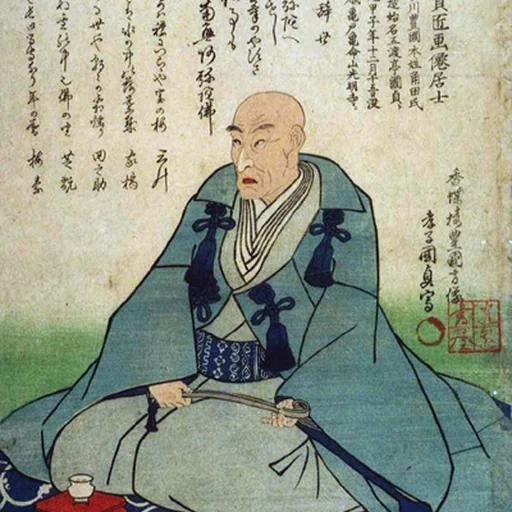

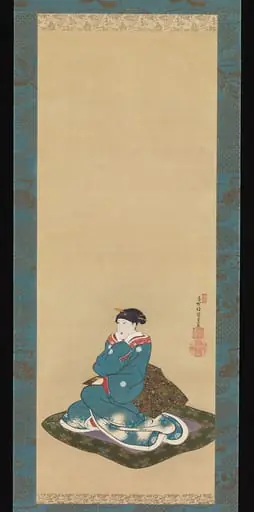 二代目岩井粂三郎の肖像|Portrait of Iwai Kumesaburō II
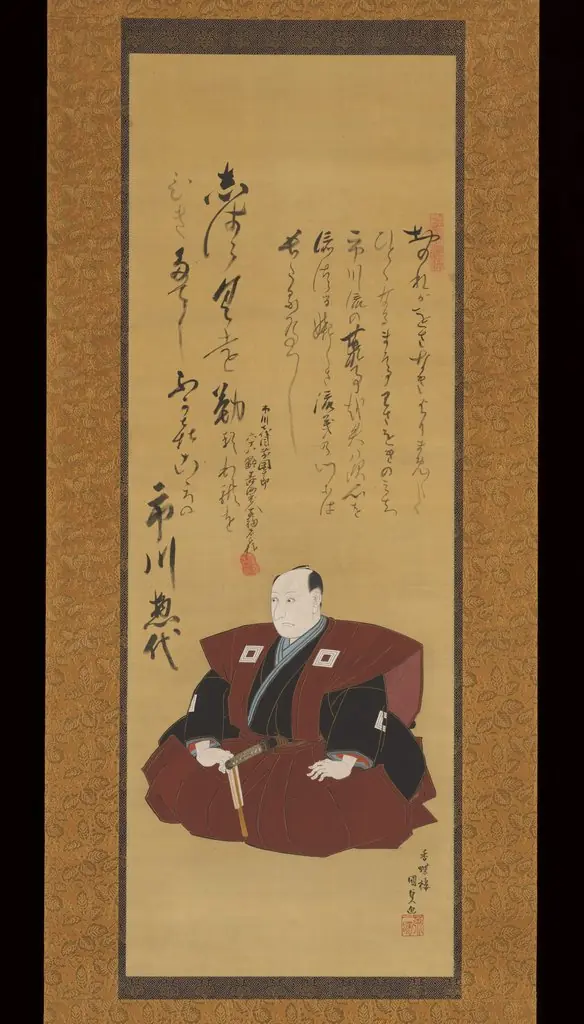 Memorial Portrait of the Actor Ichikawa Ōmezō I
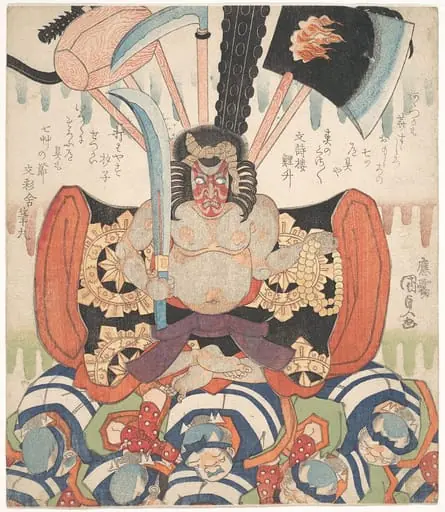 Untitled
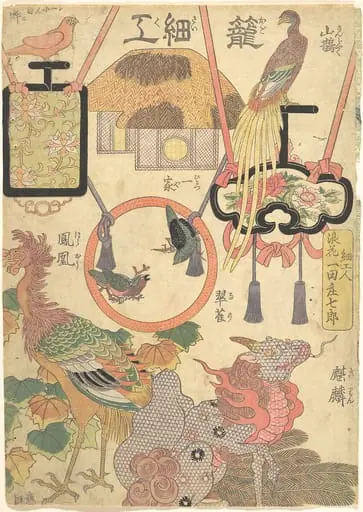 「籠細工 浪花細工人一田庄七郎」|Basketry Work: By the Craftsman Ichida Shōshichirō of Naniwa (Kagosaiku Naniwa saikujin Ichida Shōshichirō)
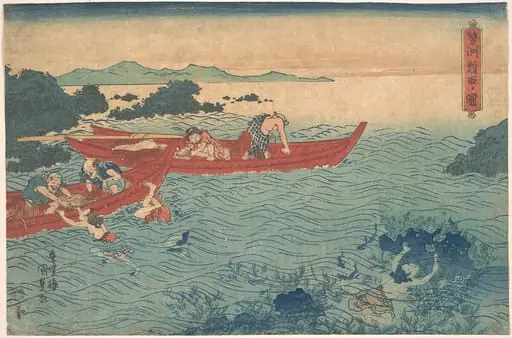 Untitled
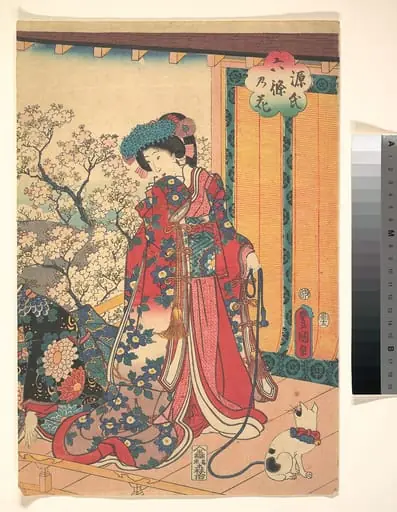 Untitled
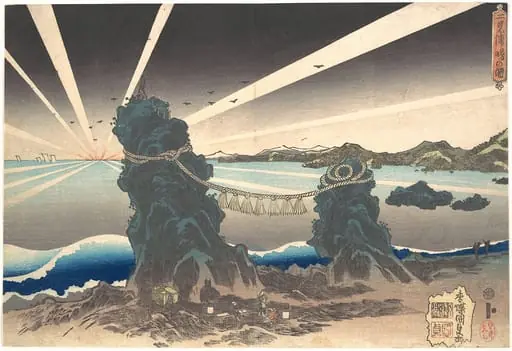 Futami-ga-ura akebono-no kuni|Futami-ga-ura Rocks at Ise, Land of Dawn
 Untitled