Artwork
H Beard Print Collection
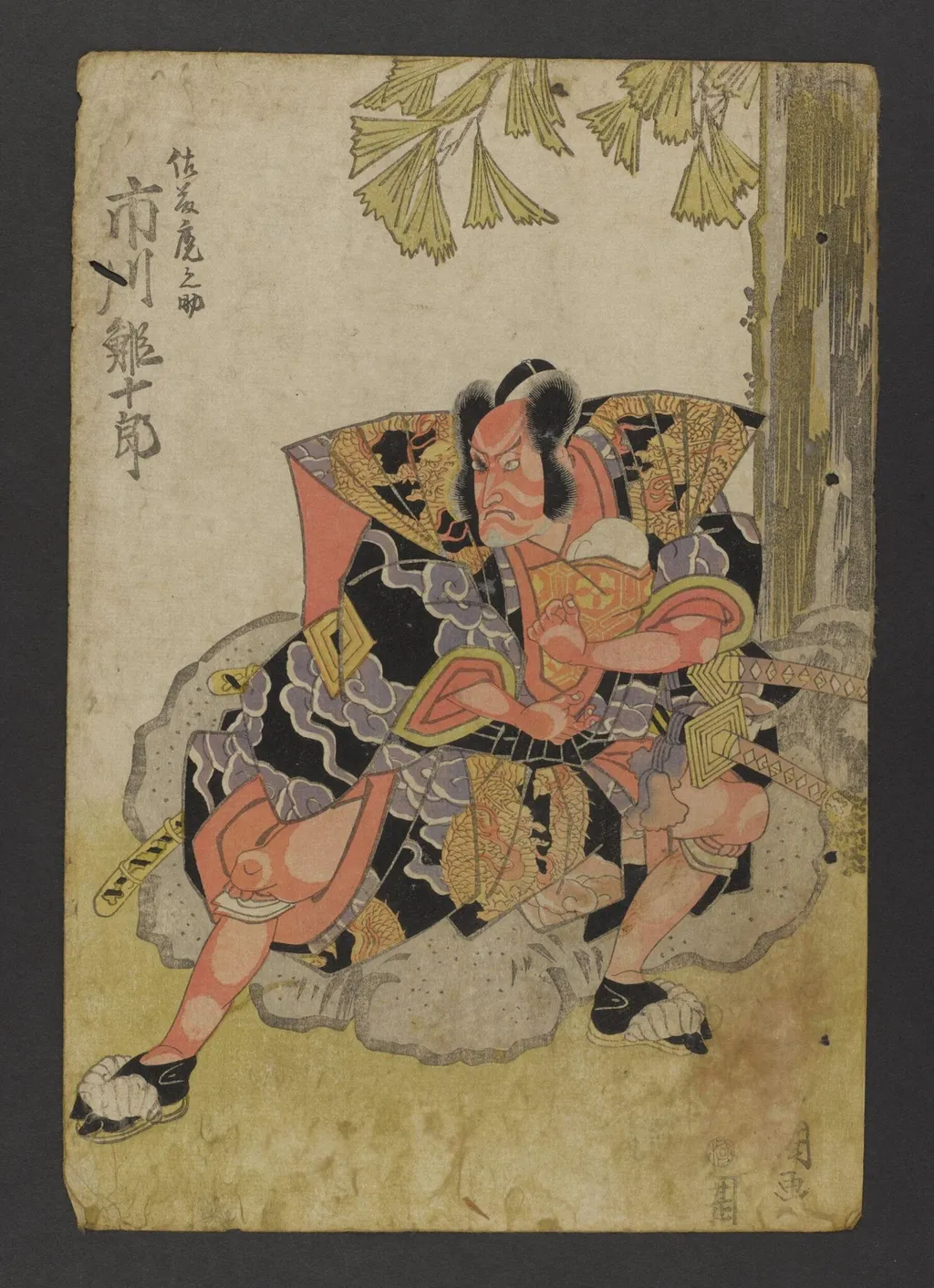
H Beard Print Collection is a print by the Romanticist artist Utagawa Toyokuni I. It dates from 1815 and is held in the collection of the Victoria and Albert Museum.
About this work
Overview
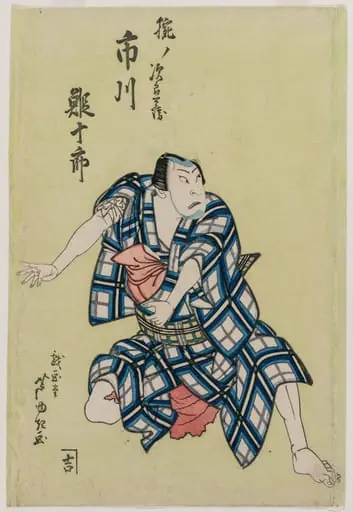
This ukiyo-e print features the kabuki actor Ichikawa Yebijuro, rendered by Utagawa Toyokuni in the early 19th century. Executed in woodblock technique, it belongs to a series of actor portraits popular during the Edo period. The composition emphasizes theatrical presence through stylized form and vivid color, typical of Toyokuni’s approach to capturing stage personas for a broad audience.
Subject & Meaning
Ichikawa Yebijuro is depicted in full costume, his face painted in the white makeup standard for kabuki roles, signaling his character’s dramatic identity.
Ichikawa Yebijuro is depicted in full costume, his face painted in the white makeup standard for kabuki roles, signaling his character’s dramatic identity. The bold checked pattern of his kimono reflects the flamboyant aesthetics of Edo-period theater, designed to convey status and role to spectators. These prints served as both promotional material and memorabilia, allowing fans to connect with performers beyond the stage.
Technique & Style
Toyokuni employed precise linework and layered color blocks characteristic of ukiyo-e woodblock printing. The contours of the actor’s form are sharply defined, while the palette retains its intensity due to high-quality pigments and careful printing. The background is left unadorned, focusing attention entirely on the figure, a hallmark of Toyokuni’s actor portraits that prioritized clarity and immediacy.
History & Provenance
The print originates from the H. Beard Print Collection, assembled in the 19th century by a British collector with a focus on Japanese theater imagery. It entered the Victoria and Albert Museum’s holdings as part of this donation, preserving its condition and historical context. Its survival in good condition reflects both the durability of its materials and the care taken in its preservation over two centuries.
Context
During the Edo period, kabuki theater flourished as popular entertainment, and actor prints became a cultural phenomenon. Toyokuni, a leading artist of the Utagawa school, produced hundreds of such portraits to meet public demand. These images functioned as both advertising and fan artifacts, circulating widely among urban audiences who followed their favorite performers with devotion.
Legacy
Toyokuni’s actor prints helped define the visual language of ukiyo-e portraiture and influenced later generations of printmakers. The enduring presence of this work in museum collections underscores its role in documenting Edo-period performance culture. Today, such prints remain key sources for understanding the intersection of theater, commerce, and art in 19th-century Japan.
Artist & collection

Artist
Toyokuni was a born showman who made sure the energy of Edo’s kabuki stage never faded on paper.

 Bandō Mitsugorō II as Shinbei in the Kabuki Play "Sukeroku"
 Beauty Blotting Her Lip Rouge
 Portrait of Kinokuniya Bunzaemon
 Untitled
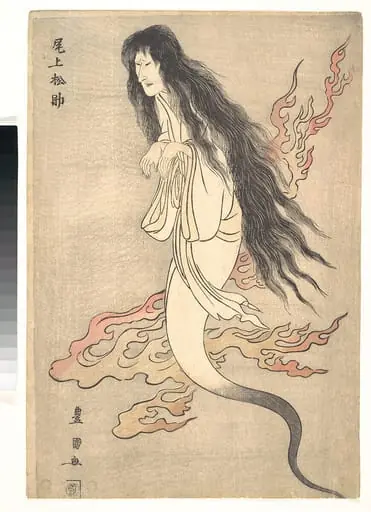 Tokaido Yotsuya Kaidan|Onoe Matsusuke as the Ghost of the Murdered Wife Oiwa, in "A Tale of Horror from the Yotsuya Station on the Tokaido Road"
 Untitled
 Untitled
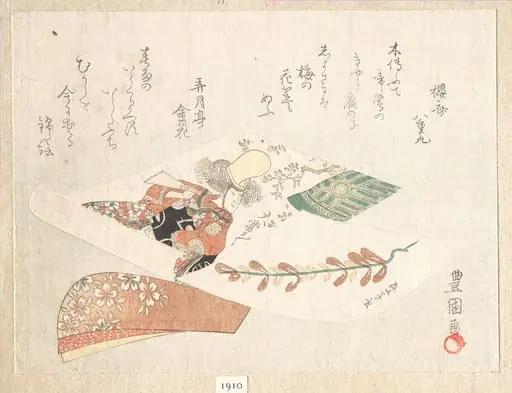 娘道成寺図の錦絵|Print of a Kabuki Dancer from the Maiden of the Dōjōji Temple (Musume Dōjōji)
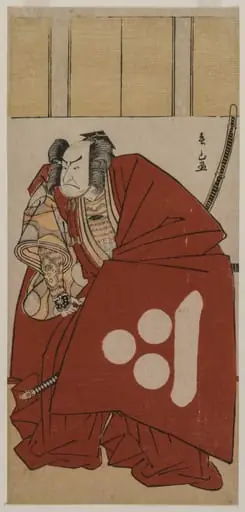 Nakamura Nakazo I as Watanabe no Tsuna
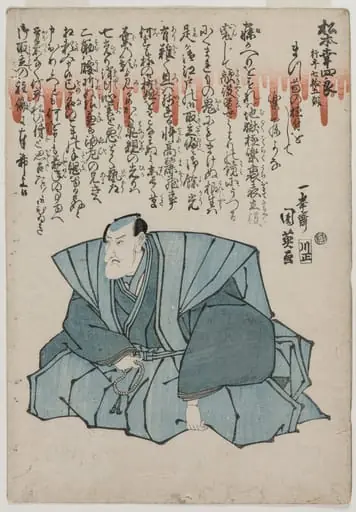 Memorial Portrait of Matsumoto Kōshirō V, Age 75
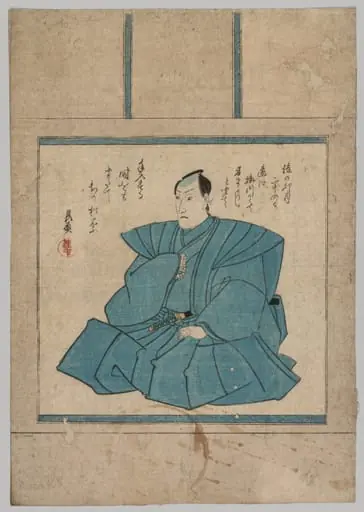 Portrait
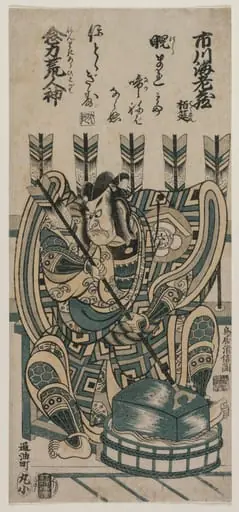 Ichikawa Ebizo III as Yanone Goro in Nenriki arahitogami
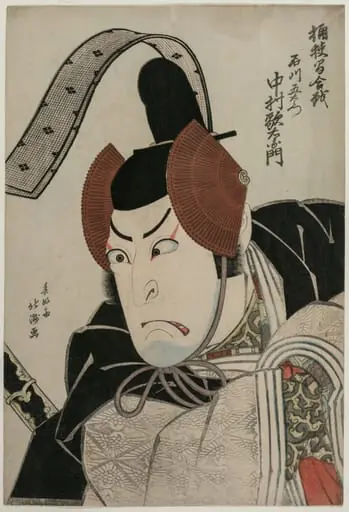 Actor Nakamura Utaemon III (Shikan) as Ishikawa Goemon at the Battle of Okehazama (Okehazama Gassen)
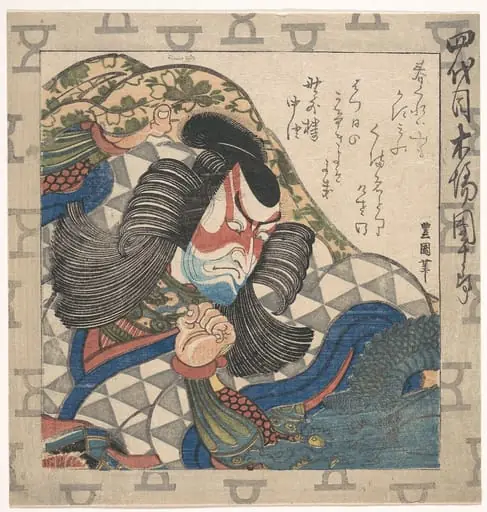 Untitled
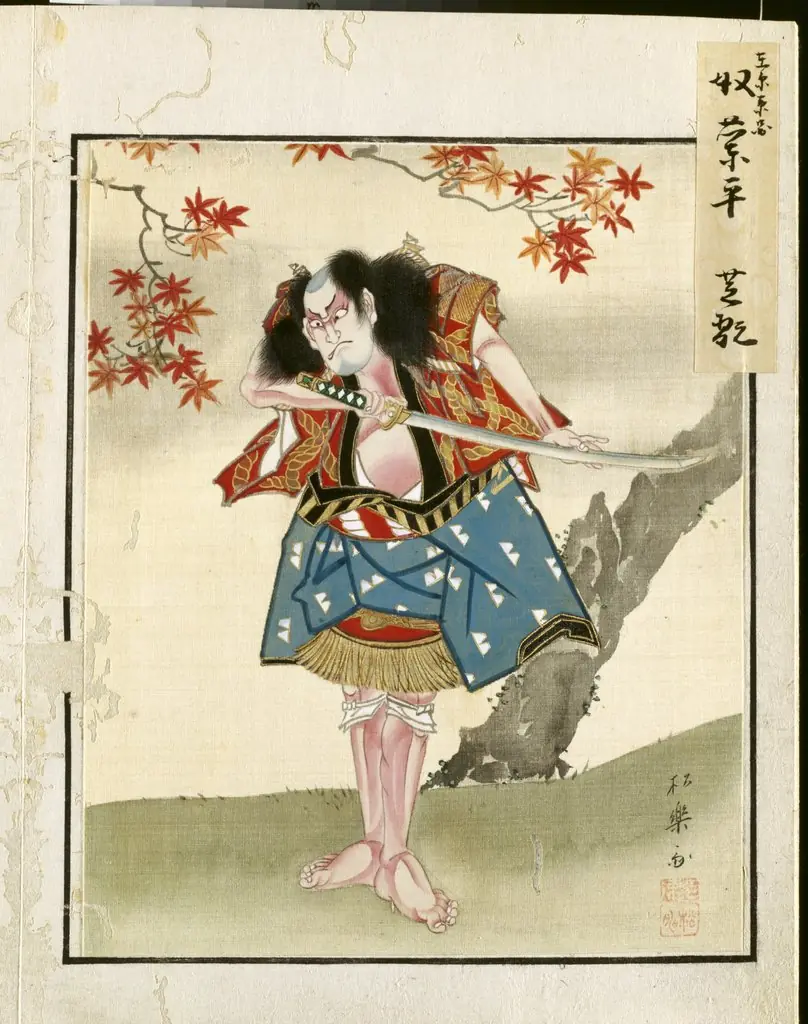 Double-Leaf from Album of Actor Portraits
 Ichikawa Ebijuro II as Ude no Jirobei
 安底羅大将図像(付.裏書)|Anchira-taisho Jochi