Artwork
Futami-ga-ura akebono-no kuni|Futami-ga-ura Rocks at Ise, Land of Dawn
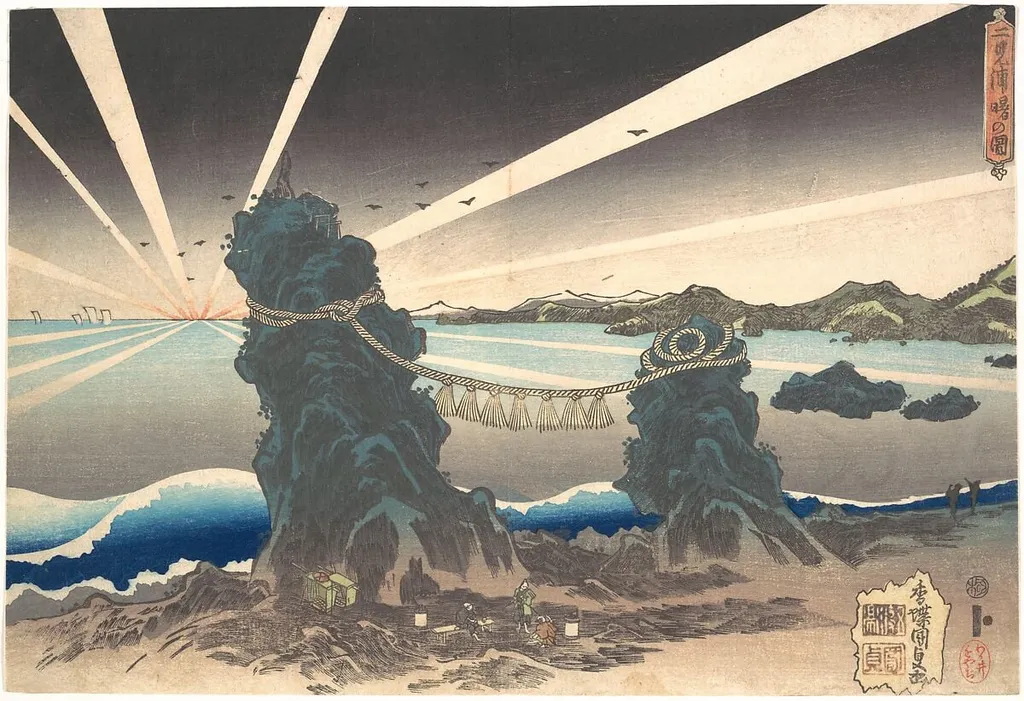
Futami-ga-ura akebono-no kuni|Futami-ga-ura Rocks at Ise, Land of Dawn is an ink print by the Romanticist artist Utagawa Kunisada. It dates from 1835 and is held in the collection of the Metropolitan Museum of Art.
About this work
Overview
This woodblock print, dated around 1835, is part of Utagawa Kunisada’s series depicting scenic locations across Japan. Rendered in ink and color on paper, it captures a coastal site in Ise Province known for its sacred rock formation. The composition follows traditional ukiyo-e conventions, blending natural elements with symbolic details to evoke a quiet, contemplative atmosphere.
Subject & Meaning
The print centers on two large rocks at Futami-ga-ura, a site associated with Shinto purification rituals. A sacred rope, or shimenawa, ties them together, marking the space as spiritually significant. The dawn light breaking through the gray sky suggests renewal, while the birds in flight reinforce themes of transition and the passage of time, aligning with the region’s religious associations.
Technique & Style
Kunisada employed layered woodblock printing to achieve subtle gradations in the sky and textured surfaces on the rocks.
Kunisada employed layered woodblock printing to achieve subtle gradations in the sky and textured surfaces on the rocks. Dark blue pigments define the rock forms, contrasting with the muted tones of the sea and distant mountains. The rope’s tassels are rendered with fine lines, adding detail without clutter. The composition uses foreground framing to draw the viewer into a balanced, meditative space.
History & Provenance
Created during the late Edo period, the print was likely produced for the popular ukiyo-e market, which celebrated travel and sacred sites. It entered The Metropolitan Museum of Art’s collection as part of a broader acquisition of Japanese prints in the early 20th century. Its preservation reflects its status as a representative example of Kunisada’s landscape work, though less widely known than his actor prints.
Context
Futami-ga-ura was a well-known pilgrimage destination, often featured in poetry and travel guides of the time. Kunisada’s depiction aligns with a broader trend in ukiyo-e of portraying famous places, or meisho, as objects of cultural reverence. Unlike dramatic seascapes by Hokusai or Hiroshige, this print emphasizes stillness and spiritual resonance over spectacle, reflecting regional devotional traditions.
Legacy
While Kunisada is primarily remembered for his portraits of kabuki actors, this print illustrates his versatility in landscape design. It contributes to the historical record of how Japanese artists interpreted sacred geography through commercial art. Today, it remains a quiet example of how everyday prints carried cultural and religious meaning beyond mere decoration.
Artist & collection

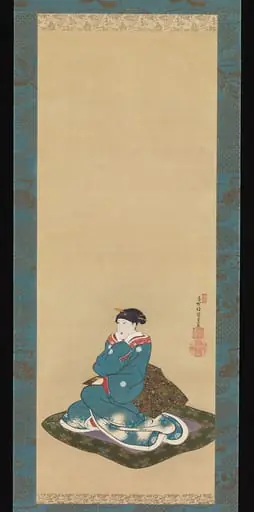 二代目岩井粂三郎の肖像|Portrait of Iwai Kumesaburō II
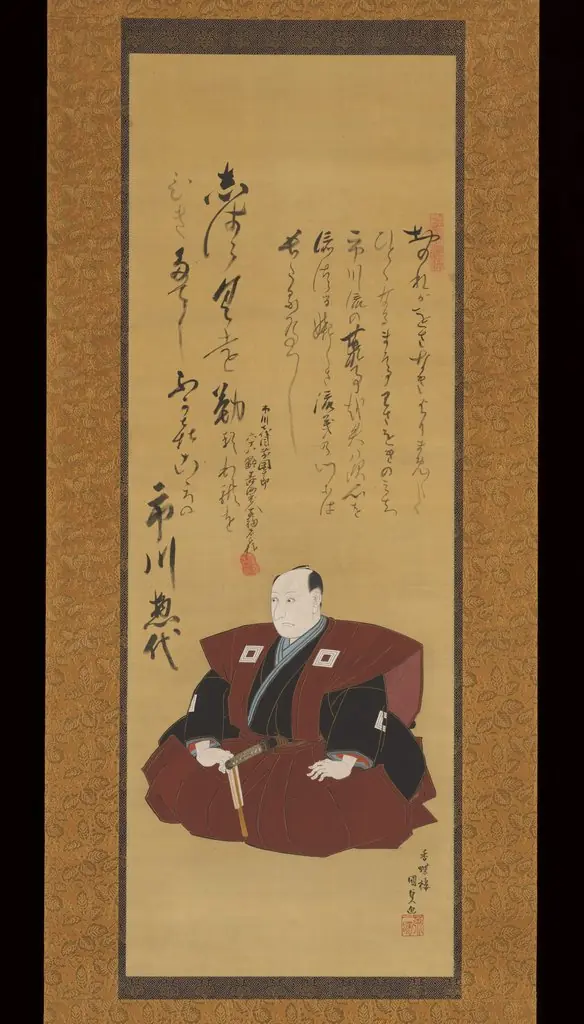 Memorial Portrait of the Actor Ichikawa Ōmezō I
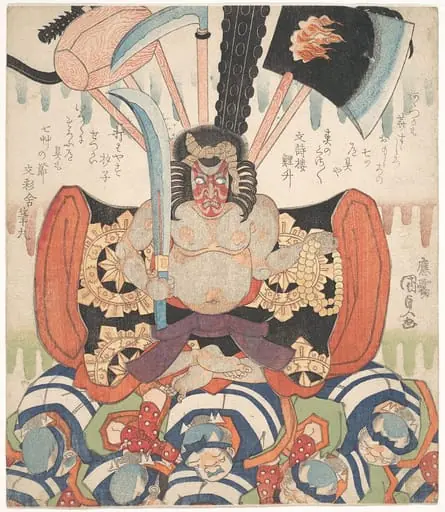 Untitled
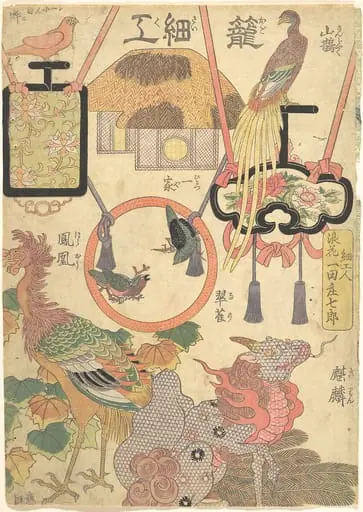 「籠細工 浪花細工人一田庄七郎」|Basketry Work: By the Craftsman Ichida Shōshichirō of Naniwa (Kagosaiku Naniwa saikujin Ichida Shōshichirō)
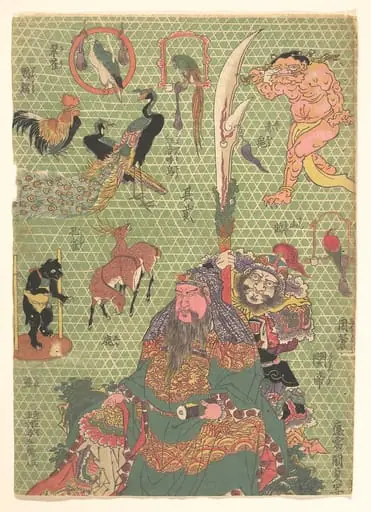 歌川国貞画 「籠細工 浪花細工人 一田庄七郎」|Basketry Work: By the Craftsman Ichida Shōshichirō of Naniwa (Kagozaiku Naniwa saikunin Ichida Shōshichirō)
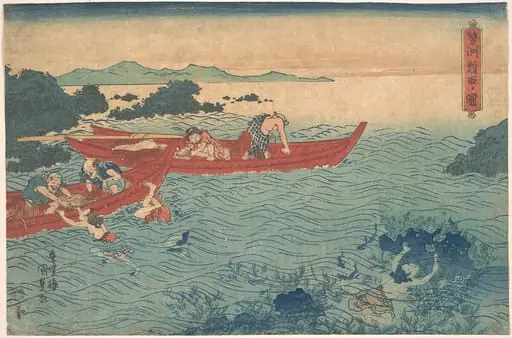 Untitled
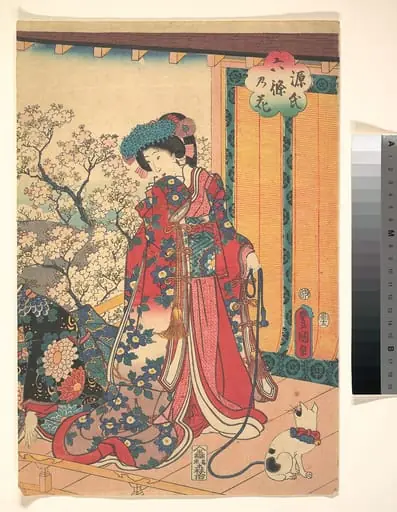 Untitled
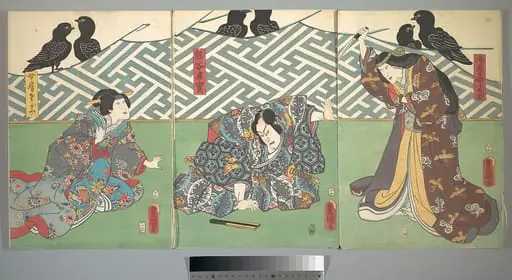 Untitled
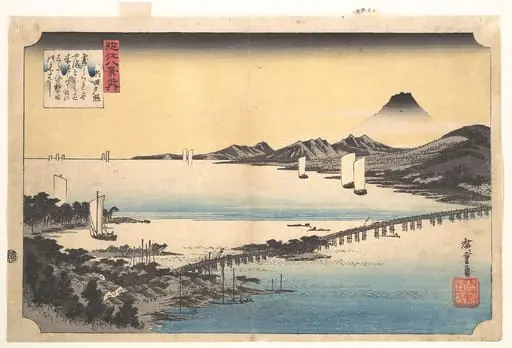 歌川広重画 近江八景の内 瀬田夕照|Sunset Glow at Seta (Seta sekishō), from the series Eight Views of Ōmi Province (Ōmi hakkei)
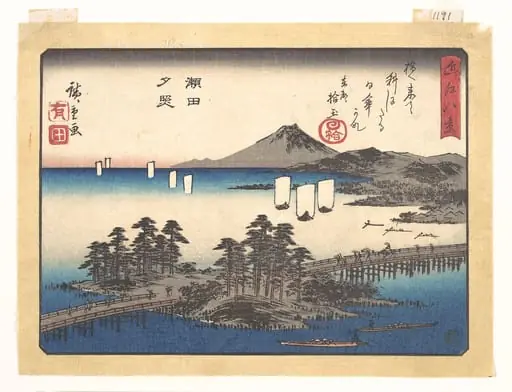 歌川広重画 「近江八景 瀬田夕照」|Sunset Glow at Seta, from the series Eight Views of Ōmi (Ōmi hakkei)
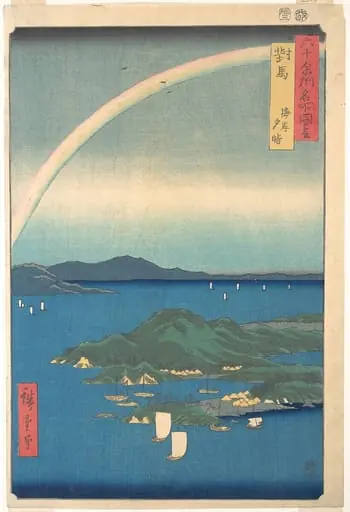 六十余州名所図会 対馬 海岸 夕晴|Evening Glow, Tsushima Province, from the series Views of Famous Places in the Sixty-Odd Provinces
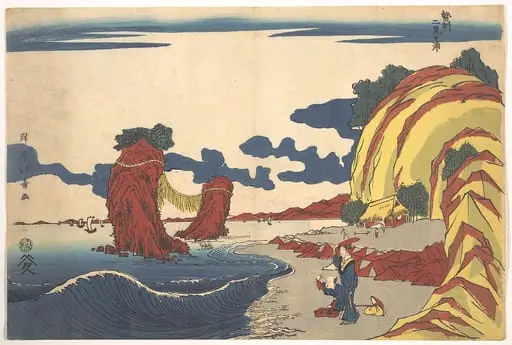 Seishu Futami ga Ura|View of Futami Beach at Ise
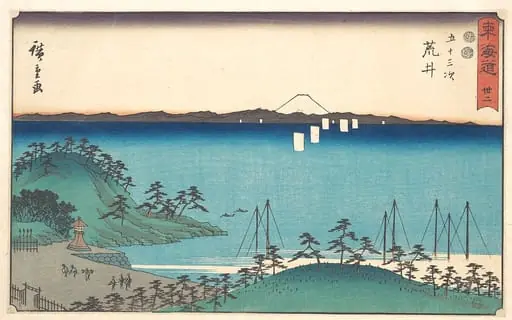 東海道五十三次 荒井|Arai
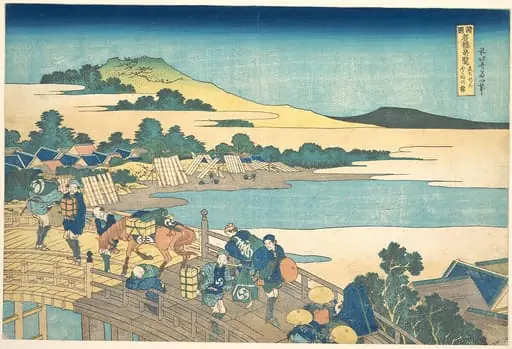 諸國名橋奇覧 ゑちぜんふくゐの橋|Fukui Bridge in Echizen Province (Echizen Fukui no hashi), from the series Remarkable Views of Bridges in Various Provinces (Shokoku meikyō kiran)