Artwork
Beautiful Lady with Lantern

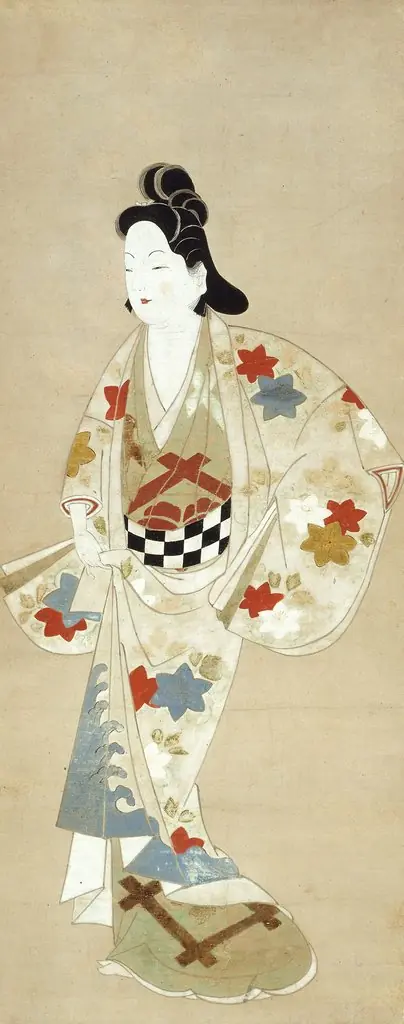
Beautiful Lady with Lantern is an unspecified painting by the Ukiyo-e artist Utagawa Toyoharu. It dates from 1790 and is held in the collection of the Los Angeles County Museum of Art.
About this work
If you're interested in learning more about Japanese art from this time period, you might want to check out the work of artist Utagawa Toyoharu.
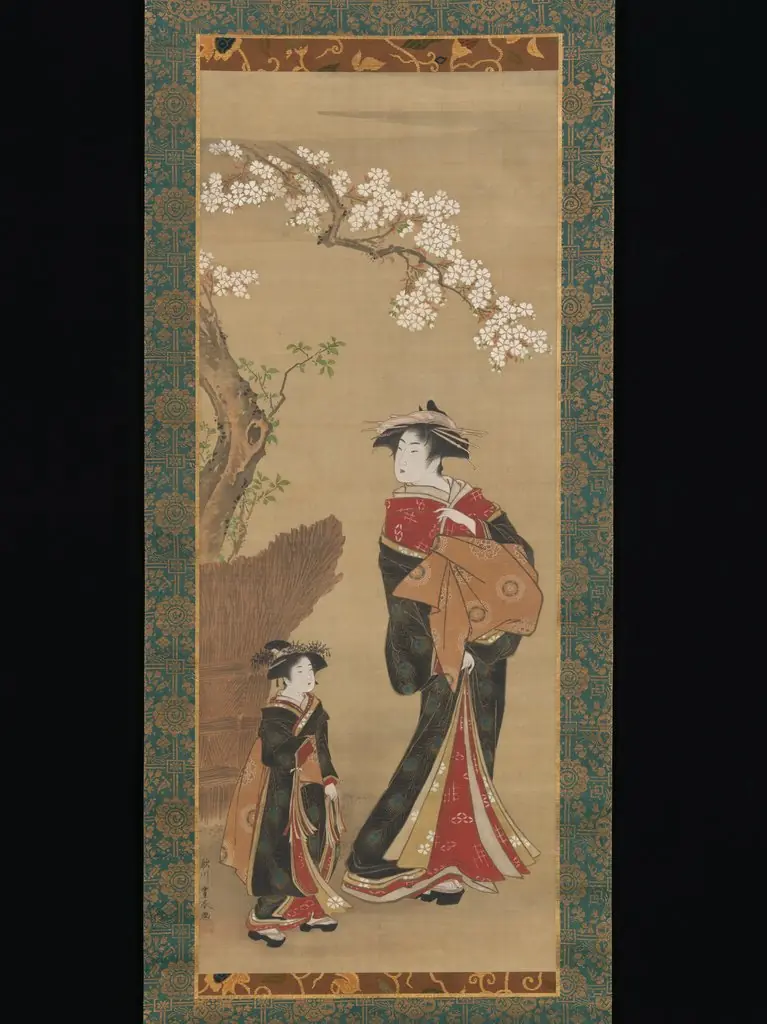
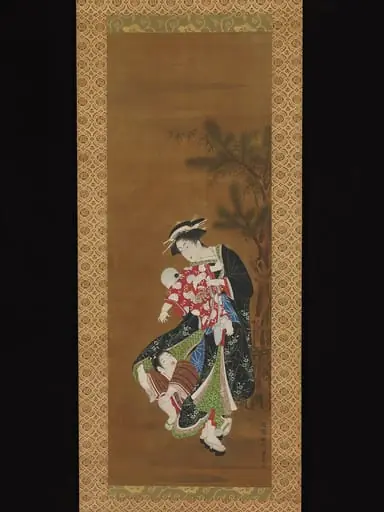
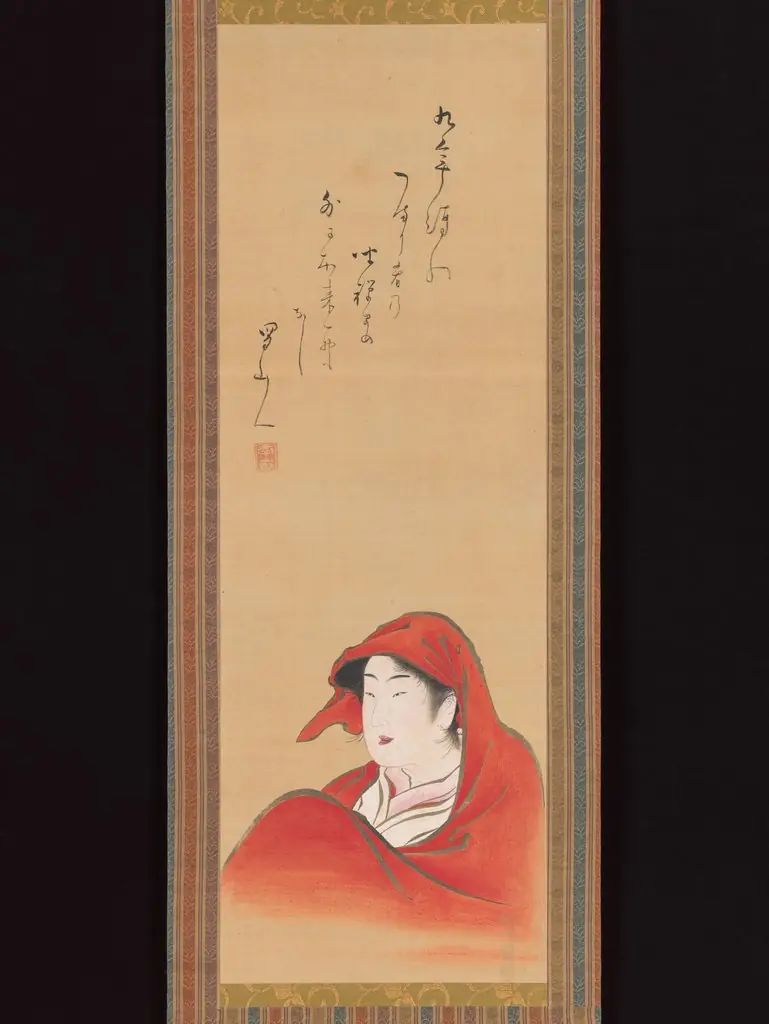
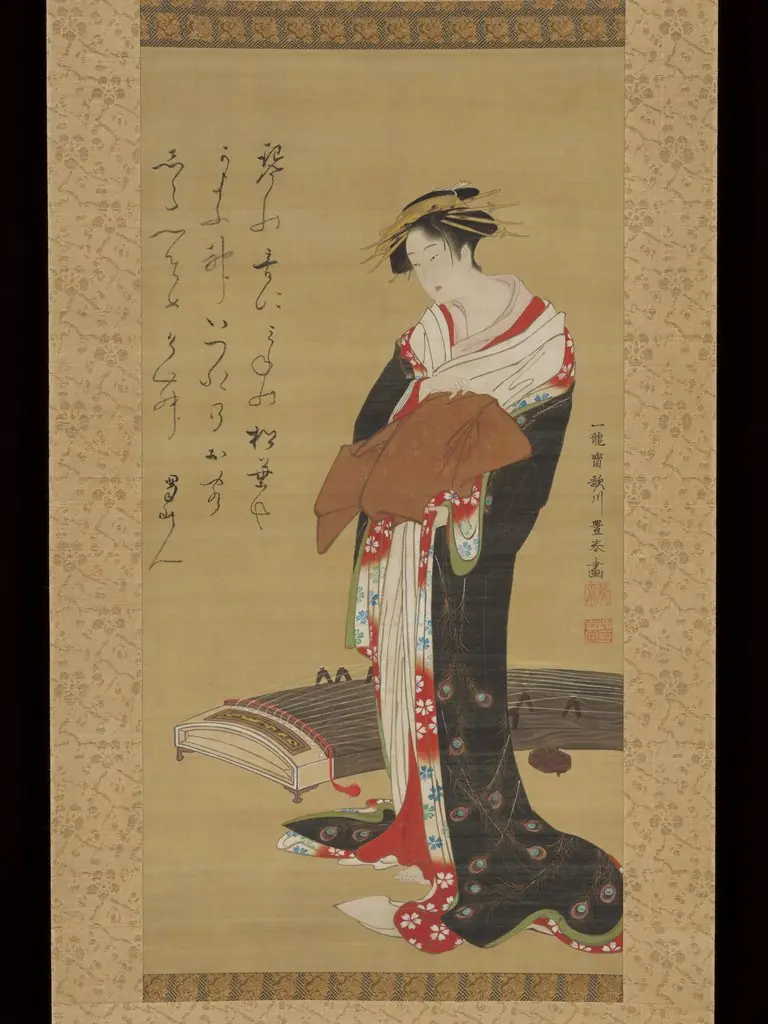
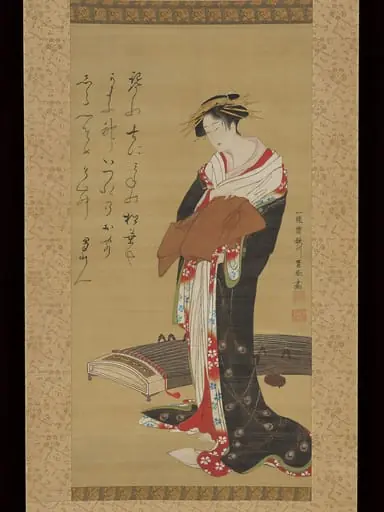
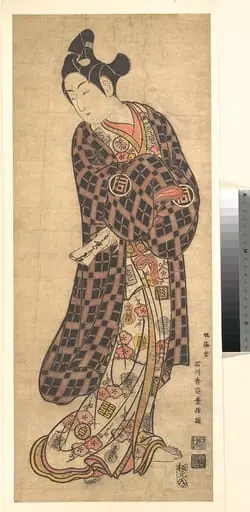
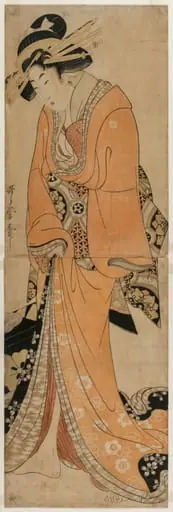
This painting shows a woman in a kimono, holding a lantern. She is wearing a black kimono with a checkered pattern and a white obi. The lantern has a white shade with pink writing on it.
The woman is standing in front of a beige background, and the painting is done in muted colors. The style is reminiscent of Japanese art from the 18th century.
If you're interested in learning more about Japanese art from this time period, you might want to check out the work of artist Utagawa Toyoharu.
Overview
Created in 1790 by Utagawa Toyoharu, this painting depicts a solitary woman holding a lantern against a neutral background. Executed in subdued tones, the work reflects the aesthetic sensibilities of late 18th-century Japanese print and painting traditions. It is part of the collection at the Los Angeles County Museum of Art, where it serves as an example of domestic imagery from the Edo period.
Subject & Meaning
The figure is a woman dressed in a black checkered kimono with a white obi, holding a lantern with pink calligraphy on its white shade. Her poised stance and modest attire suggest a quiet, nocturnal moment, possibly evoking themes of solitude or transition. The lantern, often associated with guidance or evening rituals, adds a subtle narrative layer without overt symbolism, typical of genre scenes from the period.
Technique & Style
The painting employs soft, muted pigments and delicate linework characteristic of ukiyo-e-derived painting practices. The background is intentionally plain, directing focus to the figure’s form and attire. Details like the patterned kimono and lantern inscription are rendered with precision, reflecting the influence of woodblock print aesthetics adapted into a hand-painted format.
History & Provenance
The work is attributed to Utagawa Toyoharu, a key figure in early ukiyo-e who helped transition the genre from narrative scenes to more intimate, atmospheric compositions. It entered the Los Angeles County Museum of Art’s collection through documented acquisitions, though its earlier ownership history remains largely unrecorded. Its survival as a painted work rather than a print is relatively rare.
Context
In late 18th-century Edo, depictions of women in domestic or evening settings became increasingly common, reflecting urban life’s growing interest in private moments. Toyoharu’s work, while less known than his successors, contributed to this trend by blending theatrical composition with restrained emotion. Such images catered to a rising merchant class seeking refined, non-narrative art for personal contemplation.
Legacy
Though Toyoharu is often overshadowed by later ukiyo-e masters, this painting illustrates his role in shaping the visual language of everyday life in Edo-period art. Its preservation highlights the value placed on hand-painted ukiyo-e variants, which offered collectors a more personal alternative to mass-produced prints. The work remains a quiet testament to the era’s evolving artistic priorities.
Artist & collection