Artwork
Untitled
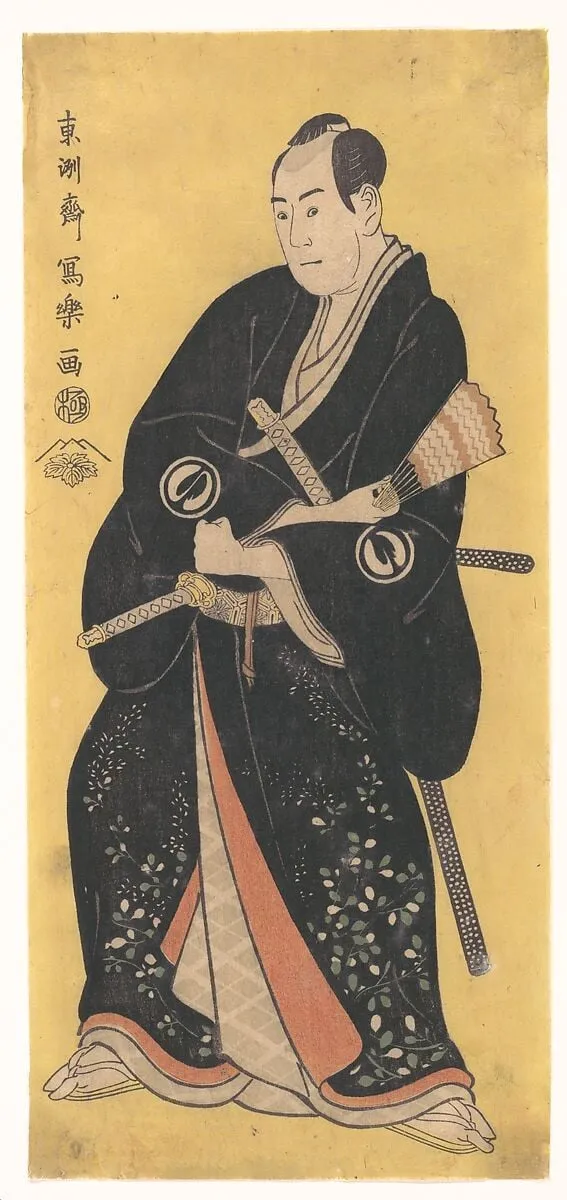
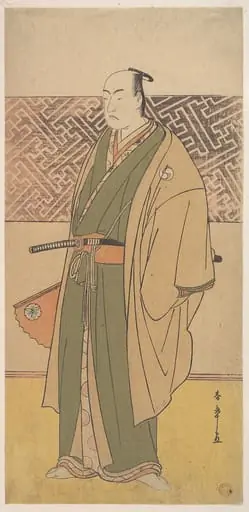
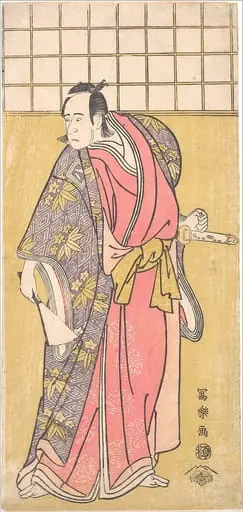
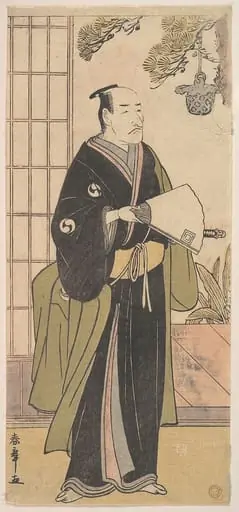
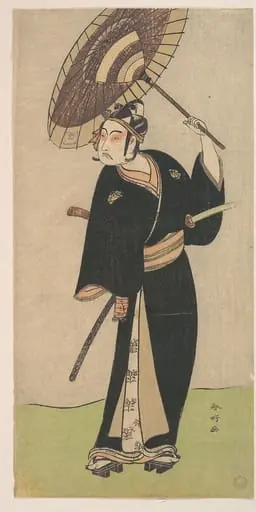
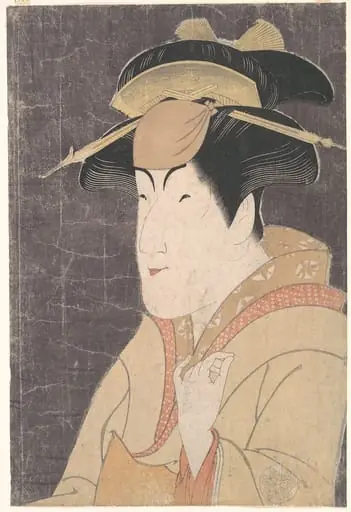
Untitled is an ink print by the Romanticist artist Tōshū. It dates from 1794 and is held in the collection of the Metropolitan Museum of Art. This woodblock print, executed in ink and color on paper, portrays a kabuki actor identified as Sawamura Sōjūrō III.
About this work
The faces he drew look almost like caricatures, but actors loved them because they showed real emotion.
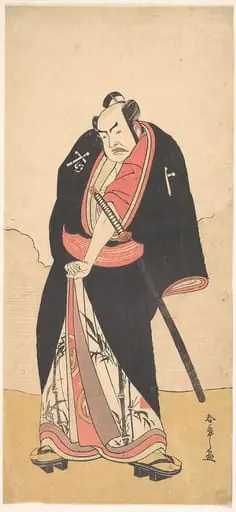
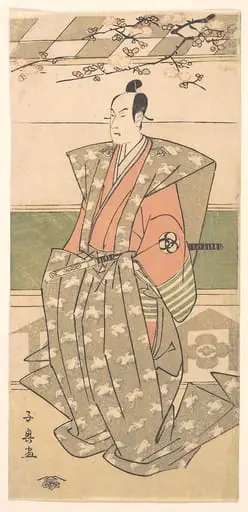
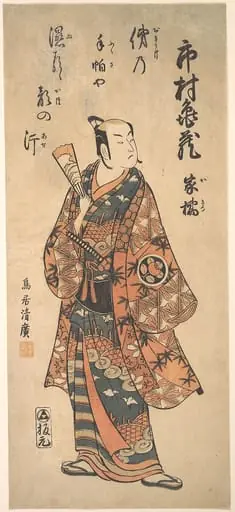
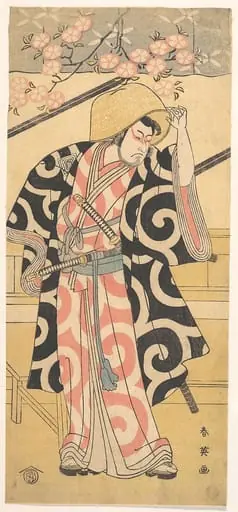
A man in a black robe grips a sword and a fan, his face twisted in a fierce scowl. The print is bold and flat, with sharp black outlines and patches of bright color.
Sharaku made these prints for kabuki theaters in 1794–95. He worked fast—only ten months—and then vanished. No one knows why. The faces he drew look almost like caricatures, but actors loved them because they showed real emotion.
If you like this, look up the subject of actors in Japanese prints.
Overview
This woodblock print, executed in ink and color on paper, portrays a kabuki actor identified as Sawamura Sōjūrō III. Rendered in the distinctive style of Tōshūsai Sharaku, the image dates from 1794 and presents the figure in a black robe, holding a sword and a hand‑fan while displaying a fierce expression.
Subject & Meaning
The composition centers on the actor in a dramatic pose, his clenched jaw and narrowed eyes suggesting intense emotion typical of kabuki performance. The inclusion of the fan and sword references the character’s role onstage, emphasizing both martial and theatrical elements.
Technique & Style
Sharaku’s approach employs bold, flat areas of color bounded by sharp black outlines, creating a graphic intensity. The exaggerated facial features and stark contrasts give the portrait a near‑caricature quality, yet retain a sense of immediacy that captures the actor’s expressive power.
History & Provenance
The print belongs to a brief series produced by Sharaku for Edo’s kabuki theatres between 1794 and 1795. Sharaku’s career lasted only ten months before he disappeared from the record, leaving his works shrouded in mystery.
Context
During the late eighteenth century, ukiyo‑e artists frequently depicted popular actors, catering to theatre‑going audiences. Sharaku’s portraits stood out for their psychological depth, offering viewers a more realistic glimpse of stage personas than the more decorative conventions of his contemporaries.
Artist & collection


 Untitled
 Untitled
 Untitled
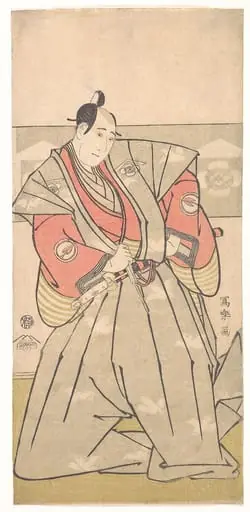 Untitled
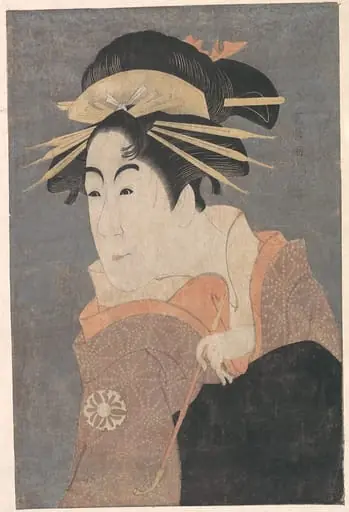
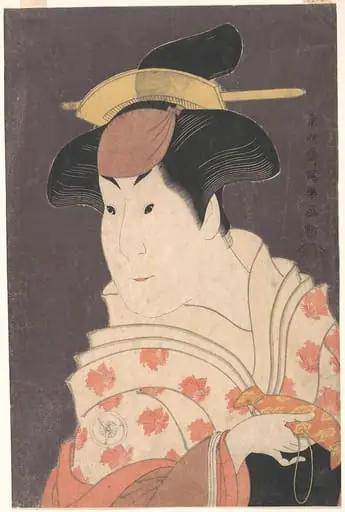 東洲斎写楽画 四代岩井半四郎の重の井 『恋女房染分手綱』|Iwai Hanshirō IV as Shigenoi in the Play "Koinyōbō Somewake Tazuna"
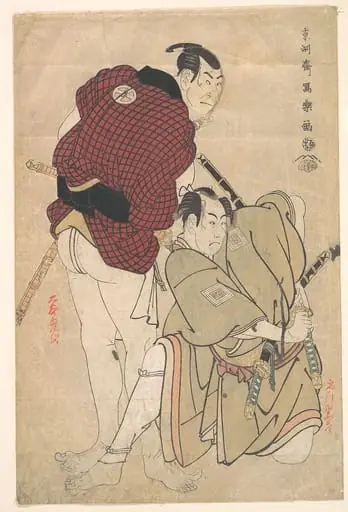
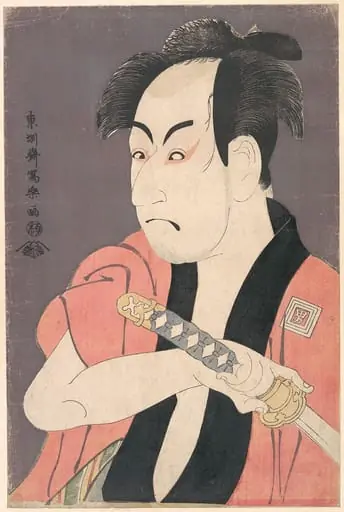 東洲斎写楽画 初代市川男女蔵の奴一平 『恋女房染分手綱』|Ichikawa Omezō I in the Role of Yakko Ippei from the Play "Koinyōbō somewake tazuna"
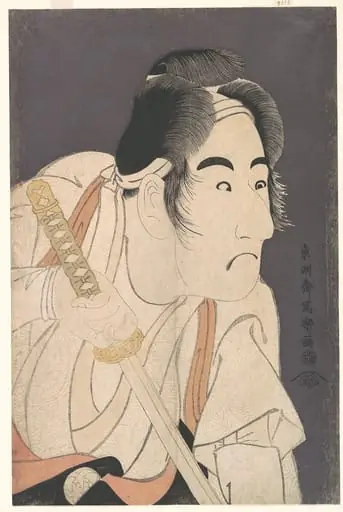 東洲斎写楽画 二世坂東三津五郎の石井源蔵 『花菖蒲文禄曽我』|Bandō Mitsugorō II as Ishii Genzō in the Play "Hana-ayame Bunroku Soga"
 Untitled