Artwork
Peisaj
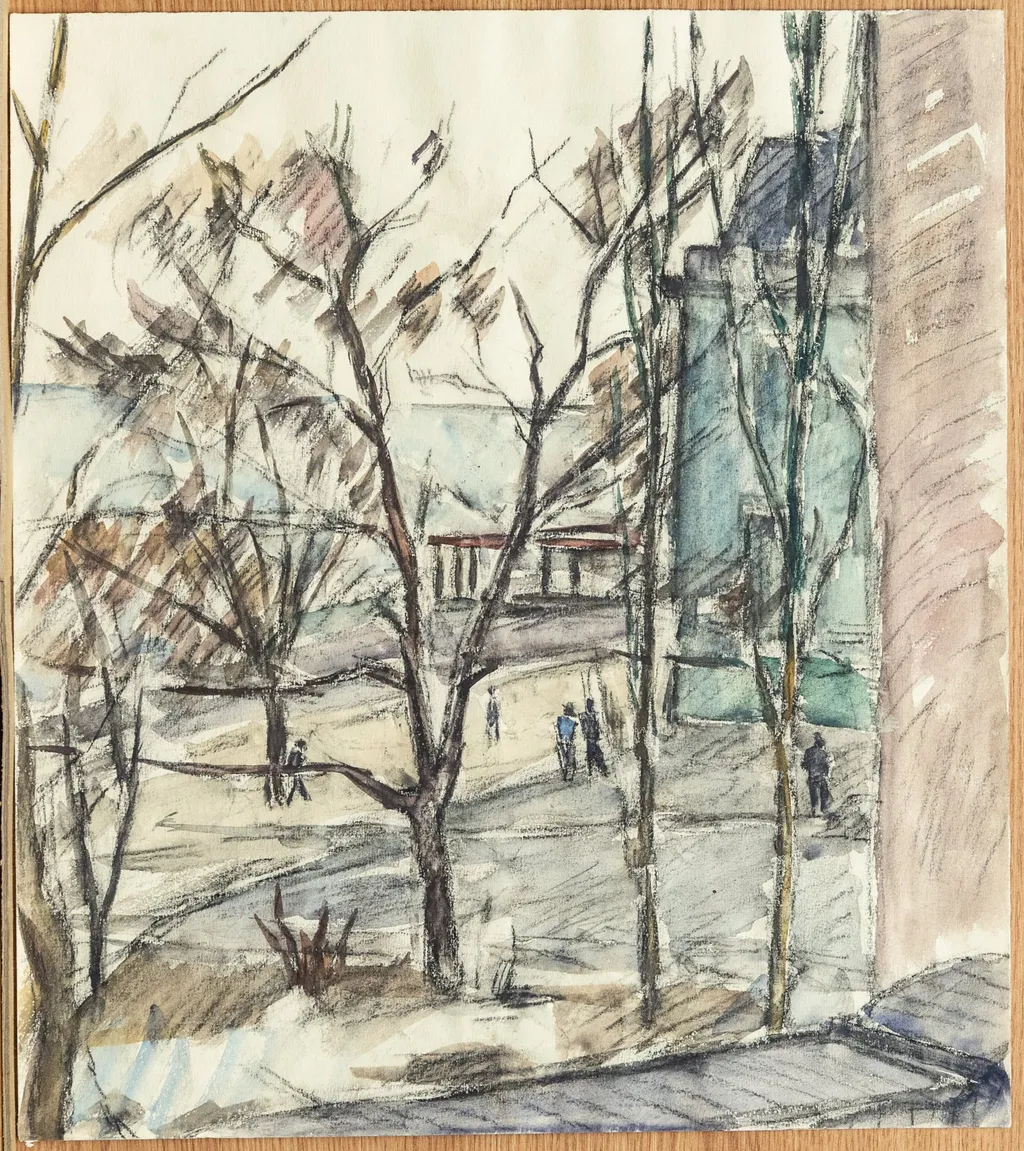
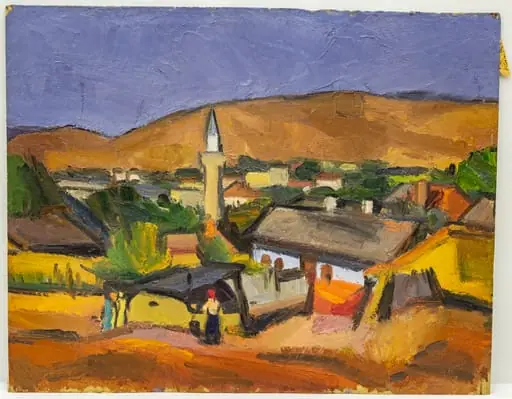
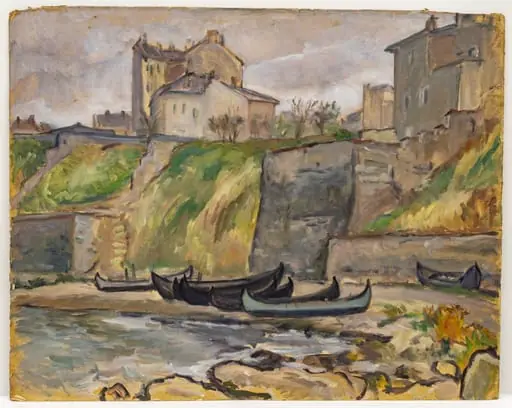
Peisaj is a print by Vărzaru Mircea. It dates from 1950 and is held in the collection of the Gavrila Simion Eco-Museum Research Institute Tulcea.
About this work
Overview
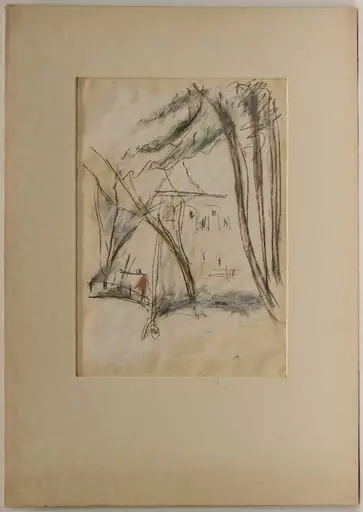
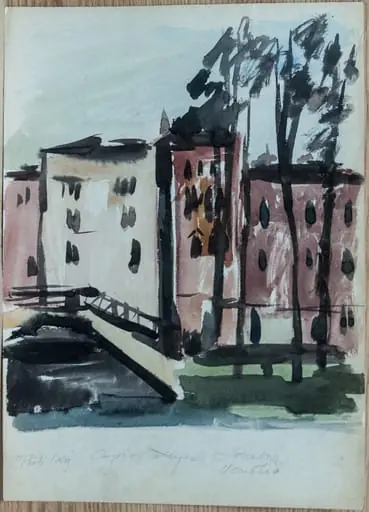
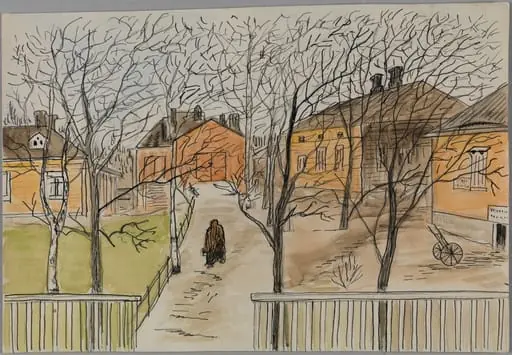
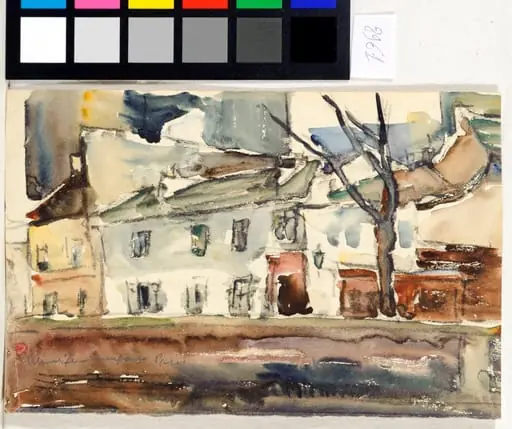
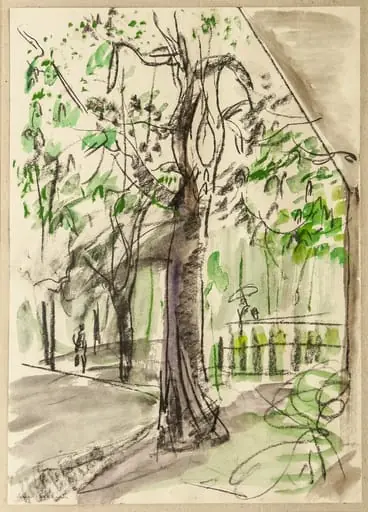
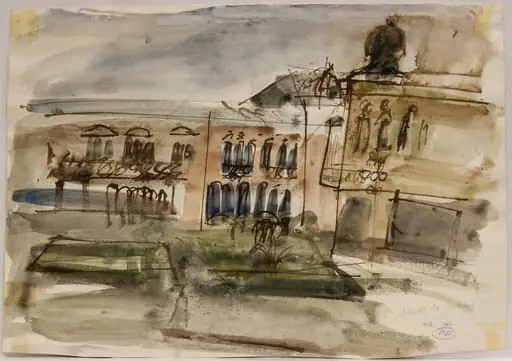
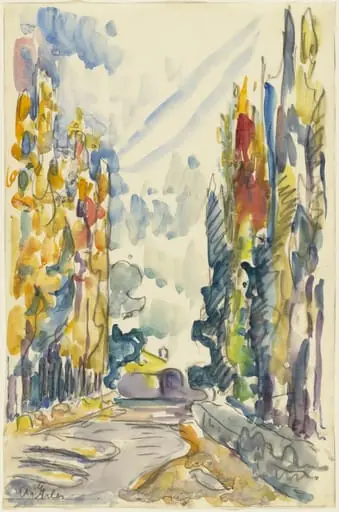
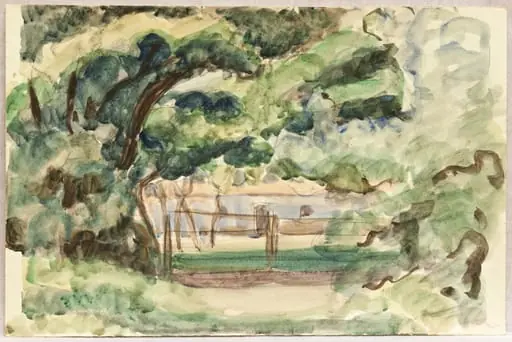
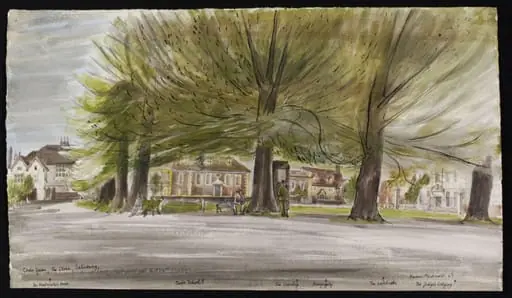
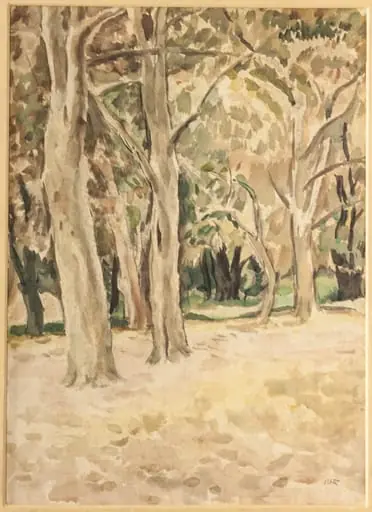
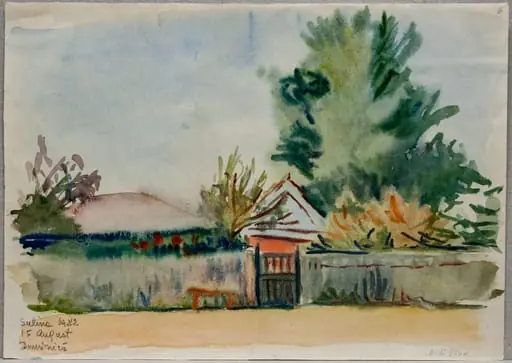
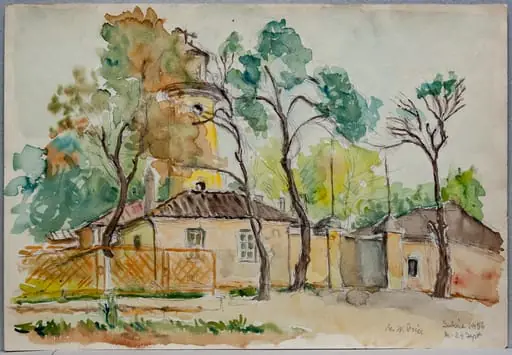
Peisaj, dated around 1950, is a landscape painting by Romanian artist Vărzaru Mircea. It resides in the collection of the Museum of Ethnography. The work presents a subdued urban scene, rendered with minimal detail and restrained tonality. Its quiet atmosphere and loose brushwork suggest a moment of stillness, capturing the transitional quality of early winter rather than a specific location.
Subject & Meaning
The painting depicts a quiet cityscape with bare trees, a winding path, and low buildings receding into the distance.
The painting depicts a quiet cityscape with bare trees, a winding path, and low buildings receding into the distance. Human figures are present but small and indistinct, emphasizing solitude over narrative. The absence of vibrant color or dramatic light suggests introspection, possibly reflecting postwar austerity or a personal contemplation of place and time rather than a celebration of the urban environment.
Technique & Style
Vărzaru employed rapid, linear strokes to suggest the gnarled branches and textured ground, avoiding polished finish in favor of implied motion. The palette remains muted—cool grays, pale blues, and soft browns—creating harmony without focal points. The brushwork feels spontaneous, as if the scene was recorded quickly from observation, prioritizing atmosphere over precision or detail.
History & Provenance
Created circa 1950, Peisaj entered the collection of the Museum of Ethnography in Romania, likely through acquisition or donation during the early decades of the state’s cultural institutionalization. Its preservation there indicates recognition within national artistic circles, though public documentation of its early exhibition history remains limited.
Context
In the early 1950s, Romanian art was increasingly shaped by state-sanctioned realism, yet Vărzaru’s work resists overt political messaging. Peisaj’s quietude and informal style align more closely with regional modernist tendencies that valued personal observation over ideological representation, offering a quiet counterpoint to the era’s dominant aesthetic norms.
Legacy
Peisaj remains a representative example of Vărzaru Mircea’s understated approach to landscape. While not widely exhibited beyond institutional holdings, it contributes to a broader understanding of Romanian modernism that valued subtlety and emotional restraint. The work continues to be referenced in studies of postwar Romanian painting that prioritize individual expression over state-imposed themes.
Artist & collection
Artist
This Romanian artist made prints and paintings of eastern landscapes and village scenes in the mid-20th century.
Museum
Gavrila Simion Eco-Museum Research Institute Tulcea
Continue through works from the same source collection.