Artwork
Pembroke Castle
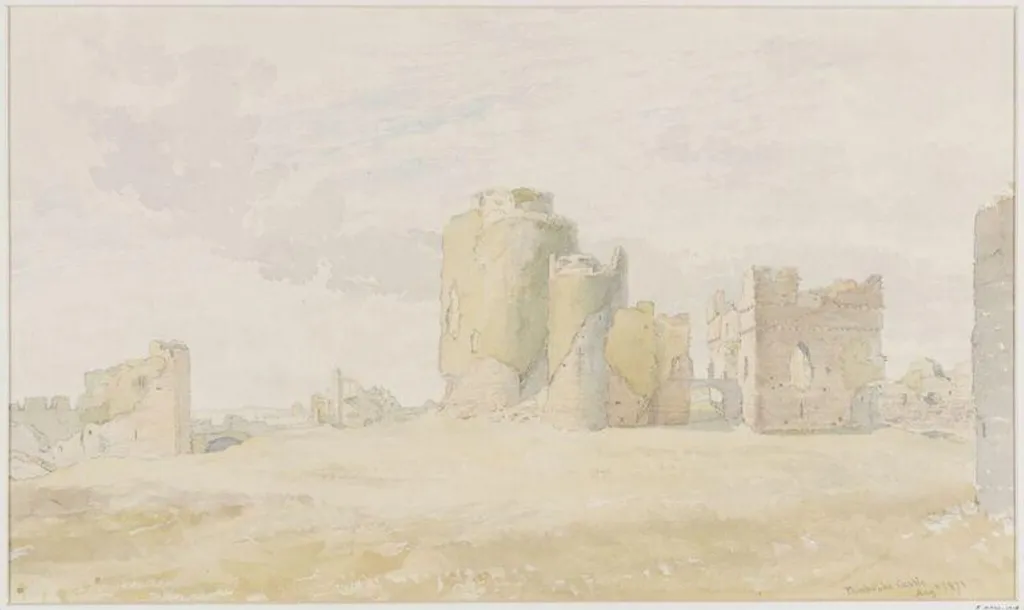
Pembroke Castle is a watercolor work on paper by the Impressionist artist Thomas Brittain Vacher. It dates from 1871 and is held in the collection of the Victoria and Albert Museum.
About this work
Overview
Thomas Brittain Vacher created this 1871 watercolour as a quiet record of Pembroke Castle in its state of gradual decay. The work captures the ruins not as a grand monument, but as a quiet, weathered presence nestled within wild vegetation. The medium’s transparency enhances the sense of erosion, with pale washes suggesting both the aged stone and the hazy atmosphere of the Welsh landscape.
Subject & Meaning
The painting centers on the castle’s fragmented walls, where stone and brick show signs of long-term neglect. Overgrown shrubs and dry, sandy earth surround the structure, emphasizing nature’s reclamation of human architecture. There is no human presence, and the absence of activity invites contemplation of time’s passage rather than historical narrative or heroism.
Technique & Style
Vacher employed loose, fluid brushwork and diluted pigments to evoke a sense of atmospheric softness. The watercolour’s translucency allows underlying paper to show through, mimicking the porous texture of weathered masonry. Delicate gradations in tone suggest fading light and the subtle shifts between sunlit and shaded surfaces, reinforcing the scene’s stillness.
History & Provenance
The painting was completed in 1871, during a period when antiquarian interest in medieval ruins was growing among British artists and collectors. While its early ownership is undocumented, its survival in public collections suggests it was valued as a representative example of 19th-century topographical watercolour, rather than as a major artistic statement.
Context
Vacher’s depiction aligns with a broader 19th-century trend of portraying ruins as poetic remnants rather than architectural achievements. This approach reflected Romantic sensibilities and a fascination with entropy, contrasting with earlier, more idealized views of castles. The work belongs to a genre that prioritized mood over accuracy, capturing emotional resonance over archaeological detail.
Legacy
Though not widely exhibited, the painting contributes to a body of work that helped shape how Victorian audiences perceived historical decay. Its quiet tone and restrained technique influenced later topographical artists who favored subtle observation over dramatic effect. It remains a modest but thoughtful example of watercolour’s capacity to convey time’s quiet erosion.
Artist & collection
Artist
This guy painted watercolors like he was racing the sunset—sketching castles, cliffs, and crumbling ruins before the light ran out.

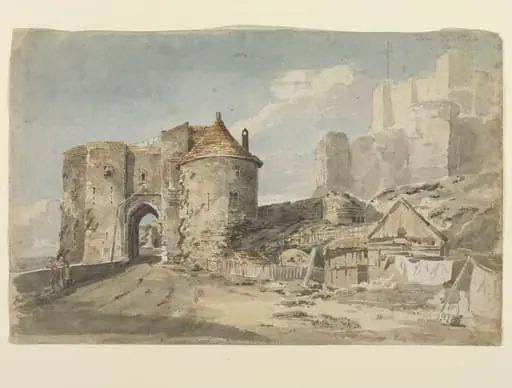 Peverell's Gateway, Dover Castle
![Deserted Tin-Mine, Cornwall. [ 1938 ], by Hardie](https://artifactworldgallery.com/img/hardie--deserted-tin-mine-cornwall-1938--abfeba7bb57d1e54-w320.webp) Deserted Tin-Mine, Cornwall. [ 1938 ]
Deserted Tin-Mine, Cornwall. [ 1938 ]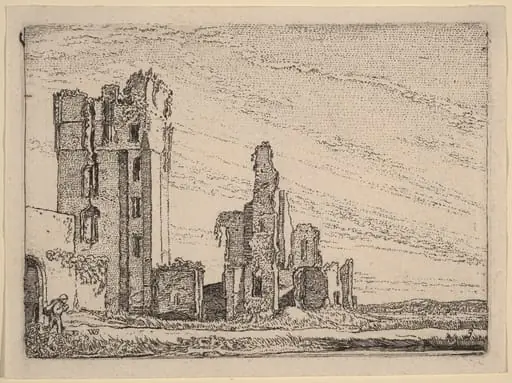 Two Ruins (Huys te Kleef near Haarlem)
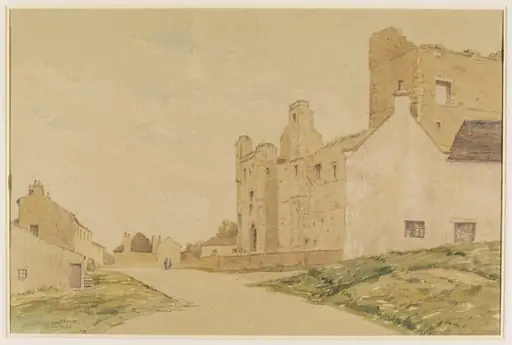 Middleham Castle
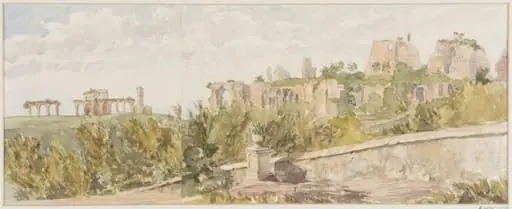
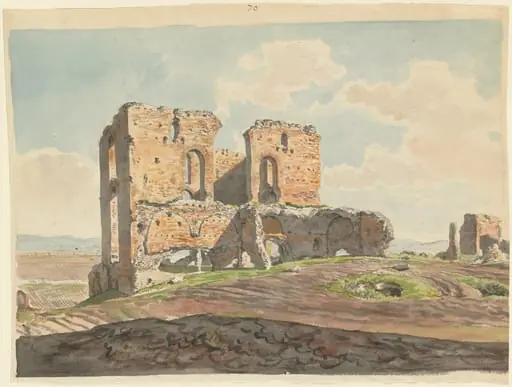 The Great Villa of the Quintilii on the Appian Way
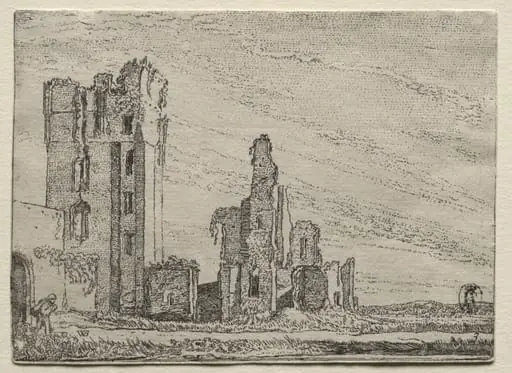 Ruins of the Castle Huys Te Kleef near Haarlem
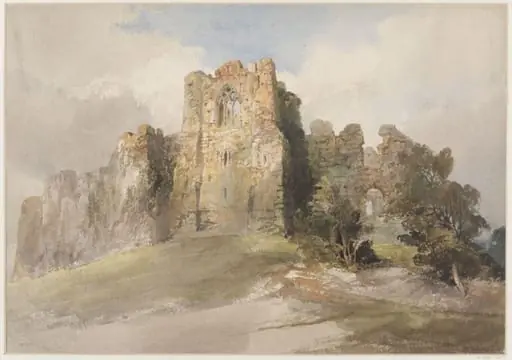 Untitled
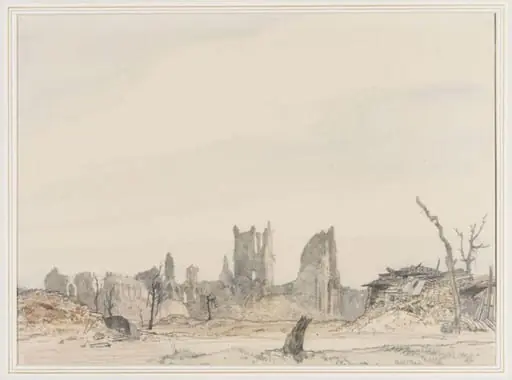 Ypres
Ypres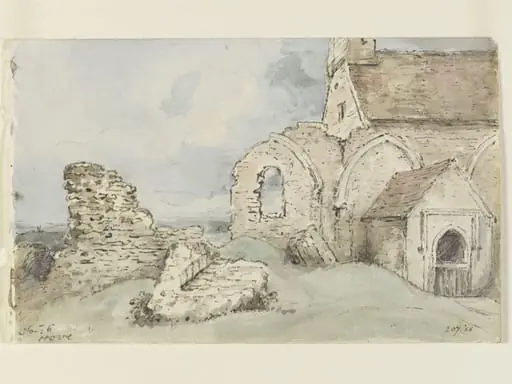 The Old Parish Church at Hove
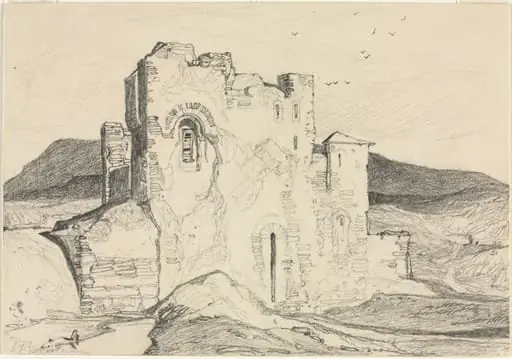 A Castle in Normandy
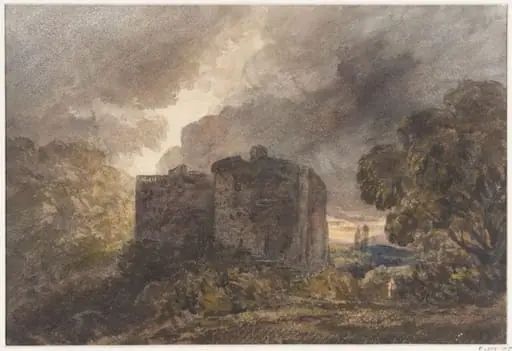 Landscape with Ruined Castle