Artwork
The Drachenfals, Rhine
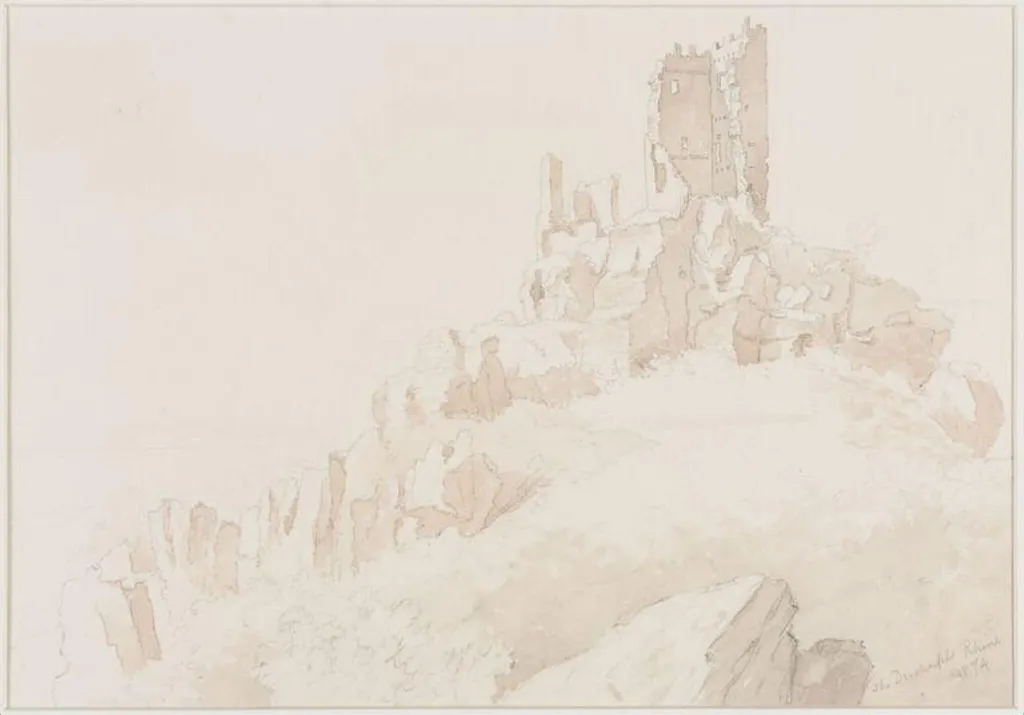
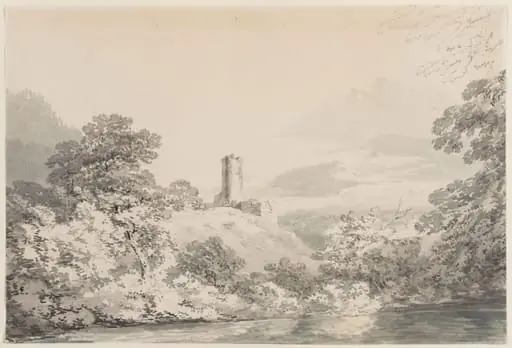
The Drachenfals, Rhine is a watercolor work on paper by the Impressionist artist Thomas Brittain Vacher. It dates from 1874 and is held in the collection of the Victoria and Albert Museum. This watercolour portrays the Drachenfels, a rocky hill on the Rhine River, crowned by the remains of a medieval castle.
About this work
Overview
This watercolour portrays the Drachenfels, a rocky hill on the Rhine River, crowned by the remains of a medieval castle. Rendered in delicate washes and soft lines, the composition emphasizes the hill’s natural contours and the tower’s weathered silhouette. The light palette and restrained brushwork evoke quiet contemplation, balancing the ruin’s decay with the calm of the landscape.
Subject & Meaning
The subject is the Drachenfels ruin, a site long associated with legend and Romantic-era nostalgia. Its solitary tower, stripped of function, suggests the passage of time and the fading of feudal power. The absence of human figures or activity invites reflection on memory and impermanence, aligning with 19th-century ideals that found beauty in decay.
Technique & Style
The artist employed transparent watercolour washes to suggest atmospheric depth and subtle shifts in light. Fine detailing in the rock textures and fractured stonework reveals close observation, while the soft edges and muted tones avoid dramatic contrast. The technique prioritizes mood over narrative, using minimal strokes to convey texture and structure.
History & Provenance
The work is held by the Victoria and Albert Museum, acquired as part of its 19th-century British watercolour collection. Its origin is likely tied to amateur or professional artists traveling the Rhine during the Romantic period, drawn to its historic ruins and scenic vistas. No specific artist is recorded in the museum’s public documentation.
Context
During the early 1800s, the Rhine Valley became a popular subject for artists and writers seeking sublime landscapes intertwined with medieval history. The Drachenfels, with its legends of dragons and knights, was frequently depicted in prints and watercolours, reflecting a broader cultural fascination with ruins as symbols of lost grandeur.
Legacy
This watercolour contributes to a visual archive of Rhine ruins that shaped European perceptions of history and nature. Though not widely known today, it exemplifies the quiet, observational approach of amateur watercolourists who documented landscapes with sensitivity, preserving sites now altered or lost to time.
Artist & collection
Artist
This guy painted watercolors like he was racing the sunset—sketching castles, cliffs, and crumbling ruins before the light ran out.

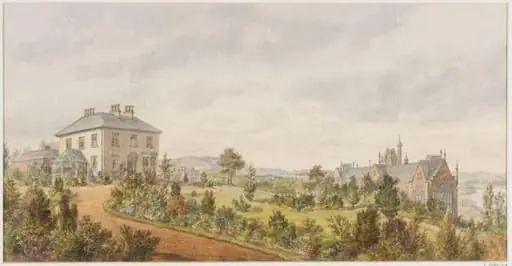
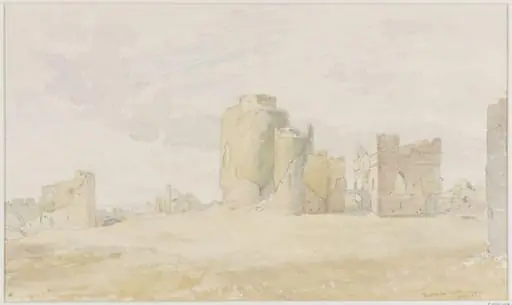
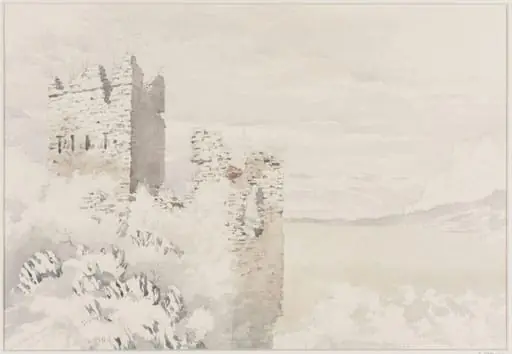 Castle of Unspunnen, Switzerland
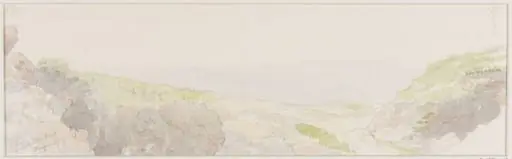 Tenby, from Giltar Point
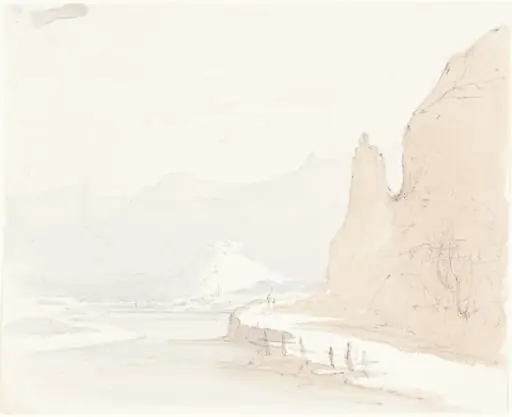 Swiss Landscape with a Village in the Distance
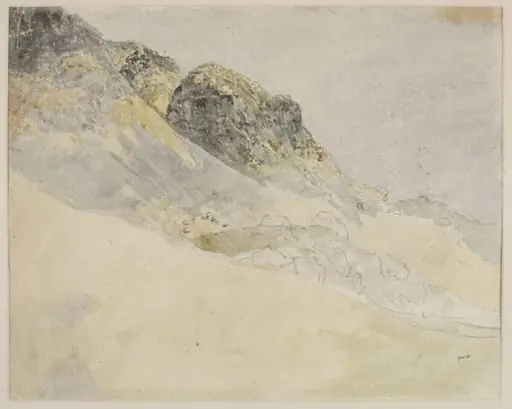 Untitled
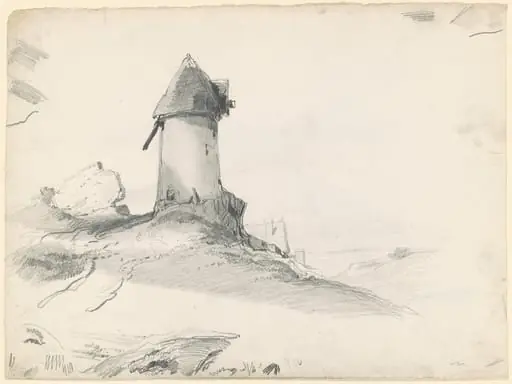 Landscape with Mill
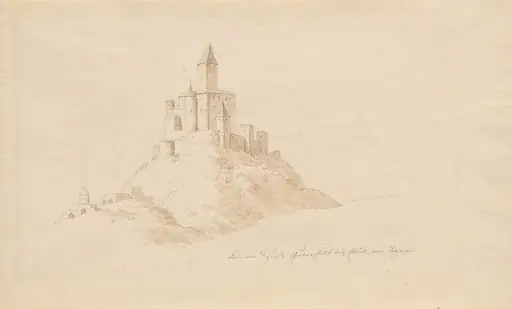 Das alte Schloss Gutenfeis bei Caub am Rhein
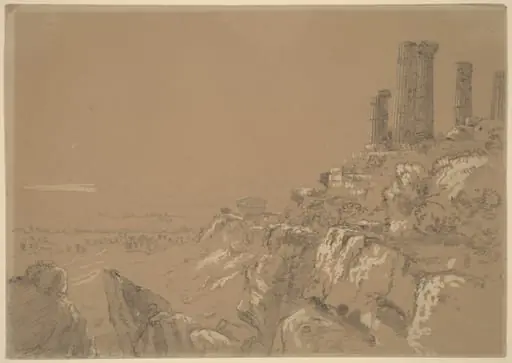 Temples of Juno, Lucina, and Concordia - Agrigentum, Sicily
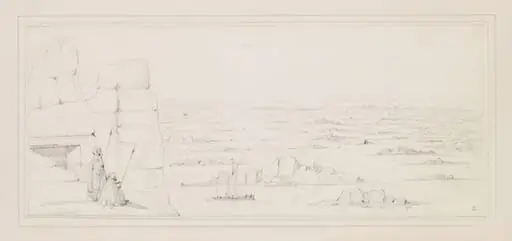 Cataracts of Nubia - Looking North
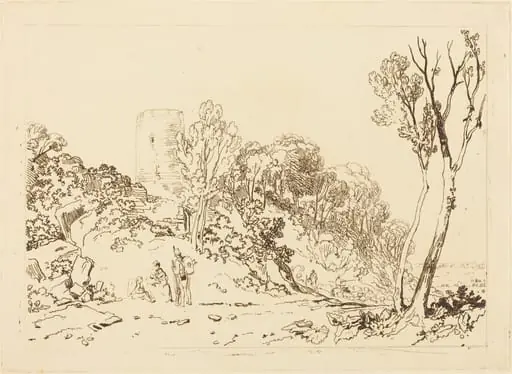 Winchelsea, Sussex
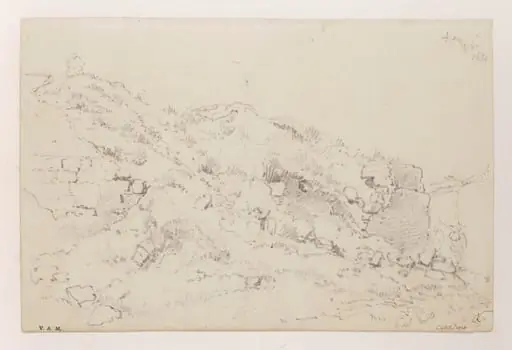 A hillside with ruined masonry
 Landscape with tower on a rock