Artwork
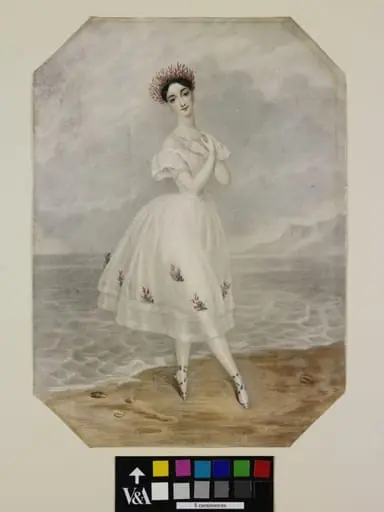
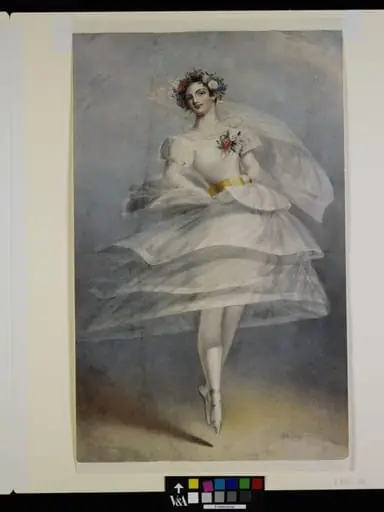
Mademoiselle Cerrito
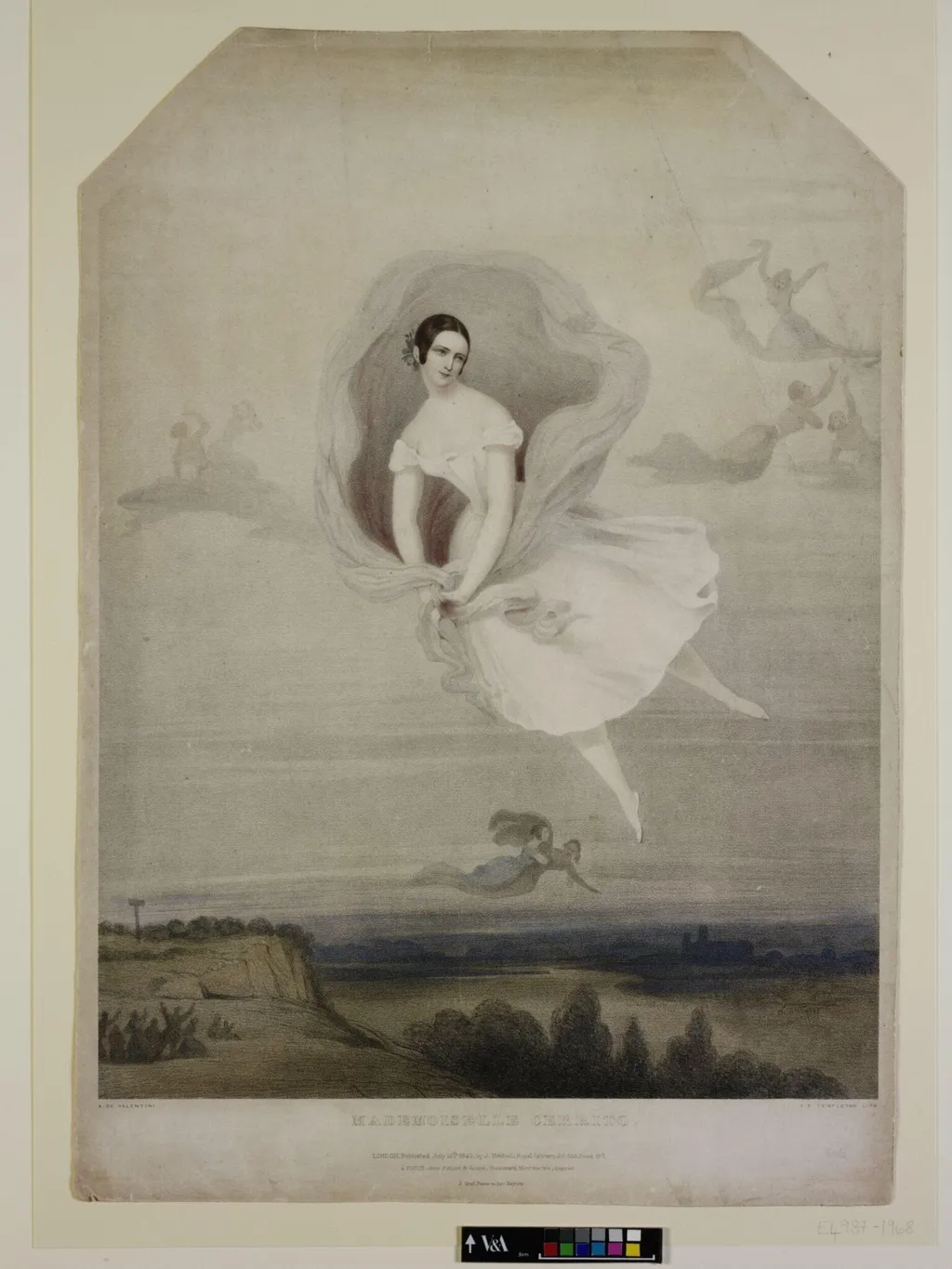
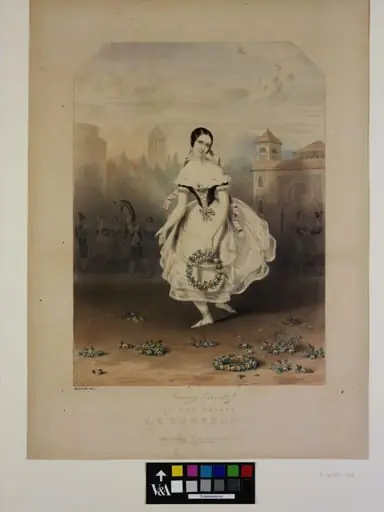
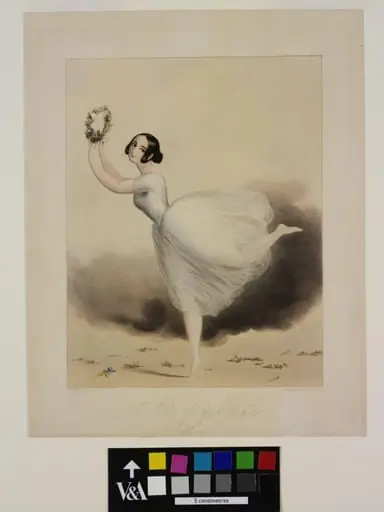
Mademoiselle Cerrito is a print by the Romanticist artist A. de Valentini. It dates from 11 and is held in the collection of the Victoria and Albert Museum.
About this work
Critics mixed reviews—some called it pantomime fluff, yet Cerrito wowed crowds with her flying jumps.
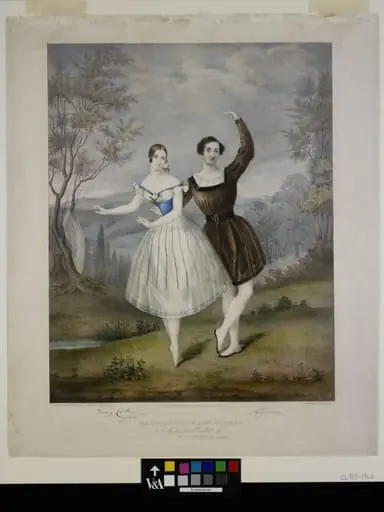
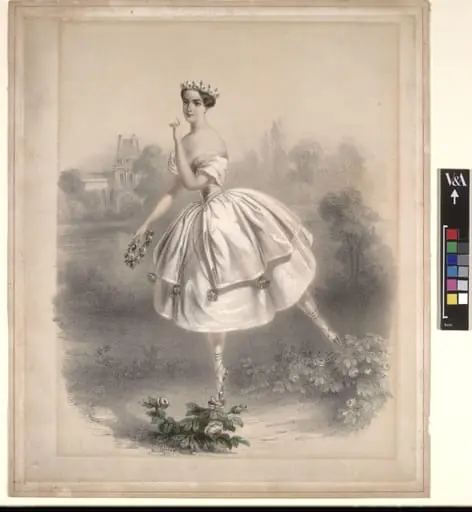
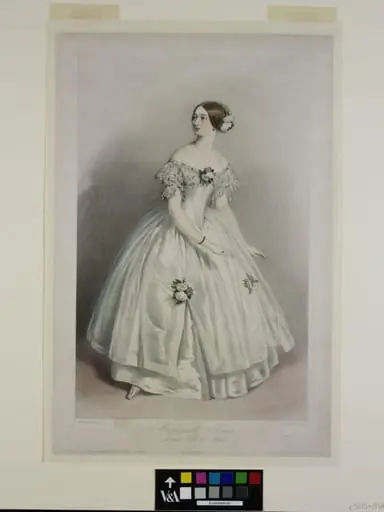
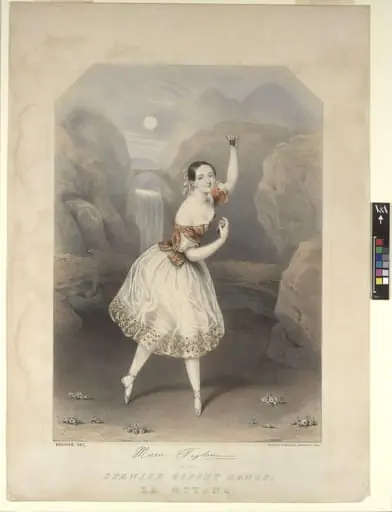
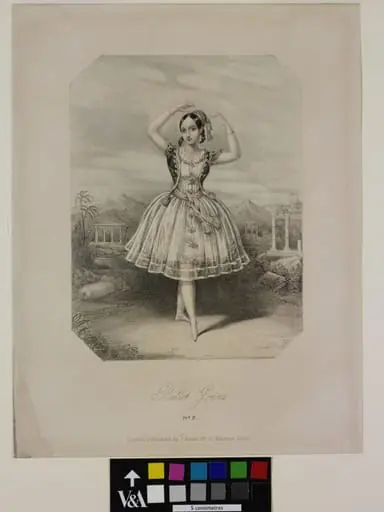
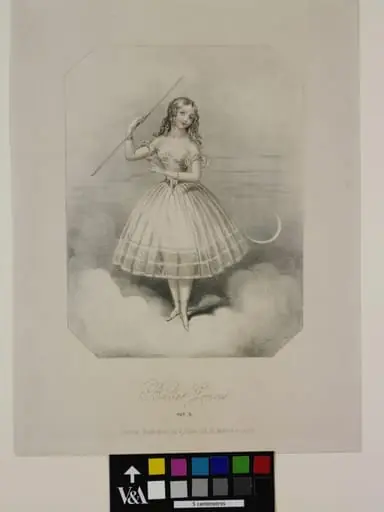
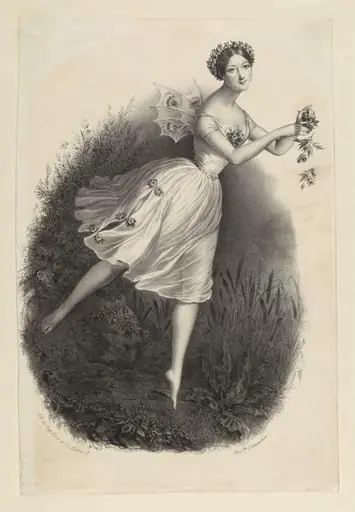
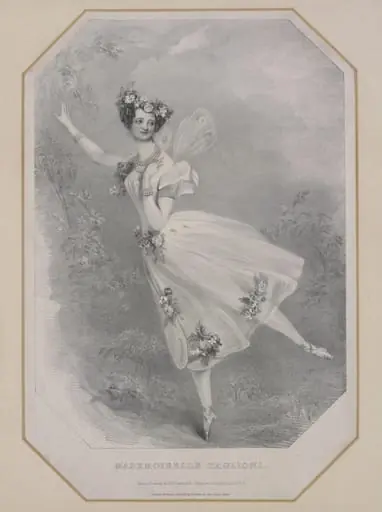
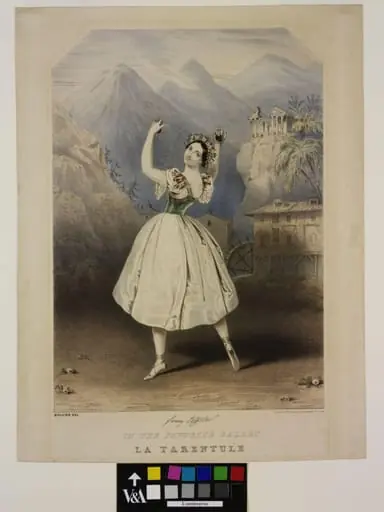
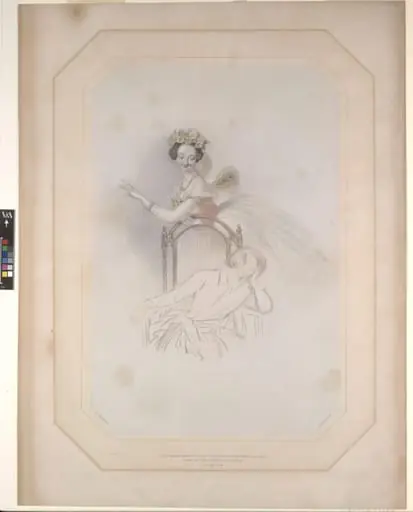
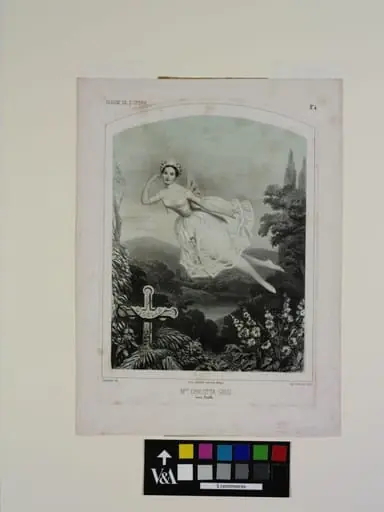
A print from 1840 shows a famous ballet scene by Fanny Cerrito. It records the London premiere of *Le Lac des fées*, where swans turn into fairies on stage. Critics mixed reviews—some called it pantomime fluff, yet Cerrito wowed crowds with her flying jumps.
Cerrito danced the fairy Zéïla, whose scarf held her immortality. Reviewers raved about her lightness in the air. The print captures one moment from that night.
Look up the Victoria and Albert Museum next.
Overview
This 1840 print depicts a moment from the London premiere of the ballet Le Lac des fées, featuring the Italian dancer Fanny Cerrito in the role of Zéïla. Created to commemorate her debut in the city, the image captures a key scene from the production, where enchanted swans transform into ethereal fairies. Though the choreography drew mixed critical responses, Cerrito’s performance became the focal point of public attention.
Subject & Meaning
The scene illustrates the mythic narrative of Zéïla, a fairy whose immortality is bound to a stolen scarf. Her presence among the transformed swans symbolizes the fragile boundary between the natural and the supernatural. The ballet’s plot, centered on love and loss through magical means, reflected Romantic-era fascination with the unseen world, with Cerrito embodying its elusive spirit.
Technique & Style
The print employs fine line work and delicate shading to convey movement and weightlessness, mirroring the dancer’s reputation for aerial grace. Background elements are simplified, directing focus to the central figure. The composition emphasizes verticality and fluttering drapery, enhancing the illusion of flight, consistent with contemporary print conventions for theatrical subjects.
History & Provenance
The print was produced shortly after the ballet’s debut at London’s Theatre Royal, Drury Lane, in 1840. It served as a commercial souvenir, capitalizing on Cerrito’s sudden fame. Though the full production was short-lived, the image endured as a record of her breakthrough performance, later entering museum collections as a document of 19th-century dance culture.
Context
Le Lac des fées emerged during a period when ballet was shifting from courtly spectacle to narrative-driven theater. Productions often relied on supernatural themes and elaborate costumes to attract audiences. While critics dismissed its effects as theatrical clichés, public enthusiasm for dancers like Cerrito signaled a growing appreciation for technical virtuosity and emotional expression on stage.
Legacy
Though the ballet itself faded from repertory, Cerrito’s performance left a lasting impression on dance history. Her ability to convey weightlessness redefined expectations for female dancers, influencing choreographic approaches in subsequent decades. The print remains a tangible artifact of this transition, preserving the visual language of Romantic ballet’s most celebrated physical ideals.
Artist & collection
Artist
Amedeo de Valentini was the kind of guy who kept a tiny print of a ballerina in his pocket for twenty years.