Artwork
Untitled
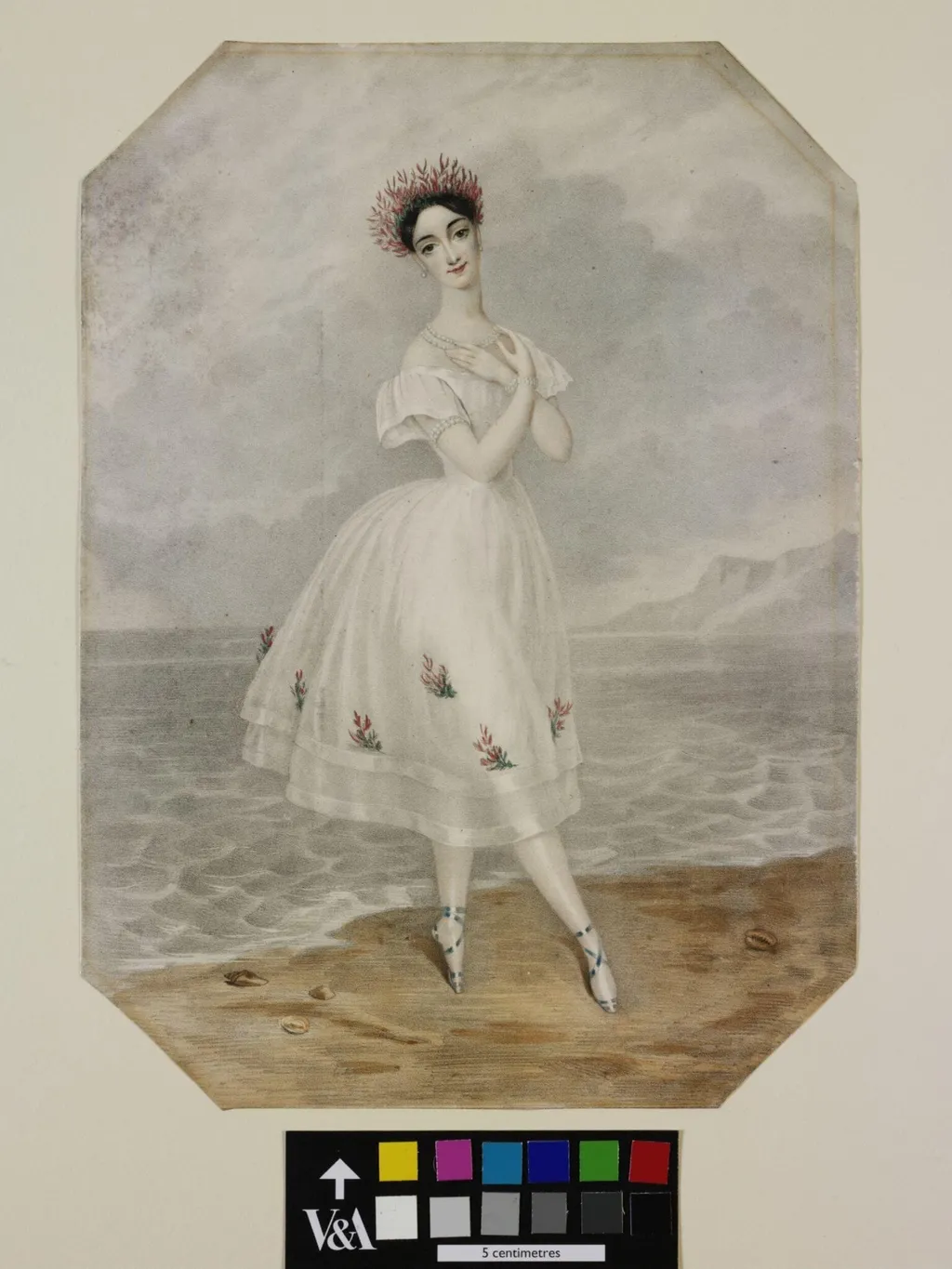
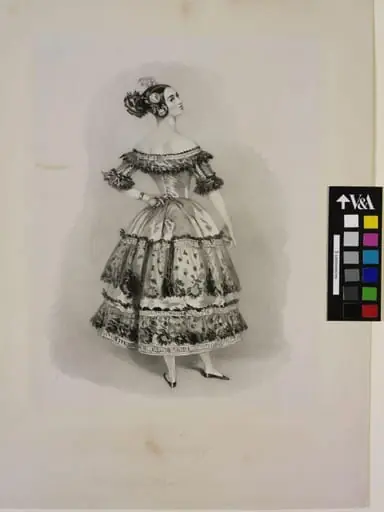
Untitled is a print by the Romanticist artist Novello. It dates from 1833 and is held in the collection of the Victoria and Albert Museum.
About this work
The print is titled Untitled by Novello from 1833.
It's related to the ballet The Sleeping Beauty.
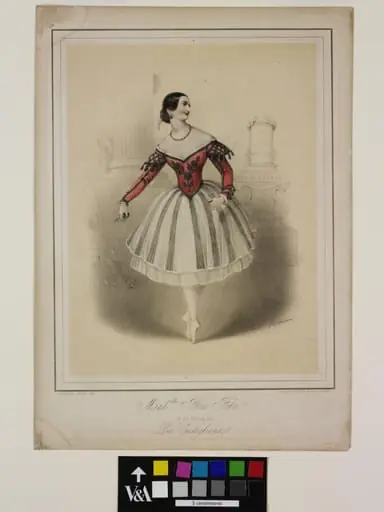
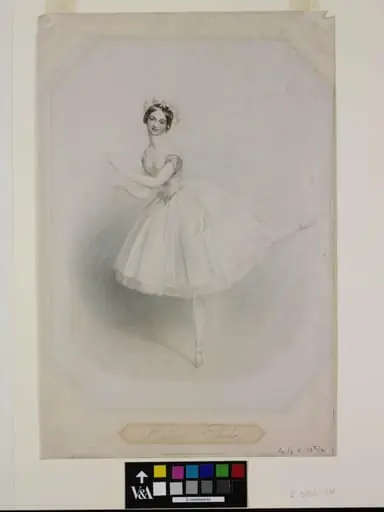
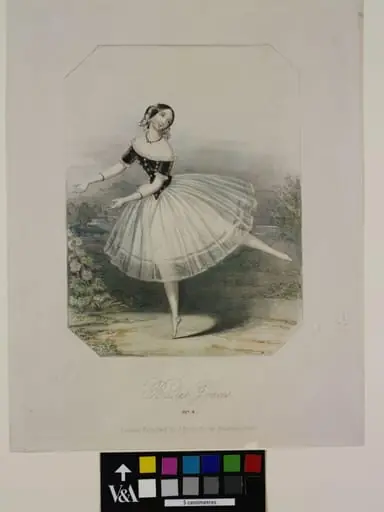
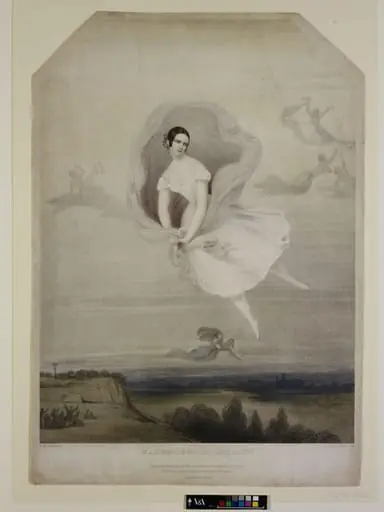
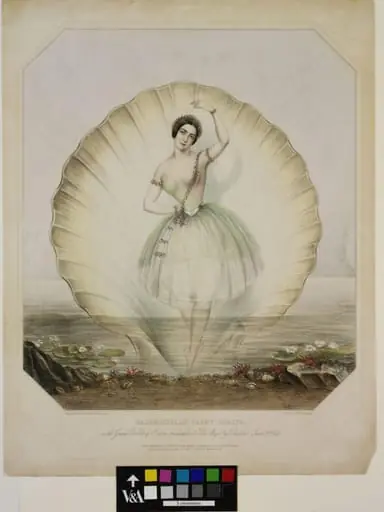
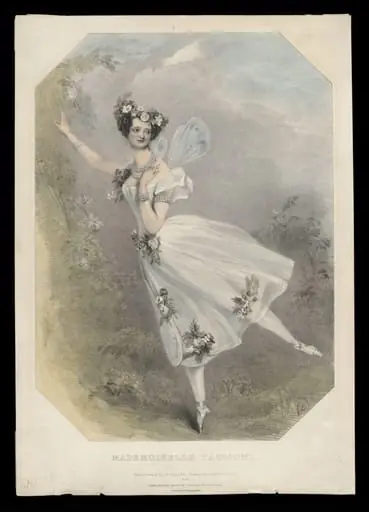
The ballet featured Pauline Duvernay, a popular ballerina at the time, and her performance was so well-received that prints of her in the ballet were made, showing her as a water nymph.
You can learn more about this style of art at the movement: Romanticism.
Overview
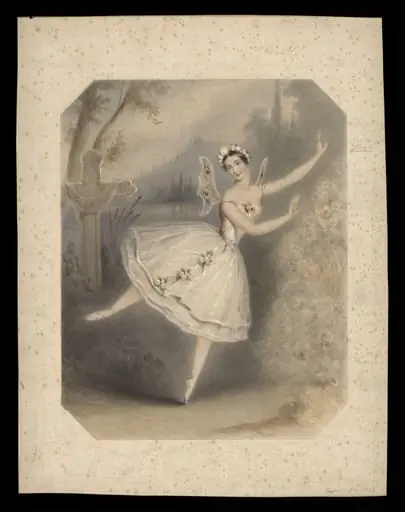
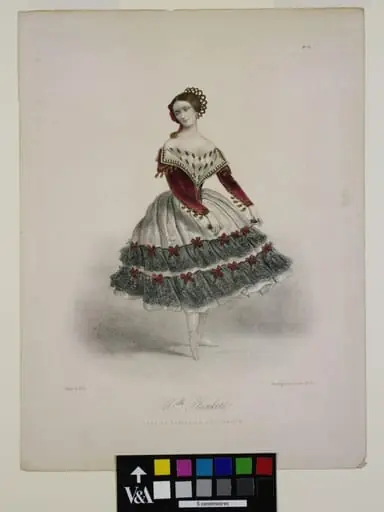
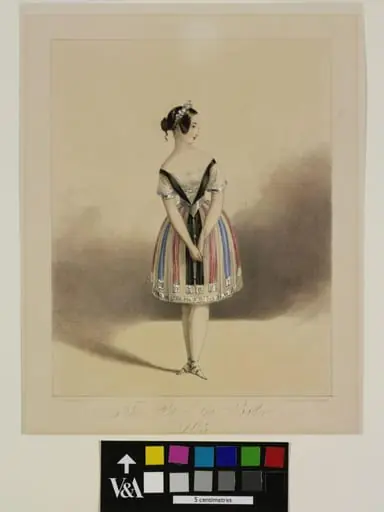
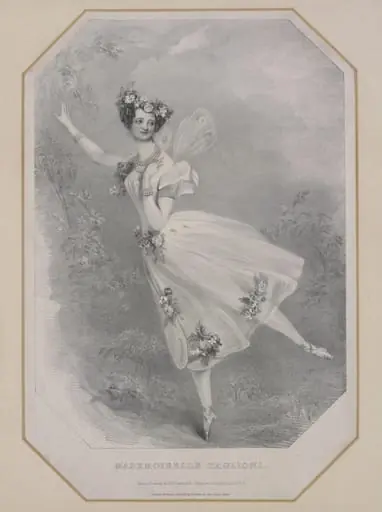
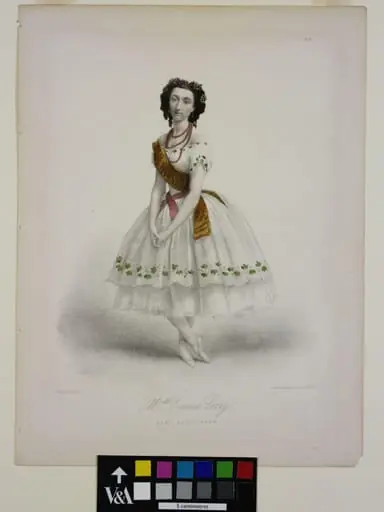
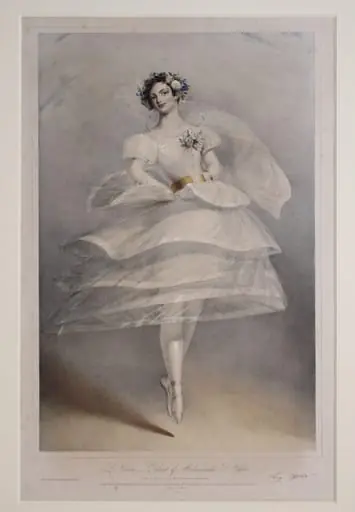
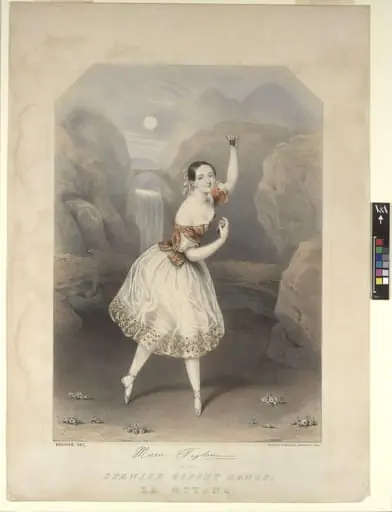
This 1833 print, issued by Novello, depicts a scene from the ballet The Sleeping Beauty, staged for the London debut of celebrated dancer Pauline Duvernay. The image captures Duvernay in the role of a water nymph, a figure added to the production to accommodate the plot’s extended sleeping sequence.
Subject & Meaning
The figure is presented as a Naiad, a mythological water spirit, reflected in the costume’s coral coronet and the vegetal trim that suggests aquatic foliage. The inclusion of a pearl necklace and bracelets underscores the era’s convention of adorning ballerinas with luxurious jewelry, emphasizing both elegance and the ethereal nature of the character.
Technique & Style
Executed as a print, the work employs the delicate line work and tonal shading typical of early nineteenth‑century Romantic visual culture. The composition balances the fluidity of the dancer’s pose with ornamental details, creating a sense of movement that mirrors the ballet’s lyrical quality.
History & Provenance
The ballet’s success made Duvernay a favorite of London audiences, including the teenage Princess Victoria, who frequently sketched the performer during lessons. Duvernay retired from the stage in 1837, marrying the affluent commoner Stephens Lyne Stephens. The print survived as a testament to her celebrated solo, which was reproduced in print form rather than as a portrait of the princess.
Context
The image belongs to the Romantic period, a time when theatrical productions often incorporated mythic and supernatural elements. Prints of popular performers served both as memorabilia and as a means of disseminating the visual language of Romantic ballet to a broader public.
Artist & collection
Artist
Novello made a single surviving print in 1833 that shows a quiet street corner under a slanted roof.