Artwork
Guy Little Theatrical Photographs
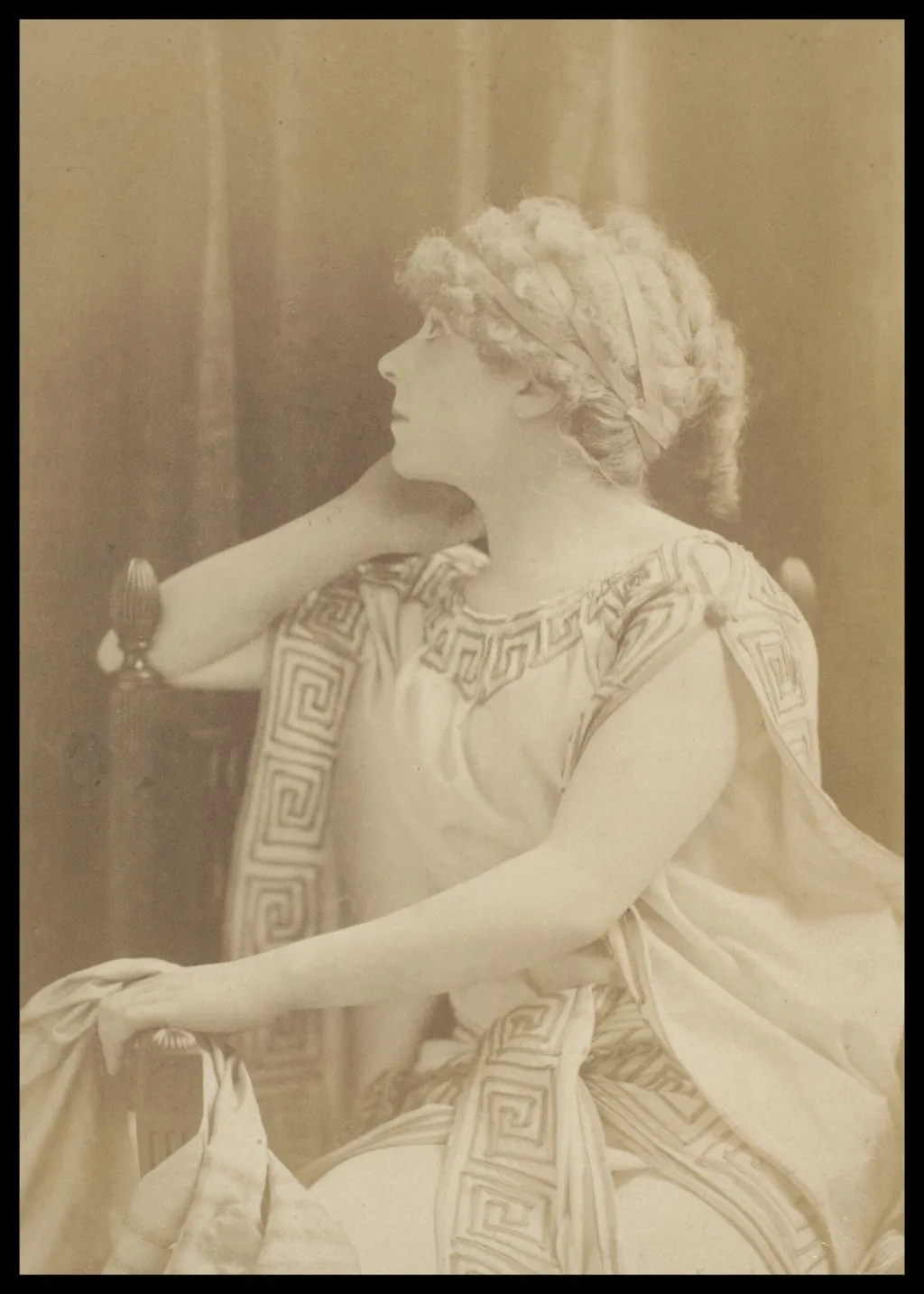
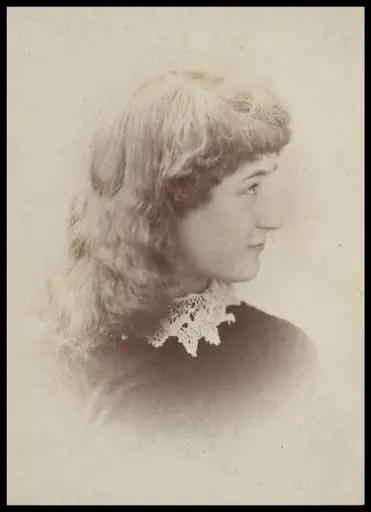
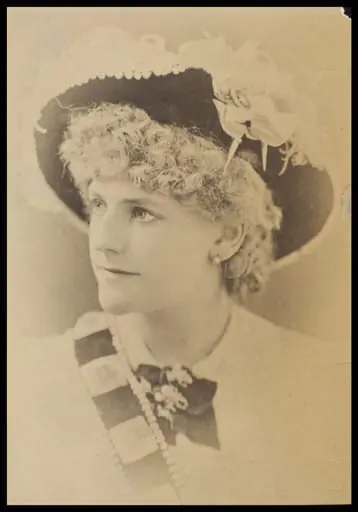
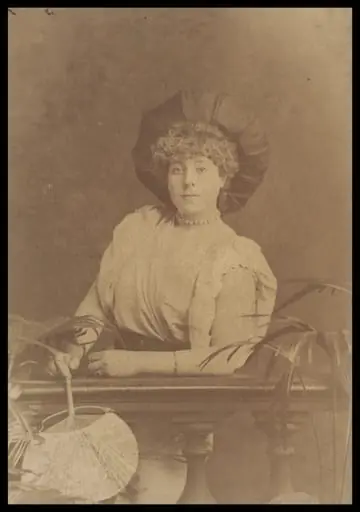
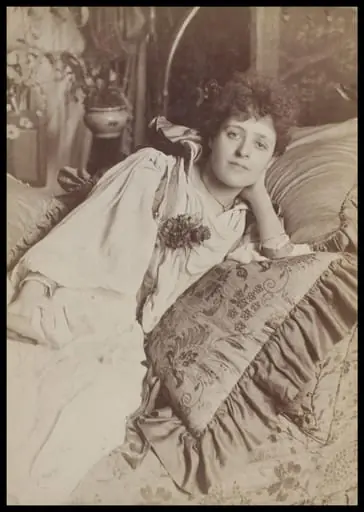
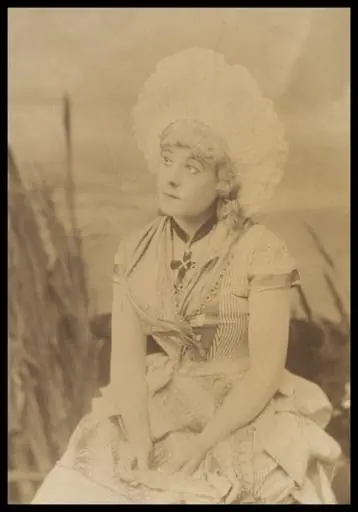
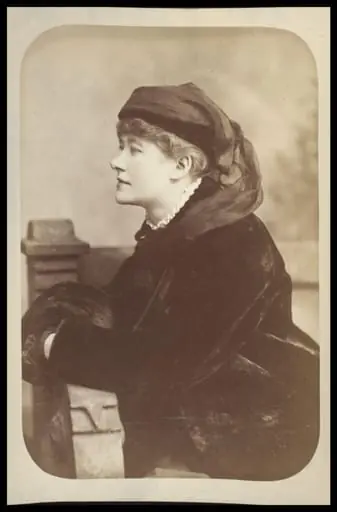
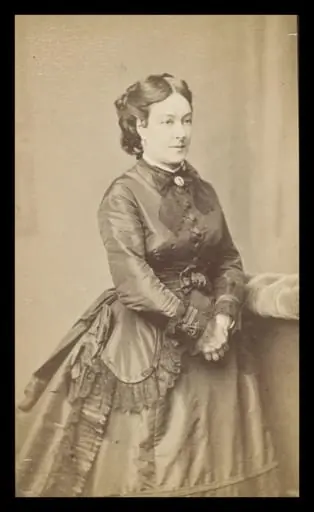
Guy Little Theatrical Photographs is a photographic photography by Vanderweyde. It dates from 1850 and is held in the collection of the Victoria and Albert Museum. This photograph is part of a curated collection assembled by Guy Tristram Little, a solicitor and avid collector of visual ephemera.
About this work
Overview
It originates from a trove of theatrical portraits—mostly cartes de visite and cabinet cards—removed from their original mounts and reorganized into albums.
This photograph is part of a curated collection assembled by Guy Tristram Little, a solicitor and avid collector of visual ephemera. It originates from a trove of theatrical portraits—mostly cartes de visite and cabinet cards—removed from their original mounts and reorganized into albums. Little bequeathed the collection to the Victoria and Albert Museum, where it contributes to the institutional archive of Victorian performance culture.
Subject & Meaning
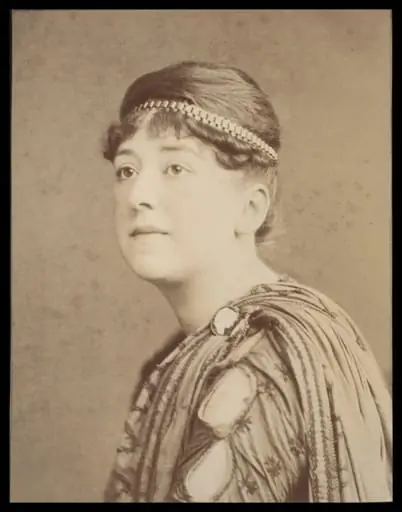
The image captures Nellie Farren in costume as Galatea, a character from the myth of Pygmalion, a popular stage adaptation of the time. Farren, a leading comic actress, embodied the role with charm and precision, aligning the photograph with broader Victorian fascination with classical themes reimagined for the popular stage. The portrait served both as promotional material and a personal keepsake for admirers.
Technique & Style
The photograph is an albumen print made from a glass negative, typical of mid-to-late 19th-century studio portraiture. It was likely printed on cardstock, either as a carte de visite or cabinet card, with the photographer’s imprint visible. The lighting is even, the pose formal, and the costume rendered in detail, reflecting the studio’s emphasis on clarity and theatrical authenticity over artistic experimentation.
History & Provenance
The image was originally produced as a commercial theatrical portrait, circulated widely in the 1870s–80s. It entered Guy Little’s collection, likely acquired secondhand or through theatrical networks. Little systematically detached such prints from their original mounts and cataloged them in bound albums. Upon his death in 1953, the entire collection was donated to the V&A, preserving a rare assemblage of performance ephemera.
Context
During the Victorian era, cartes de visite and cabinet cards became mass-produced cultural artifacts, bridging the gap between public spectacle and private collection. Theatrical portraits like this one allowed audiences to own a tangible connection to performers they admired. The format’s popularity coincided with rising literacy, urban leisure, and the growth of celebrity culture, making such images a defining feature of Victorian visual life.
Legacy
Little’s collection, now held by the V&A, remains a vital resource for scholars of theatre history and photographic practice. By preserving these images outside their original commercial context, he inadvertently documented the material culture of performance in a way that transcends individual fame. The collection endures as a quiet archive of everyday engagement with the stage.
Artist & collection
Artist
Dry plates and gaslight flickered behind the curtain as Vanderweyde turned stage moments into still portraits.