Artwork
Virgem do Buen Aire
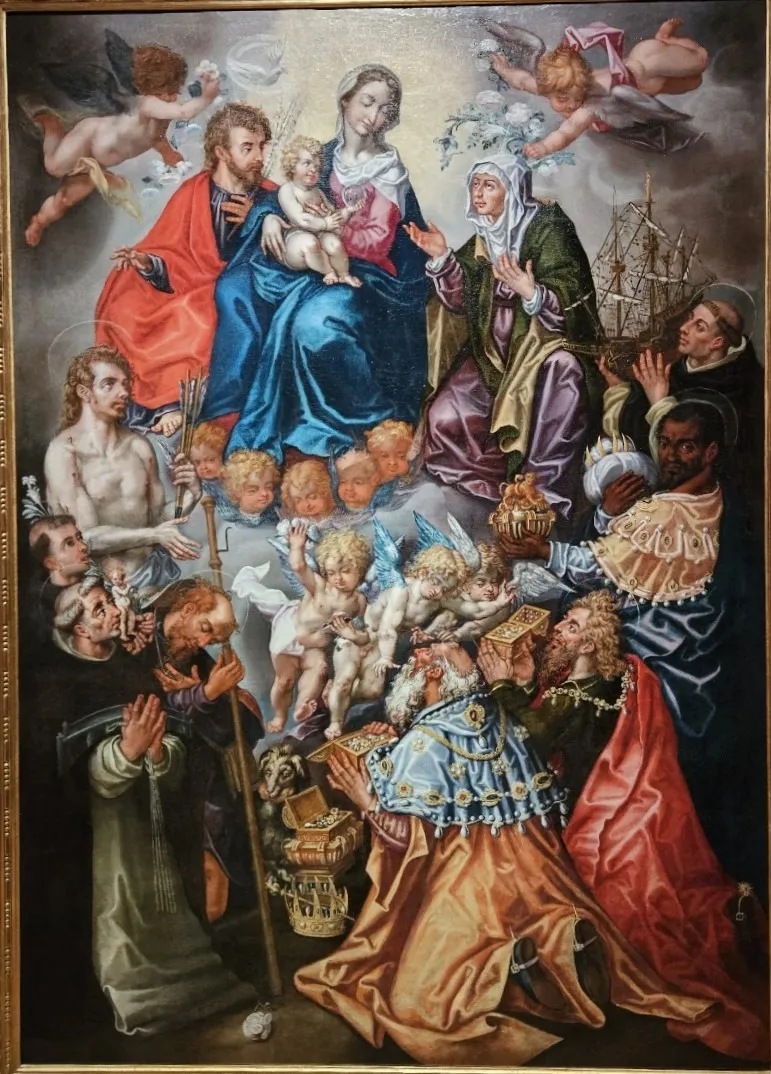
Virgem do Buen Aire is an unspecified painting by the Early Baroque Italian artist Vasco Pereira. It dates from 1603 and is held in the collection of the National Museum of Ancient Art.
About this work
Overview
The work titled *Virgem do Buen Aire* is a religious canvas executed in 1603 by the Portuguese artist Vasco Pereira. It forms part of the collection of the National Museum of Ancient Art, where it is displayed among other early‑modern Portuguese paintings.
Subject & Meaning
The painting depicts a Marian figure, reflecting the devotional practices of early 17th‑century Portugal. The title, invoking “Buen Aire,” suggests a specific invocation of the Virgin associated with protection for travelers and sailors, a common theme in Iberian Catholic art.
Technique & Style
Pereira employs the late‑Renaissance palette and compositional balance typical of Portuguese court painters of the period. The work features a restrained use of chiaroscuro to model the figure, while the background remains subdued, directing focus toward the central saintly presence.
History & Provenance
Created in 1603, the painting entered the holdings of the National Museum of Ancient Art, where it has been conserved as part of the museum’s representation of early Baroque religious art. Its provenance prior to museum acquisition is not extensively documented, but it has remained within Portuguese collections since its creation.
Artist & collection

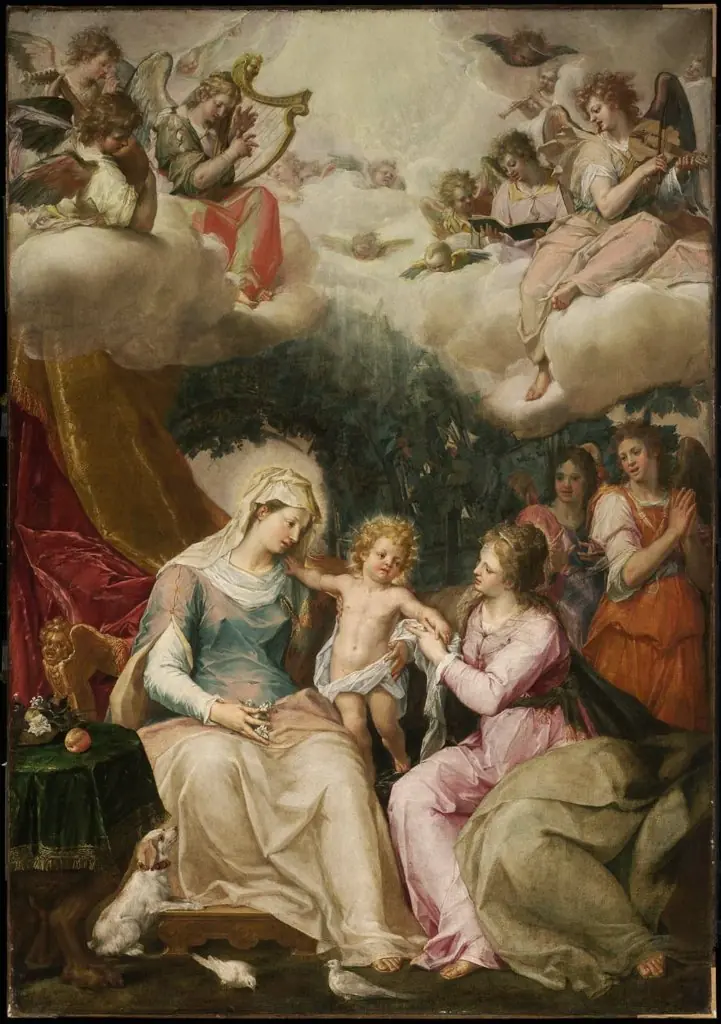 The Mystic Marriage of Saint Catherine
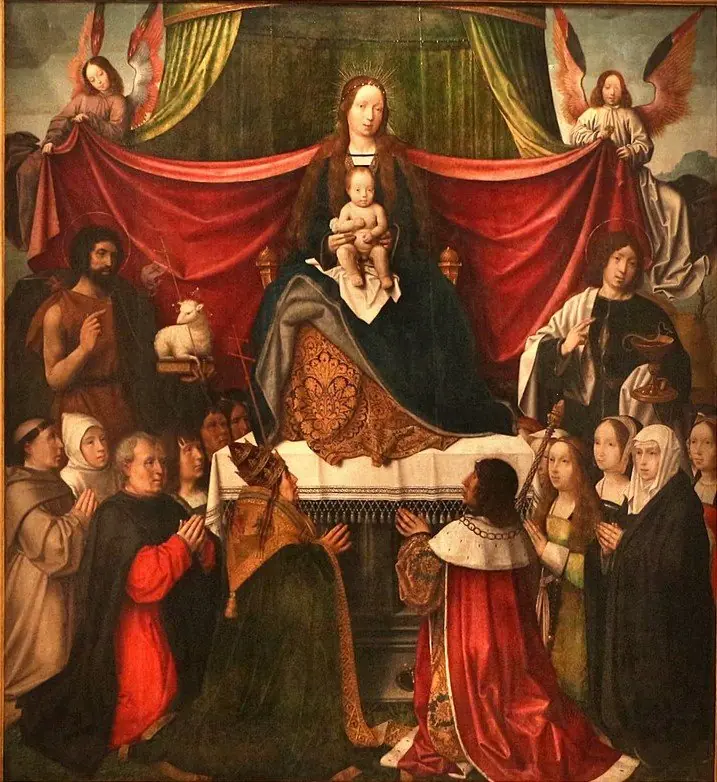 Nossa Senhora da Misericórdia
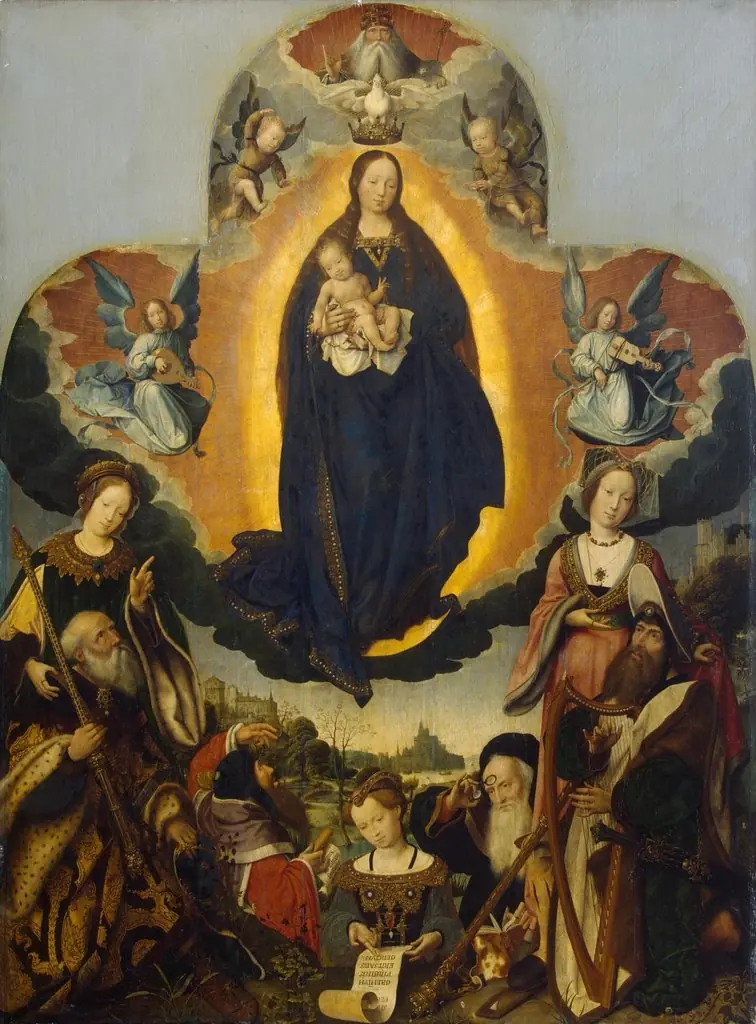 The Virgin Mary in Glory
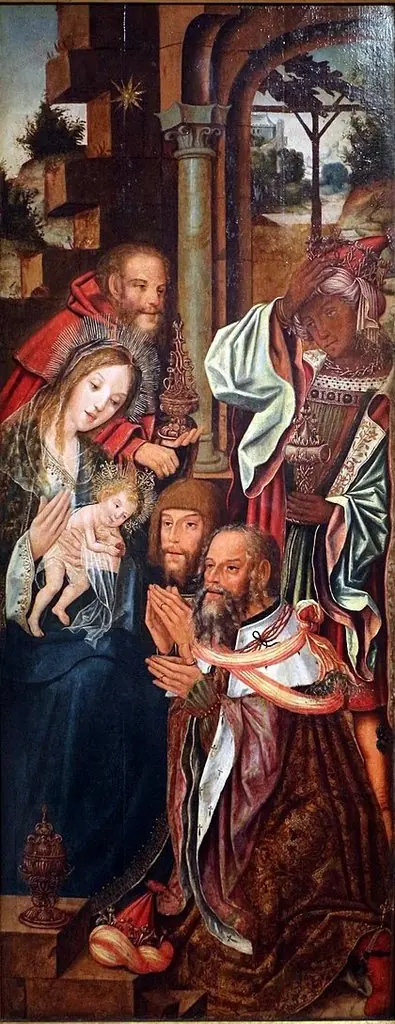 Adoration of the Magi
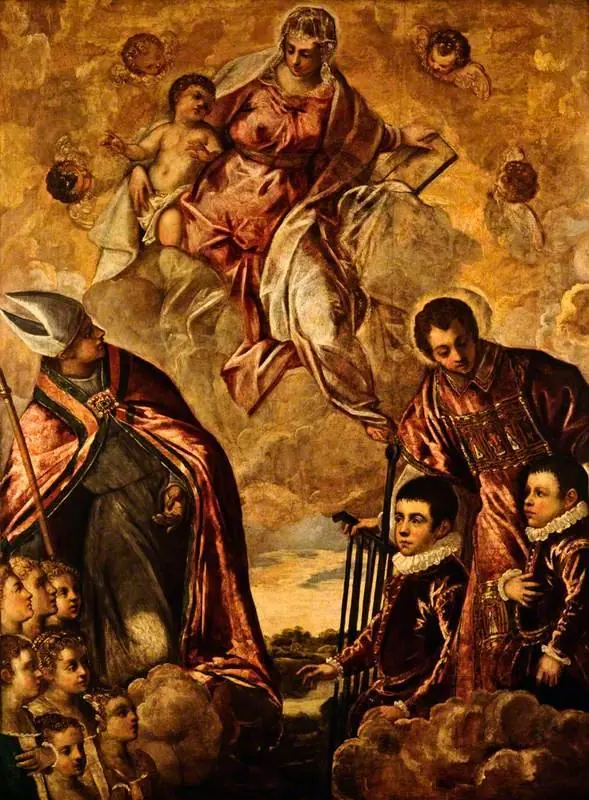 A Venetian Family Presented to the Virgin by Saint Lawrence and a Bishop Saint
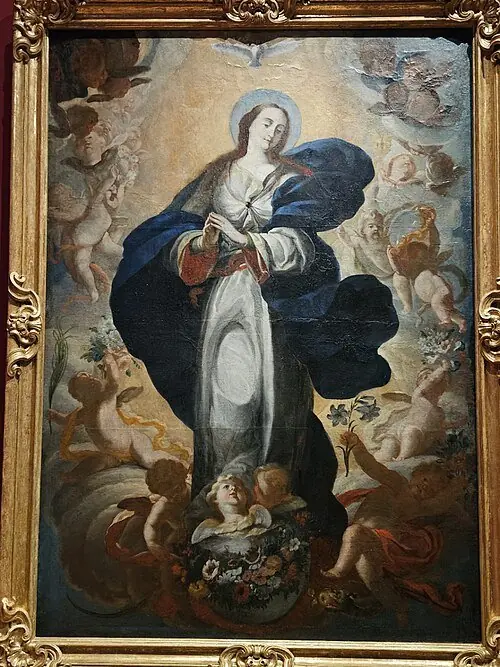 Imaculada Conceição
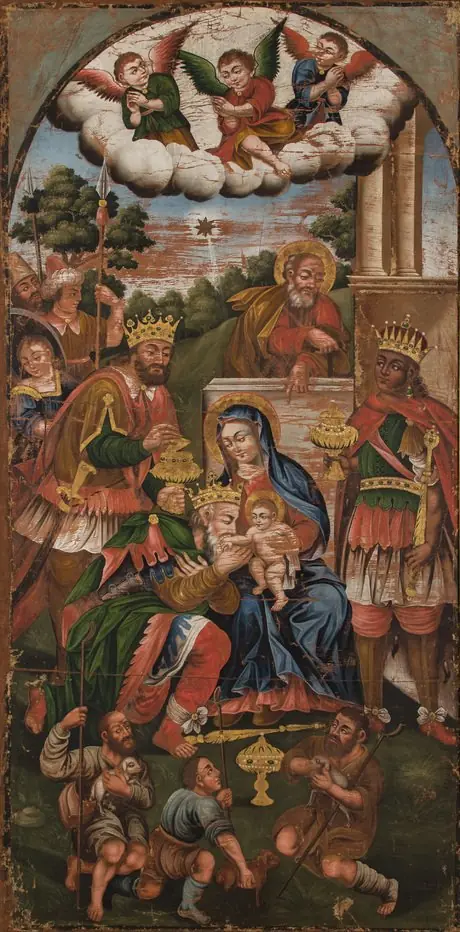 Մոգերի երկրպագությունը
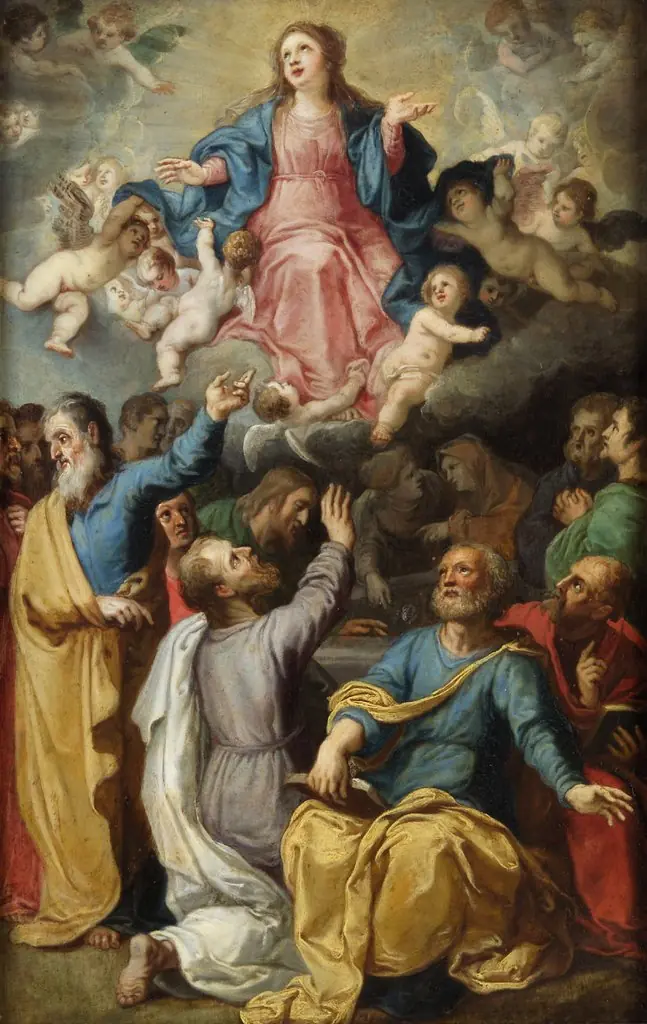 Assumption of Mary
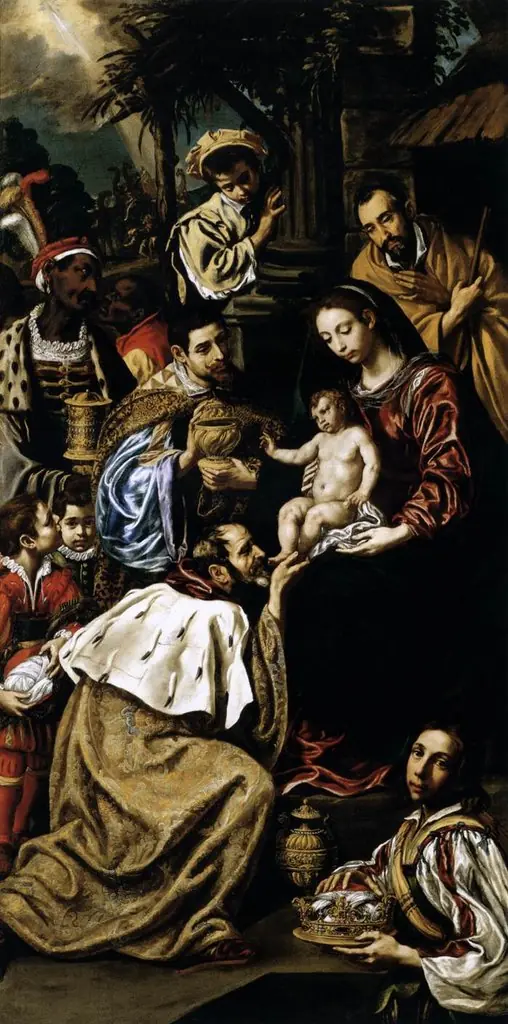 The Adoration of the Magi
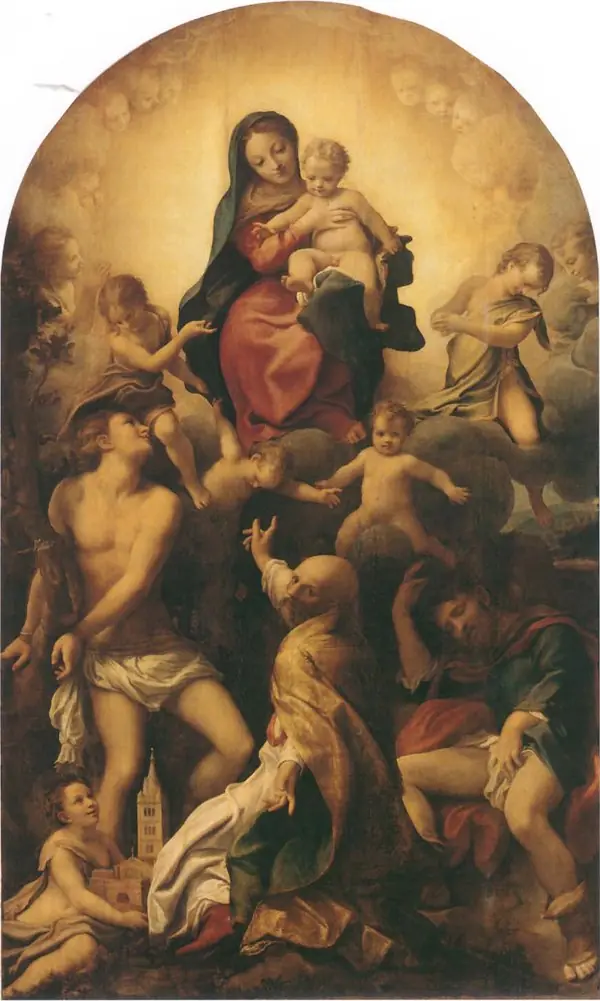 Madonna of Saint Sebastian
 Assumption
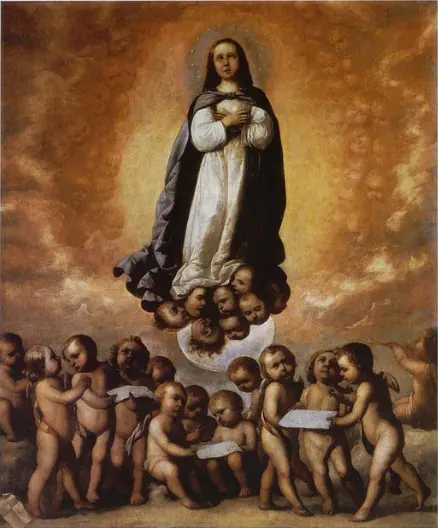 The Immaculate Conception as a Child