Artwork
Pearl Mosque, Delhi
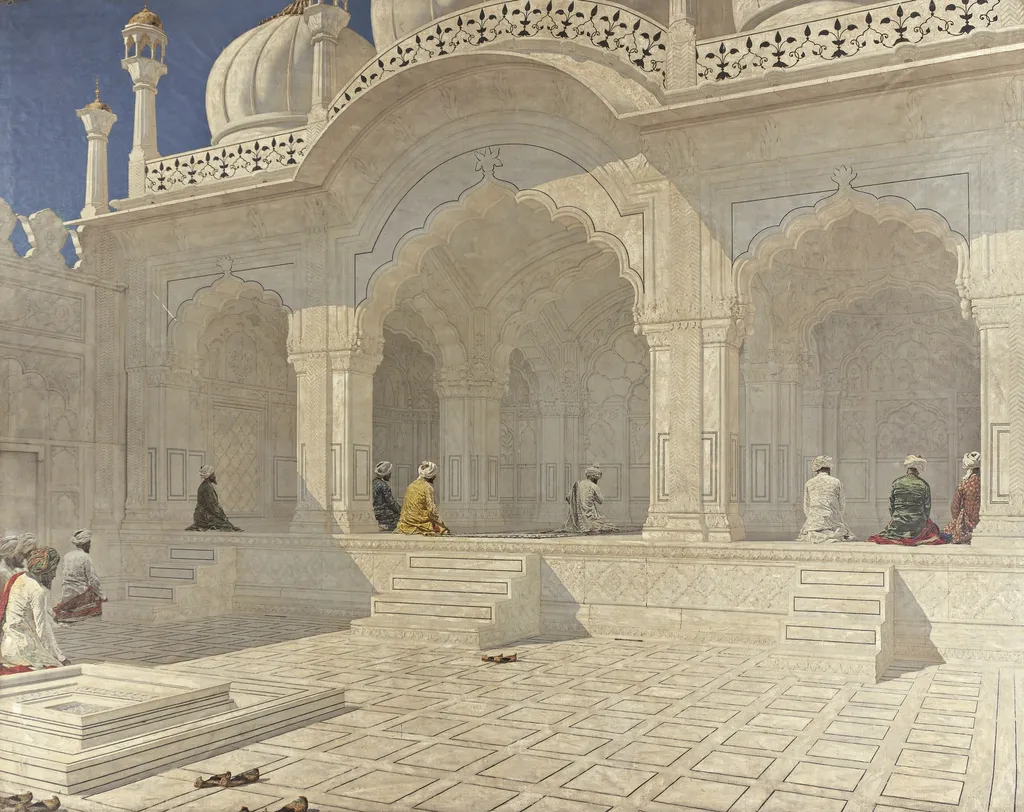
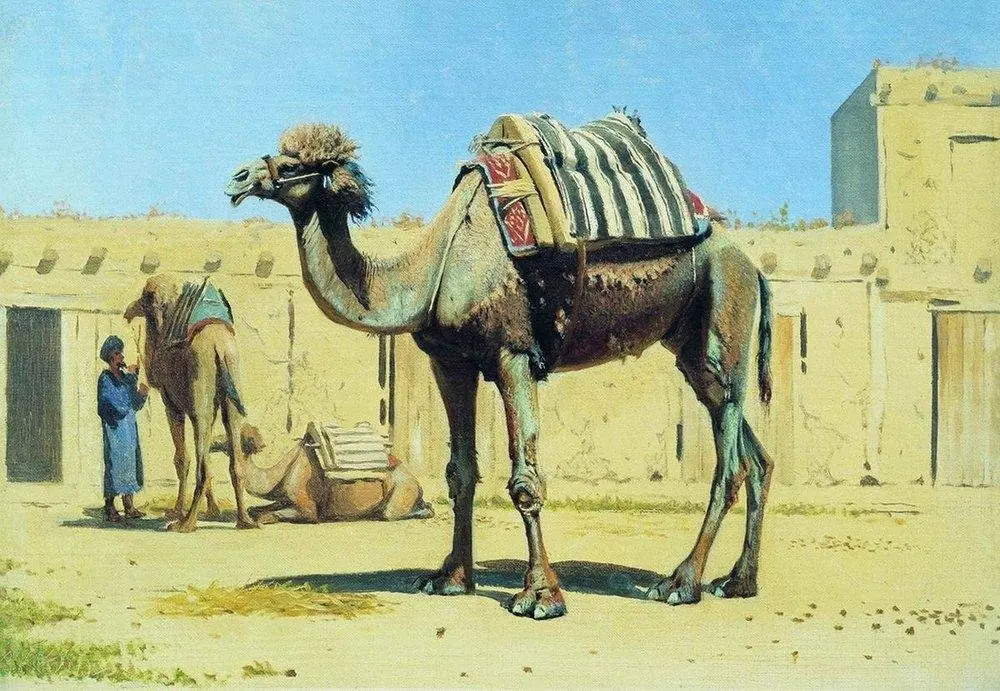
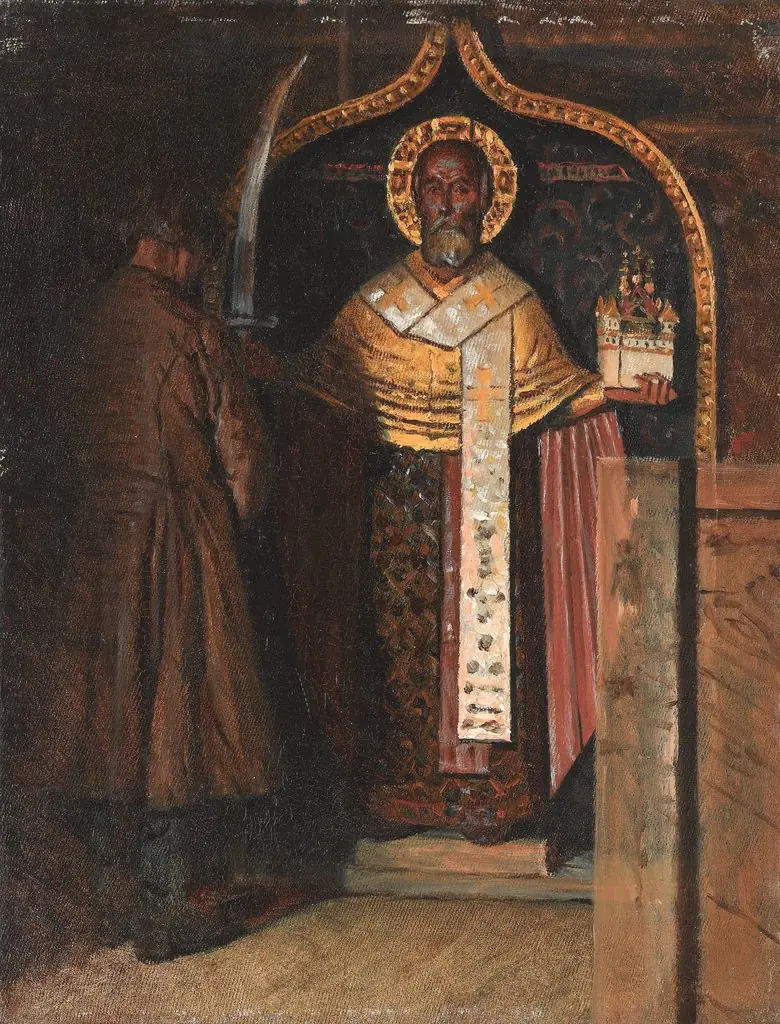
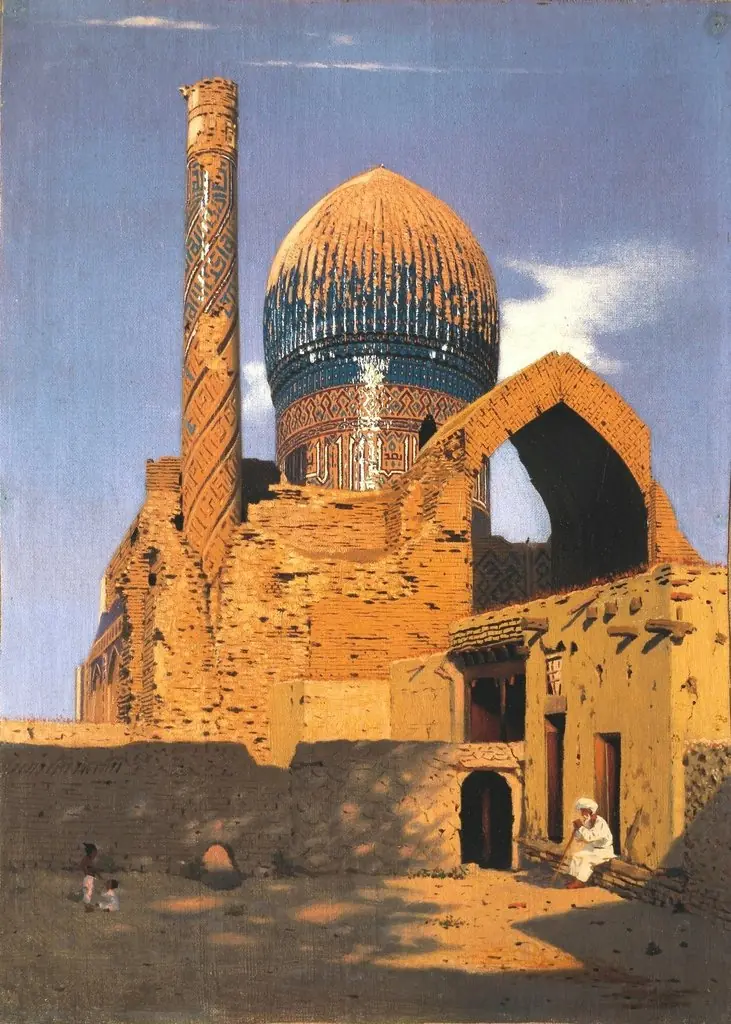
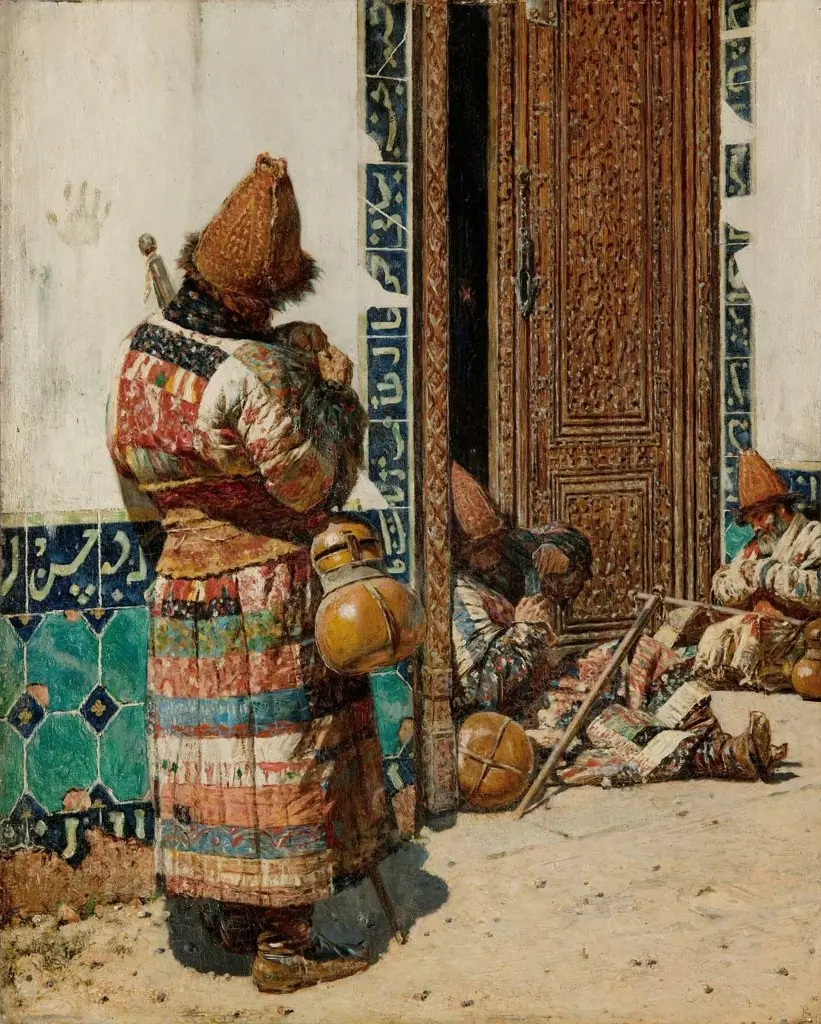
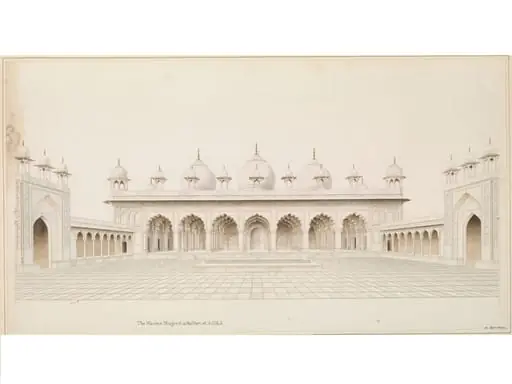
Pearl Mosque, Delhi is an oil painting by the Impressionist artist Vasily Vereshchagin. It dates from 1890 and is held in the collection of the Museum of Fine Arts Boston.
About this work
Overview
Pearl Mosque, Delhi, an 1890 oil painting by Russian artist Vasily Vereshchagin, captures a serene moment within the Pearl Mosque in Delhi, blending realist and impressionist elements to convey tranquility and devotion.
Subject & Meaning
The painting depicts worshippers in traditional attire engaged in prayer, set against the ornate, white architecture of the mosque. The scene emphasizes peace and religious devotion, with figures seated, standing, or kneeling in a state of contemplation.
Technique & Style
Vereshchagin employs chiaroscuro, contrasting light and dark to create depth and volume. The impressionist influence is evident in the capture of warm, gentle sunlight, while the detailed rendering of architecture and attire reflects Vereshchagin's realist approach.
History & Provenance
Created in 1890, the painting is part of the Museum of Fine Arts, Boston's collection. It reflects Vereshchagin's work as a traveler and his interest in documenting diverse cultural and religious practices.
Context
As a work by a Russian artist in India, Pearl Mosque, Delhi, situates itself within the broader context of 19th-century European artistic fascination with Orientalist themes, though Vereshchagin's realist bent distinguishes his approach.
Legacy
While specific legacy details of *Pearl Mosque, Delhi* are not widely highlighted, it contributes to Vereshchagin's reputation for capturing the essence of places and practices during his travels, blending realism with the evolving techniques of his time.
Own this work as a print
Artist & collection

Artist
Vasily Vasilyevich Vereshchagin (Russian: Васи́лий Васи́льевич Вереща́гин; 26 October 1842 – 13 April 1904) was a Russian painter, war artist, and traveller.