Artwork
Taj Mahal
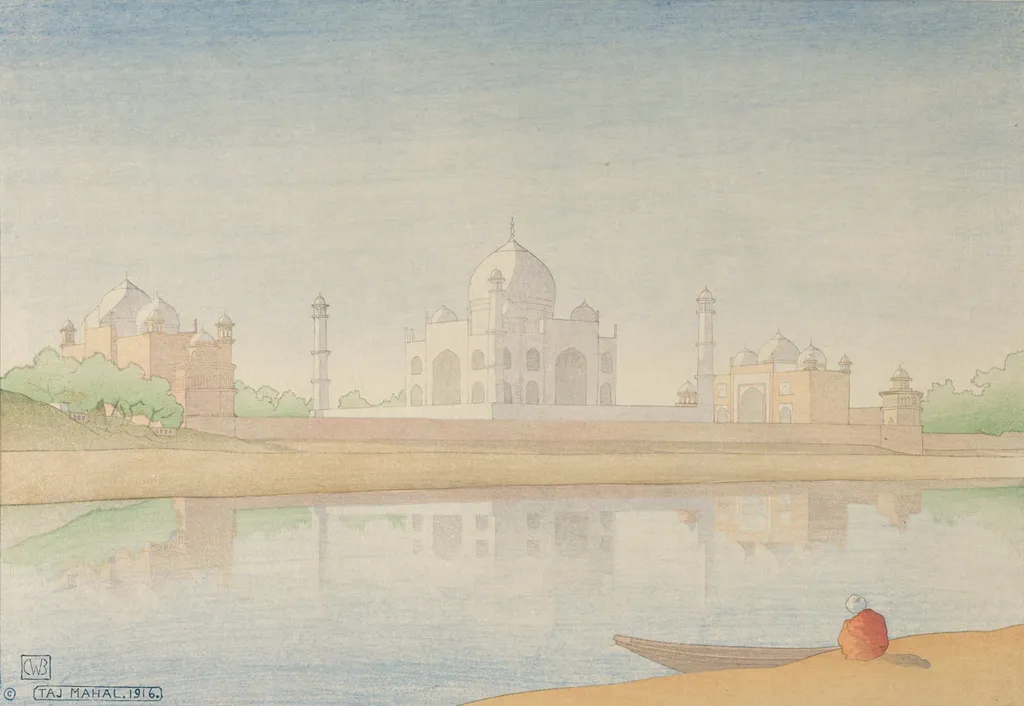
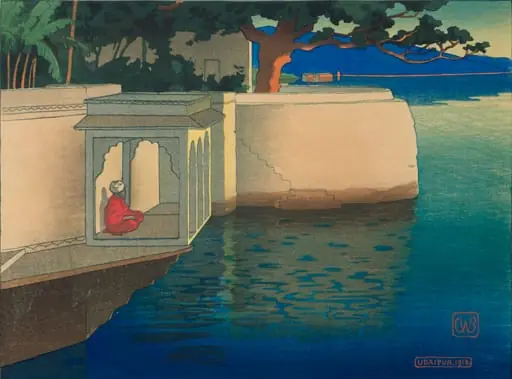
Taj Mahal is a print by Charles William Bartlett. It dates from 1916 and is held in the collection of the Cleveland Museum of Art.
About this work
Overview
Bartlett’s approach emphasizes quietude over grandeur, focusing on the monument’s reflection and its quiet surroundings rather than its architectural scale.
Charles William Bartlett created this 1916 print depicting the Taj Mahal, capturing its serene presence through delicate tonal harmonies. The work is part of the collection at The Cleveland Museum of Art, where it is held as an example of early 20th-century Orientalist printmaking. Bartlett’s approach emphasizes quietude over grandeur, focusing on the monument’s reflection and its quiet surroundings rather than its architectural scale.
Subject & Meaning
The Taj Mahal is shown as a tranquil, mirrored form rising above still water, framed by a pale sky and a modest foreground with a small boat and a single red object. The composition suggests contemplation rather than spectacle, inviting quiet observation. The absence of figures or activity reinforces a sense of stillness, aligning the structure with ideals of peace and timelessness rather than imperial power.
Technique & Style
Bartlett employed soft washes and restrained linework to achieve a muted, atmospheric effect. The water’s reflection is rendered with subtle gradations, enhancing the building’s symmetry without sharp definition. Light colors dominate, avoiding contrast in favor of harmony. The print’s delicate handling reflects the influence of Japanese woodblock traditions, emphasizing balance and spatial economy over detail.
History & Provenance
Created during Bartlett’s travels in South Asia, the print was made in 1916 and later acquired by The Cleveland Museum of Art. It reflects the period’s Western fascination with Asian architecture, though Bartlett’s interpretation diverges from overt exoticism. The work entered the museum’s collection as part of its growing holdings in international prints, valued for its quiet aesthetic rather than documentary precision.
Context
In the early 1900s, Western artists often depicted Asian landmarks through a lens of romanticized stillness. Bartlett’s print aligns with this trend but avoids theatricality, favoring compositional restraint. His approach contrasts with more ornate colonial-era representations, instead echoing contemporary printmaking movements that prized simplicity and mood over narrative detail.
Legacy
The print remains a quiet example of early 20th-century Orientalist printmaking, noted for its understated elegance. While not widely reproduced, it contributes to the museum’s representation of cross-cultural artistic exchange. Bartlett’s focus on reflection and calm continues to resonate with viewers seeking meditative imagery, distinguishing it from more overtly monumental depictions of the Taj Mahal.
Artist & collection

Artist
Charles William Bartlett was an English painter and printmaker who settled in Hawaii.

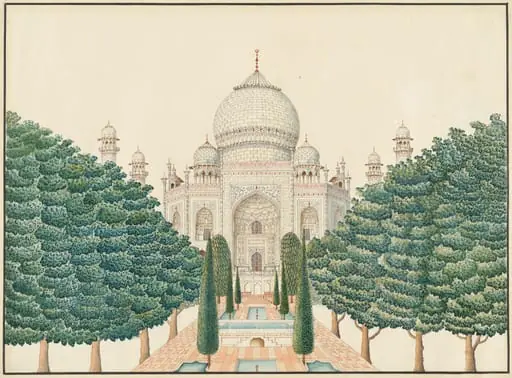 Taj Mahal
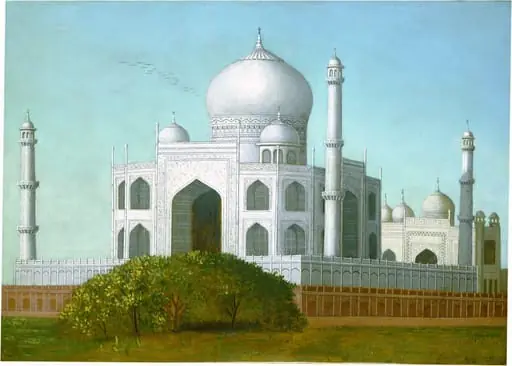 The Taj Mahal
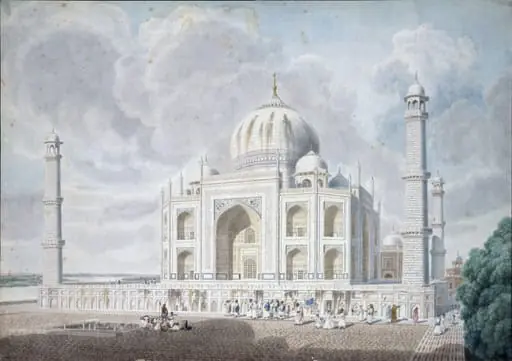 The Taj Mahal on the River Jumna at Agra
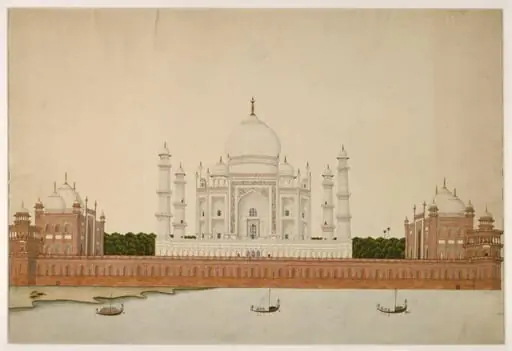 The Taj Mahal
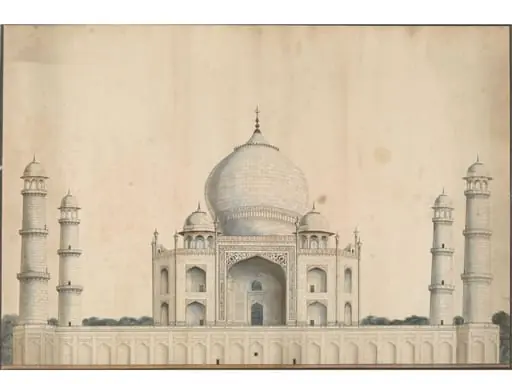 Three drawings of the Taj Mahal
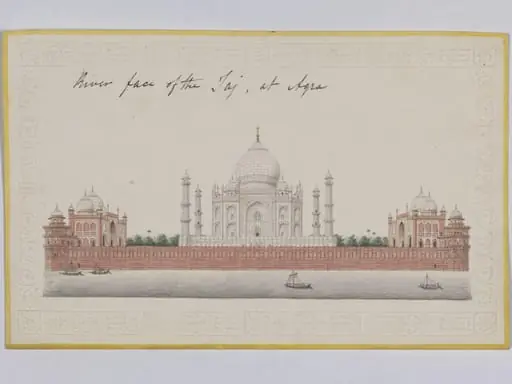 View of the Taj Mahal from across the Jumna river.
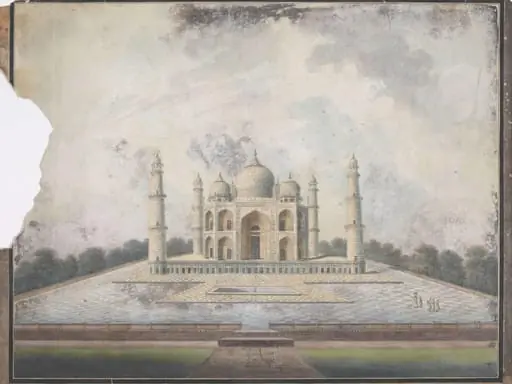 The Taj Mahal, Agra
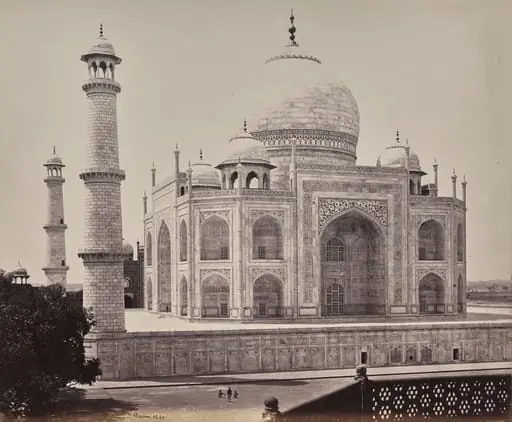 Agra. View of the Taj from a Corner in the Quadrangle
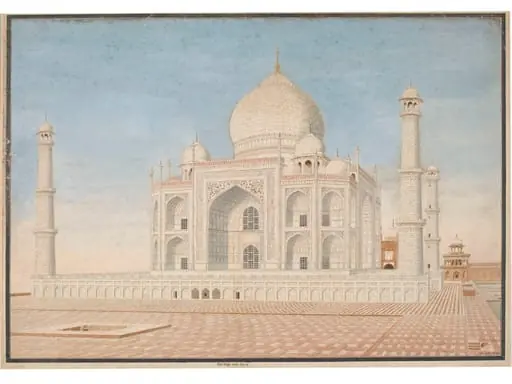 Elevation of the east side of the Taj Mahal, Agra, with part of the surrounding tiled terrace and water-tank in the foreground.
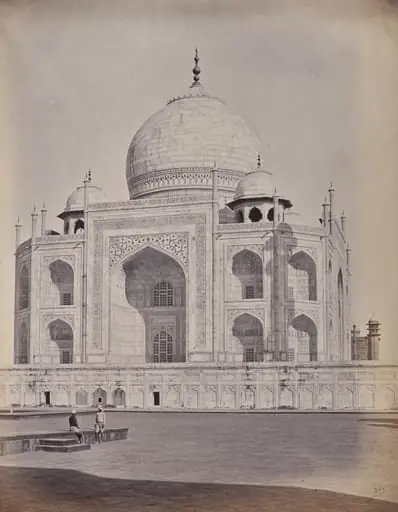 Agra. The Taj, the Central of Principal City