Artwork
Uzbek woman in Tashkent
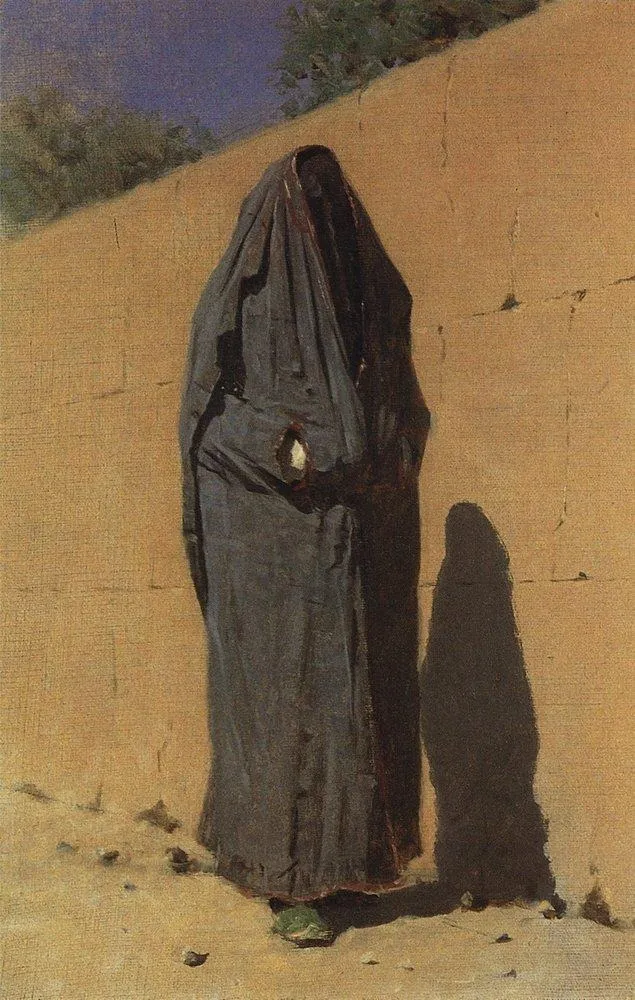
Uzbek woman in Tashkent is an oil painting by the Realist artist Vasily Vereshchagin. It dates from 1873 and is held in the collection of the Tretyakov Gallery.
About this work
The wall behind her is a light brown color, and there are some green plants visible at the top of the image.
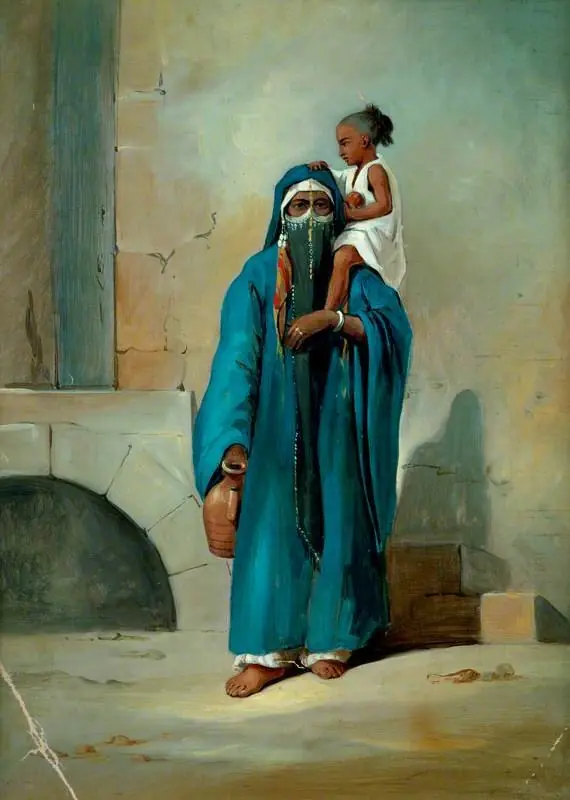
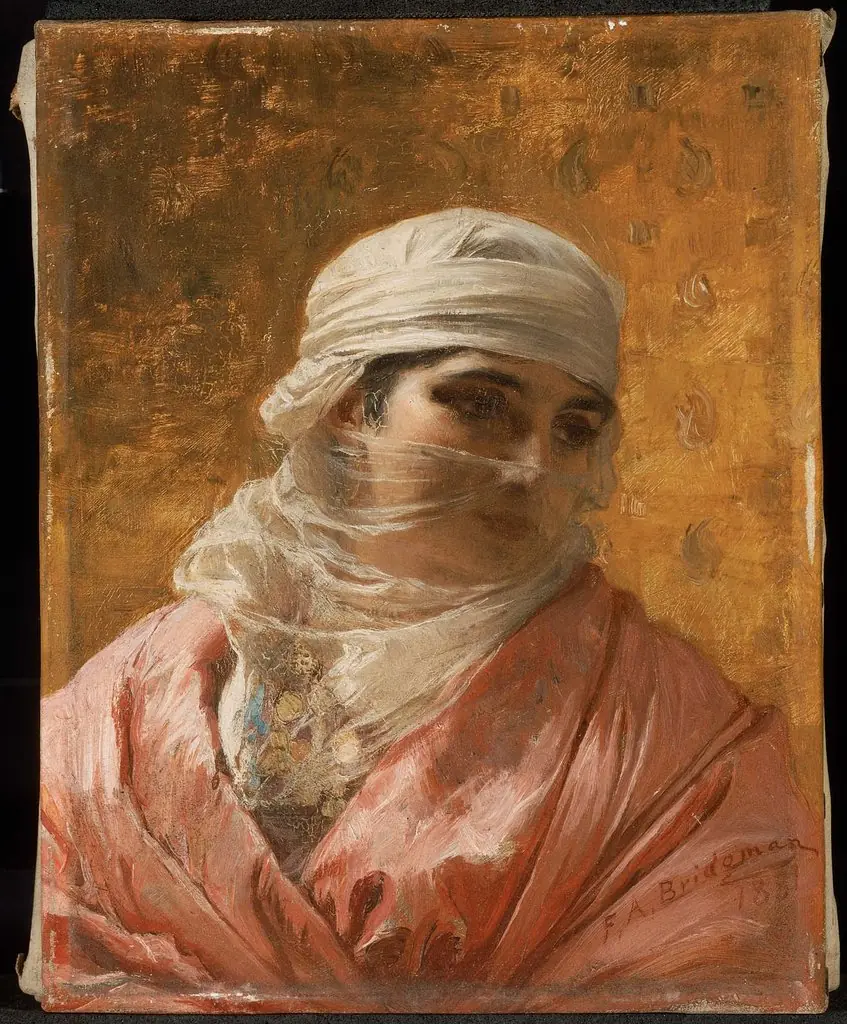
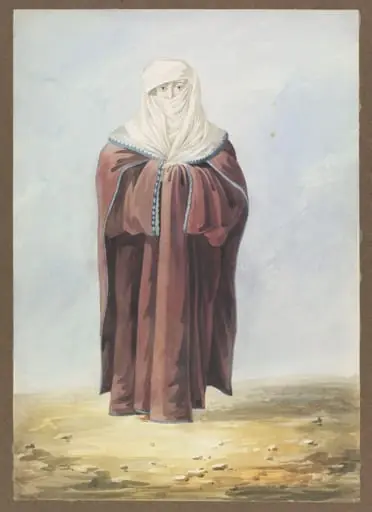
The painting depicts a woman in a long, dark robe with a head covering, standing in front of a wall. She is wearing green shoes and has her hands clasped in front of her. The wall behind her is a light brown color, and there are some green plants visible at the top of the image.
The woman's face is not visible, as it is covered by her headscarf. The overall atmosphere of the painting is one of simplicity and quiet contemplation. The use of muted colors and the woman's subdued pose contribute to this sense of calm.
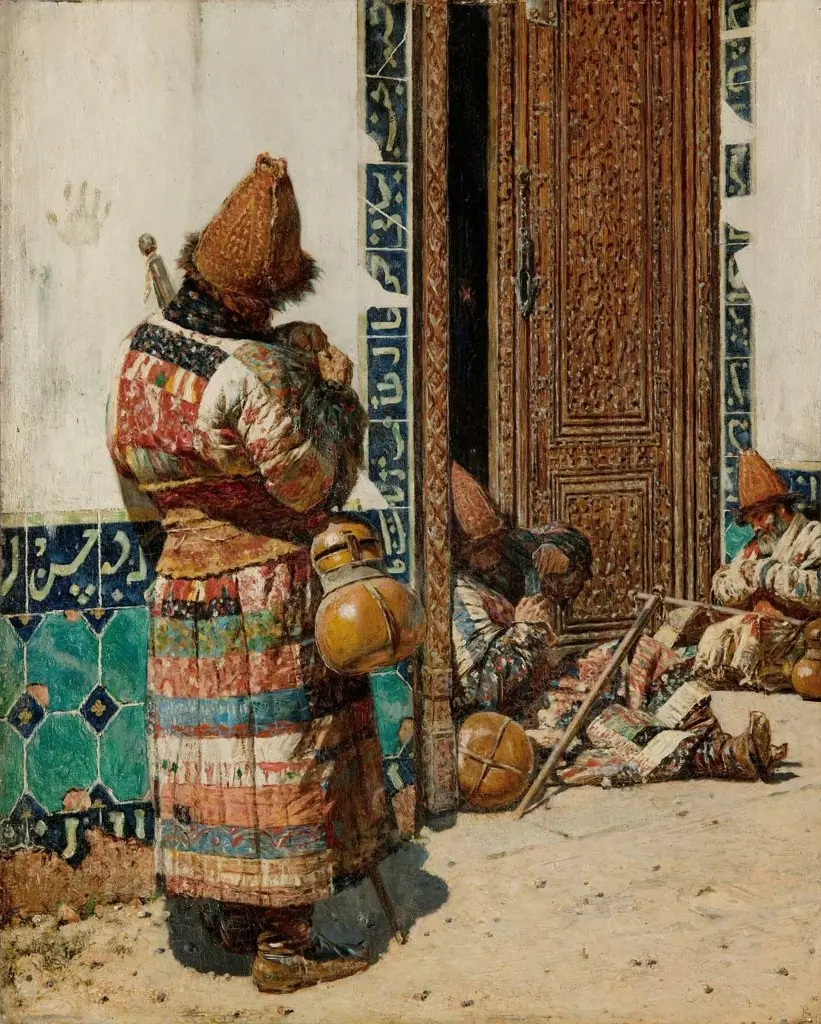
The painting is a representation of a woman in traditional Uzbek clothing, specifically the paranja, which was worn by women in Central Asia during the 19th century. To learn more about the artist's use of chiaroscuro, look up Vasily Vereshchagin.
Overview
Uzbek woman in Tashkent is a 1873 oil painting by Vasily Vereshchagin, a Russian artist known for his realist depictions.
Subject & Meaning
The painting shows a woman in traditional Uzbek attire, wearing a paranja that conceals her face, standing before a light brown wall with green plants above. Her hands are clasped together, conveying a sense of quiet contemplation.
Technique & Style
Executed in muted colors, the work exemplifies the realism movement, capturing a moment of stillness through the subject's subdued pose and the artist's restrained palette.
History & Provenance
The painting is now part of the Tretyakov Gallery's collection.
Artist & collection
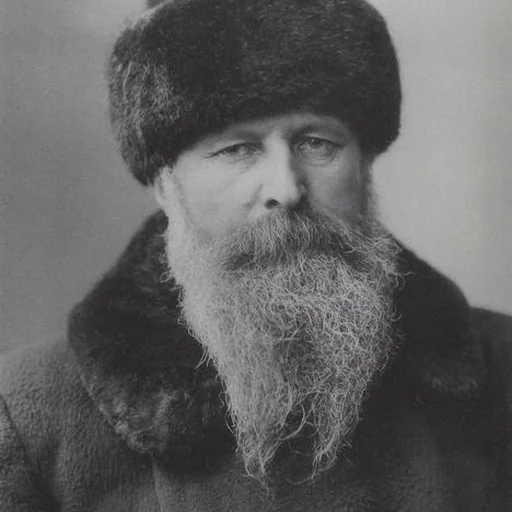
Artist
Vasily Vasilyevich Vereshchagin (Russian: Васи́лий Васи́льевич Вереща́гин; 26 October 1842 – 13 April 1904) was a Russian painter, war artist, and traveller.