Artwork
Crucifixion
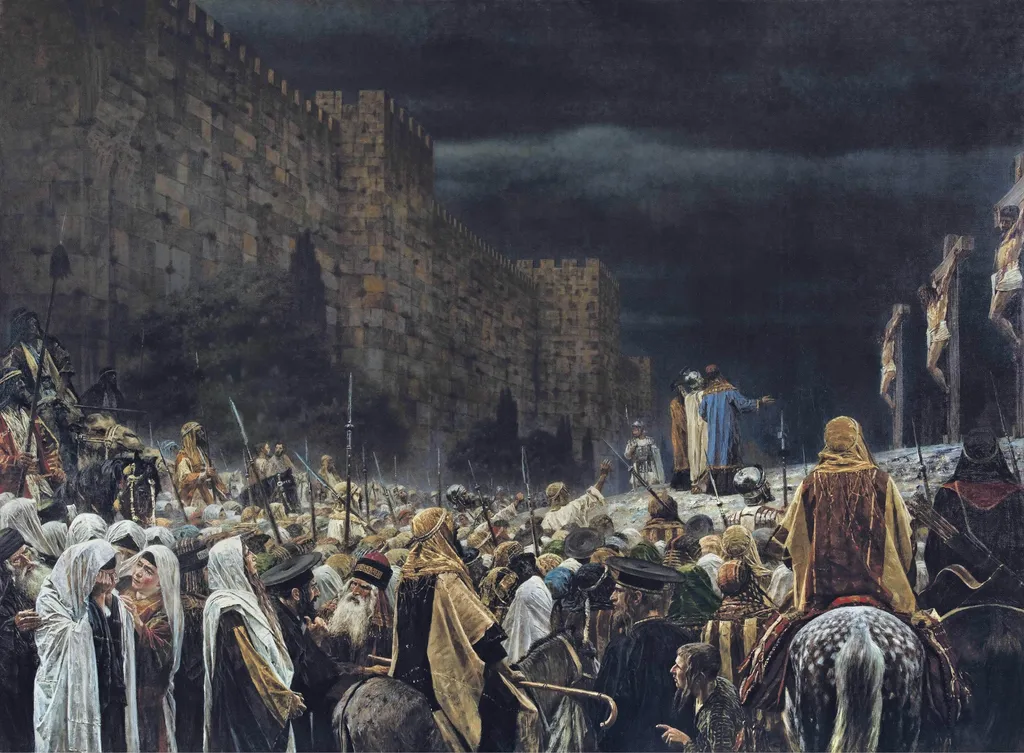
Crucifixion is an oil painting by the Realist artist Vasily Vereshchagin. It dates from 1894 and is held in the collection of the Brooklyn Museum.
About this work
Overview
Crucifixion, painted by Vasily Vereshchagin in 1894, is an oil-on-canvas work belonging to the Realist movement. It depicts the crucifixion of Jesus Christ, surrounded by a diverse crowd, and is part of the Brooklyn Museum's collection.
Subject & Meaning
The painting dramatically portrays the crucifixion scene, emphasizing the emotional responses of the onlookers. Faces in the foreground convey a range of reactions—from horror and shock to indifference—underscoring the complexities of human response to suffering.
Technique & Style
Vereshchagin employs chiaroscuro to create a deep sense of drama and depth. The stark contrast between light and dark draws the viewer’s attention to the central figure, heightening the emotional intensity of the scene.
History & Provenance
Created in 1894 by Russian artist Vasily Vereshchagin, known for his realistic and often somber depictions of historical and religious subjects, the work is now held in the permanent collection of the Brooklyn Museum.
Context
As a Realist work, Crucifixion reflects Vereshchagin’s interest in depicting harsh realities and emotional truths. The painting’s somber tone and focus on crowd dynamics also align with his experiences as a war artist and traveler.
Legacy
While specific legacy details of this work are not widely highlighted, it contributes to Vereshchagin’s broader reputation for poignant, realistically rendered historical and religious scenes that evoke strong emotional responses.
Own this work as a print
Artist & collection
Artist
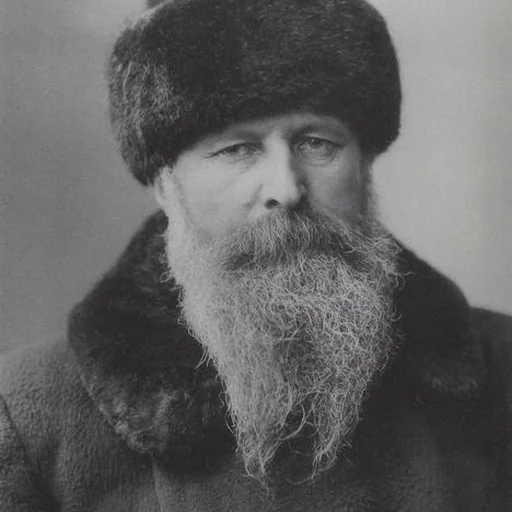
Vasily Vasilyevich Vereshchagin (Russian: Васи́лий Васи́льевич Вереща́гин; 26 October 1842 – 13 April 1904) was a Russian painter, war artist, and traveller.

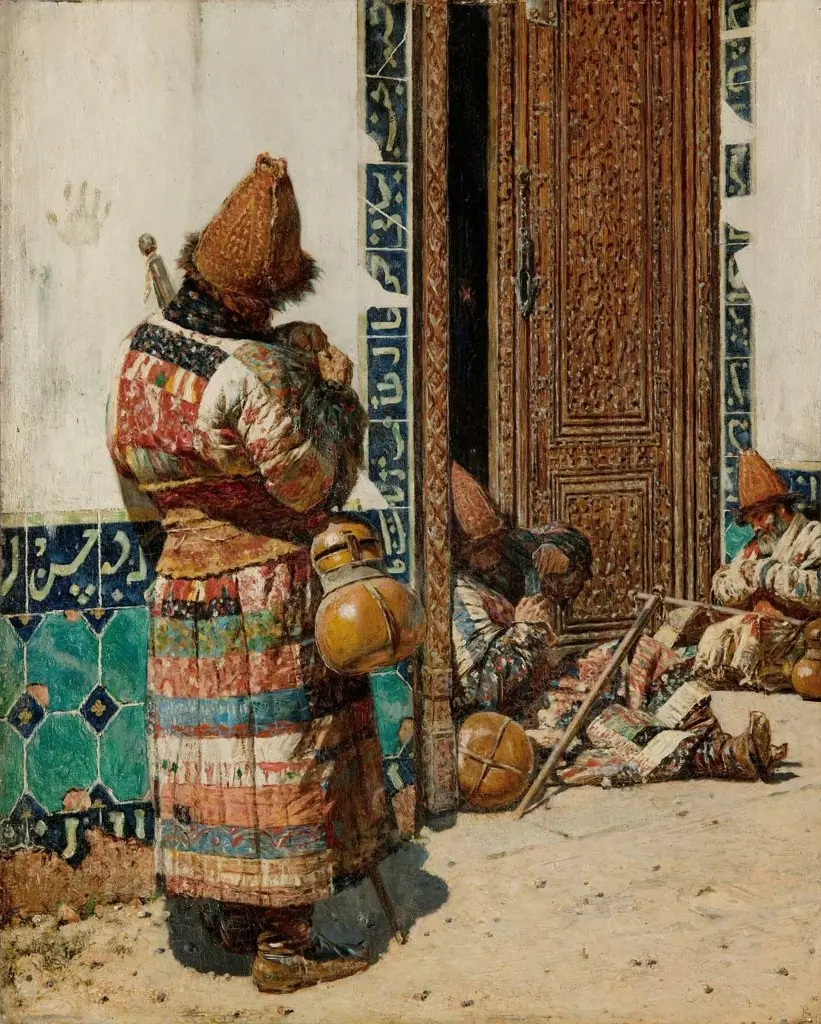
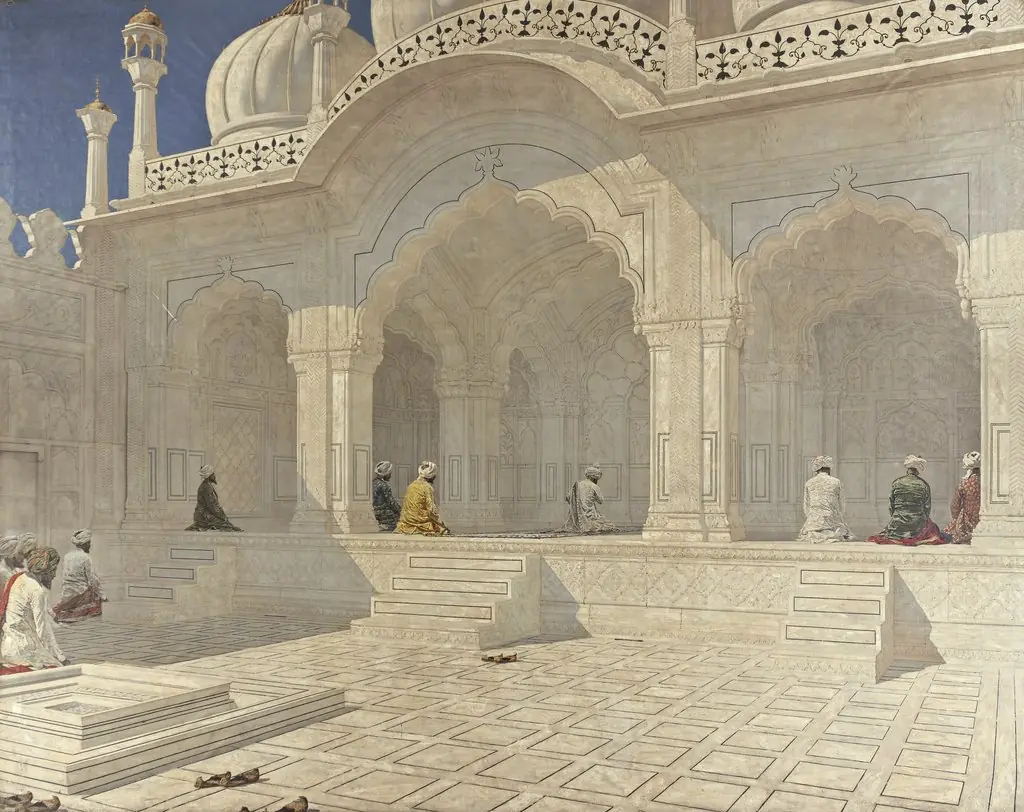
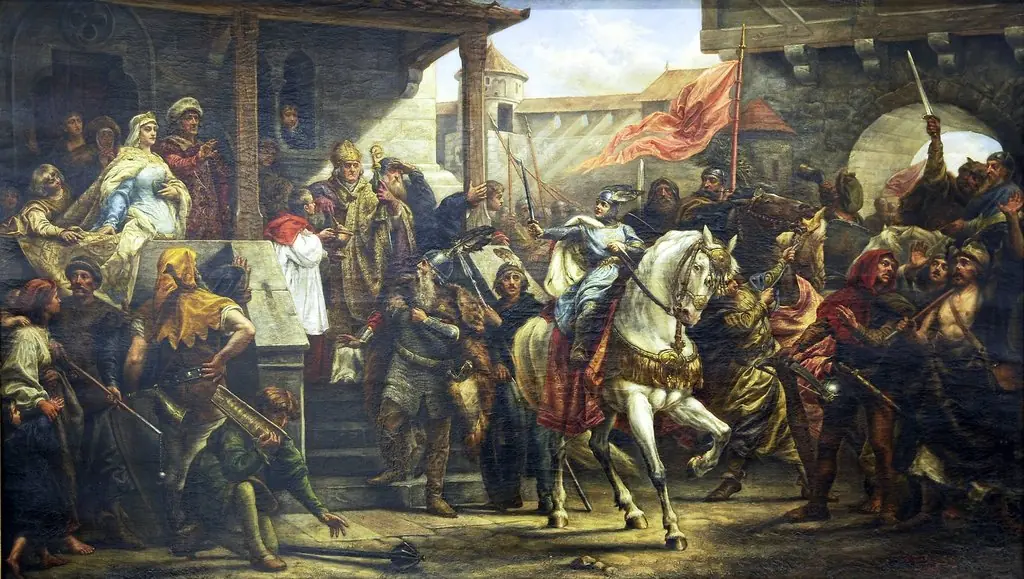 Władysław Herman blesses Bolesław the Wry-Mouthed before a war campaign
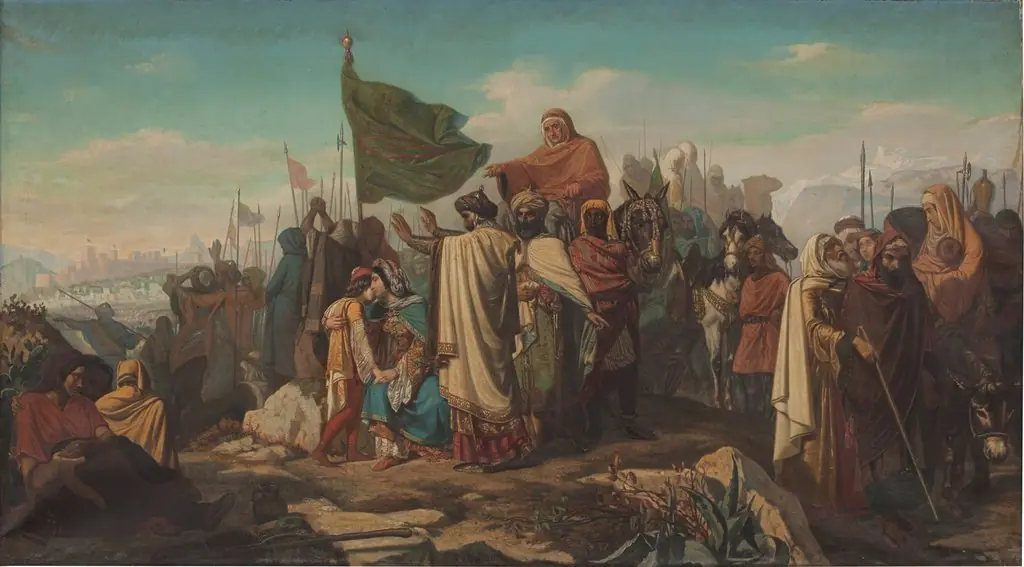 The sigh of the Moor
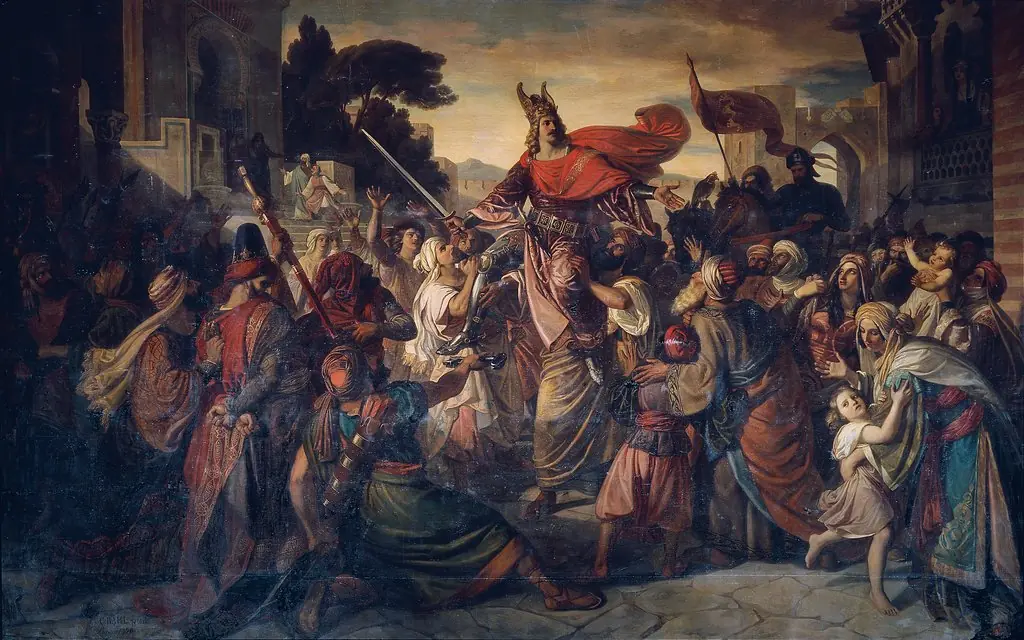 Der Empfang Manfreds (1231–1266) bei den Sarazenen in Luceria im Jahre 1254
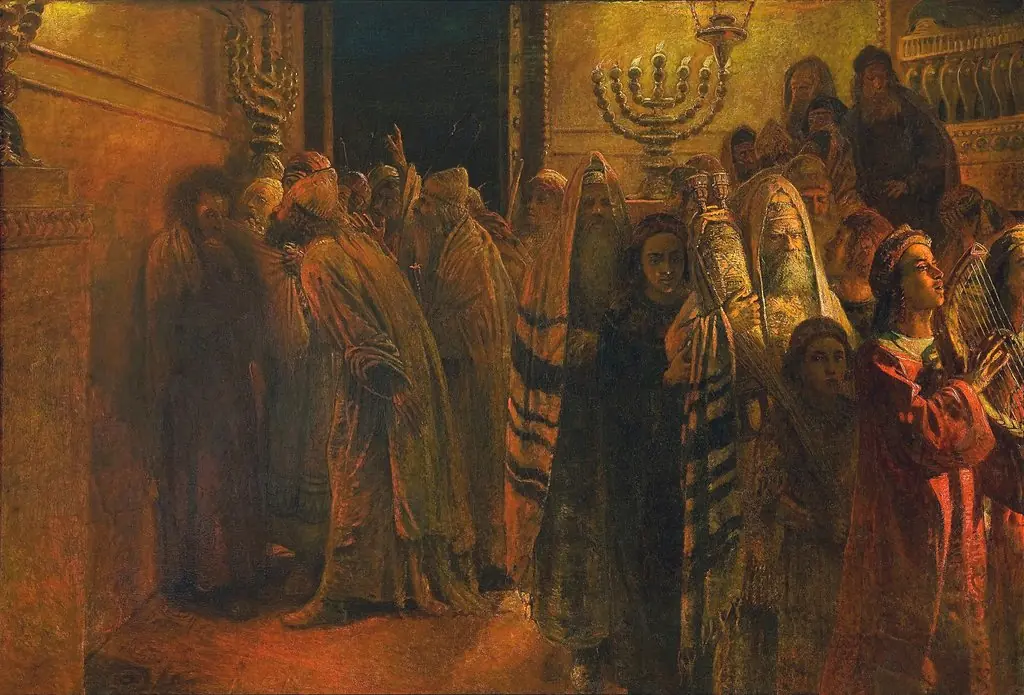 The Judgment of the Sanhedrin: He is Guilty!
 Hungarians at Kiev
 Mardochæus og Haman
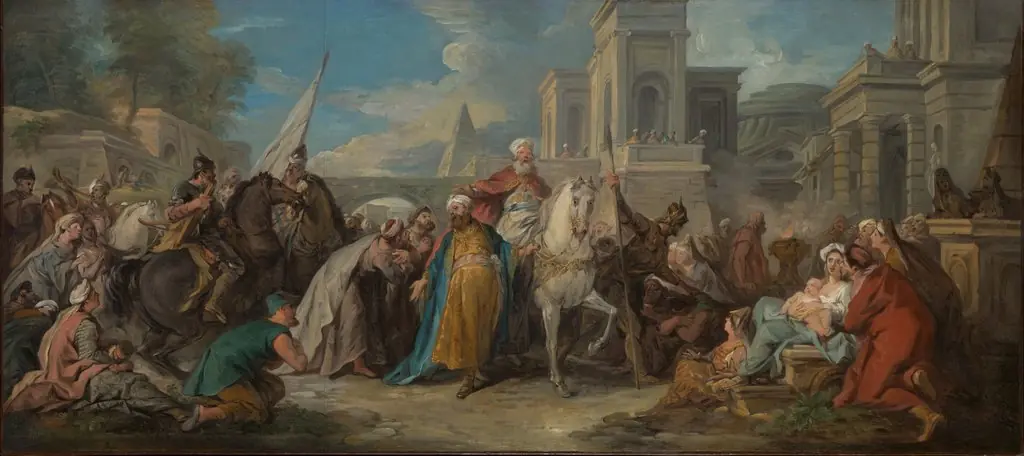 The Triumph of Mordecai
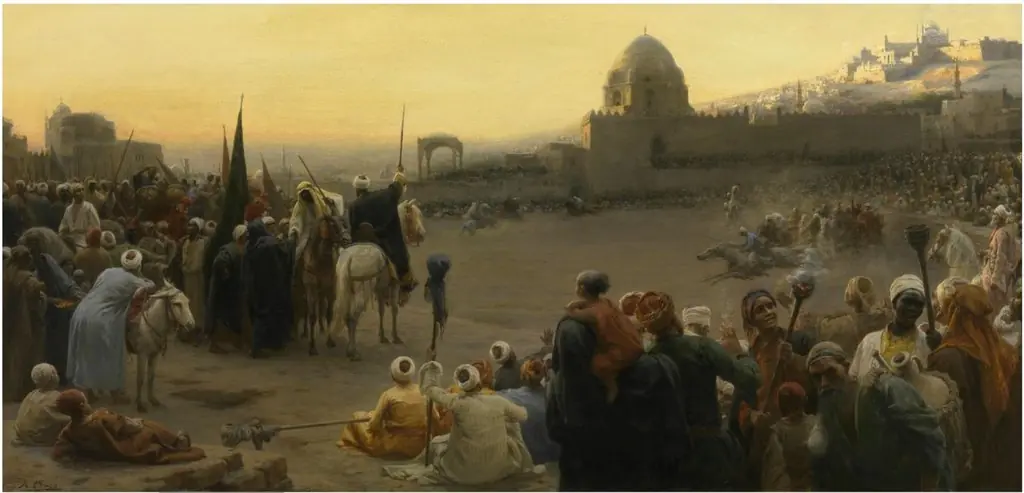 Fantasia in Egypt
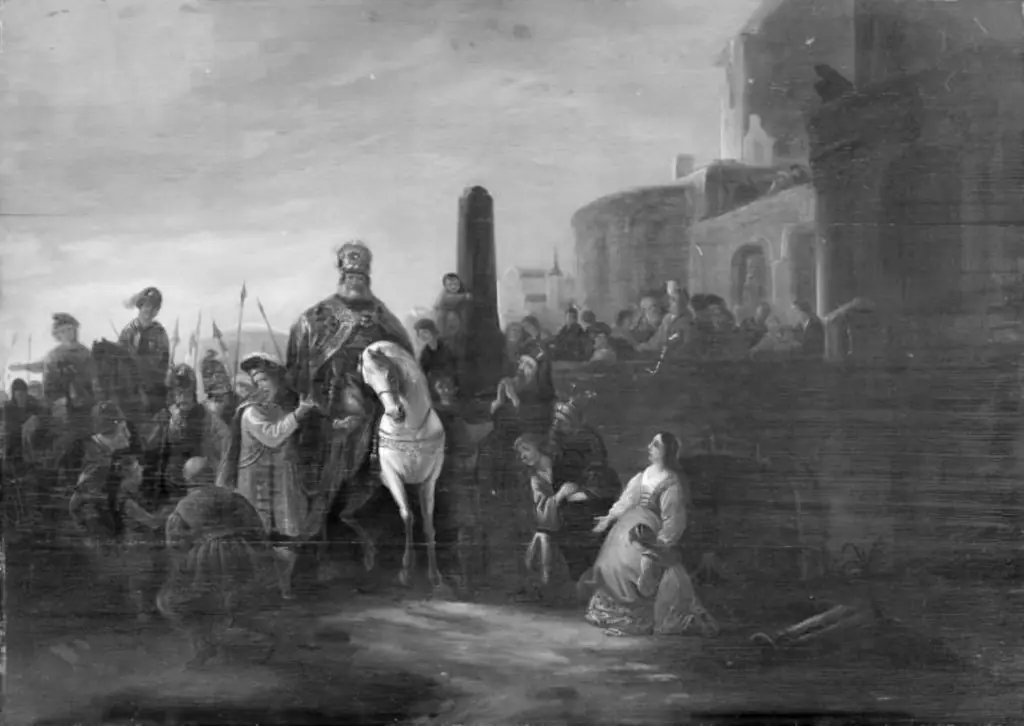 Mardochæus og Haman
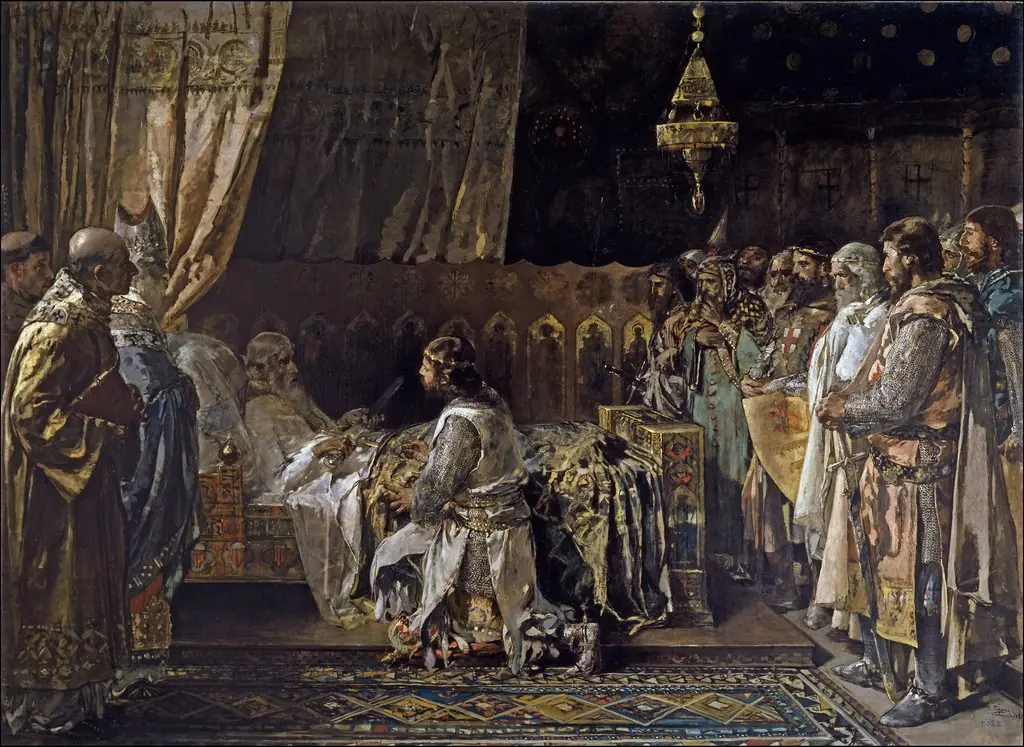 In his final moments, King Jaime el Conquistador gives his sword to his son, Pedro
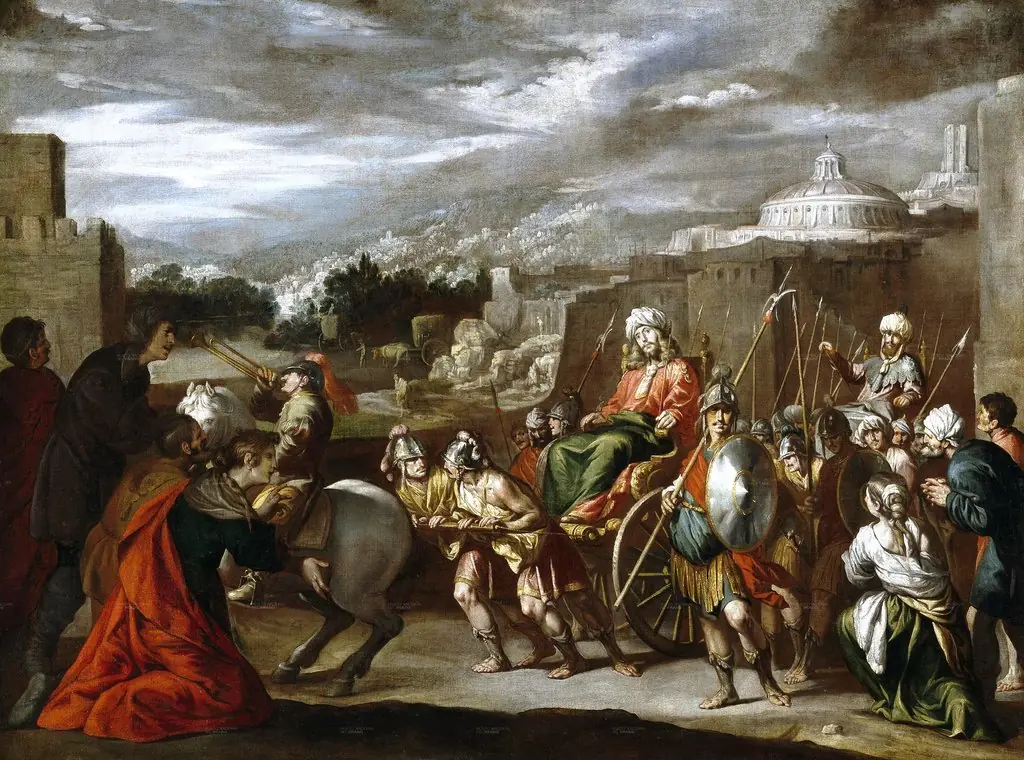 Joseph’s Triumph in Egypt
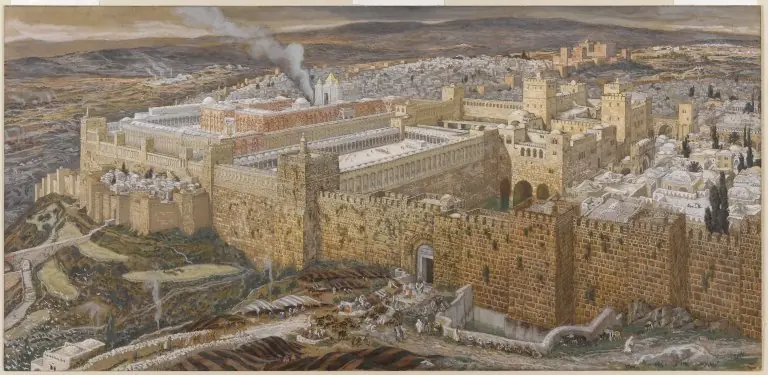 Reconstruction of Jerusalem and the Temple of Herod