Artwork
James, Second Marquis of Hamilton
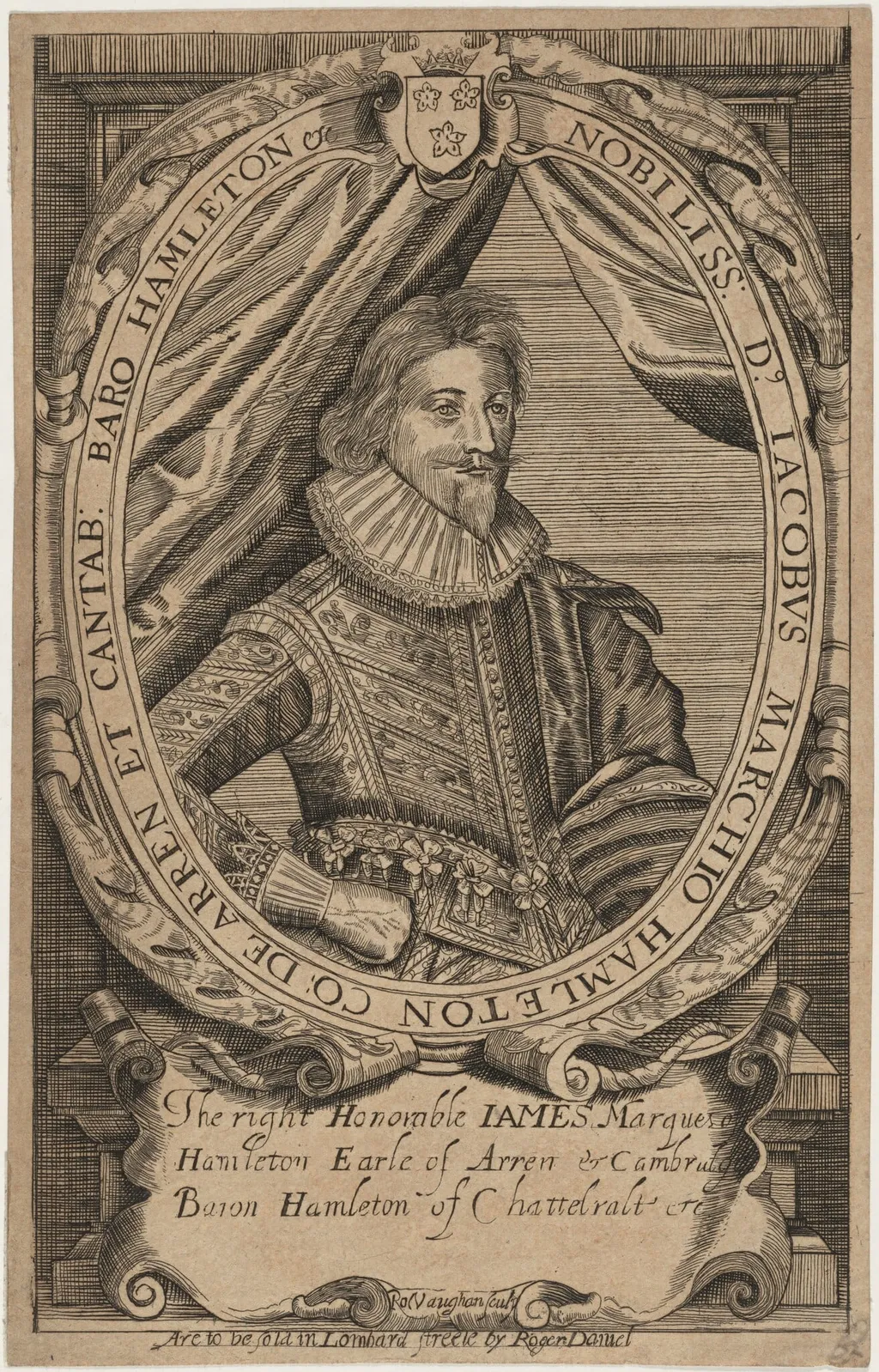
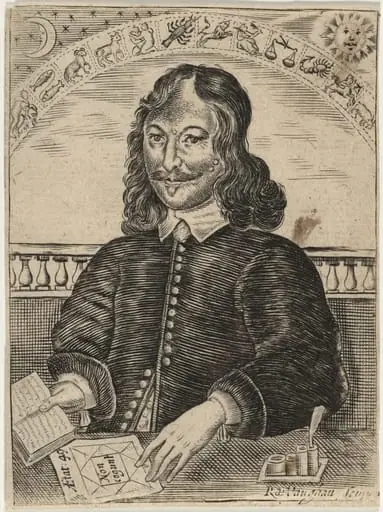
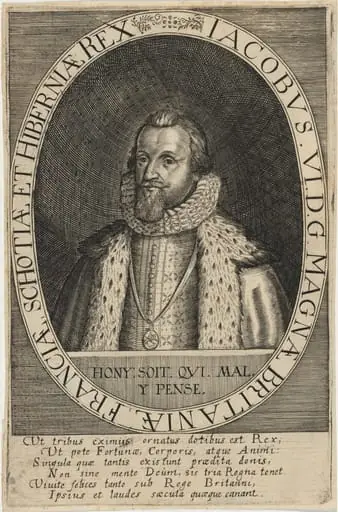
James, Second Marquis of Hamilton is an ink print by the Renaissance artist Robert Vaughan. It dates from 1640 and is held in the collection of the National Gallery of Art.
About this work
Overview
Executed in fine line work typical of early 17th-century printmaking, the portrait captures the subject with precision and restraint.
This 1640 engraving by Robert Vaughan depicts James Hamilton, the Second Marquis of Hamilton, in formal attire. Executed in fine line work typical of early 17th-century printmaking, the portrait captures the subject with precision and restraint. The composition emphasizes facial features and textile detail, reflecting the period’s emphasis on aristocratic representation through controlled, intimate portraiture.
Subject & Meaning
James Hamilton, a prominent Scottish nobleman and courtier to Charles I, is portrayed with dignified stillness. His long hair and full beard align with contemporary aristocratic fashion, while his dark, high-collared garment signals status and formality. The direct gaze and minimal background suggest an intent to convey presence and authority rather than narrative or symbolism, typical of elite portraiture in the Stuart era.
Technique & Style
Vaughan employed fine-line engraving to render texture and volume, particularly in the lace cuffs and the subtle gradations of the sitter’s beard. The background, a plain wall partially veiled by a curtain, creates depth without distraction. The technique prioritizes clarity and detail over dramatic lighting, reflecting the Northern European print tradition that valued precision and restrained elegance over theatricality.
History & Provenance
Created in 1640, the engraving likely served as a reproductive portrait for distribution among Hamilton’s circle or as a diplomatic gift. Its survival in institutional collections suggests early recognition of its documentary value. No known original painting by a major artist precedes it, indicating Vaughan’s engraving may have been the primary visual record of Hamilton’s likeness during his lifetime.
Context
Produced on the eve of the English Civil War, the portrait reflects the lingering influence of Renaissance courtly ideals in Britain. While Italy had moved toward Baroque dynamism, British portraiture retained a quieter, more linear aesthetic. Vaughan’s work aligns with a tradition of engraved nobility portraits used to affirm lineage and social standing amid political uncertainty.
Legacy
The engraving remains a key example of mid-17th-century British printmaking, valued for its technical discipline and historical record. It contributes to the understanding of how aristocratic identity was visually constructed outside the major painting centers. Though not widely reproduced today, it continues to inform studies of Stuart-era portraiture and the role of prints in early modern elite culture.
Artist & collection

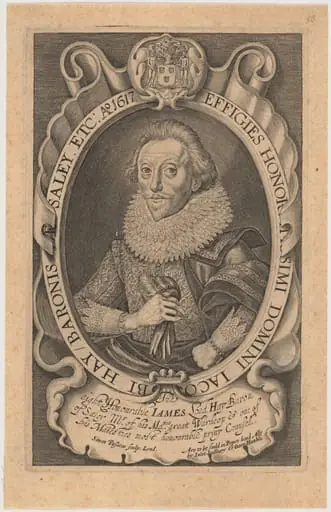 James Hay, First Earl of Carlisle
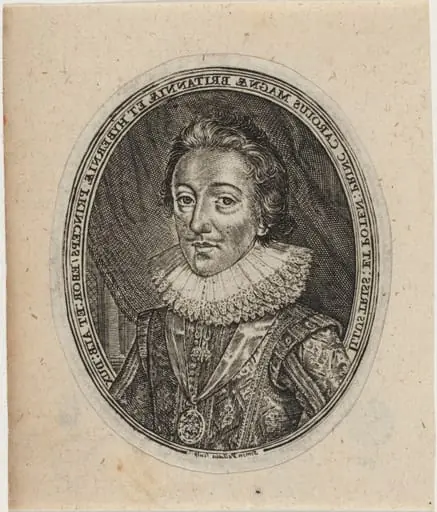 Charles I, King of England
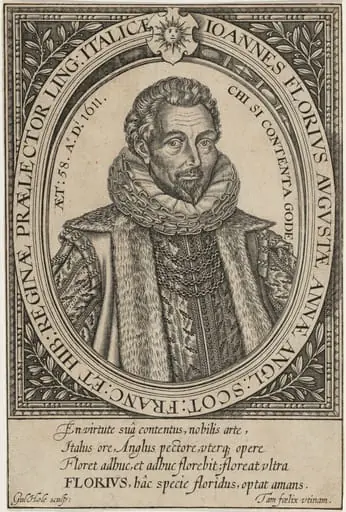 John Florio
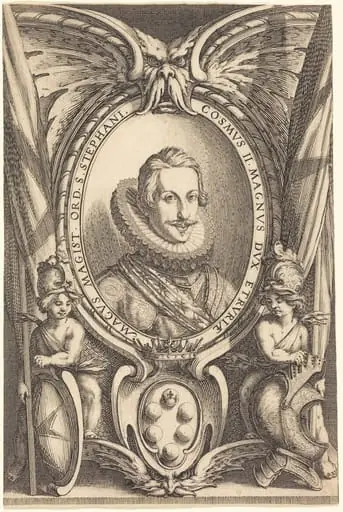 Cosimo II de' Medici, Grand Duke of Tuscany
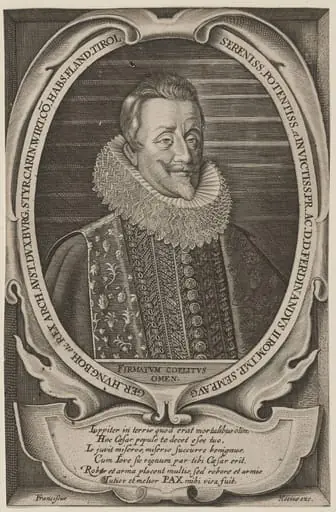 Ferdinand II, Roman Emperor
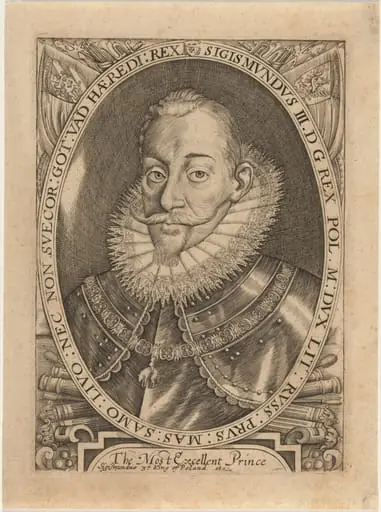 Sigismund III, King of Poland and Sweden
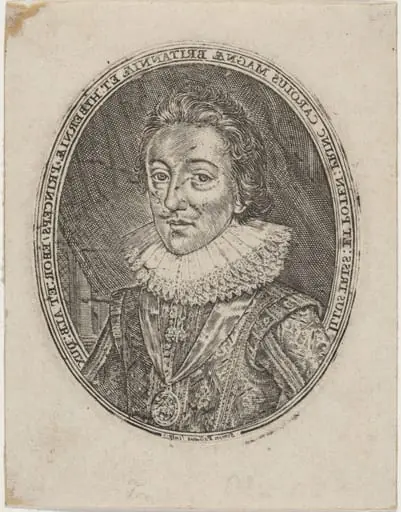 Charles I, King of England
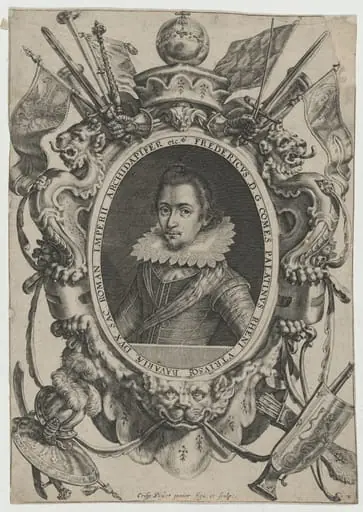 Frederick V, Elector Palatine, King of Bohemia
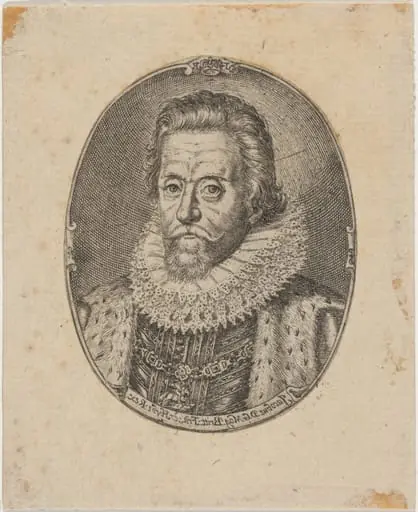 James I, King of England
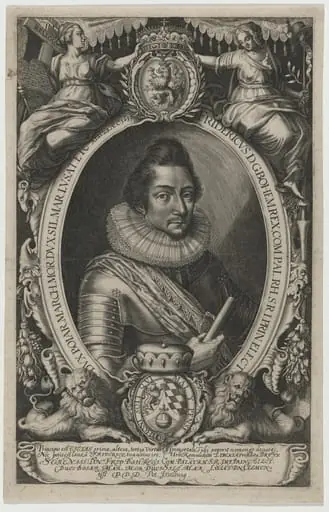 Frederick V, King of Bohemia
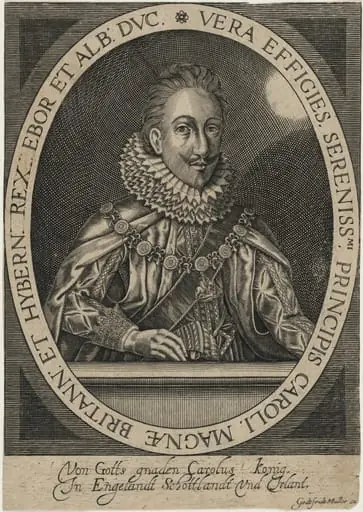 Charles I
 James I