Artwork
Sir Thomas Lyttleton, Lawyer
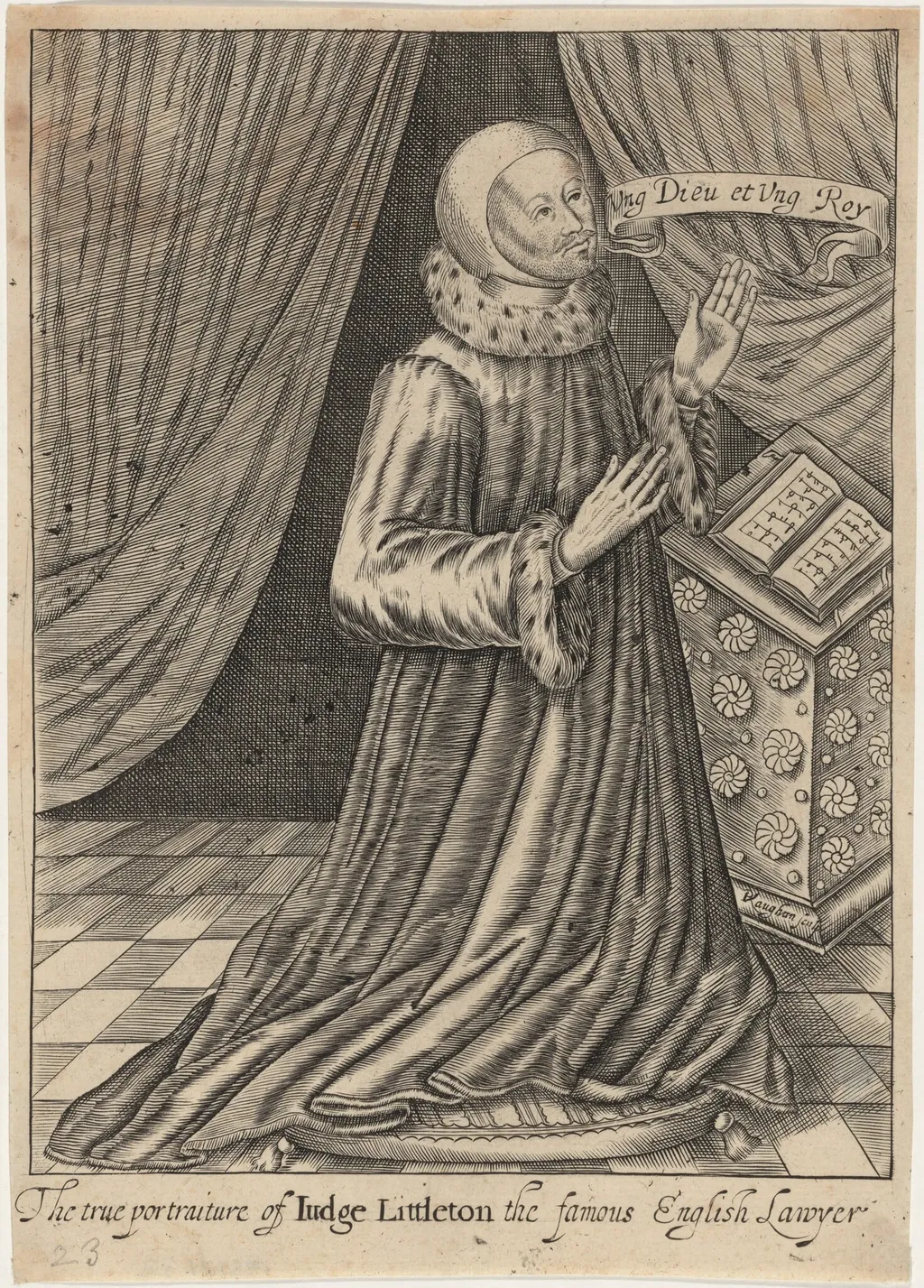
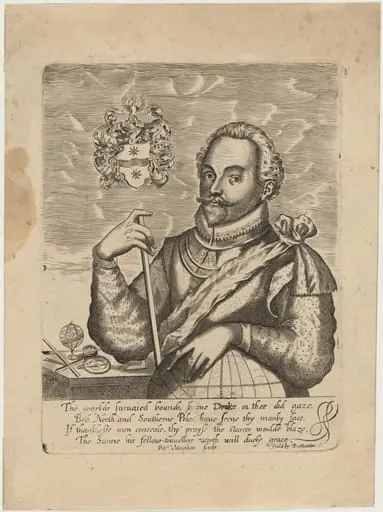
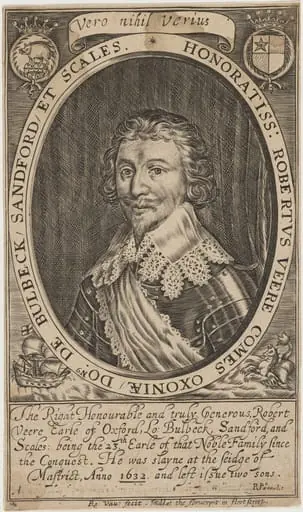
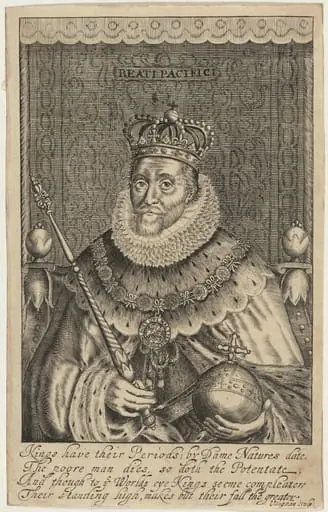
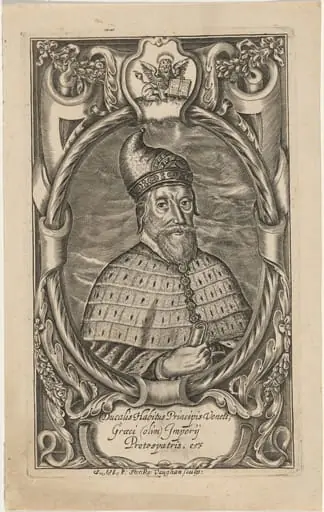
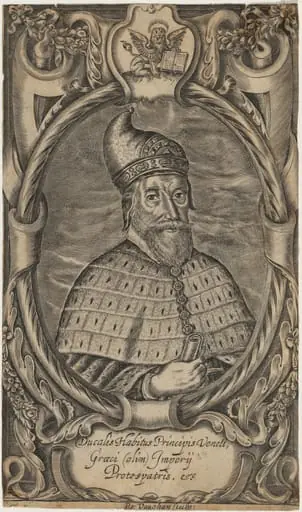
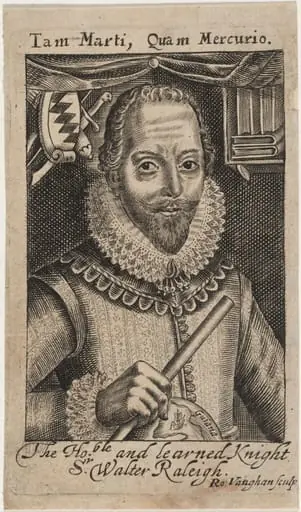
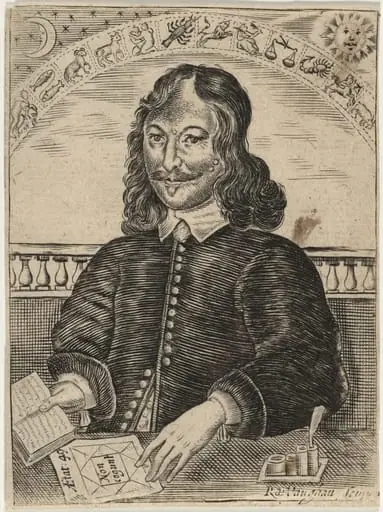
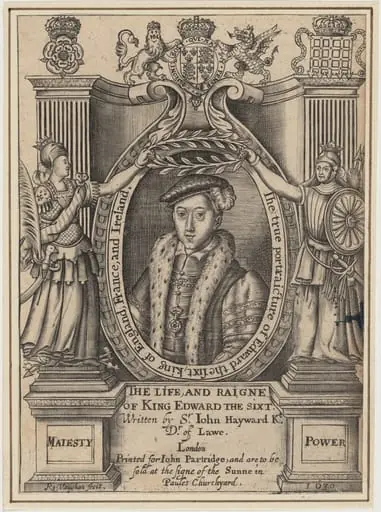
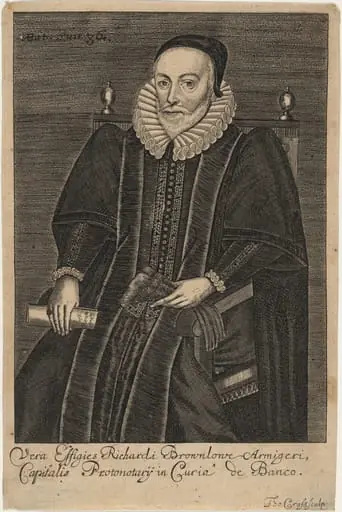
Sir Thomas Lyttleton, Lawyer is an ink print by the Baroque artist Robert Vaughan. It is held in the collection of the National Gallery of Art.
About this work
Overview
Rendered in monochrome, the portrait captures him in formal attire, conveying authority through posture and detail.
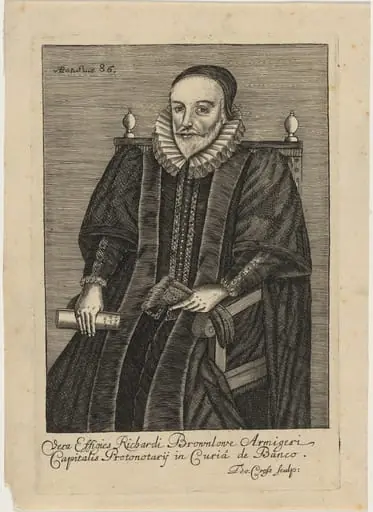
An engraving from 1684 by Robert Vaughan depicts Sir Thomas Lyttleton, a legal figure of the late 17th century. Rendered in monochrome, the portrait captures him in formal attire, conveying authority through posture and detail. The work belongs to a tradition of legal portraiture that emphasized status and function over personal expression. Its precision reflects the technical standards of engraved portraiture in post-Restoration England.
Subject & Meaning
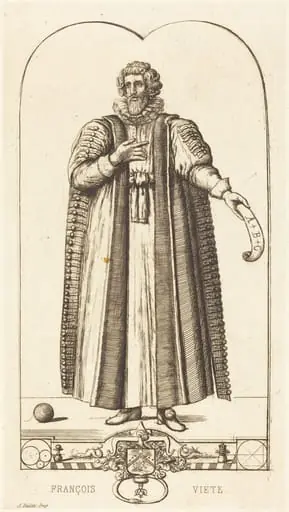
Sir Thomas Lyttleton is shown holding a scroll inscribed with the phrase 'Long Dieu et Ung Rey,' signaling loyalty to both divine and monarchical order. His gesture, one hand open as if speaking, suggests the role of a legal advocate or judge. The solemn expression and formal robe reinforce his position within the judicial system. The inscription ties his professional identity to the political and religious values of the era.
Technique & Style
Vaughan employed fine, intersecting lines to model form and texture, a method known as cross-hatching. The heavy folds of the robe and the crisp edges of the scroll are rendered through dense, controlled strokes. Background patterns of parallel and crisscrossed lines create depth without distraction. The absence of color focuses attention on line and contrast, typical of engraved portraits intended for reproduction and dissemination.
History & Provenance
Created in 1684, the engraving likely served as a portrait for legal circles or institutional archives. Vaughan, active in London during the Restoration, specialized in portraits of public figures. While the original commission is unrecorded, the work’s survival suggests it was valued within professional or familial networks. No known early ownership records exist, but its preservation indicates continued relevance in legal or antiquarian collections.
Context
In the decades following the English Civil War and Restoration, portraits of jurists reinforced the reestablishment of state authority. Legal professionals were increasingly depicted as pillars of order, their imagery tied to loyalty and tradition. The French inscription reflects lingering continental influences in elite legal culture. This engraving aligns with a broader trend of using print to legitimize and memorialize public service.
Legacy
The engraving remains a modest but representative example of late 17th-century legal portraiture. It illustrates how print technology enabled the circulation of professional identity beyond elite circles. Though not widely known today, it contributes to the visual record of England’s judicial class during a formative period. Its technical discipline and symbolic content offer insight into the values upheld by the legal profession at the time.
Artist & collection