Artwork
From the Rubáiyát
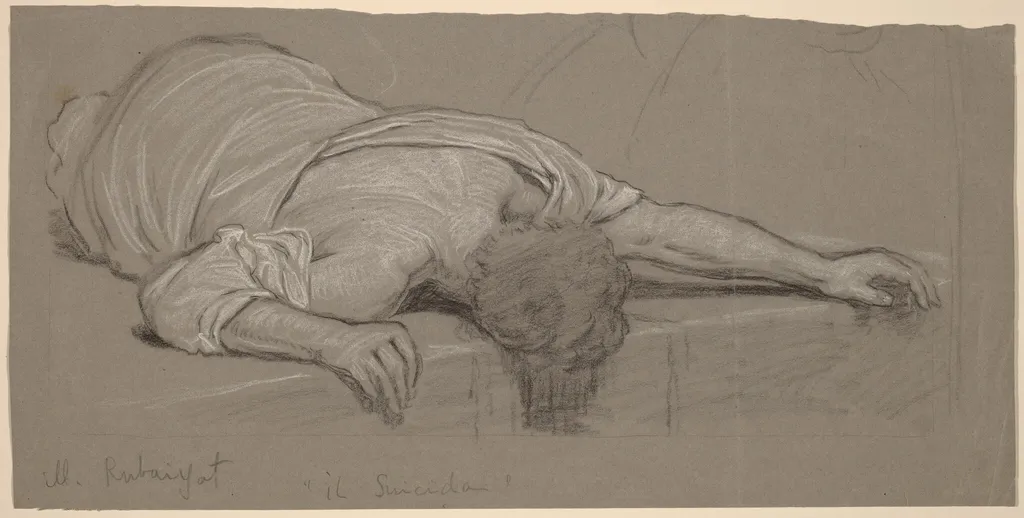
From the Rubáiyát is a graphite drawing by the Impressionist artist Elihu Vedder. It dates from 1887 and is held in the collection of the National Gallery of Art.
About this work
Overview
Created circa 1887, *From the Rubáiyát* is a drawing by American artist Elihu Vedder. Executed in graphite and black‑and‑white chalk on wove paper, the work measures a modest size and functions as a study rather than a finished illustration. The artist’s own inscription at the bottom identifies the piece as a visual response to the Persian verses popularized in the West.
Subject & Meaning
The composition depicts a solitary figure lying prone, arms outstretched, head turned slightly. The pose suggests a moment of repose or vulnerability, rendered without facial detail or surrounding context. By linking the image to the *Rubáiyát*, Vedder invites contemplation of the poem’s themes of transience and contemplation, using the body as a metaphorical embodiment of those ideas.
Technique & Style
The sketch’s unfinished quality reflects a rapid, exploratory approach typical of Vedder’s preparatory studies.
Vedder employs loose, gestural lines and subtle shading to model the figure in three dimensions. The combination of graphite’s fine lines with the broader tonal range of white and black chalk creates a soft chiaroscuro effect, emphasizing the tension between relaxation and underlying strain. The sketch’s unfinished quality reflects a rapid, exploratory approach typical of Vedder’s preparatory studies.
History & Provenance
Vedder, known for his extensive work in book illustration, contributed fifty‑five designs to Edward FitzGerald’s translation of *The Rubáiyát of Omar Khayyam*, published by Houghton Mifflin in a deluxe edition. This drawing likely originated as a preliminary exploration for that commission, though it was never incorporated into the final printed volume.
Context
Operating within the Symbolist movement, Vedder frequently merged literary sources with visual allegory. The late 1880s saw a surge of interest in Eastern poetry among Western artists, and Vedder’s engagement with the *Rubáiyát* aligns with this broader cultural fascination, positioning the work within a network of cross‑cultural artistic dialogues.
Artist & collection

Artist
Elihu Vedder (26 February 1836 – 29 January 1923) was an American symbolist painter, book illustrator and poet from New York City.

 The Fable of the Miller, His Son, and the Donkey
 The Fable of the Miller, His Son, and the Donkey
 The Fable of the Miller, His Son, and the Donkey
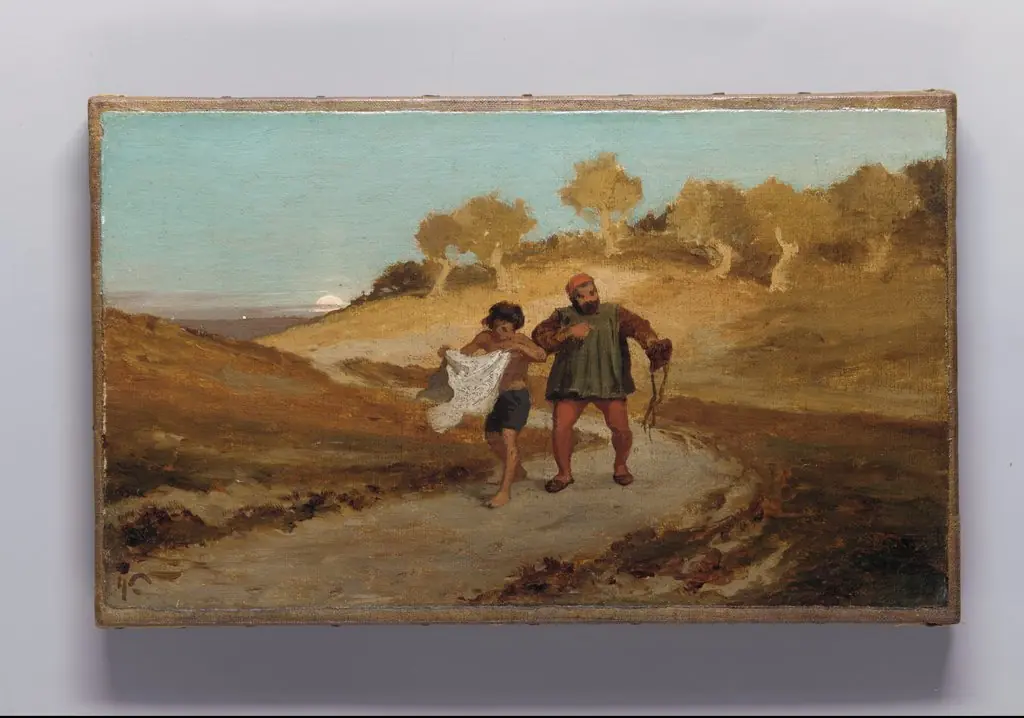 The Fable of the Miller, His Son, and the Donkey
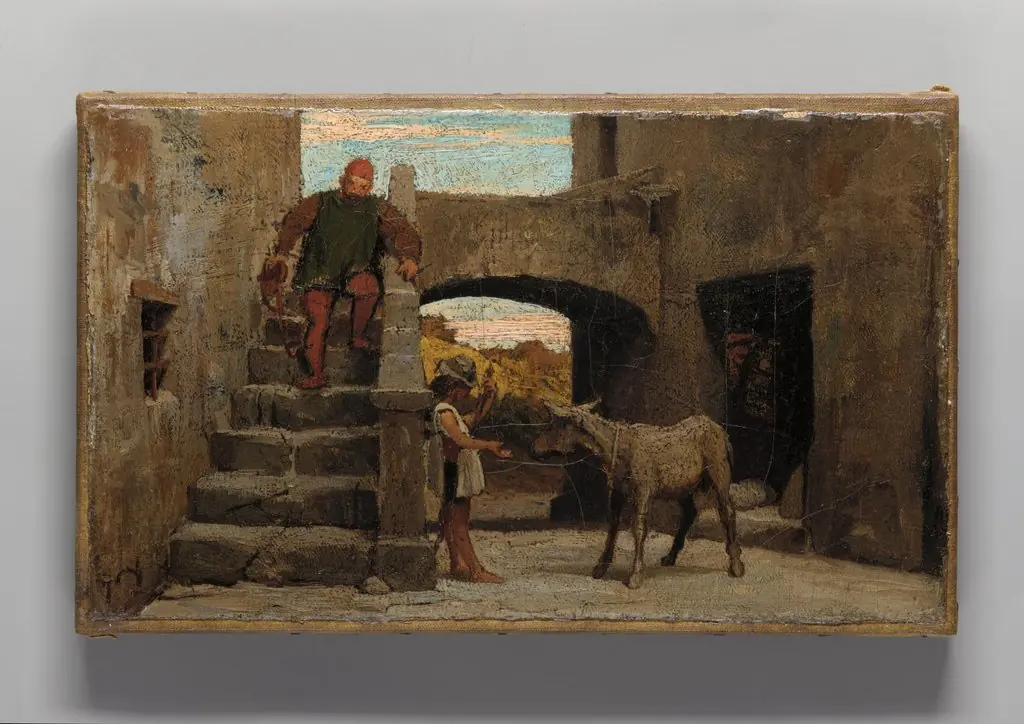 The Fable of the Miller, His Son, and the Donkey
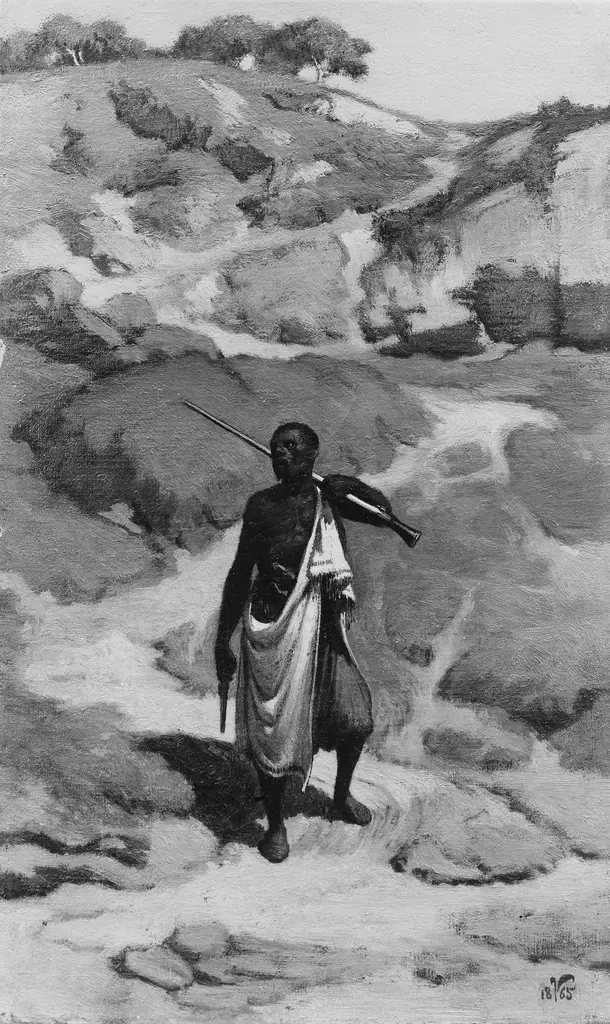 The African Sentinel
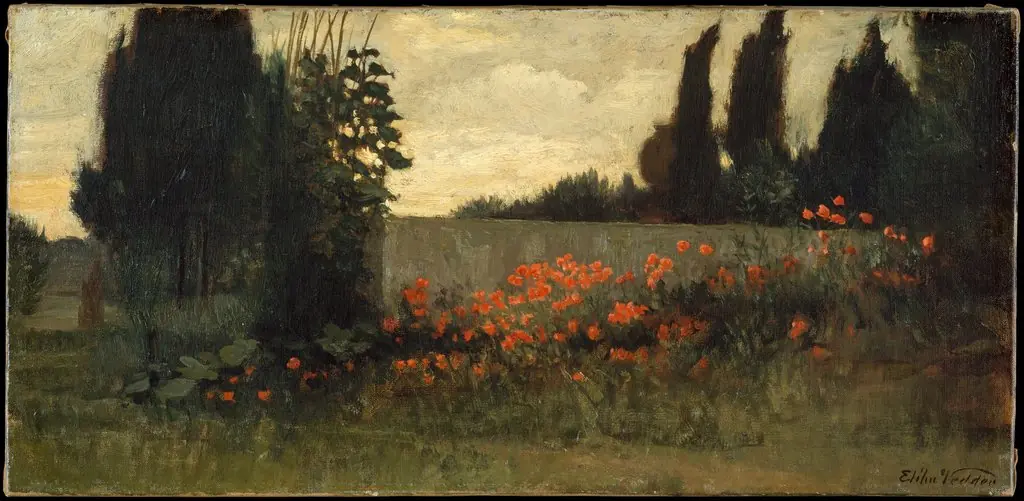 Cypress and Poppies
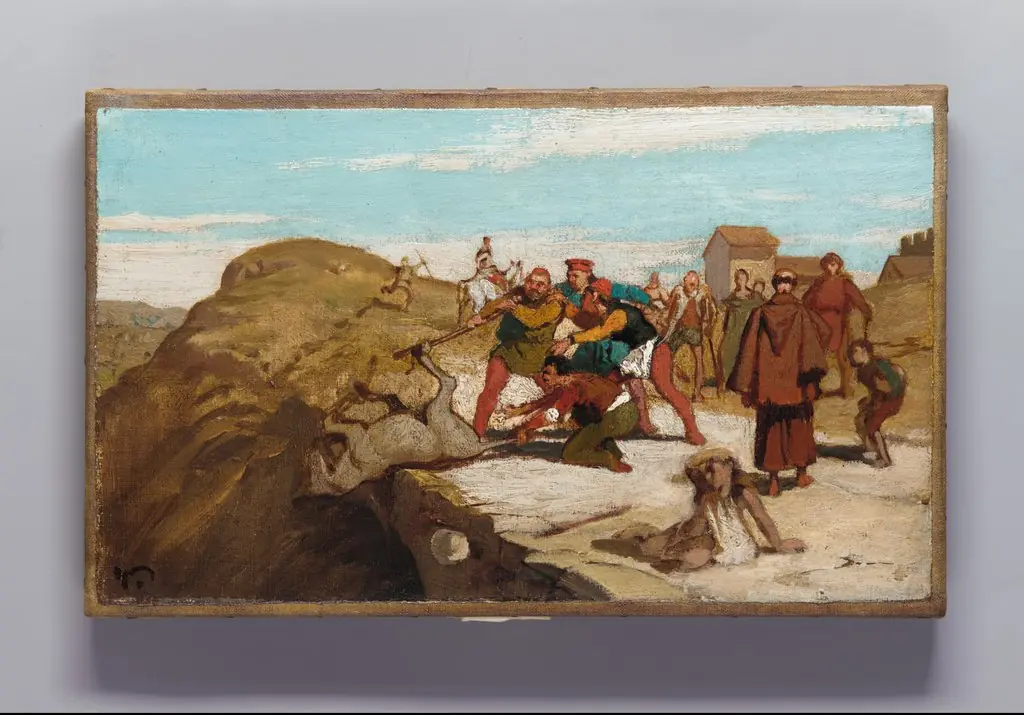 The Fable of the Miller, His Son, and the Donkey
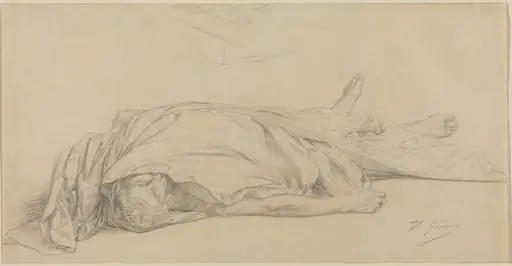 The Dead Caesar
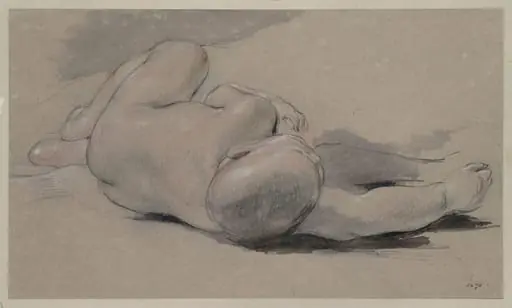 Study for the baby in 'The Peep 'O Day Boy'
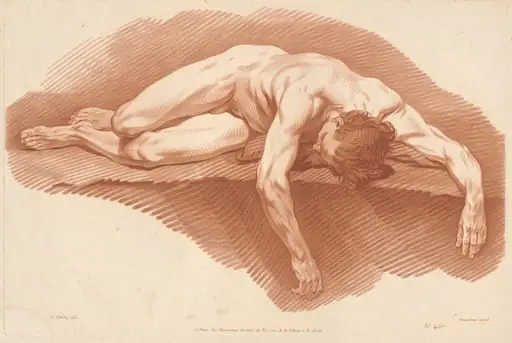 Académie (457)
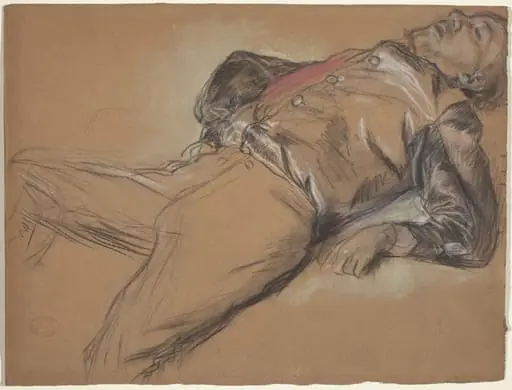 Fallen Jockey (study for "Scene from the Steeplechase: The Fallen Jockey")
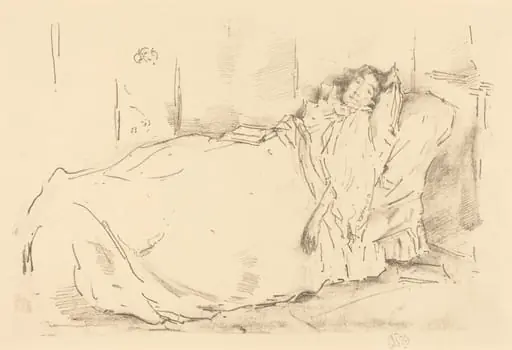 The Siesta
![Man Reclining on the Ground and the Corner of a Bed [verso], by Jean-Baptiste Deshays](https://artifactworldgallery.com/img/jean-baptiste-deshays--man-reclining-on-the-ground-and-the-corner-of-a-bed-verso--3e054816ddd681bf-w320.webp) Man Reclining on the Ground and the Corner of a Bed [verso]
Man Reclining on the Ground and the Corner of a Bed [verso]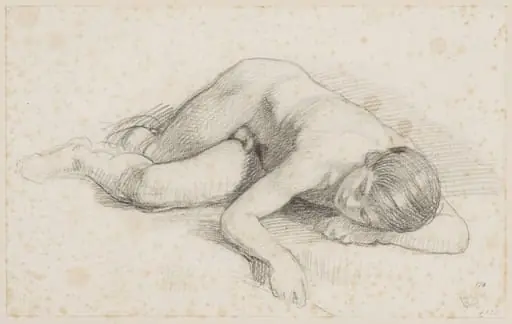 Study of a reclining nude youth
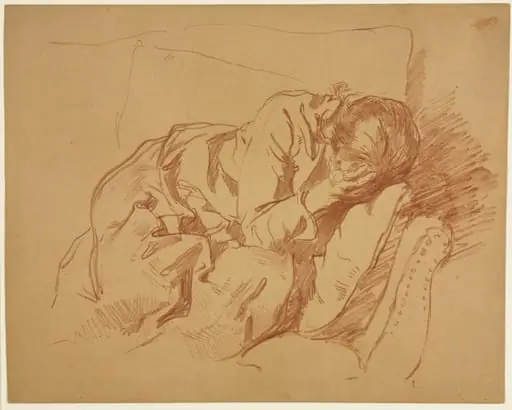 Lamenting Woman (Sarah H. Crone)
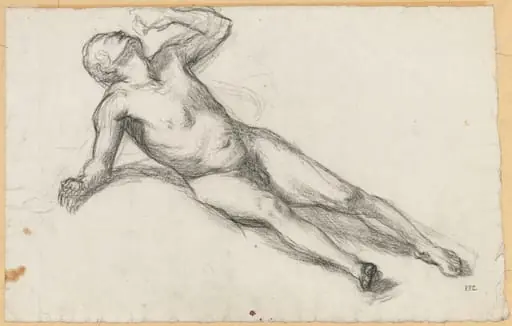 Study for The War
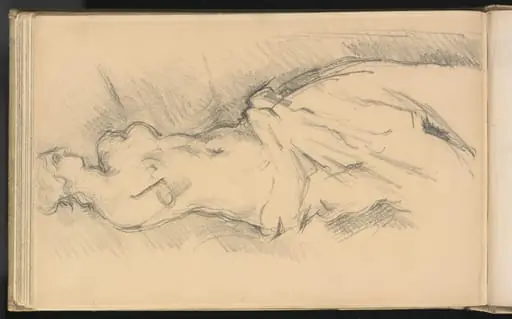 Study of "Venus de Milo"
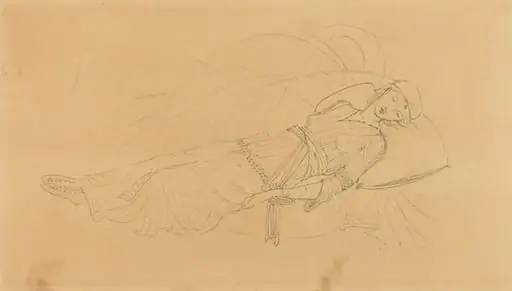 La Belle au bois dormant
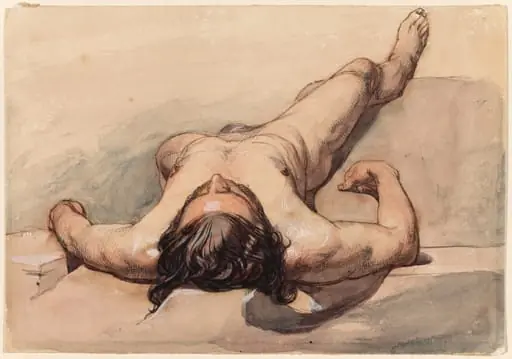 Study of a Male Nude