Artwork
Study after Old Master
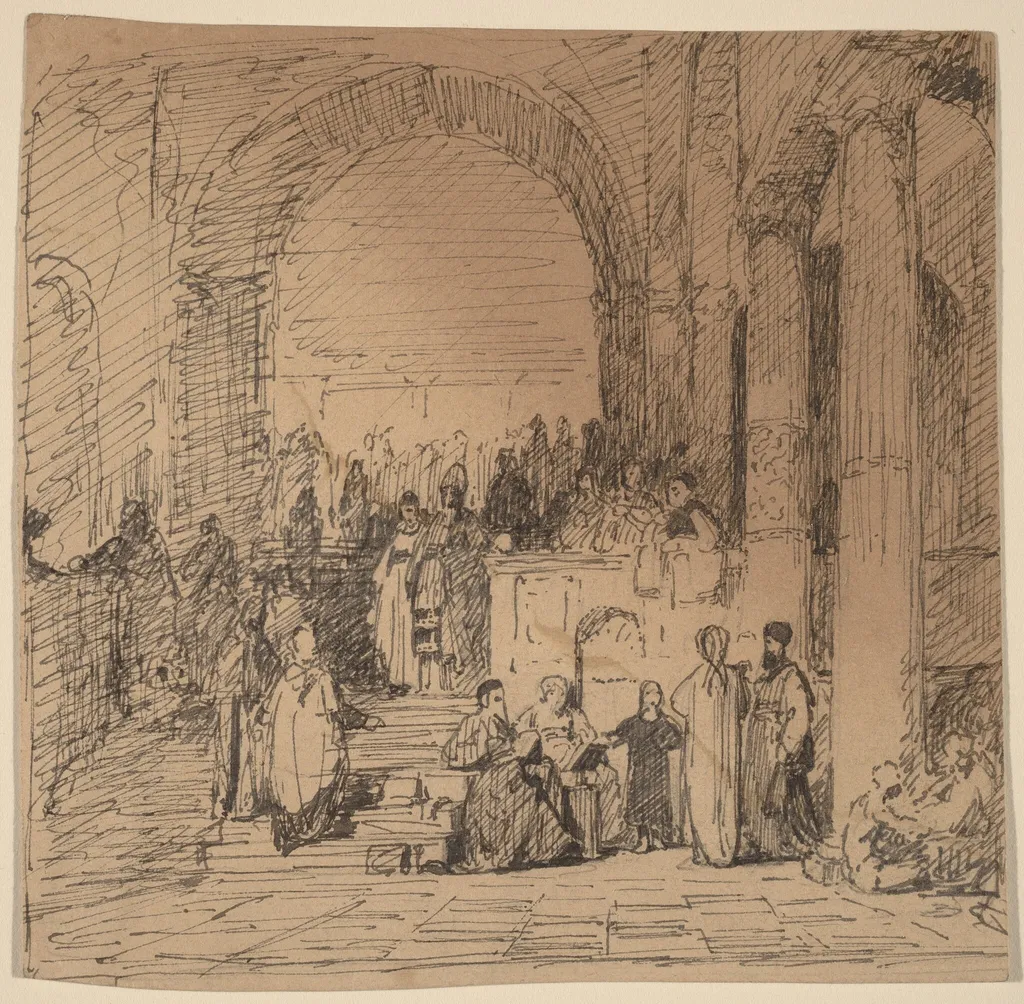
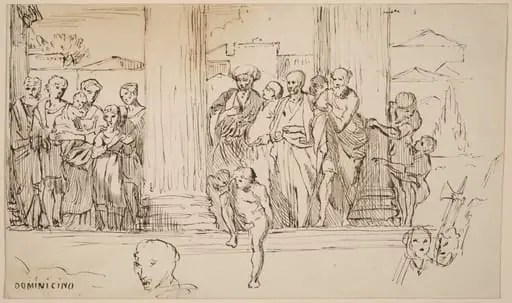
Study after Old Master is an ink drawing by the Impressionist artist Elihu Vedder. It dates from 1858 and is held in the collection of the National Gallery of Art.
About this work
Overview
Study after Old Master is a pen and ink drawing on wove paper created by Elihu Vedder around 1858. This work showcases Vedder's early engagement with classical and Renaissance influences, which would later shape his symbolist and illustrative style.
Subject & Meaning
The drawing depicts a crowded, ornate interior with figures in long robes interacting within a spacious, arched-ceilinged room adorned with tall columns. The scene reflects Vedder's study of historical artistic traditions.
Technique & Style
Executed in pen and ink, the drawing emphasizes meticulous detail, evident in the textured rendering of clothing and architectural elements. Intricate lines and shading techniques create a sense of depth and atmospheric richness, characteristic of Vedder's realistic approach.
History & Provenance
Created circa 1858, this drawing represents an early example of Vedder's artistic development, preceding his notable work on *The Rubaiyat of Omar Khayyam*. Specific provenance details are not provided.
Context
While Vedder is often associated with Symbolism, this piece, with its detailed realism, suggests an early alignment with Realist tendencies, a movement emphasizing accurate, detailed representation of subjects.
Legacy
Study after Old Master contributes to an understanding of Vedder's formative period, illustrating how classical studies informed his later, more renowned symbolist and illustrative works.
Artist & collection

Artist
Elihu Vedder (26 February 1836 – 29 January 1923) was an American symbolist painter, book illustrator and poet from New York City.

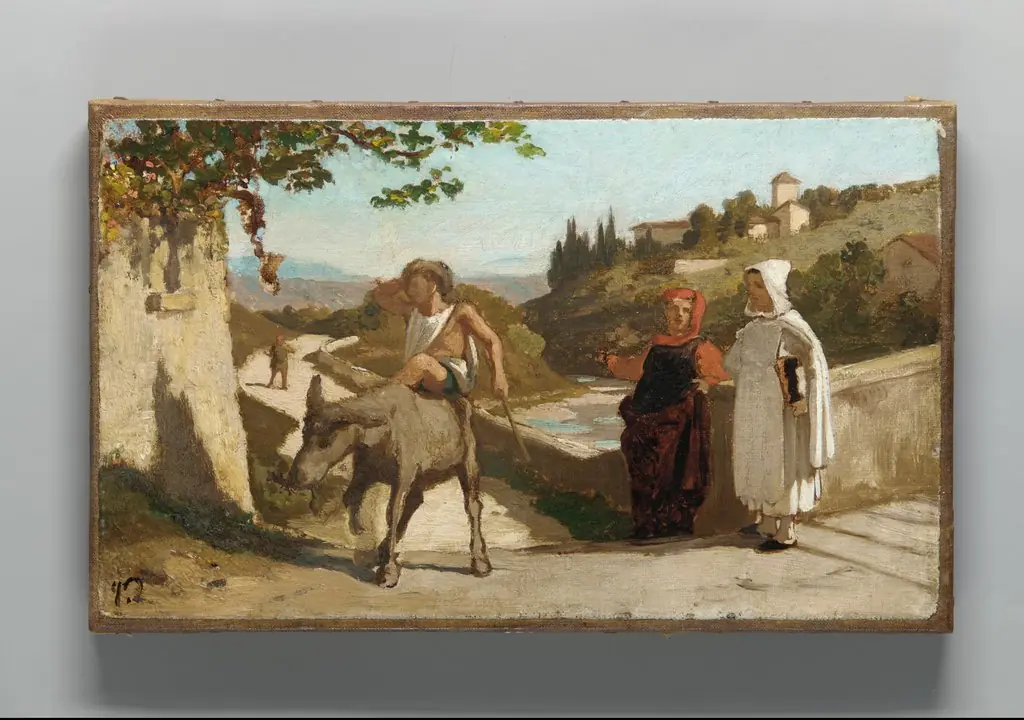 The Fable of the Miller, His Son, and the Donkey
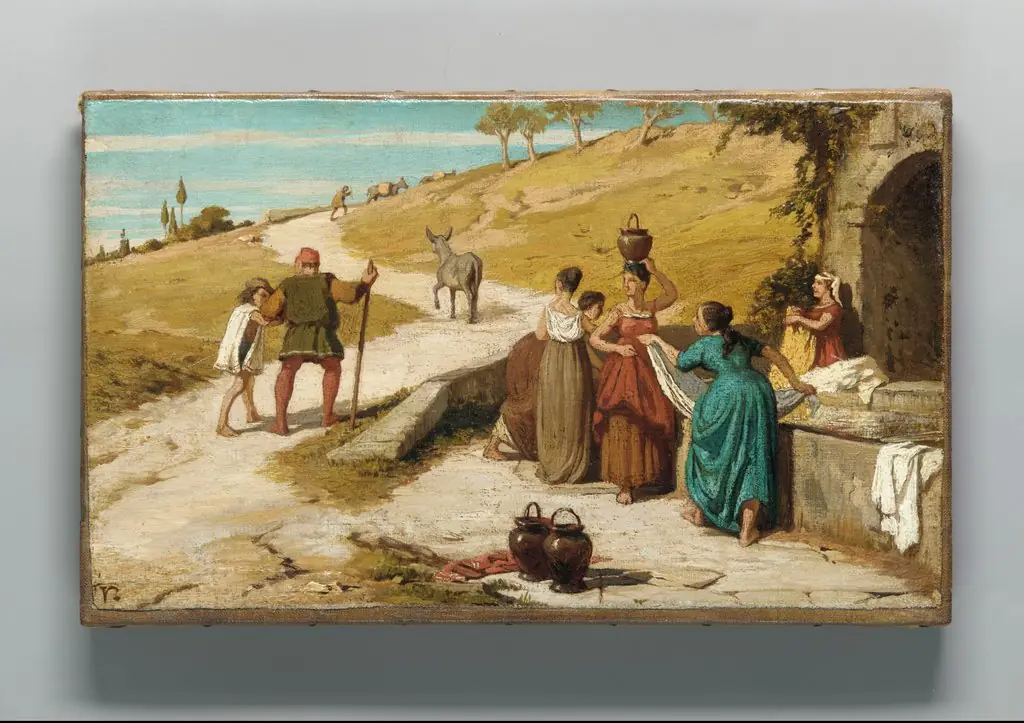 The Fable of the Miller, His Son, and the Donkey
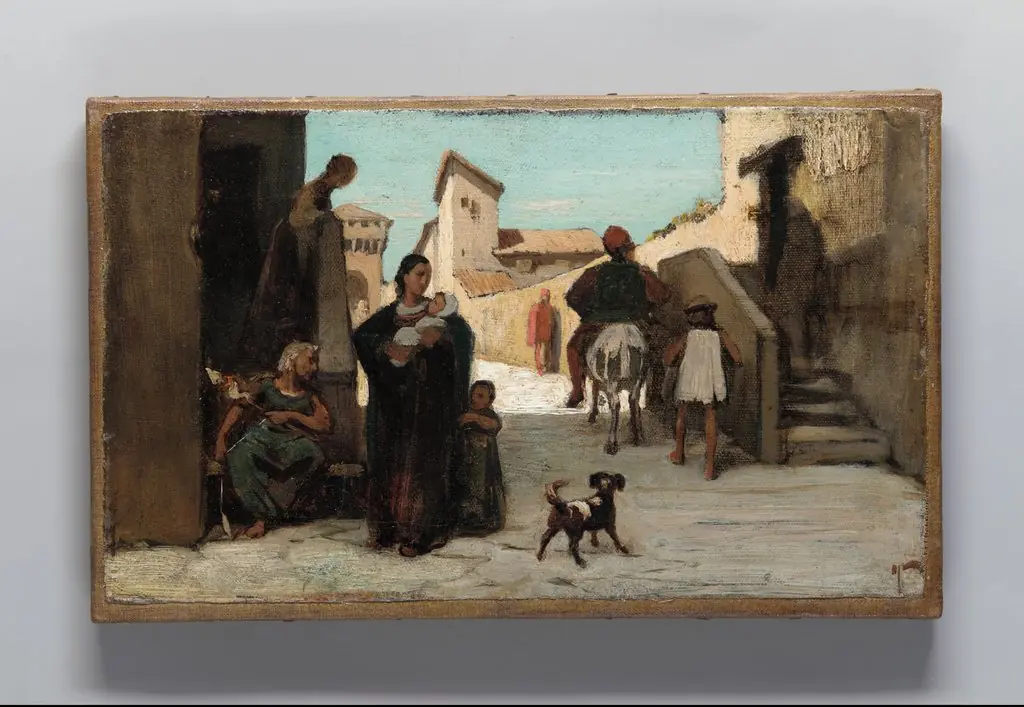 The Fable of the Miller, His Son, and the Donkey
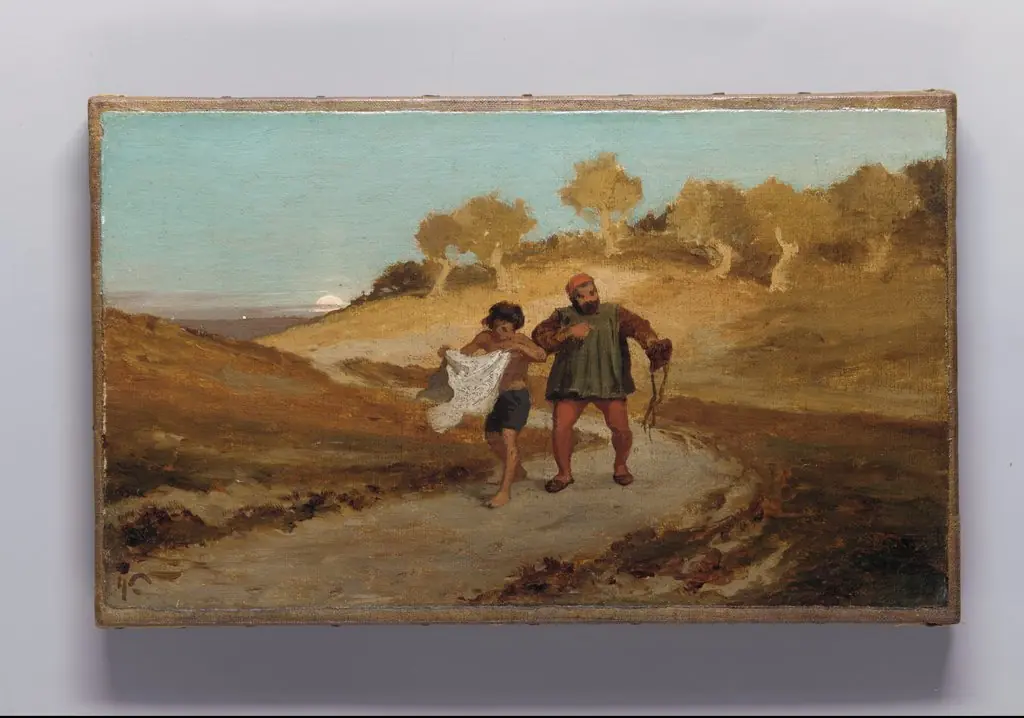 The Fable of the Miller, His Son, and the Donkey
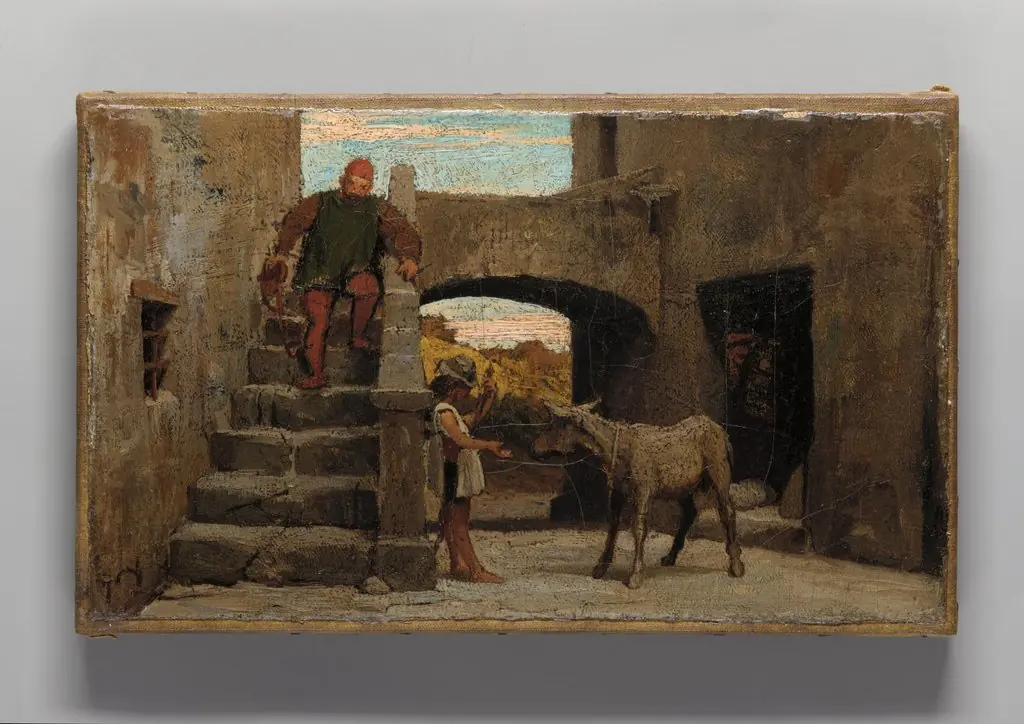 The Fable of the Miller, His Son, and the Donkey
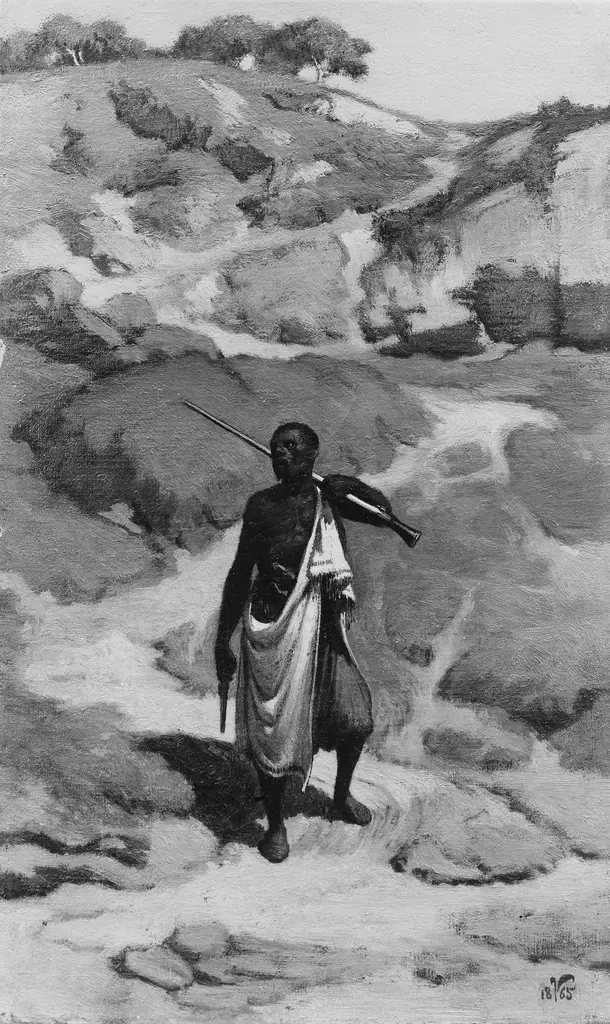 The African Sentinel
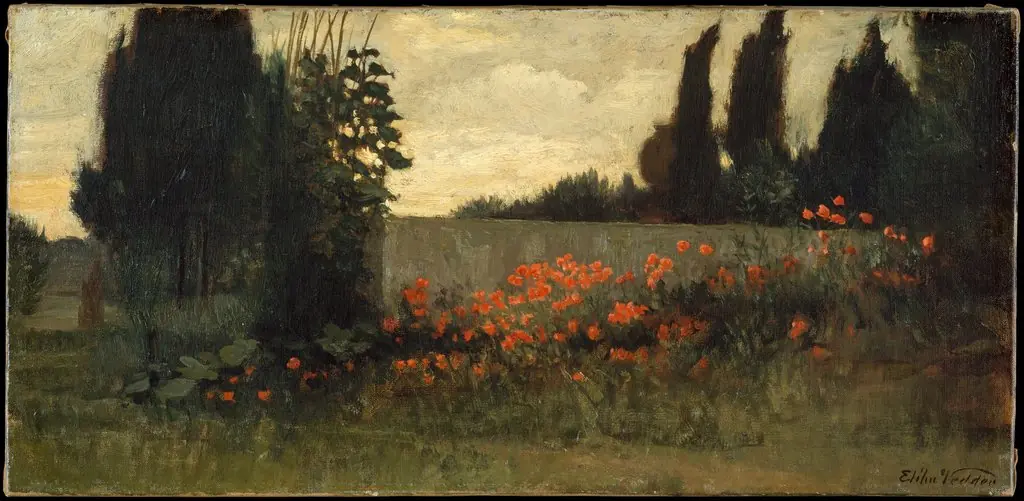 Cypress and Poppies
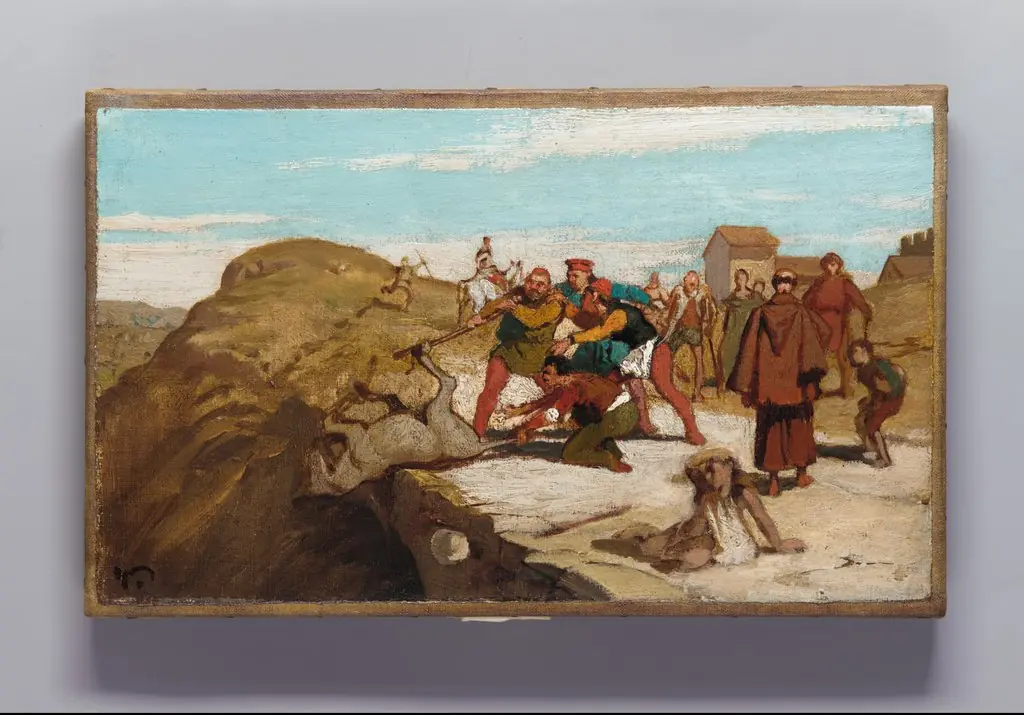 The Fable of the Miller, His Son, and the Donkey
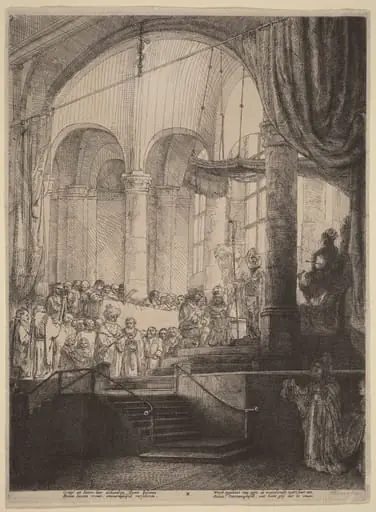 Medea, or the Marriage of Jason and Creusa
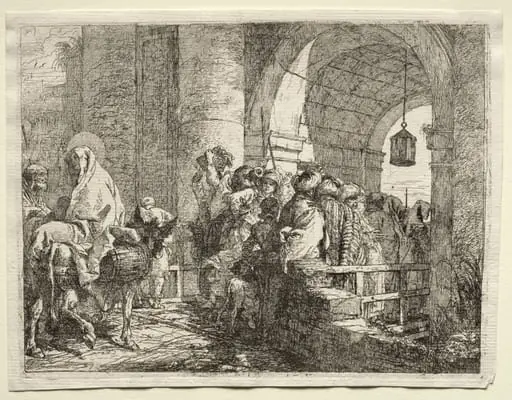 Flight into Egypt: The Holy Family Passing under an Arch
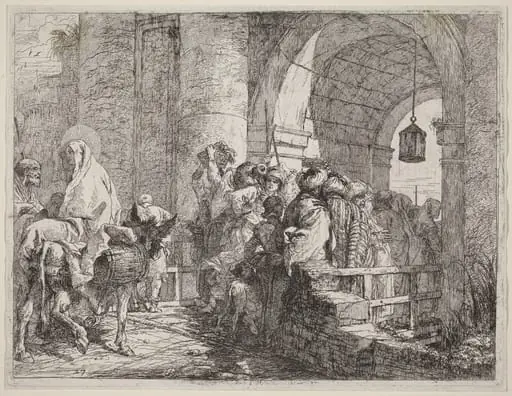 The Holy Family Arriving at a City Gate
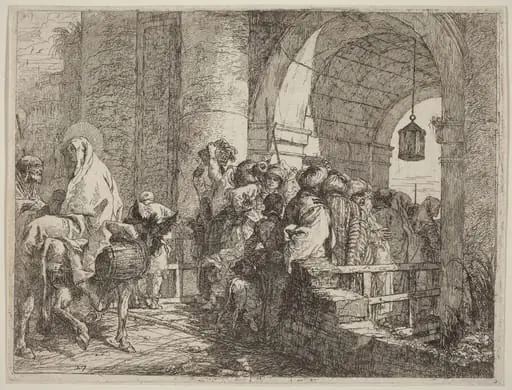 The Holy Family Arriving at a City Gate
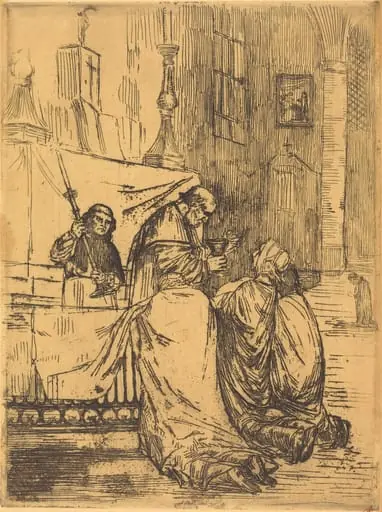 Communion in the Church of Saint Medard (La communion dans l'eglise St.-Medard)
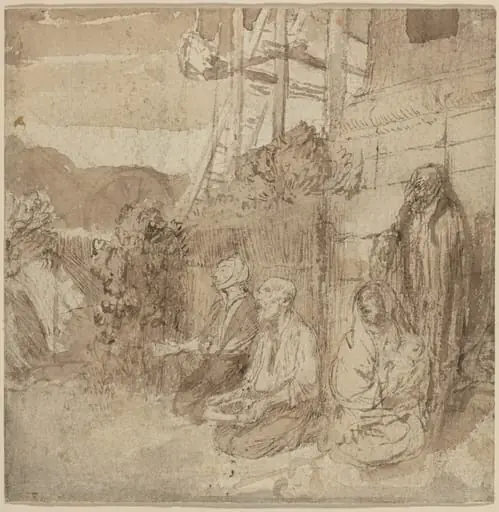 English Beggars
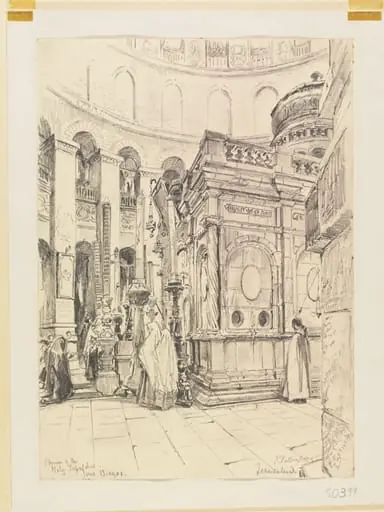 Shrine of the Holy Sepulchre, Jerusalem
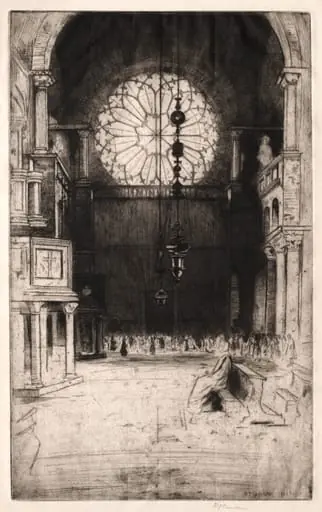 St. Mark's No. 2 (Venice) -- Interior
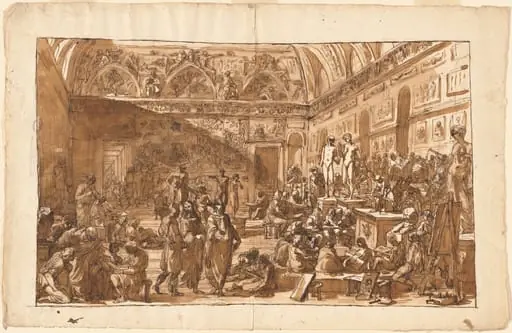 The School of Rome
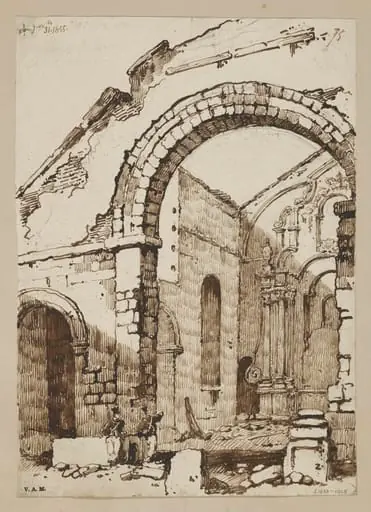 The ruins of St Paul's church, Macau, after the fire of 26 January 1835
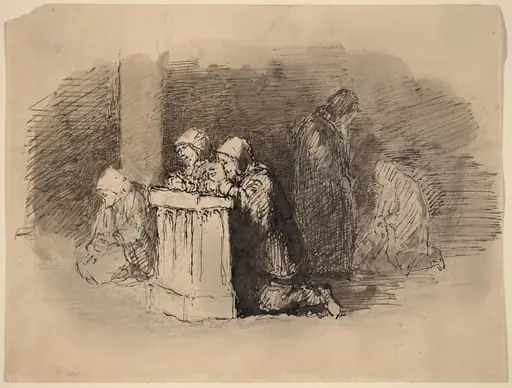 Praying Figures in a Church, Florence
 Study after Domenichino