Artwork
Rannalla
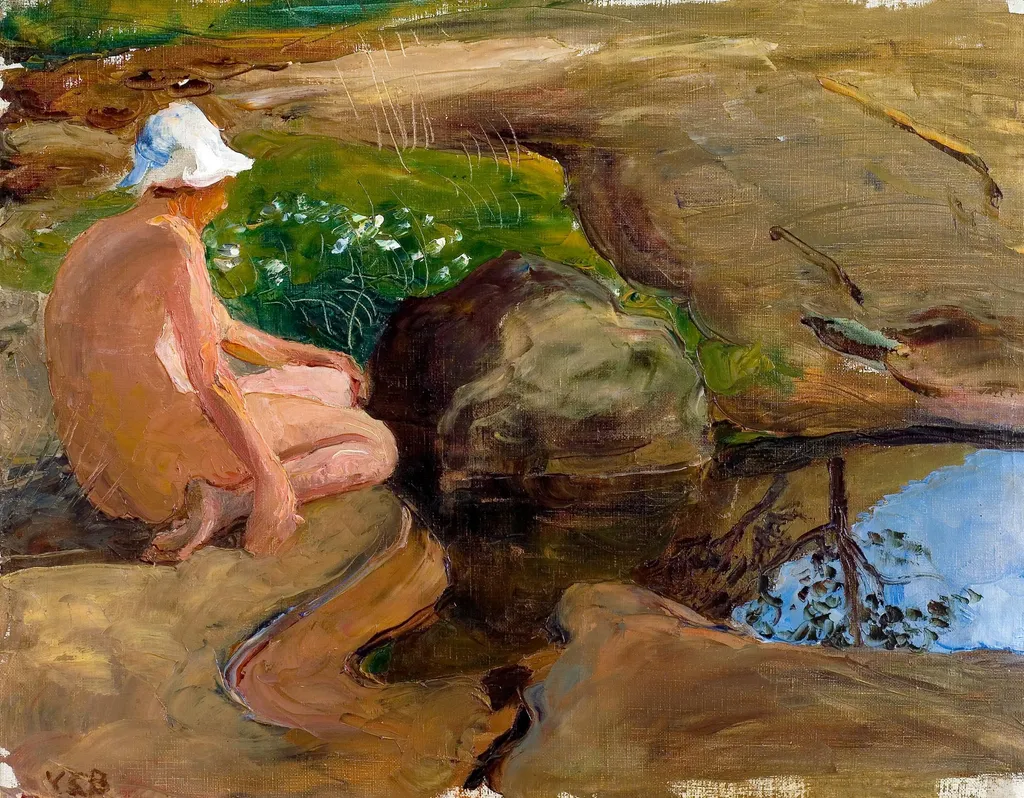
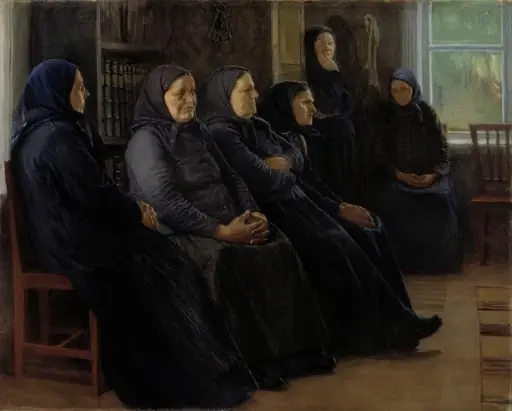
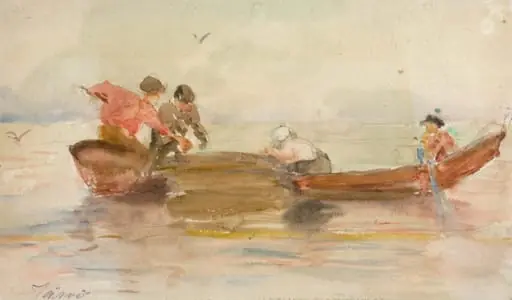
Rannalla is a photography by Venny Soldan-Brofeldt. It dates from 1913 and is held in the collection of the Järvenpää Art Museum.
About this work
Overview
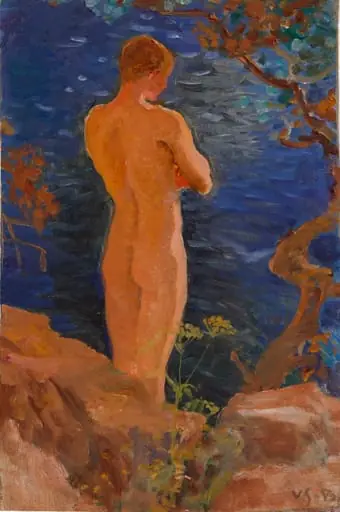
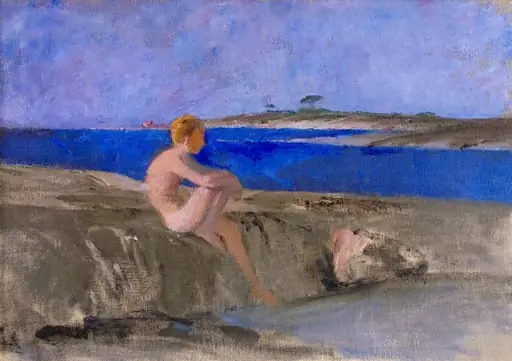
Rannalla, painted around 1913 by Venny Soldan-Brofeldt, depicts a solitary figure seated on the ground, enveloped in draped fabric.
Rannalla, painted around 1913 by Venny Soldan-Brofeldt, depicts a solitary figure seated on the ground, enveloped in draped fabric. The composition is intimate and quiet, focusing on the figure’s stillness rather than narrative action. The palette leans toward muted earth tones—browns, greens, and pale pinks—with a hint of white suggesting a head covering. The background dissolves into soft, indistinct forms, reinforcing the figure’s isolation within a natural setting.
Subject & Meaning
The subject appears to be a person in repose, possibly resting or meditating, wrapped in a blanket that merges with the landscape. There is no clear indication of identity or specific activity, inviting contemplation rather than interpretation. The anonymity of the figure and the subdued environment suggest themes of solitude, introspection, or harmony with nature, common in early 20th-century Nordic art that valued inner experience over external drama.
Technique & Style
Soldan-Brofeldt employed thick, tactile applications of paint, using impasto to build texture across the figure’s wrapping and the foreground. Brushstrokes are deliberate and visible, creating a sense of physical presence in the cloth and ground. The background is rendered with looser, blended strokes, contrasting with the dense foreground. This interplay of texture and blur directs attention to the figure while dissolving spatial boundaries between body and environment.
History & Provenance
Rannalla was created during a period when Soldan-Brofeldt was deeply engaged with Finnish Symbolist and naturalist traditions. Little is documented about the painting’s early ownership, but it has remained within Nordic collections since its creation. Its survival without major alterations suggests it was valued by contemporaries for its emotional restraint and technical experimentation, though it never achieved widespread public recognition.
Context
Painted in the early 1910s, Rannalla reflects the broader Nordic interest in personal expression and the spiritual qualities of landscape. Artists of the time often turned inward, using nature as a mirror for psychological states. Soldan-Brofeldt’s approach aligns with contemporaries like Edvard Munch and Helene Schjerfbeck, who similarly favored muted tones and textured surfaces to convey emotional depth over realism.
Legacy
Though not widely exhibited outside Nordic circles, Rannalla exemplifies Soldan-Brofeldt’s distinctive synthesis of Symbolist mood and expressive brushwork. It contributes to a quieter strand of early modern Finnish painting that prioritized atmosphere and materiality over grand narratives. The work remains a quiet reference point for studies of gender, solitude, and painterly texture in early 20th-century Scandinavian art.
Artist & collection
Artist
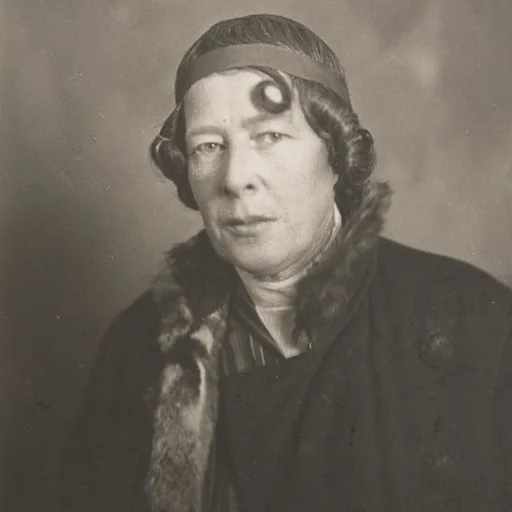
Wendla Irene Soldan-Brofeldt, known as Venny (2 November 1863, Helsinki – 10 October 1945, Lohja) was a Finnish painter, illustrator, graphic artist, wood sculptor and jewelry designer.