Artwork
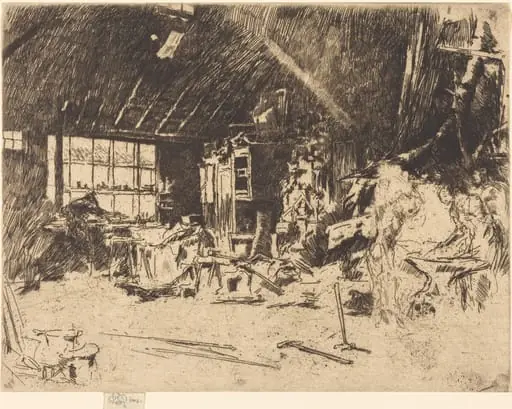
Untitled (2 girls in a barn)
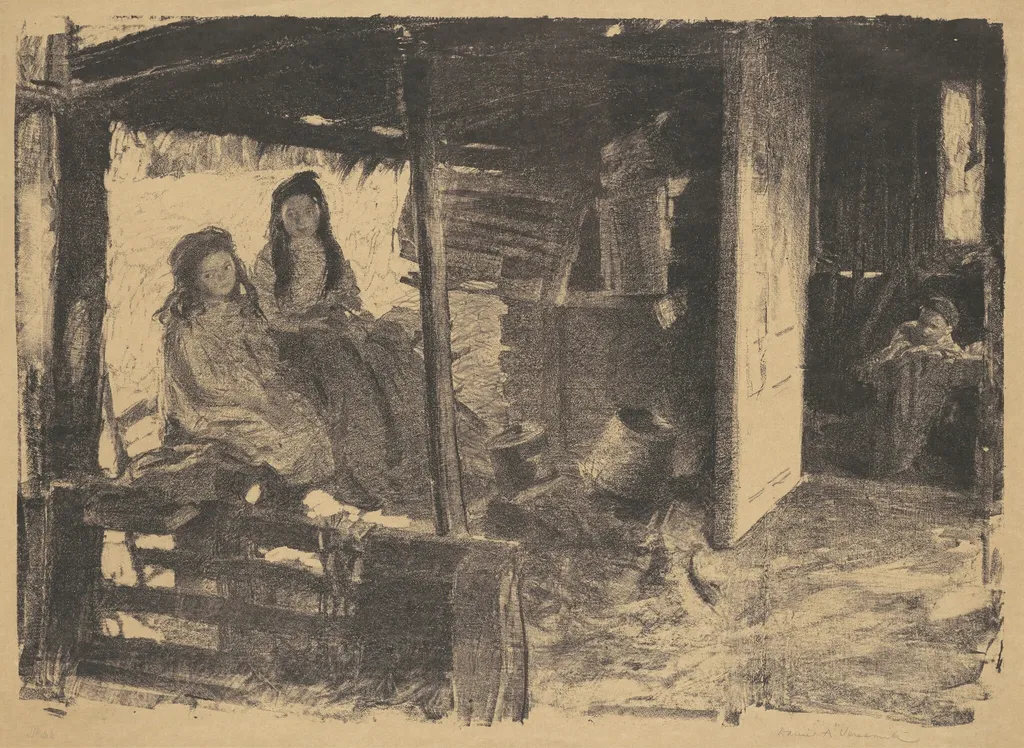
Untitled (2 girls in a barn) is an ink print by Daniel Albert Veresmith. It dates from 1917 and is held in the collection of the National Gallery of Art.
About this work
Overview
Created in 1917, this lithograph by Daniel Albert Veresmith captures a quiet interior scene with minimal detail.
Created in 1917, this lithograph by Daniel Albert Veresmith captures a quiet interior scene with minimal detail. The work belongs to a body of early 20th-century prints that favored immediacy over polish, using the lithographic process to convey atmosphere through gesture and tone rather than refined finish. Its unadorned composition reflects a focus on everyday moments, rendered with a sense of intimacy and restraint.
Subject & Meaning
Two girls sit side by side in a dim barn, their identities obscured by shadow and fabric. Their stillness and proximity suggest a private, unspoken moment—perhaps rest, contemplation, or shared solitude. The lack of facial detail and the muted environment emphasize mood over narrative, inviting viewers to sense the weight of the space rather than interpret a specific story.
Technique & Style
Veresmith employed scratchy, energetic lines to model form and suggest light filtering through the barn’s rough interior. The lithographic medium allowed for rapid, tactile mark-making, resulting in a surface that feels immediate and unpolished. Textures of wood, fabric, and hay are implied rather than defined, reinforcing the work’s raw, observational quality.
History & Provenance
The print dates from 1917, a period when Veresmith was active in American printmaking circles, often exploring rural and domestic subjects. While specific ownership history is not widely documented, the work aligns with regional artistic trends of the time that valued authenticity and simplicity over academic idealization. It remains a rare example of his graphic output.
Context
In the early 1910s, American artists increasingly turned to everyday scenes as subjects, influenced by realism and the Ashcan School. Lithography offered a democratic medium for such work, accessible and reproducible. Veresmith’s piece fits within this movement, capturing the quiet dignity of ordinary life without sentimentality or dramatic flourish.
Legacy
Though not widely exhibited or collected, this lithograph exemplifies a quiet strand of American printmaking that prioritized emotional resonance over technical perfection. Its unembellished approach influenced later generations of artists who valued the expressive potential of spontaneous mark-making and understated composition.
Own this work as a print
Artist & collection


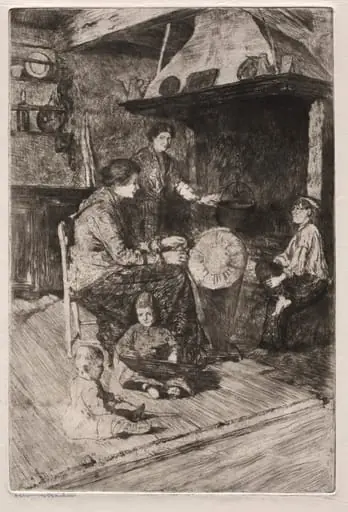 Etchings of Venice: The Lace Makers
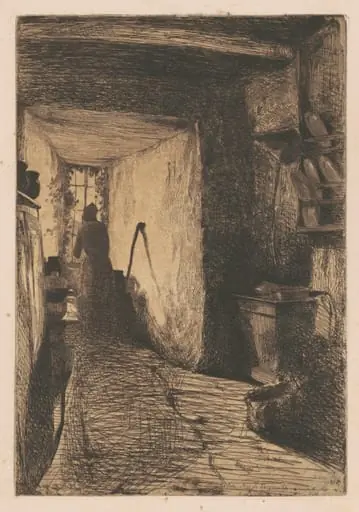 The Kitchen
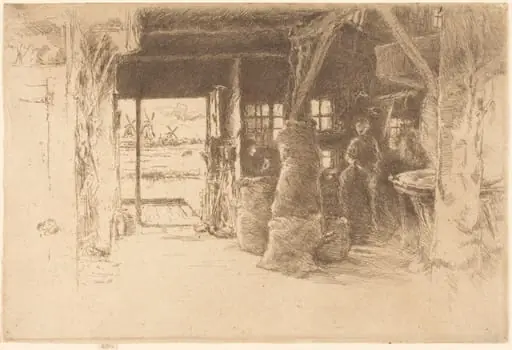 The Mill
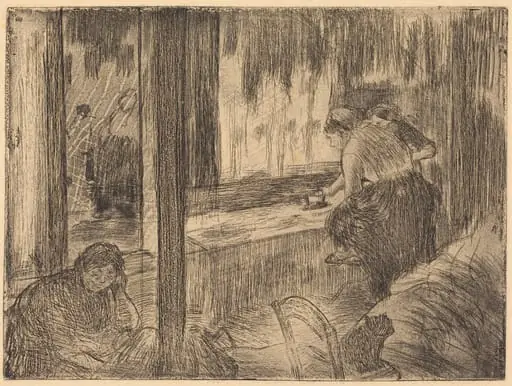 The Laundresses (Les blanchisseuses (La repassage))
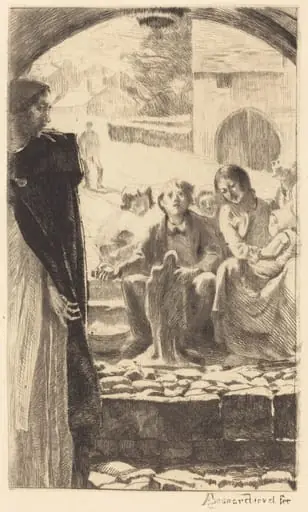 Pierre Copies the Virgin from the Portal of the Church of Marly (Pierre Copie la Vierge du Portail de L'Église de Marly)
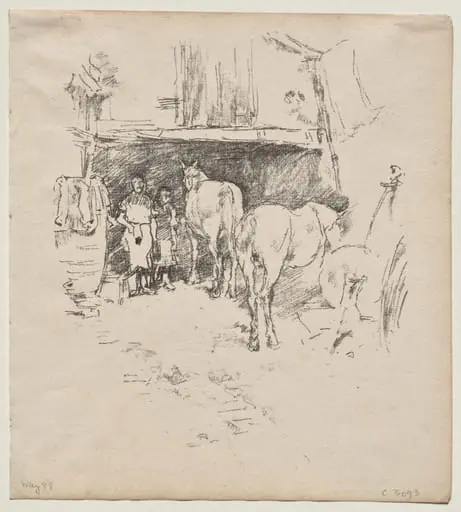 The Smith's Yard
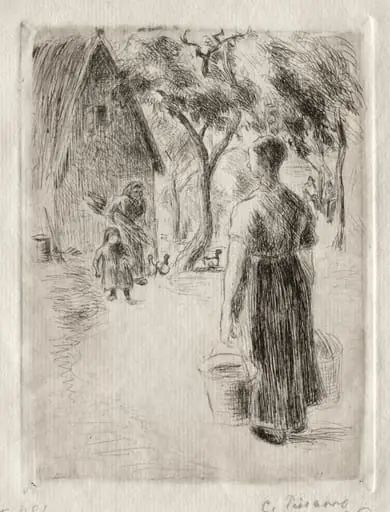 Peasant Woman Carrying Buckets
 East Frisian Peasants Eating Supper
 The Smith's Yard
 The Laundresses
 The Beggars
 The Smithy