Artwork
View of Paris from the Terrace of the Pavillon de Brimborion
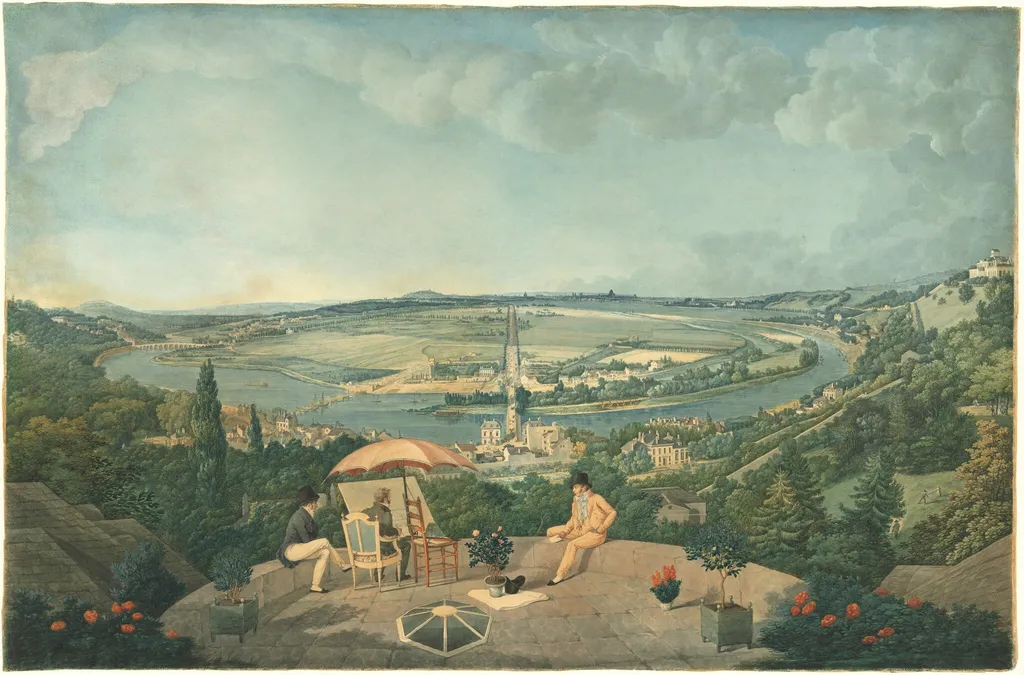
View of Paris from the Terrace of the Pavillon de Brimborion is a graphite drawing by the Romanticist artist Carle Vernet. It dates from 1811 and is held in the collection of the National Gallery of Art.
About this work
Overview
Created in 1811, this watercolor drawing by Carle Vernet captures Paris from the elevated terrace of the Pavillon de Brimborion.
Created in 1811, this watercolor drawing by Carle Vernet captures Paris from the elevated terrace of the Pavillon de Brimborion. Executed in graphite underpainting with delicate watercolor and selective white gouache highlights on wove paper, the work belongs to the genre of topographical landscape. Its intimate scale and refined technique reflect Vernet’s skill in translating urban vistas into quiet, observational studies.
Subject & Meaning
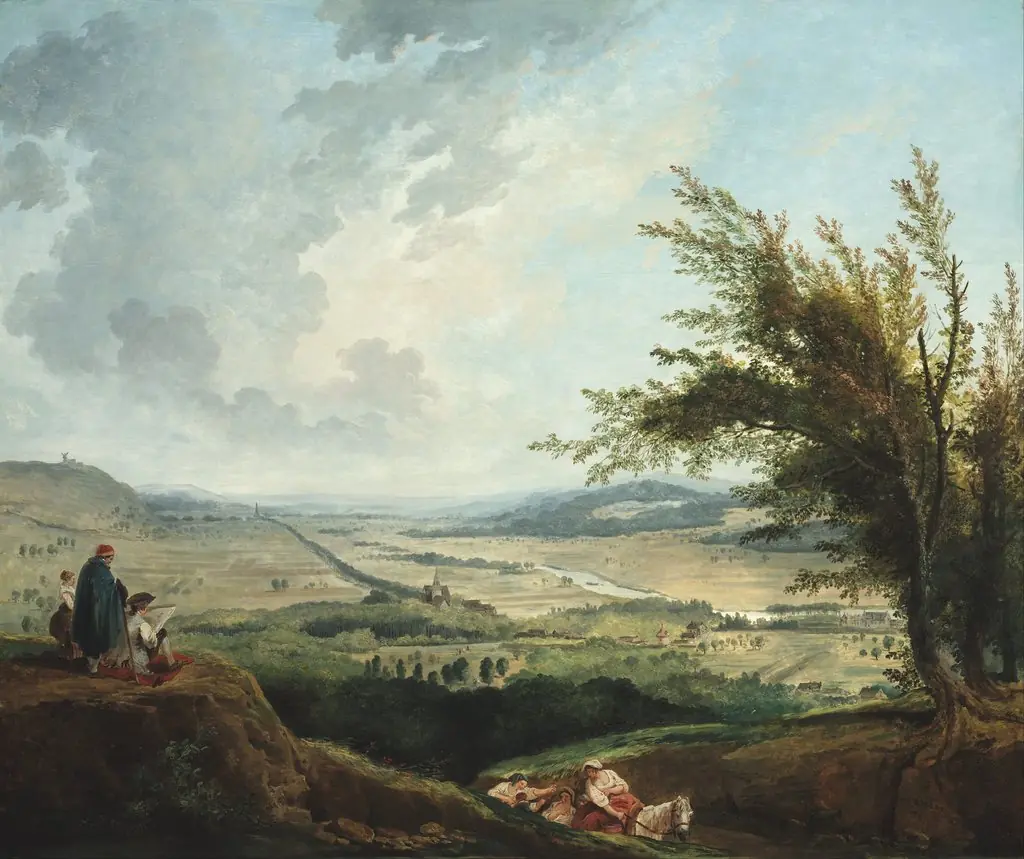
The scene presents Paris as a distant, hazy horizon, framed by a lush foreground terrace where three figures are engaged in stillness—one painting, another seated beside him, the third gazing outward. Their presence suggests contemplation rather than activity, reinforcing the work’s meditative tone. The composition invites the viewer to share in a moment of quiet observation, positioning art-making as an act of attentive witnessing.
Technique & Style
Vernet employed a restrained palette of soft washes to convey atmospheric depth, using graphite for precise structural underdrawing. White gouache accents highlight architectural details and foliage, adding luminosity without heaviness. The wove paper’s texture supports the watercolor’s translucency, enhancing the dreamlike softness of the distant city. The brushwork is deliberate yet fluid, balancing detail with suggestion.
History & Provenance
The drawing was produced during Vernet’s mature period, after his early success in military and equestrian subjects. It reflects his shift toward lyrical landscapes and urban views, likely made for private collectors rather than public exhibition. The Pavillon de Brimborion, a now-lost structure on the Left Bank, was a known vantage point for artists and intellectuals of the era, lending the work historical specificity.
Context
In early 19th-century Paris, the practice of sketching from elevated viewpoints became a means of documenting urban transformation. Vernet’s view aligns with a broader trend among artists to capture the city not as a monument, but as a lived environment. The inclusion of figures engaged in artistic reflection underscores the era’s growing interest in the artist’s role as observer.
Legacy
Though less celebrated than his son Horace, Carle Vernet’s topographical drawings contributed to the evolution of French landscape drawing. This work exemplifies a quiet, personal mode of recording place that preceded the more dramatic urban scenes of later generations. Its preservation highlights the value placed on intimate, observational works within 19th-century artistic circles.
Artist & collection

Artist
Antoine Charles Horace Vernet, better known as Carle Vernet, was a French painter, the youngest child of painter Claude-Joseph Vernet and the father of painter Horace Vernet.

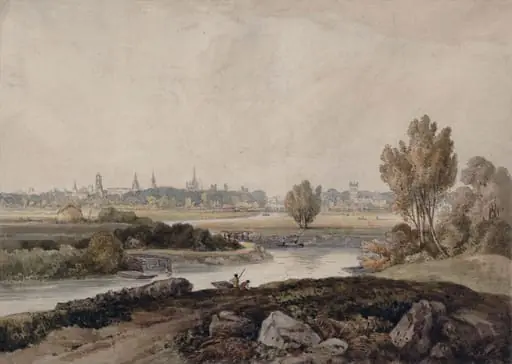 Oxford from Iffley
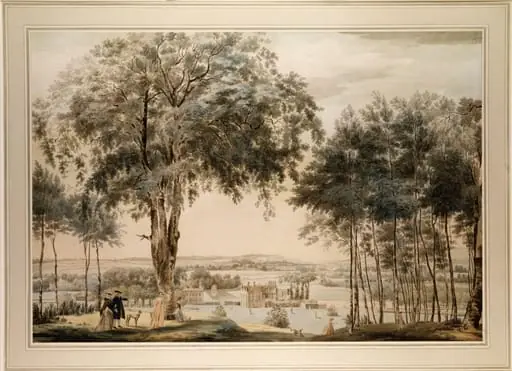 Purley Hall, Berkshire
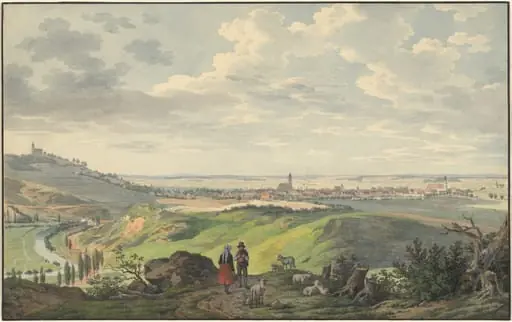 The City of Arnberg in the Oberpfalz
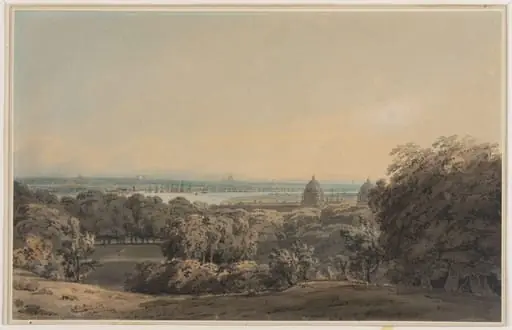 The Thames at Greenwich
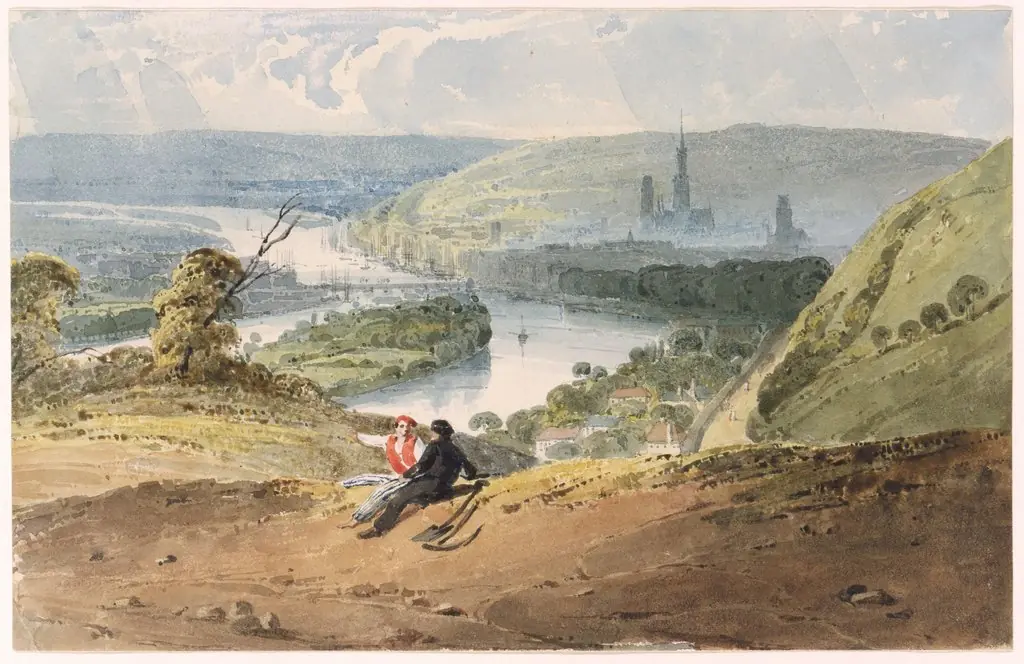 View of Rouen from St. Catherine’s Hill
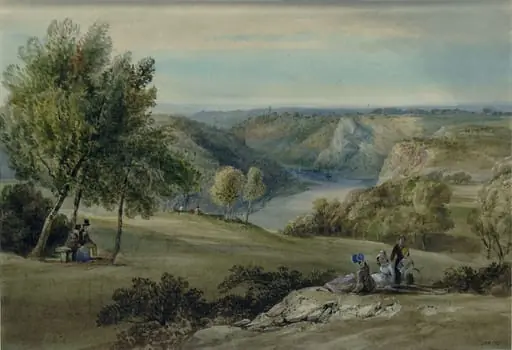 View looking down the Avon from the side of the Roman camp at Clifton, near Bristol
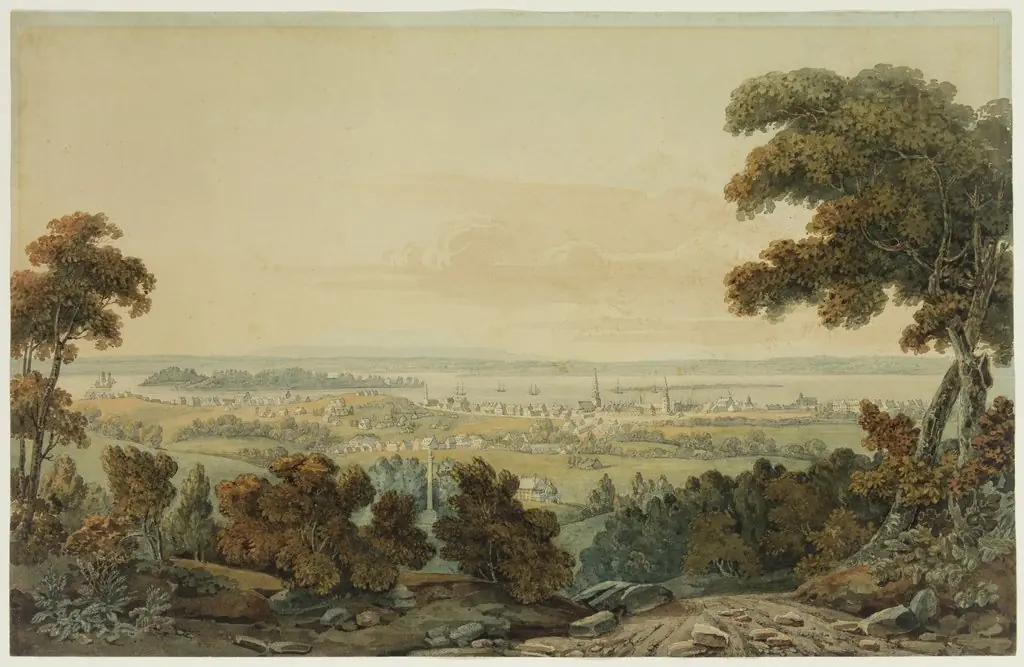 Montreal from the Mountain and View of the St. Lawrence River
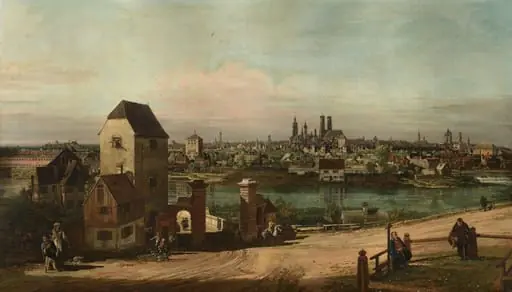 View of Munich
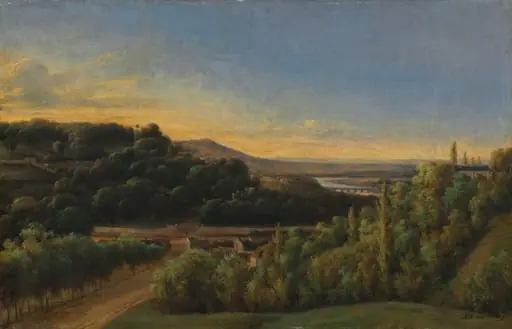 View of Saint-Cloud, Near the Seine
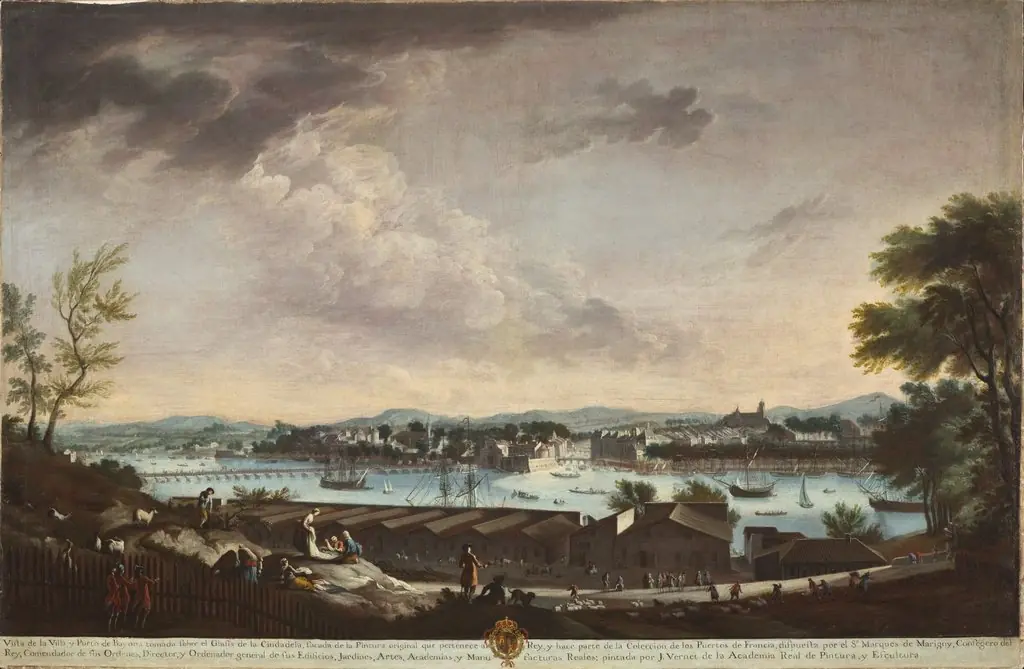 View of the Town and Port of Bayonne (La villa y puerto de Bayona)
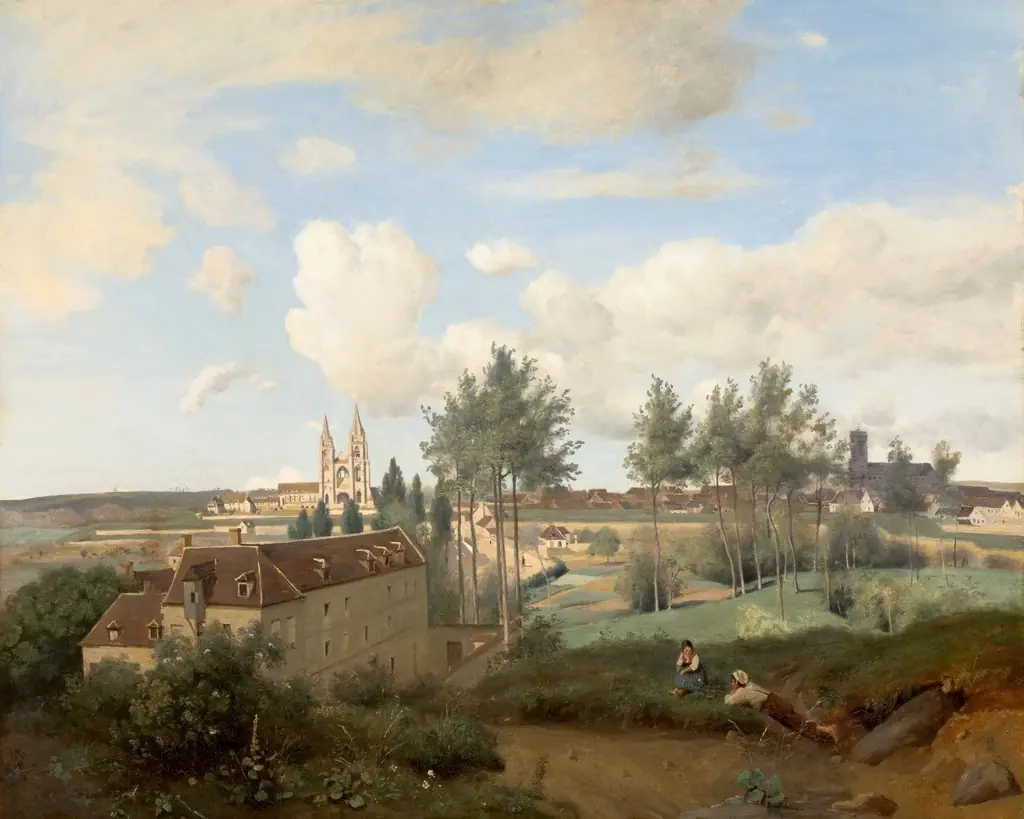 Soissons Seen from Mr. Henry's Factory
 An Extensive Landscape Near Paris