Artwork
The Forge of Vulcan
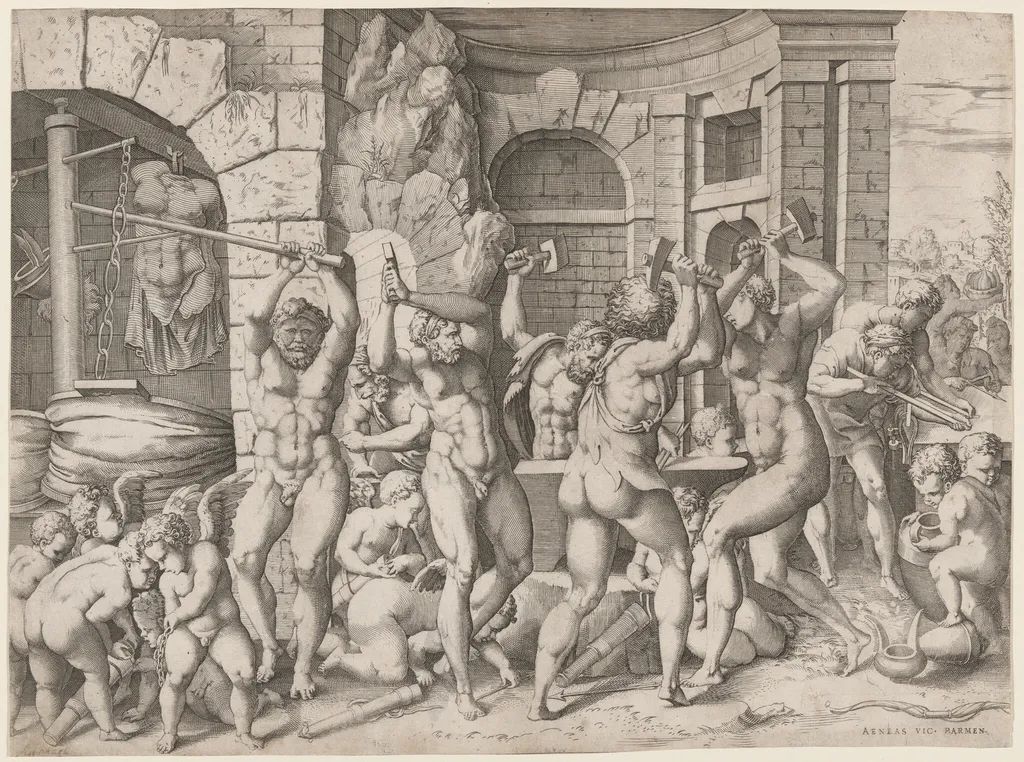
The Forge of Vulcan is an ink print by the Renaissance artist Enea Vico. It dates from 1546 and is held in the collection of the National Gallery of Art.
About this work
Overview
The Forge of Vulcan is an engraving on laid paper created by Enea Vico around 1546. It showcases the artist's skill in capturing dynamic scenes and his interest in classical themes.
Subject & Meaning
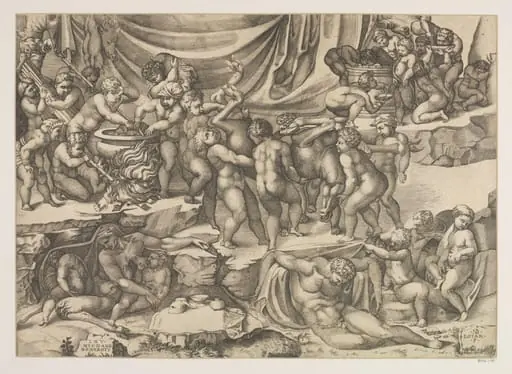
The print depicts Vulcan, the Roman god of fire and the forge, and his assistants at work in a chaotic blacksmith's workshop. The scene is populated by muscular men, children, and winged creatures, conveying a sense of intense activity.
Technique & Style
Vico's engraving is characterized by sharp lines that emphasize muscle and tension. The intricate details, such as sparks flying from the anvil, contribute to the scene's sense of energy and movement.
History & Provenance
Enea Vico, born in Parma, worked for prominent patrons including Cosimo I de' Medici and Alfonso II of Ferrara. He died in Ferrara in 1567, having established a reputation for his engravings inspired by antique paintings.
Artist & collection

Artist
Enea Vico (29 January 1523 – 18 August 1567) was an Italian engraver. Vico was born in Parma. He specialized in grotesque engravings based on antique paintings. Vico made engravings for Cosimo I de' Medici, Grand Duke…

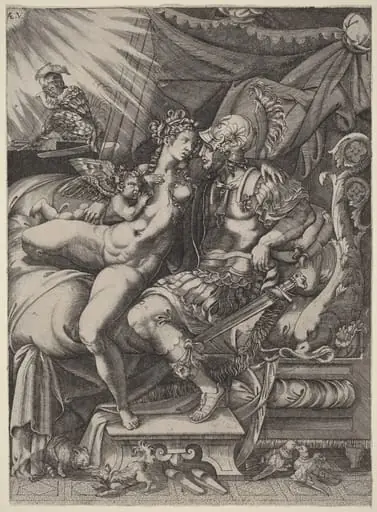 The Loves of Mars and Venus
![Fragments from Ancient Cameos in the Grimani Collection [Plate I], by Enea Vico](https://artifactworldgallery.com/img/enea-vico--fragments-from-ancient-cameos-in-the-grimani-collection-plat--1f564c058ab46ade-w320.webp) Fragments from Ancient Cameos in the Grimani Collection [Plate I]
Fragments from Ancient Cameos in the Grimani Collection [Plate I]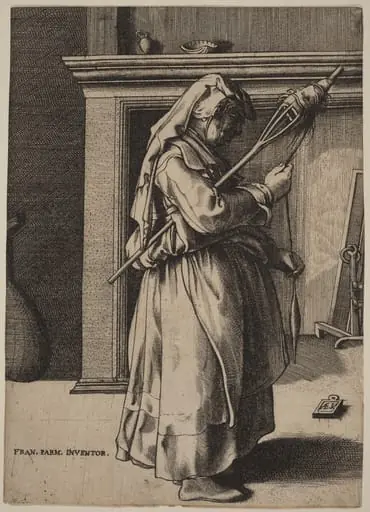 Old Woman with a Distaff
![Fragments from Ancient Cameos in the Grimani Collection [Plate II], by Enea Vico](https://artifactworldgallery.com/img/enea-vico--fragments-from-ancient-cameos-in-the-grimani-collection-plat--6333de7ba7491db7-w320.webp) Fragments from Ancient Cameos in the Grimani Collection [Plate II]
Fragments from Ancient Cameos in the Grimani Collection [Plate II]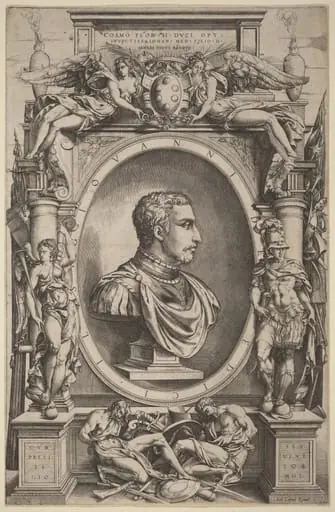 Giovanni de' Medici
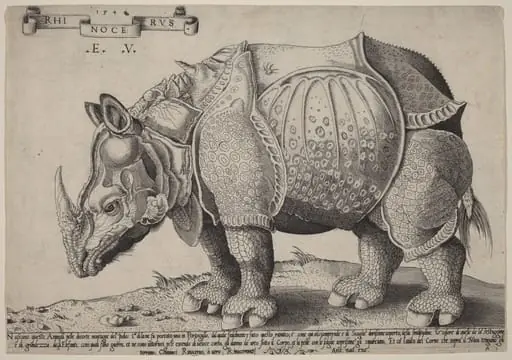 Rhinoceros
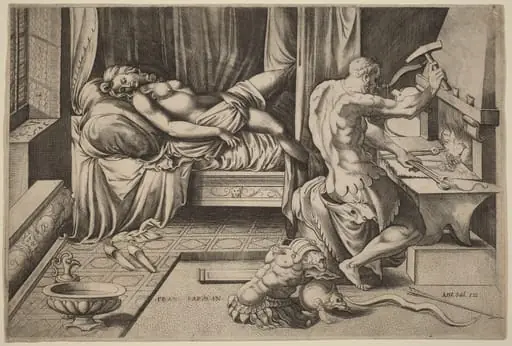 Venus Reclining with Vulcan at His Forge
![Fragments from Ancient Cameos in the Grimani Collection [Plate III], by Enea Vico](https://artifactworldgallery.com/img/enea-vico--fragments-from-ancient-cameos-in-the-grimani-collection-plat--bf2c0f15852500f8-w320.webp) Fragments from Ancient Cameos in the Grimani Collection [Plate III]
Fragments from Ancient Cameos in the Grimani Collection [Plate III]