Artwork
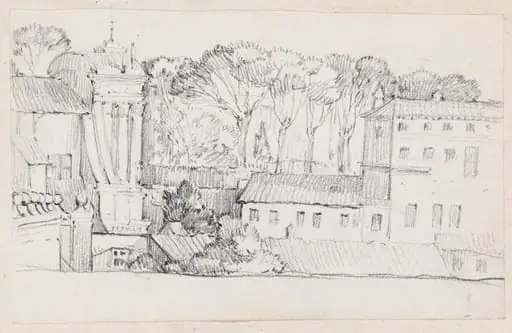
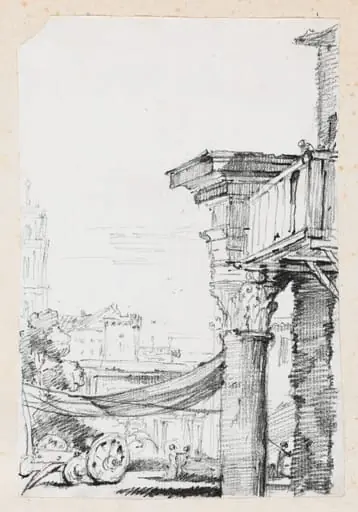
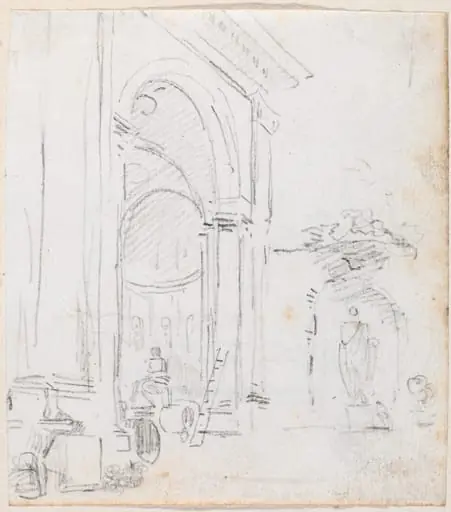
Portico of the Palazzo Nuovo, on the Campidoglio
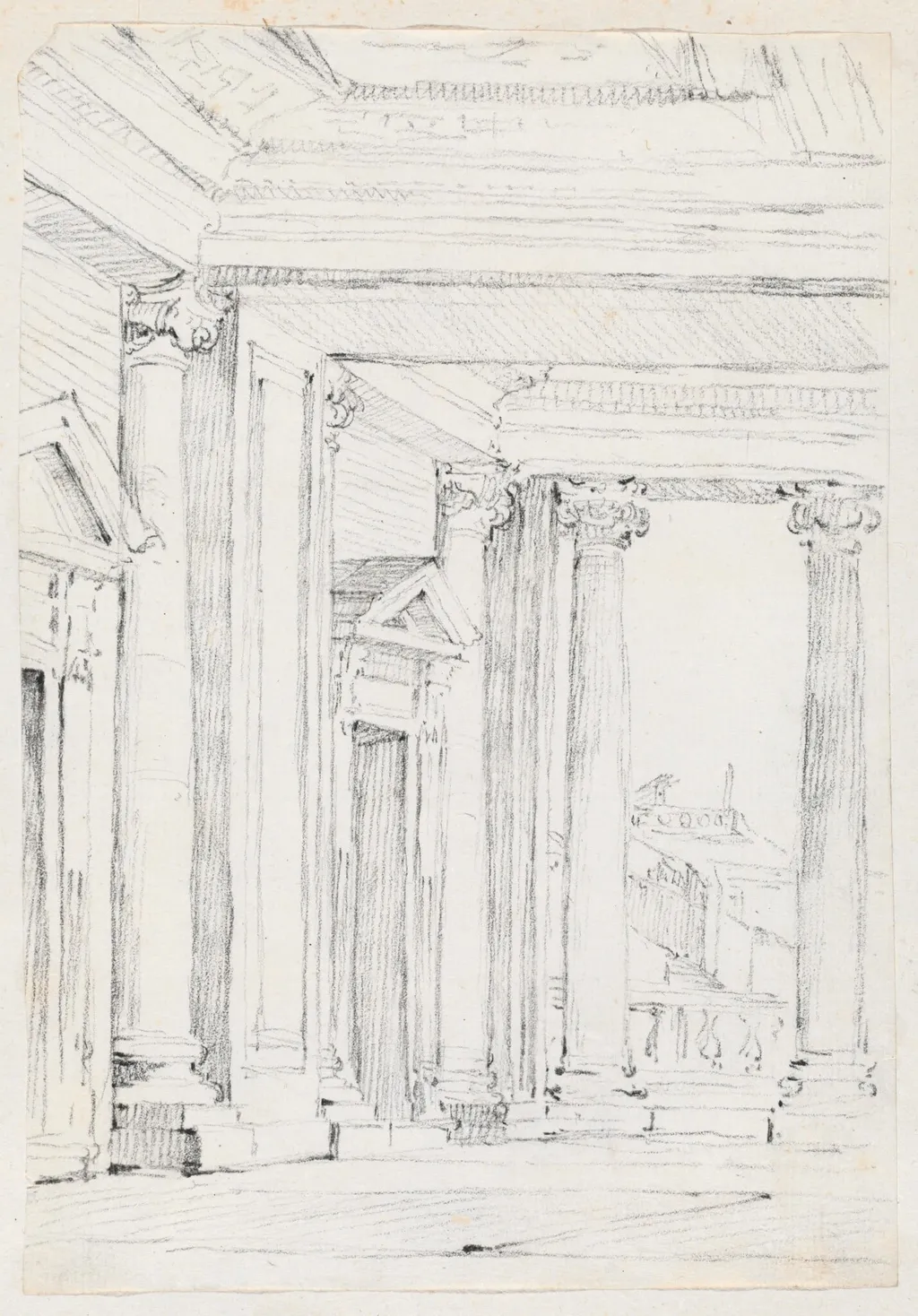
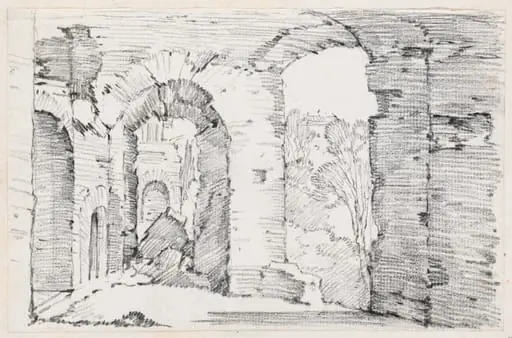
Portico of the Palazzo Nuovo, on the Campidoglio is a graphite drawing by the Baroque artist Joseph-Marie Vien. It dates from 1747 and is held in the collection of the National Gallery of Art.
About this work
The artist used graphite on laid paper to create this work, which is part of the Baroque movement.
The painting is called Portico of the Palazzo Nuovo, on the Campidoglio.
It was created by Joseph-Marie Vien between 1744 and 1750.
The artist used graphite on laid paper to create this work, which is part of the Baroque movement.
This movement is known for its dramatic lighting and intense emotions.
The painting is an example of architectural art, which focuses on buildings and structures.
To learn more about this style, look up the movement: Baroque.
Overview
This graphite drawing on laid paper, titled Portico of the Palazzo Nuovo, on the Campidoglio, is the work of French artist Joseph-Marie Vien, created between 1744 and 1750.
Subject & Meaning
The drawing depicts a monumental Roman portico on the Capitoline Hill, a site of historical and artistic significance in Rome that attracted many European artists in the 18th century.
Technique & Style
Executed in graphite on laid paper, the work showcases Vien's attention to geometric form, reflecting his interest in classical architecture and foreshadowing his later neoclassical style, although it is associated with the Baroque movement.
Context
The Capitoline Hill, where the Palazzo Nuovo is located, was a major artistic and historical destination for European artists during the 18th century, influencing many with its ancient Roman structures.
Artist & collection
Artist
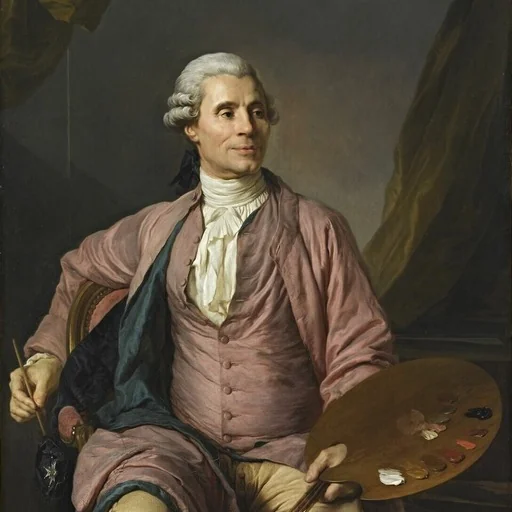
Joseph-Marie Vien (18 June 1716 – 27 March 1809) was a French painter. He was the last holder of the post of Premier peintre du Roi, serving from 1789 to 1791, before it was abolished during the French Revolution.

![The Ripetta in Rome [verso], by Augustin Pajou](https://artifactworldgallery.com/img/augustin-pajou--the-ripetta-in-rome-verso--4bc04e9c9476a91b-w320.webp)