Artwork
Self-Portrait
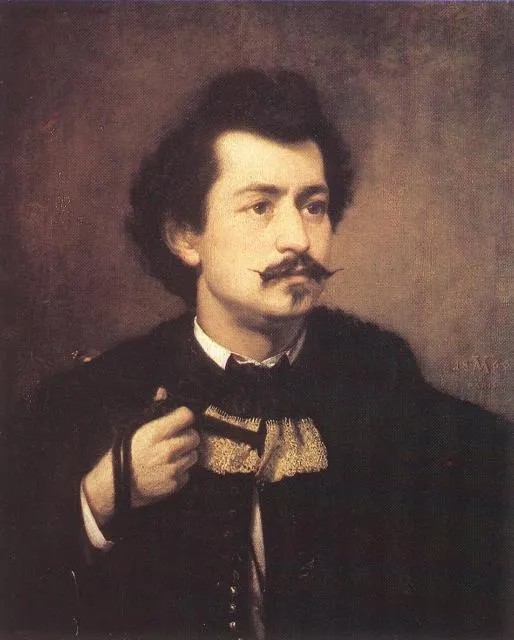
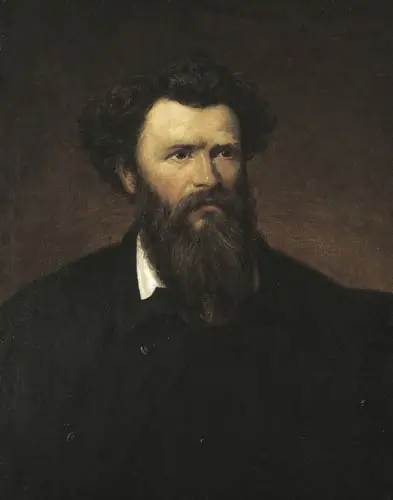
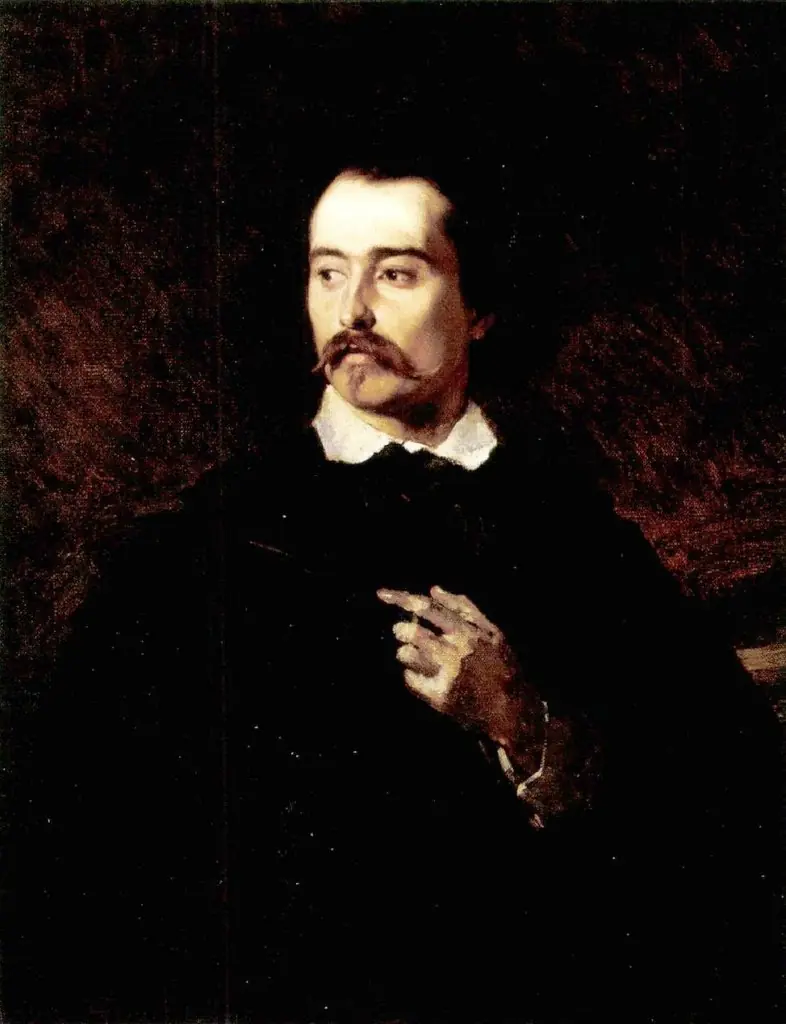
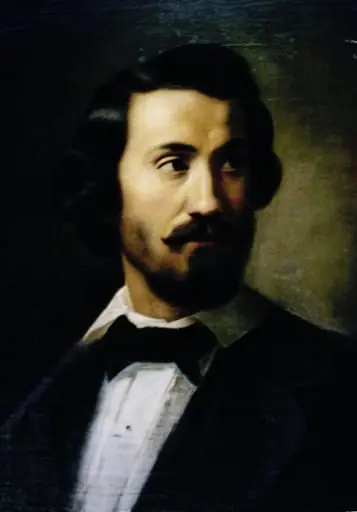
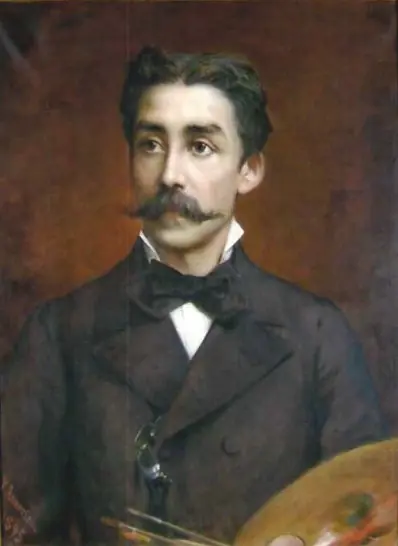
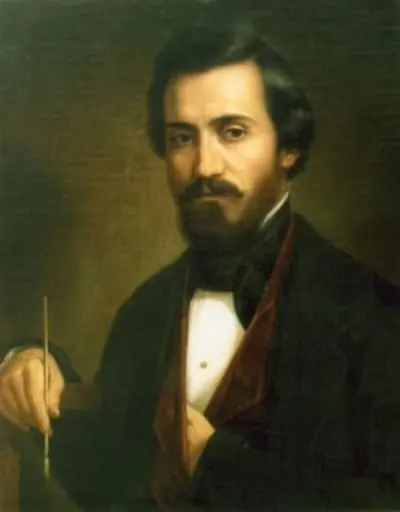
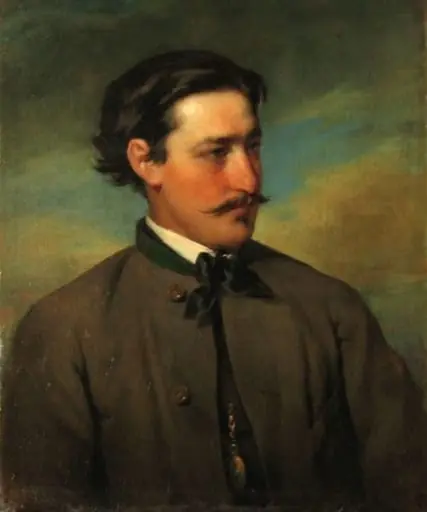
Self-Portrait is an oil painting by Viktor Madarász. It dates from 1863 and is held in the collection of the Hungarian National Gallery.
About this work
Overview
It presents the artist in mid-thirties, dressed in dark formal attire, with his gaze directed slightly away from the viewer.
Painted in 1863, this oil on canvas self-portrait is the work of Hungarian artist Viktor Madarász. It presents the artist in mid-thirties, dressed in dark formal attire, with his gaze directed slightly away from the viewer. The composition emphasizes stillness and introspection, avoiding theatricality. The painting resides in the Hungarian National Gallery, where it serves as a personal record from a period when Madarász was active in both portraiture and historical painting.
Subject & Meaning
Madarász portrays himself not as a hero or idealized figure, but as a thoughtful professional. His dark jacket and white collar suggest modest dignity, while the ambiguous black object in his hand—possibly a brush or tool—hints at his craft without overt symbolism. The quiet intensity of his expression conveys introspection rather than performance, reflecting a personal moment rather than a public persona.
Technique & Style
The painting employs a restrained palette dominated by muted browns and grays, with subtle contrasts to define the face and hands. Brushwork is controlled, favoring smooth transitions over expressive strokes. The background is deliberately neutral, allowing the figure to emerge with clarity. This approach aligns with 19th-century academic portraiture, prioritizing realism and psychological presence over dramatic lighting or color.
History & Provenance
Created in 1863, the portrait entered the collection of the Hungarian National Gallery in the late 19th or early 20th century, likely through official acquisition or donation. It has remained in public ownership since, with no documented changes in custody. Its preservation reflects its status as a representative work by a significant Hungarian artist of the period, though it was never widely exhibited outside national institutions.
Context
In mid-19th-century Hungary, artists like Madarász navigated a cultural landscape shaped by Romantic ideals and rising national identity. While he gained recognition for historical compositions, this self-portrait reveals a quieter, more personal side. It aligns with broader European trends in artist self-representation, where introspection replaced grandeur, reflecting a shift toward individualism in artistic practice.
Legacy
Though not among Madarász’s most celebrated works, this self-portrait endures as a quiet testament to his presence within Hungarian art. It offers insight into how artists of the time viewed themselves—not as celebrities, but as practitioners engaged in thoughtful labor. The painting remains a key reference for understanding the personal dimensions of 19th-century Hungarian portraiture.
Artist & collection
Artist
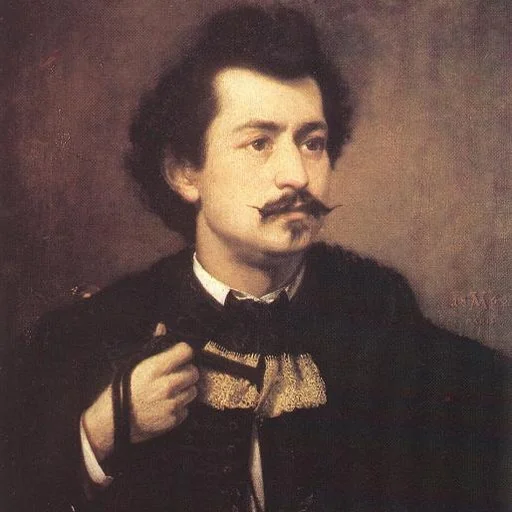
Viktor Madarász (14 December 1830 – 10 January 1917) was a Hungarian painter in the Romantic style. He is best known for his historical scenes and portraits.