Artwork
The Mourning of László Hunyadi
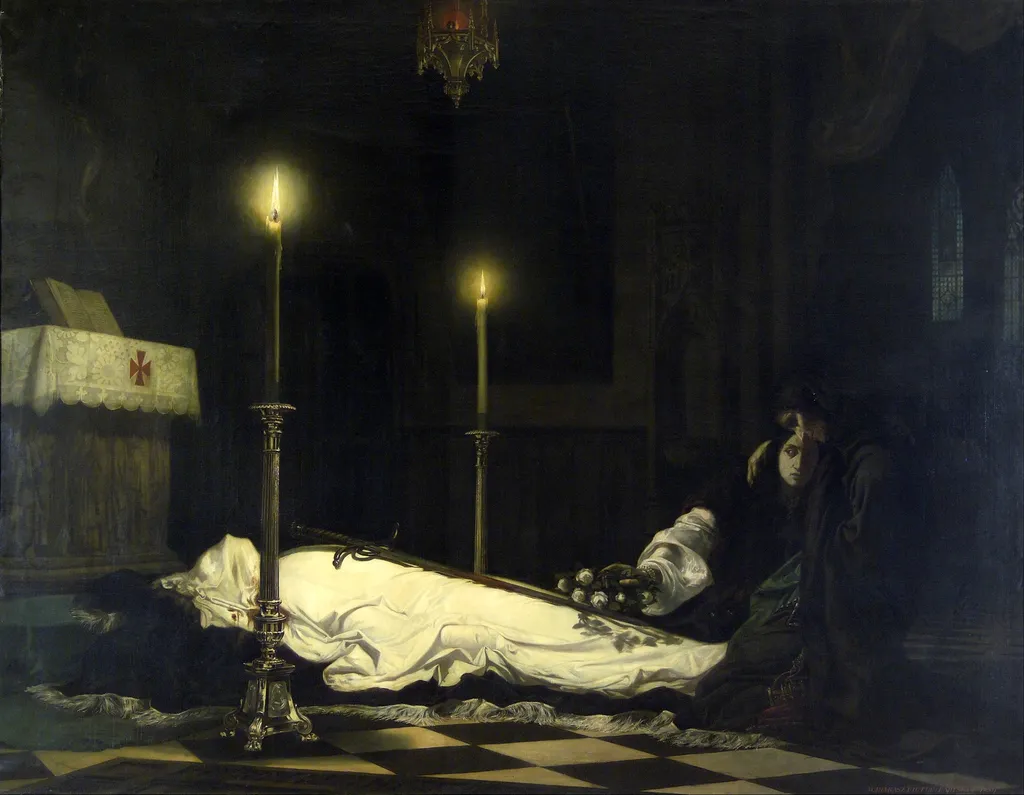
The Mourning of László Hunyadi is an oil painting by Viktor Madarász. It dates from 1859 and is held in the collection of the Hungarian National Gallery.
About this work
Overview
Created in 1859 by Hungarian Romantic painter Viktor Madarász, *The Mourning of László Hunyadi* is an oil on canvas that belongs to the tradition of history painting. The work is part of the collection of the Hungarian National Gallery and illustrates a moment of private grief linked to a notable figure from Hungary’s past.
Subject & Meaning
The composition centers on the lifeless form of Ladislaus Hunyadi, swathed in a white shroud and illuminated by a single candlestick. A woman dressed in black stands nearby, her posture and expression conveying sorrow. The scene captures the personal aftermath of political turmoil, emphasizing loss and the human cost of historical events.
Technique & Style
Madarász employs a pronounced chiaroscuro, juxtaposing deep shadows with the flickering light of the candle to model the figures and suggest a three‑dimensional space. The subdued palette and careful handling of light create a somber atmosphere, while the brushwork remains refined, reflecting the Romantic interest in drama and emotional intensity.
Context
During the mid‑19th century, Hungarian artists increasingly turned to national history for inspiration, seeking to forge a cultural identity. Madarász’s focus on a tragic episode from the Hunyadi lineage aligns with this trend, offering a visual narrative that resonates with contemporary nationalist sentiment.
Legacy
The painting remains a reference point for studies of Hungarian Romantic art, illustrating how historical subjects were rendered with theatrical lighting and emotional depth. Its presence in the national collection underscores its role in preserving and interpreting Hungary’s artistic heritage.
Own this work as a print
Artist & collection
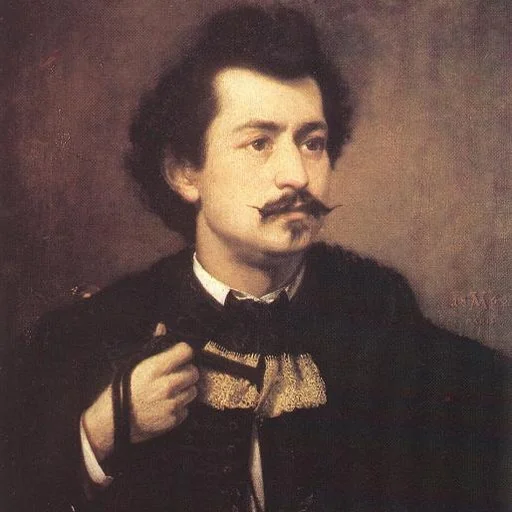
Artist
Viktor Madarász (14 December 1830 – 10 January 1917) was a Hungarian painter in the Romantic style. He is best known for his historical scenes and portraits.

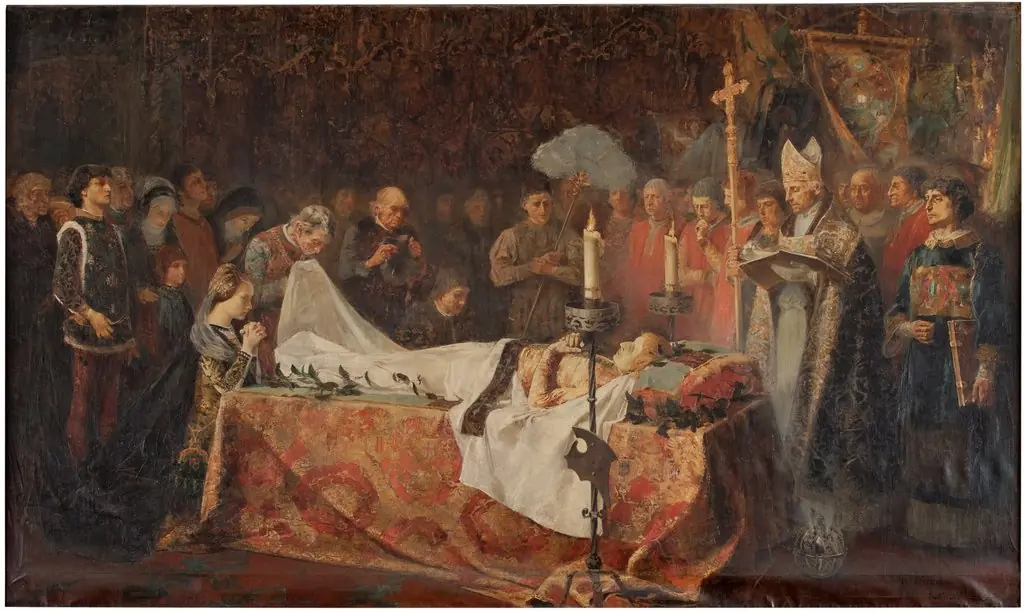 Muerte del príncipe de Viana
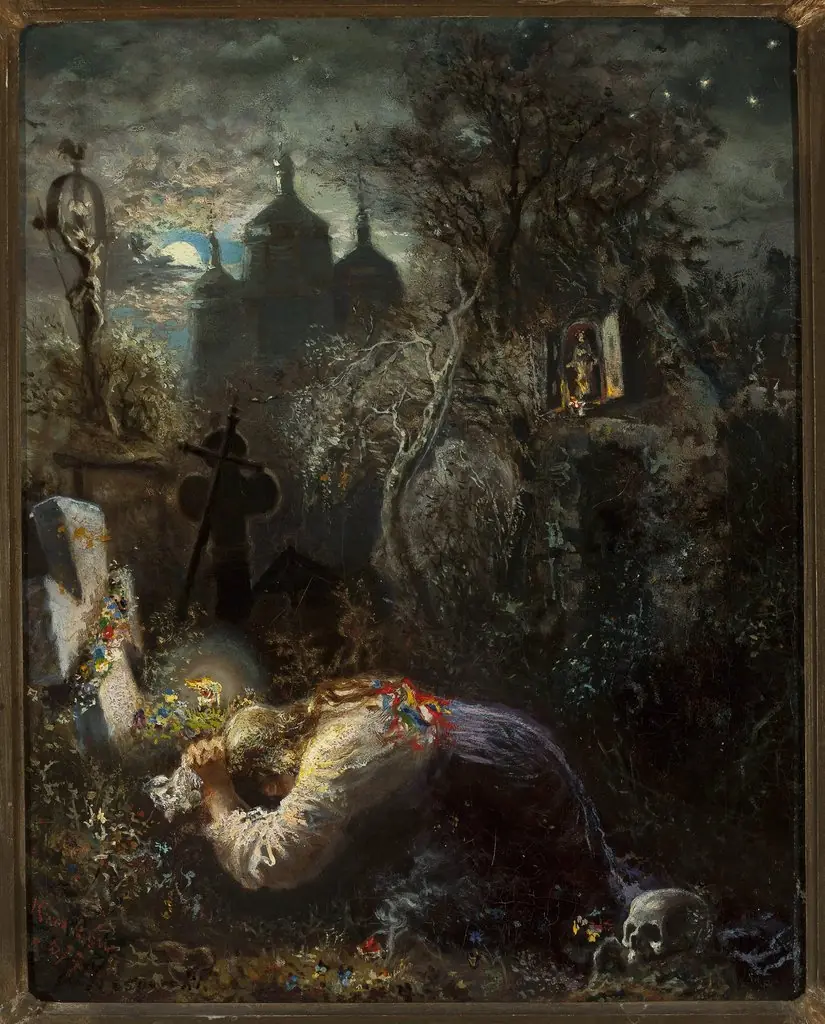 At the grave of an insurgent
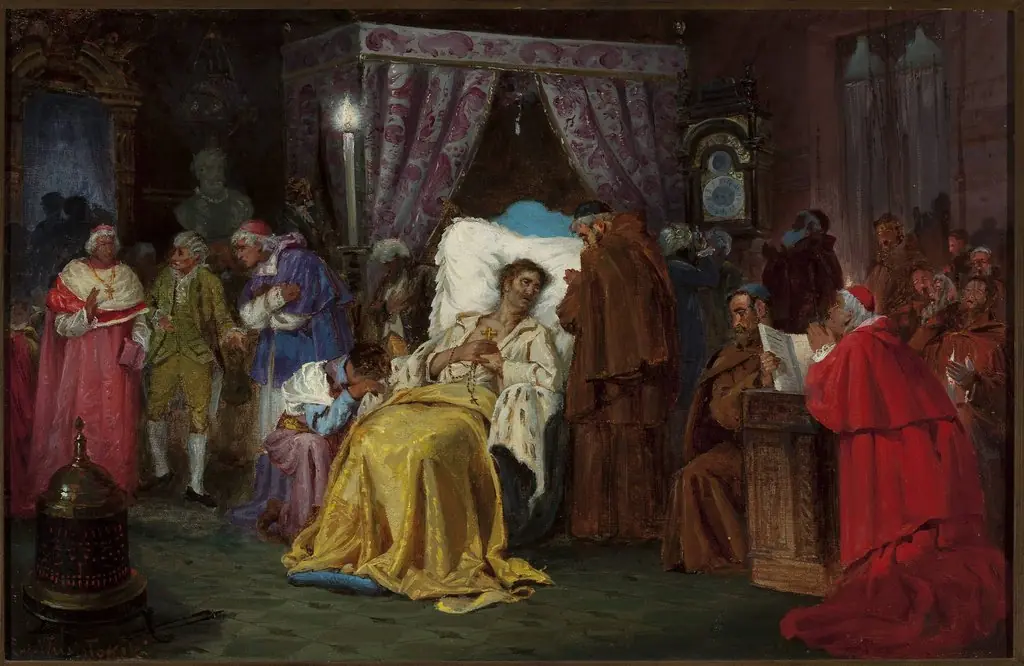 Aleksander Sobieski on his deathbed in Rome in 1714
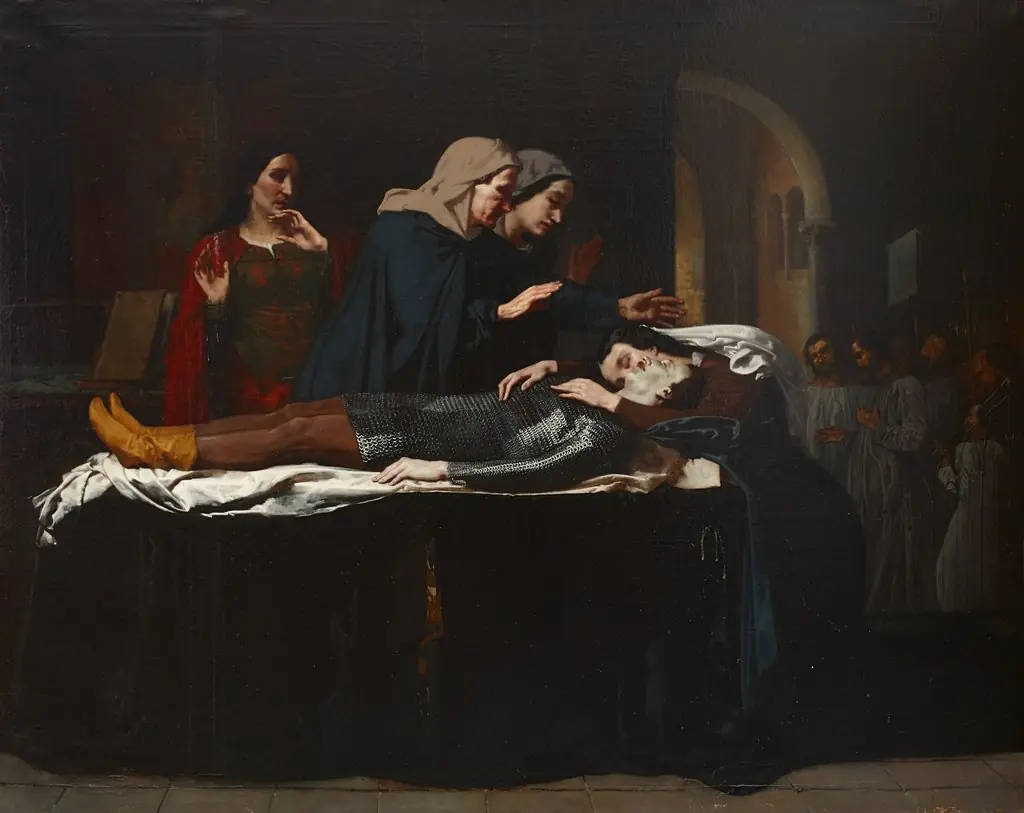 Los amantes de Teruel
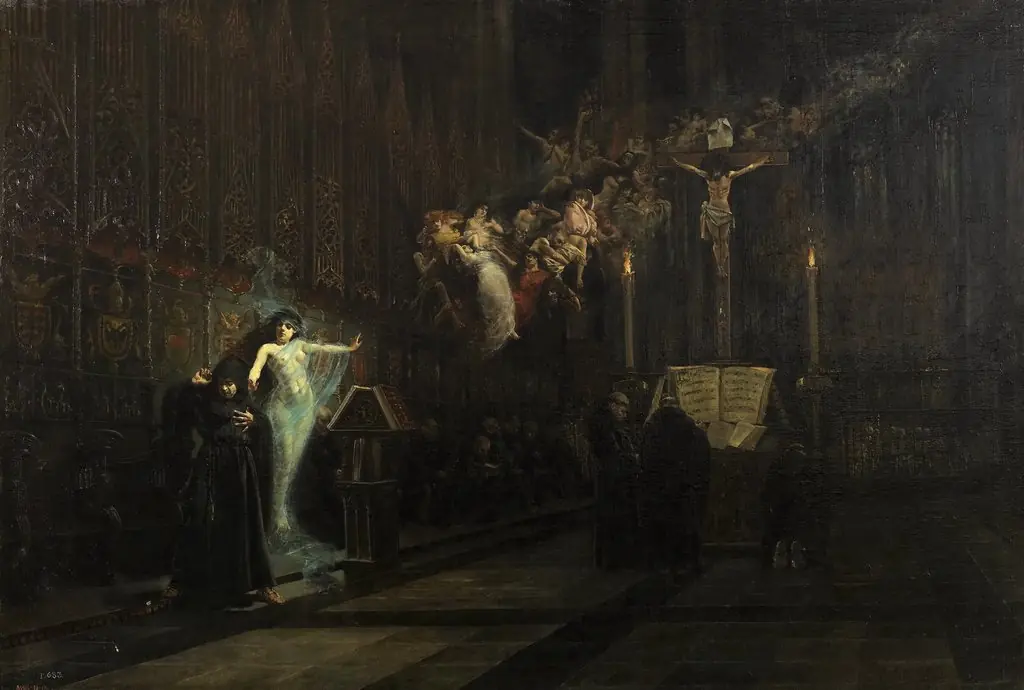 The vision of Fray Martín (Poem by Gaspar Núñez de Arce)
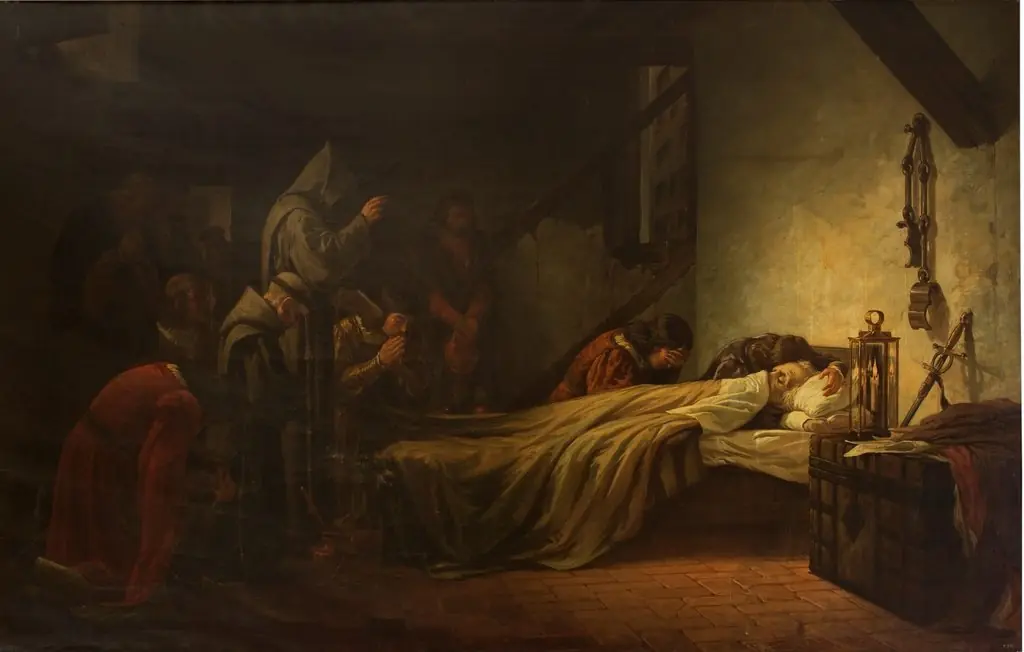 Muerte de Cristóbal Colón
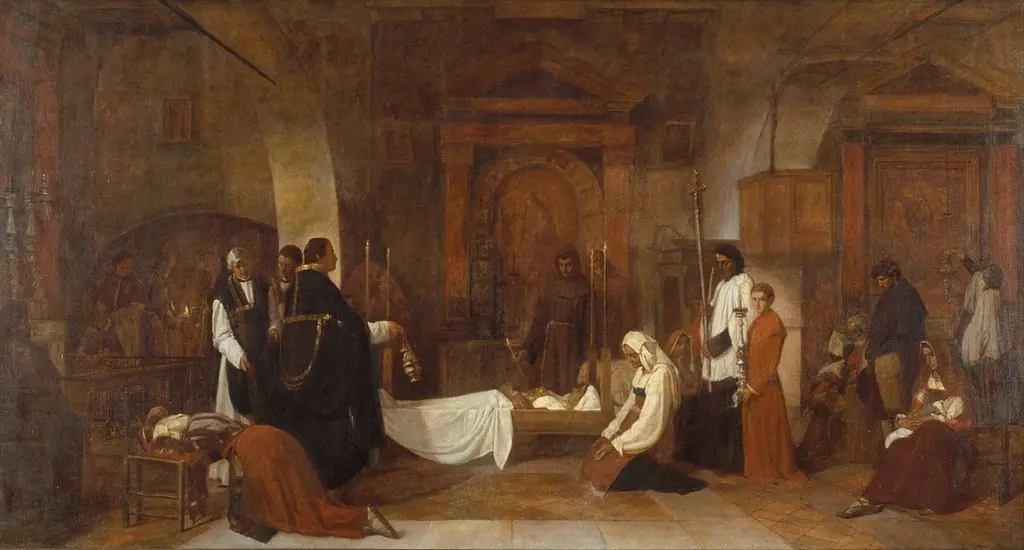 Church of Cervara (Papal States)
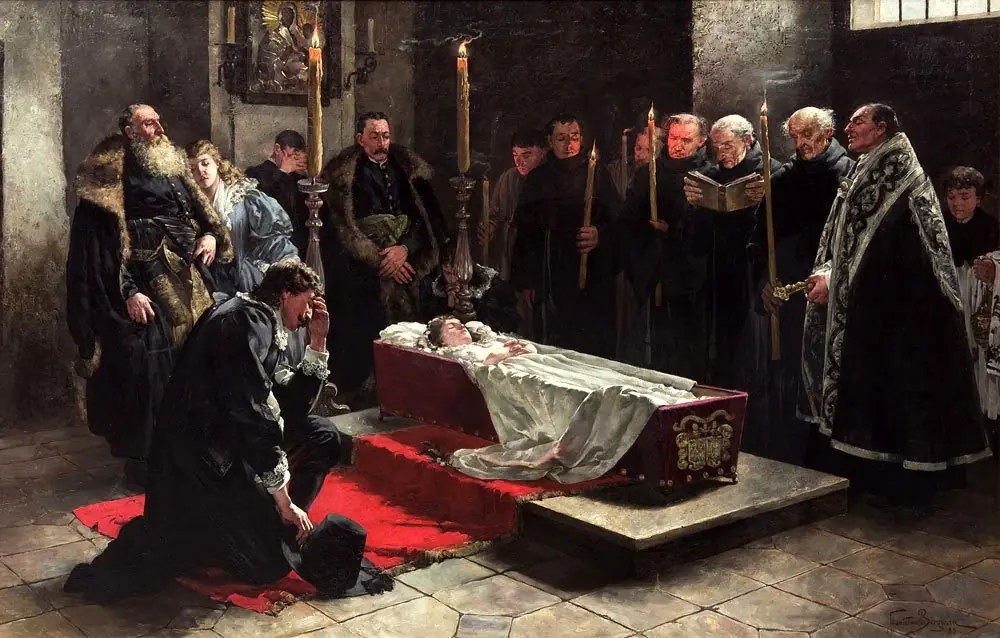 Stanisław Oświęcim at the body of Anna Oświęcimówna.
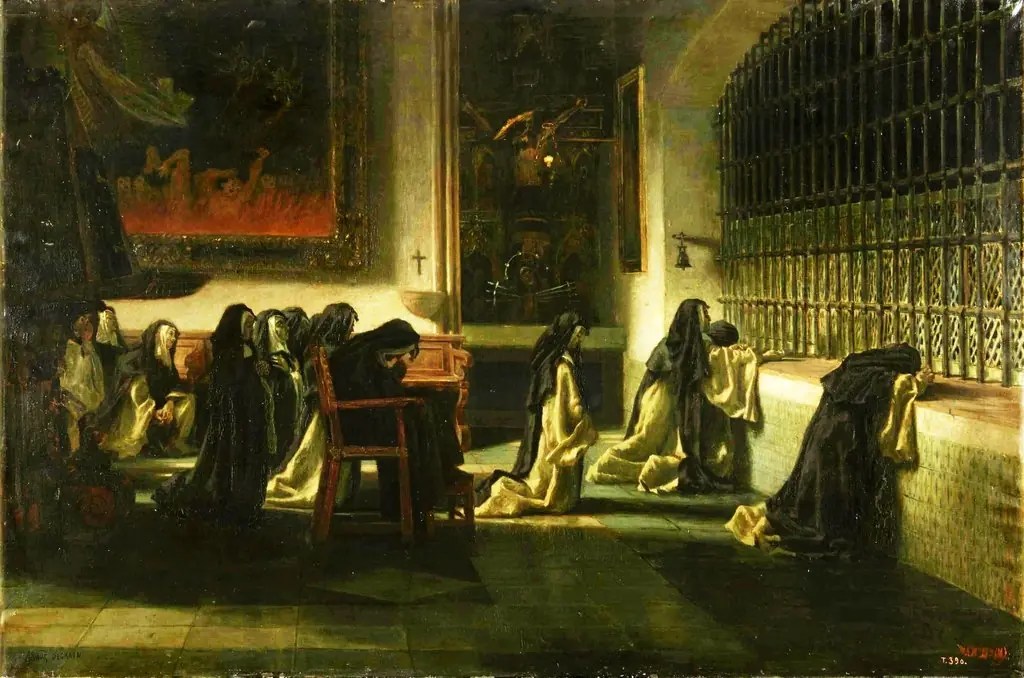 La oración
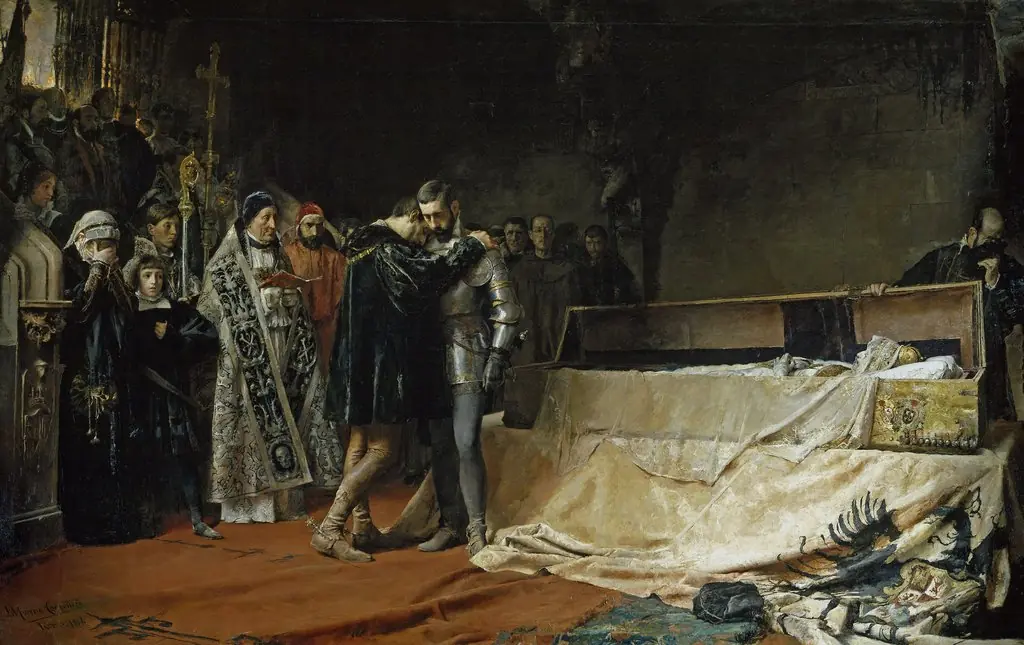 The Conversion of the Duke of Gandía
 Das Innere einer italienischen Kirche
 Moartea lui Alexandru Lăpușneanu