Artwork
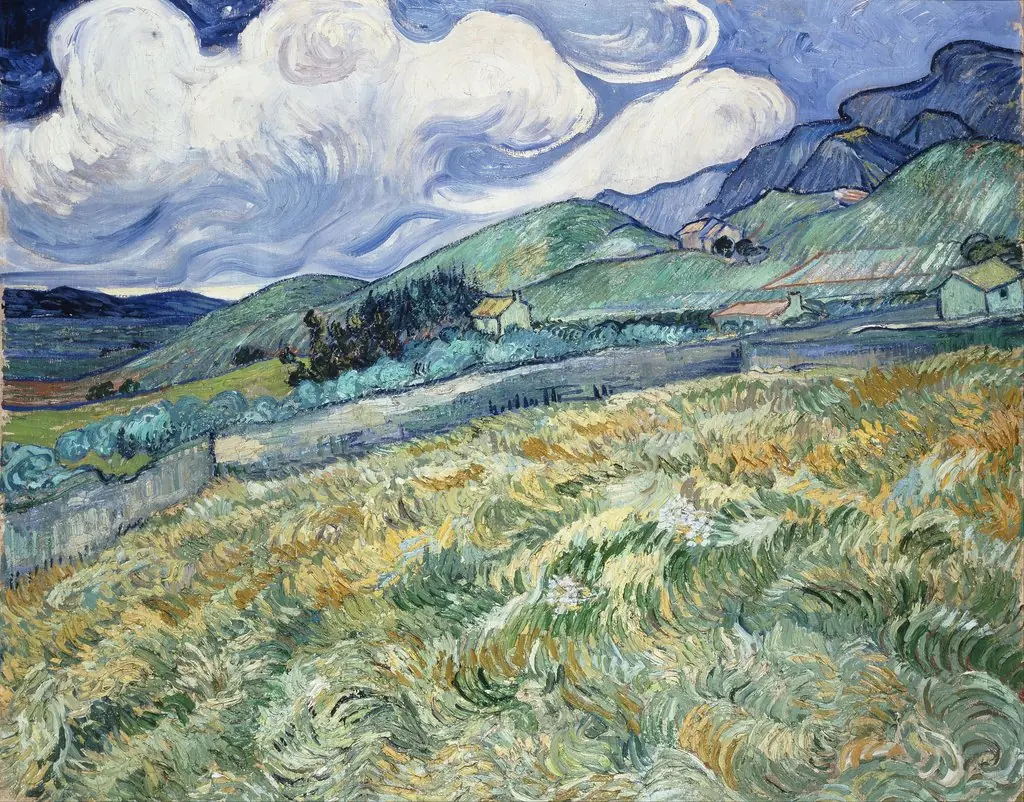
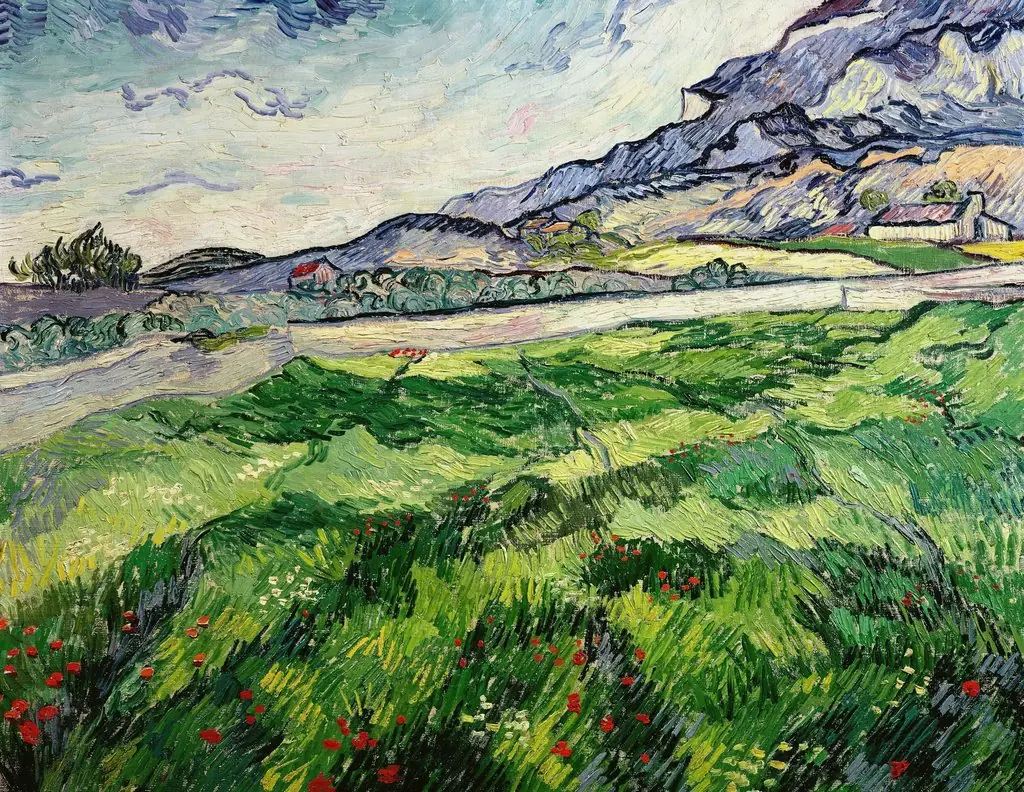
A Meadow in the Mountains: Le Mas de Saint-Paul
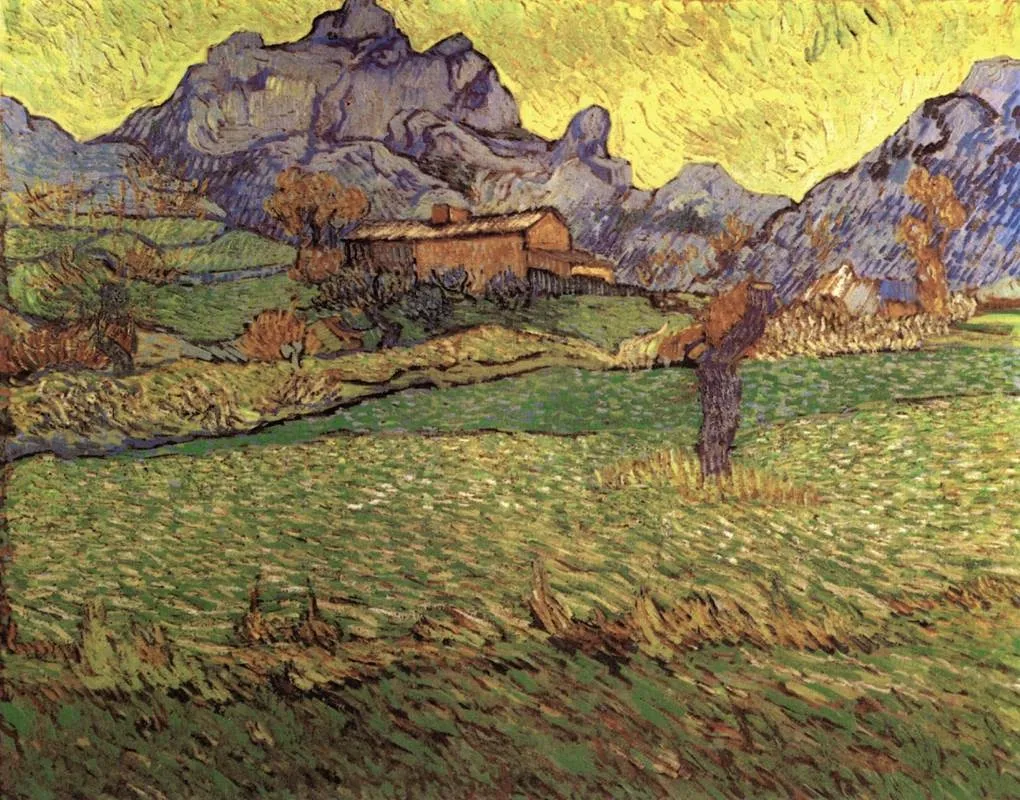
A Meadow in the Mountains: Le Mas de Saint-Paul is an oil painting by the Post-Impressionist artist Vincent van Gogh. It is held in the collection of the Kröller-Müller Museum.
About this work
This painting is called A Meadow in the Mountains: Le Mas de Saint-Paul. It's an oil paint work by Vincent van Gogh.
The painting was created in December 1889. It's interesting that Van Gogh made this work during his time, and it gives us a glimpse into his style and themes.
To learn more about the artist behind this work, look up Vincent van Gogh.
Overview
Vincent van Gogh completed the oil painting titled A Meadow in the Mountains: Le Mas de Saint‑Paul in December 1889. The canvas shows a stretch of young wheat set before distant, softly colored mountains under a pale, yellow‑tinged sky. The composition balances the intimate foreground of cultivated fields with a tranquil, expansive horizon.
Subject & Meaning
The wheat, freshly sprouted, conveys a sense of seasonal renewal, while the lilac‑hued mountains in the distance suggest a calm, enduring backdrop.
The work portrays a cultivated meadow bordered by the rolling silhouettes of the Provençal landscape. The wheat, freshly sprouted, conveys a sense of seasonal renewal, while the lilac‑hued mountains in the distance suggest a calm, enduring backdrop. The juxtaposition of cultivated land and natural scenery reflects van Gogh’s fascination with the harmony between human activity and the surrounding environment.
Technique & Style
Executed in oil on canvas, the painting employs van Gogh’s characteristic vigorous brushwork and vivid color contrasts. The wheat is rendered with short, rhythmic strokes that convey movement, while the sky and mountains are treated with broader, smoother passages, creating a layered effect that emphasizes depth and atmospheric light.
History & Provenance
Van Gogh dispatched the canvas to his brother Theo on 3 January 1890, referring to it in his correspondence as The Fields. After passing through several private collections, the painting entered the holdings of the Kröller‑Müller Museum in Otterlo, the Netherlands, where it remains on public display.
Context
The painting originates from van Gogh’s stay at the Saint‑Paul asylum near Saint‑Rémy, where he was granted a studio cell adjacent to his confinement area. Confined initially to the asylum’s garden, he later ventured beyond its walls, capturing the wheat fields, olive groves, and cypress trees that defined the Provençal countryside. This period yielded roughly 150 works, illustrating his prolific output under constrained circumstances.
Artist & collection
Artist
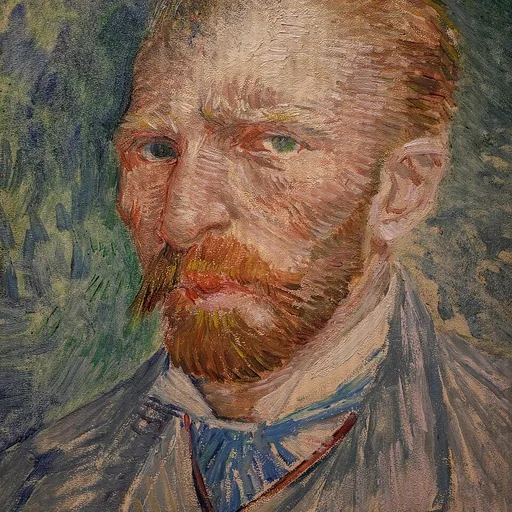
Vincent Willem van Gogh was a Dutch Post-Impressionist painter who is among the most famous and influential figures in the history of Western art.

 Mountainous Landscape Behind Saint-Paul Hospital
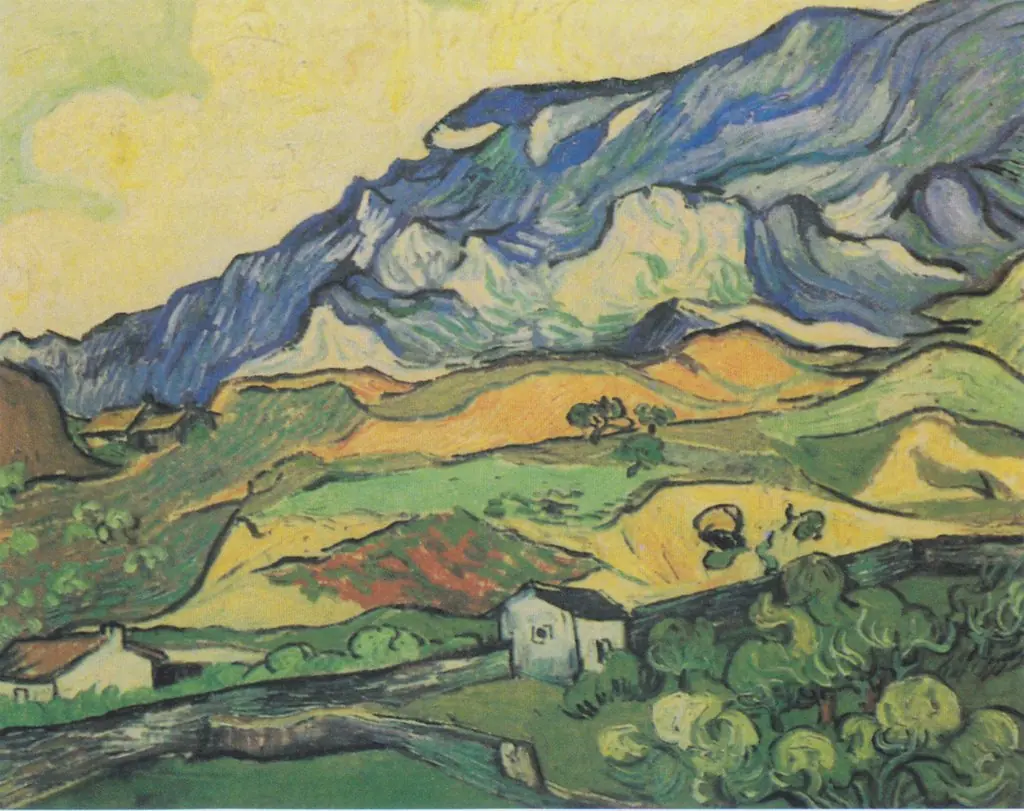 "Les Alpilles", mountain-landscape at Saint-Rémy
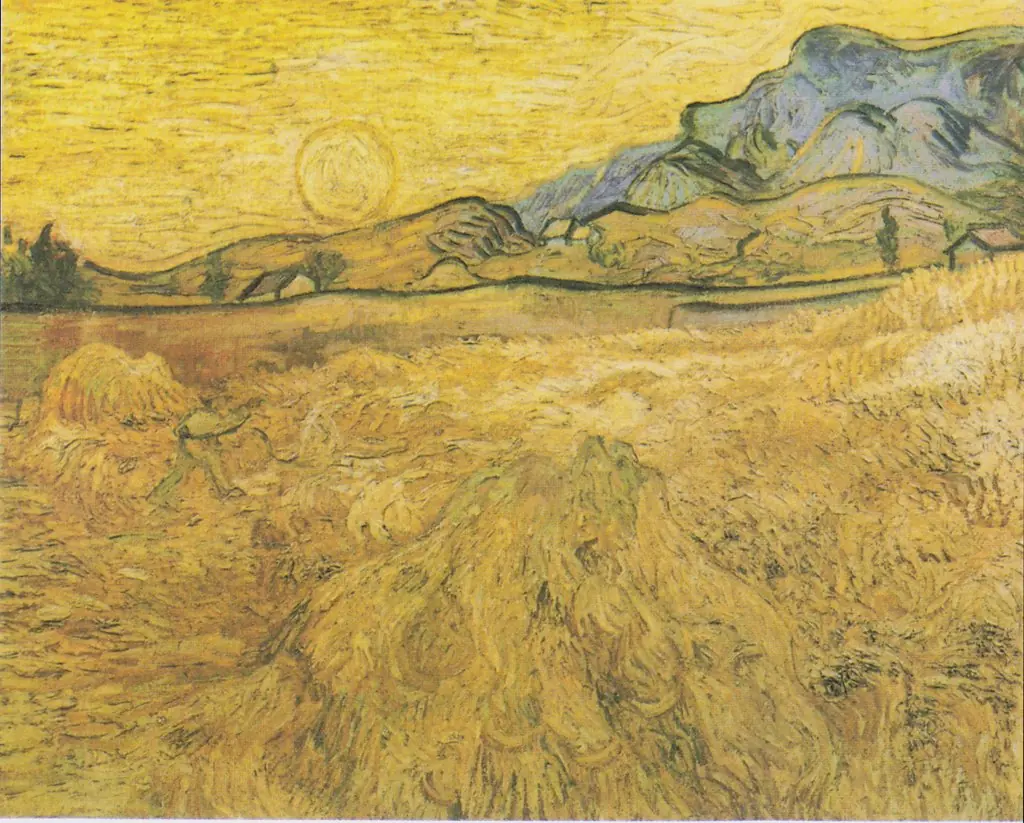 Wheat Field with Reaper and Sun
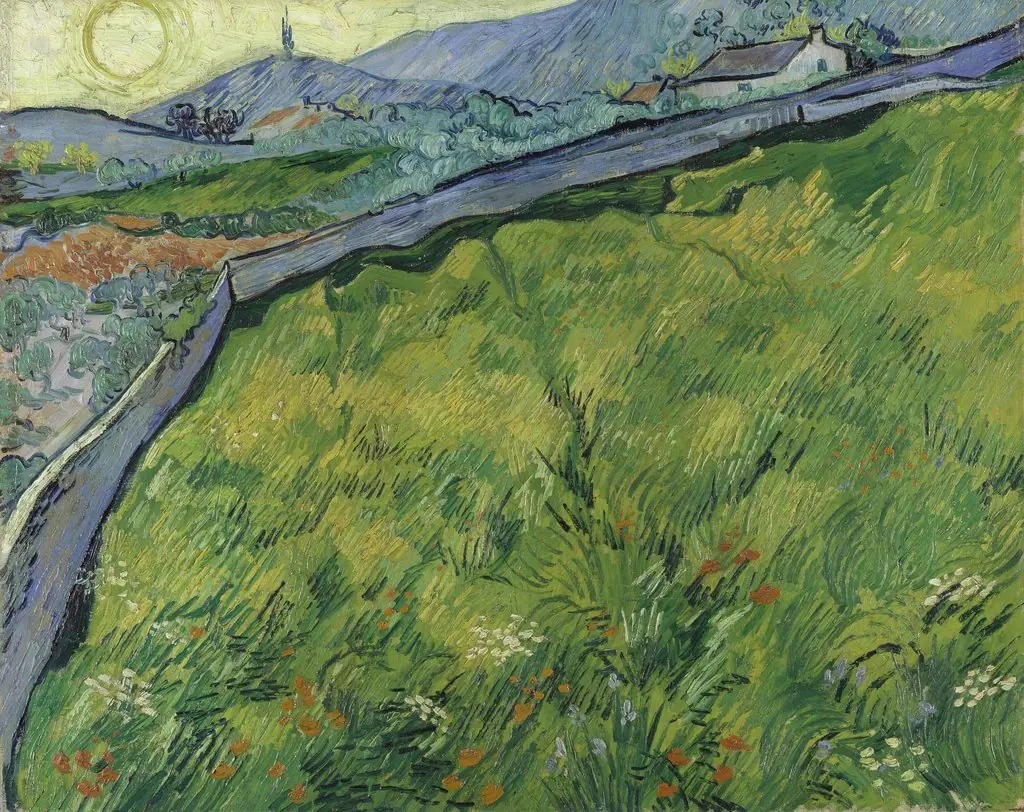 Enclosed Wheat Field with Rising Sun
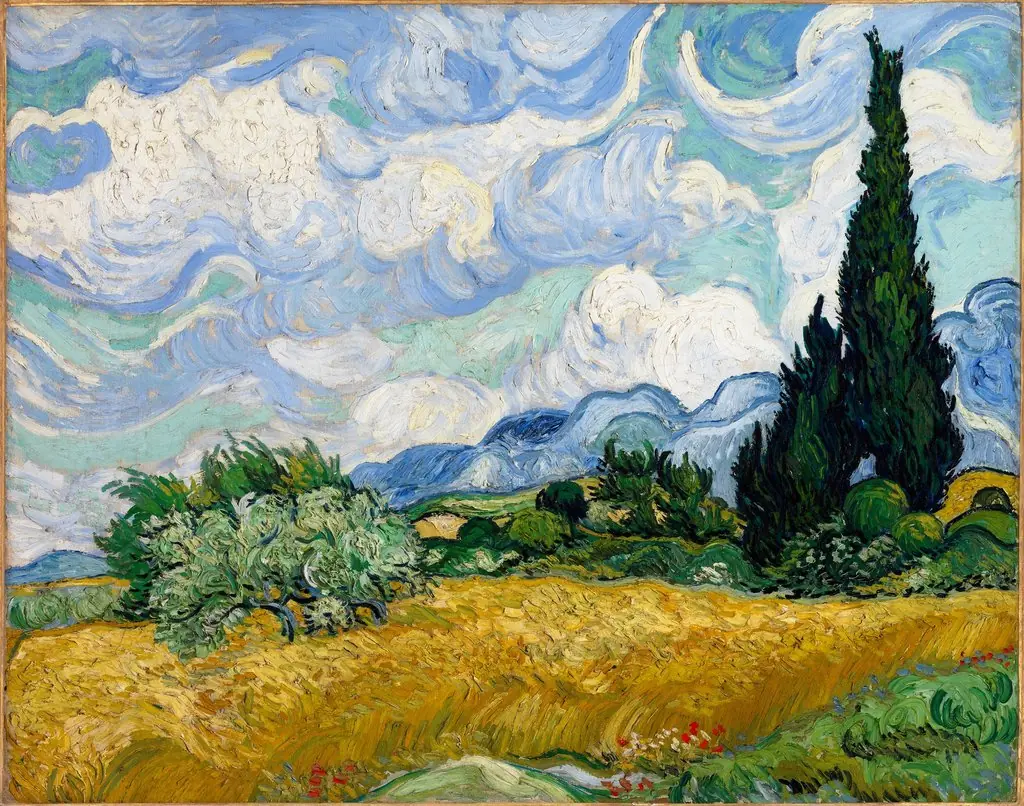 Wheat Field with Cypresses
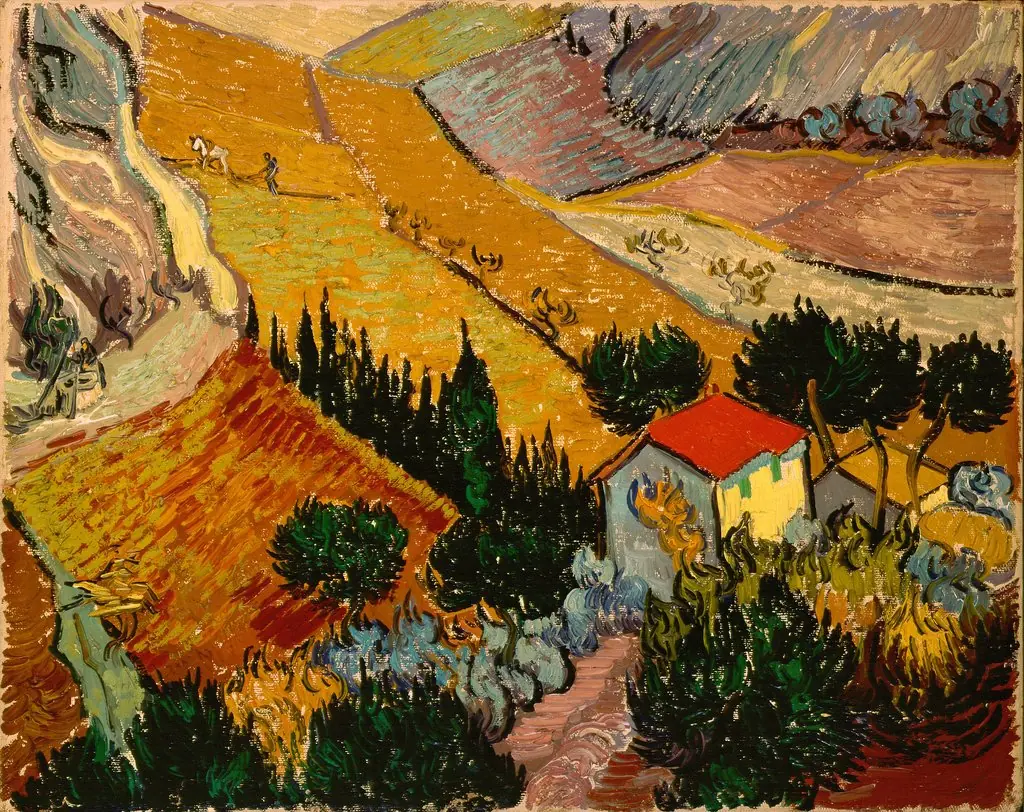 Landscape with House and Ploughman
 Green Wheat Field
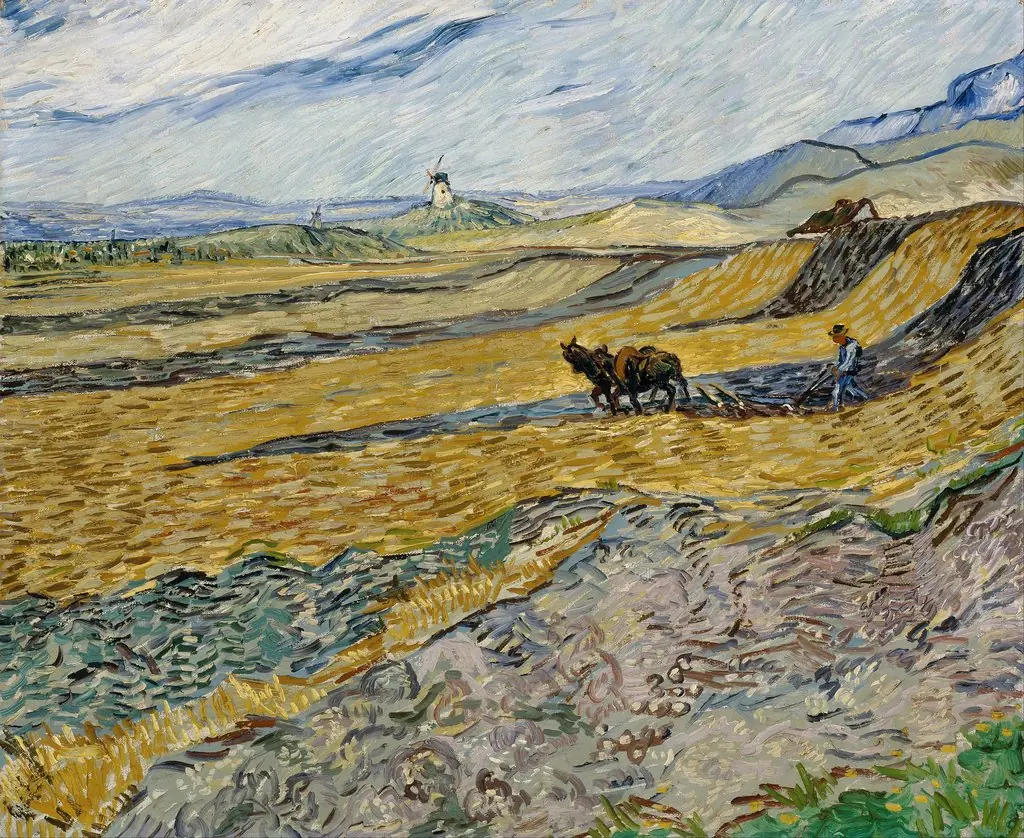 Enclosed Field with Ploughman
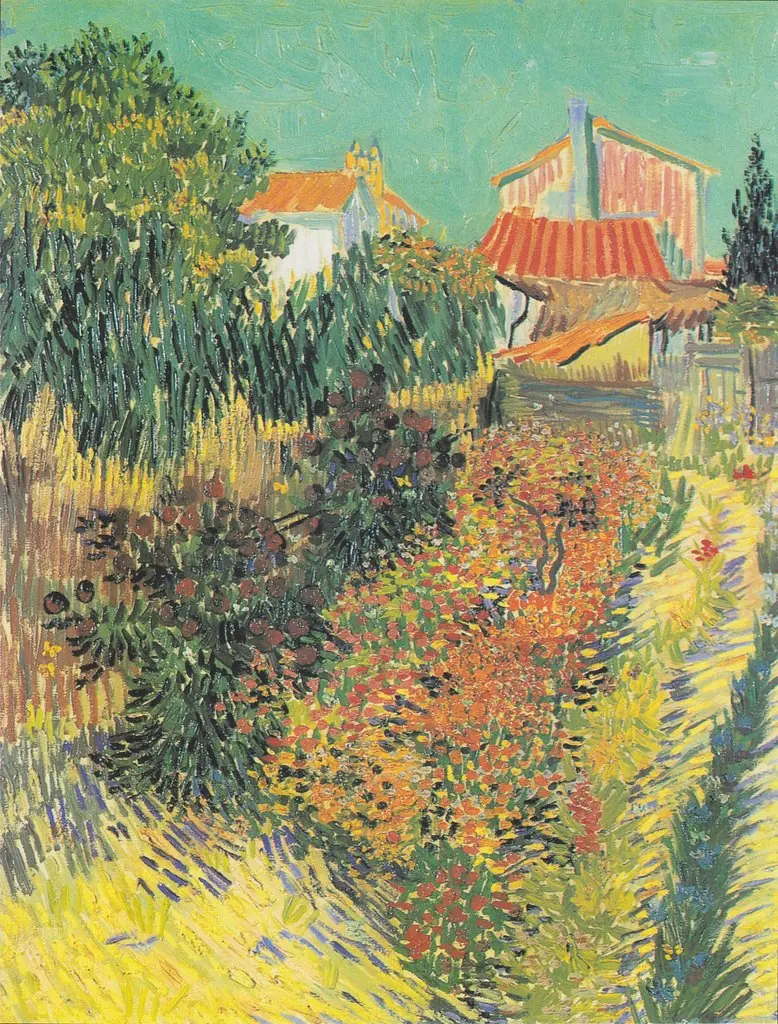 Garden Behind a House
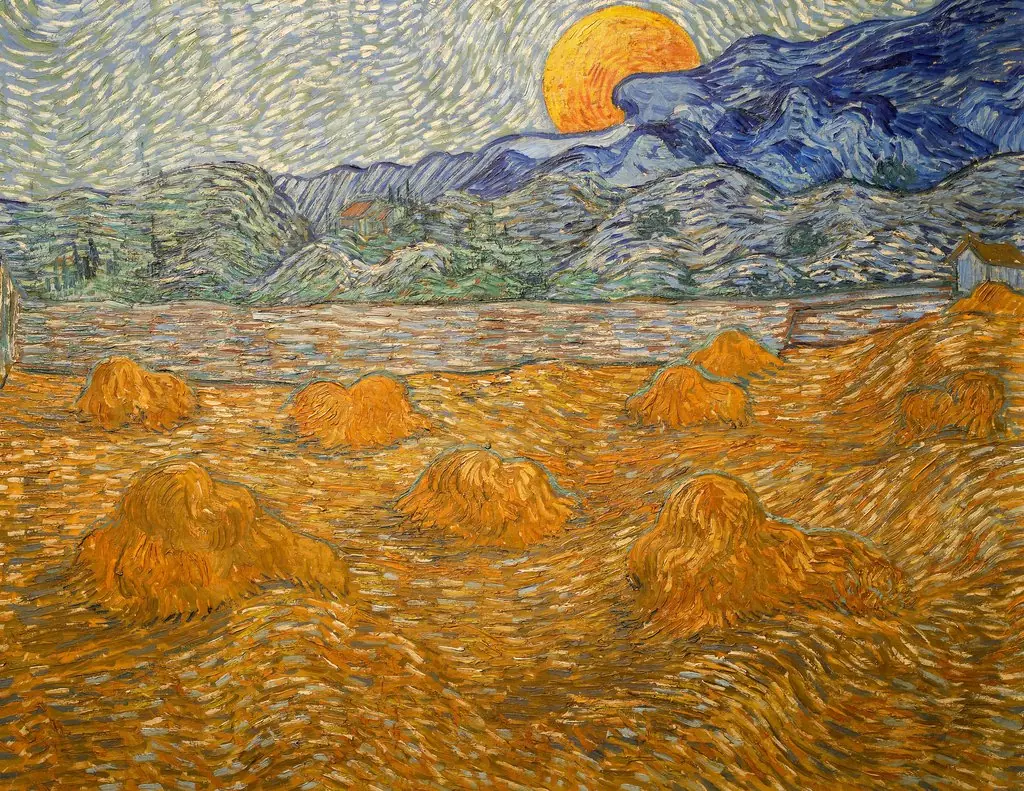 Landscape with wheat sheaves and rising moon
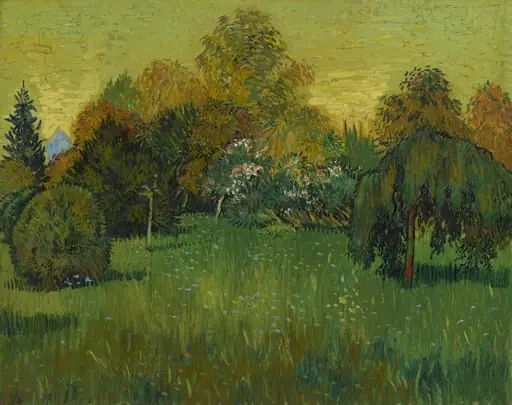 The Poet's Garden
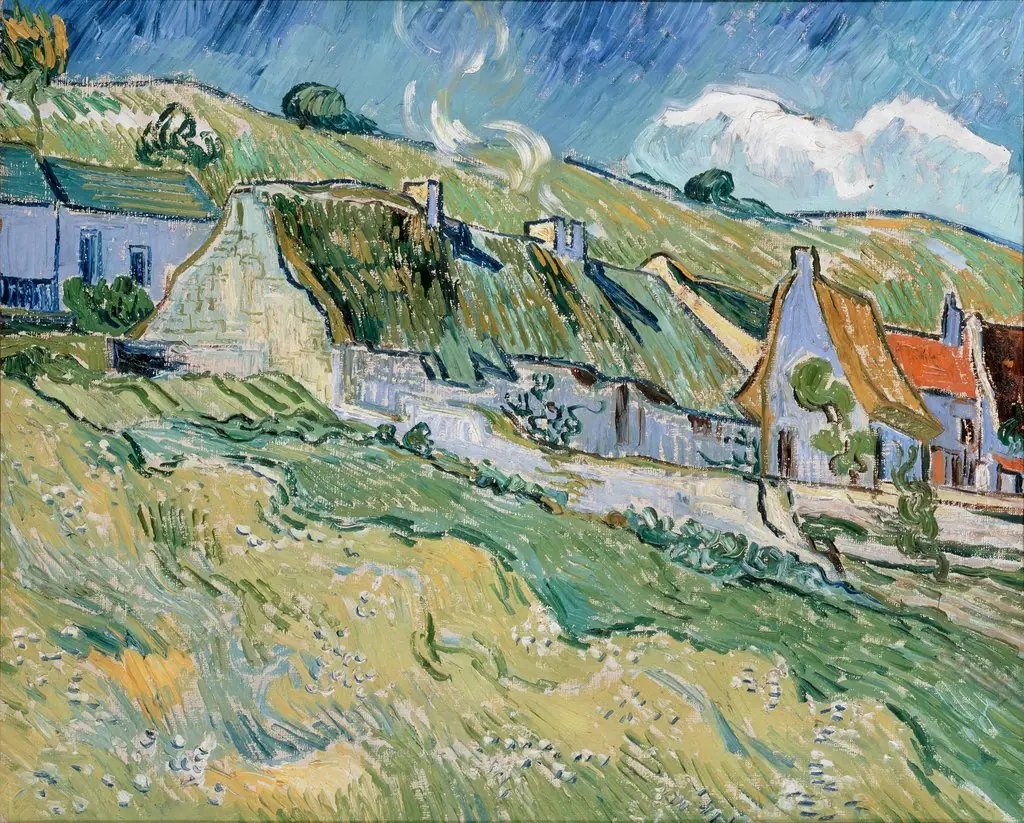 Thatched Cottages and Houses