Artwork
The green vineyard
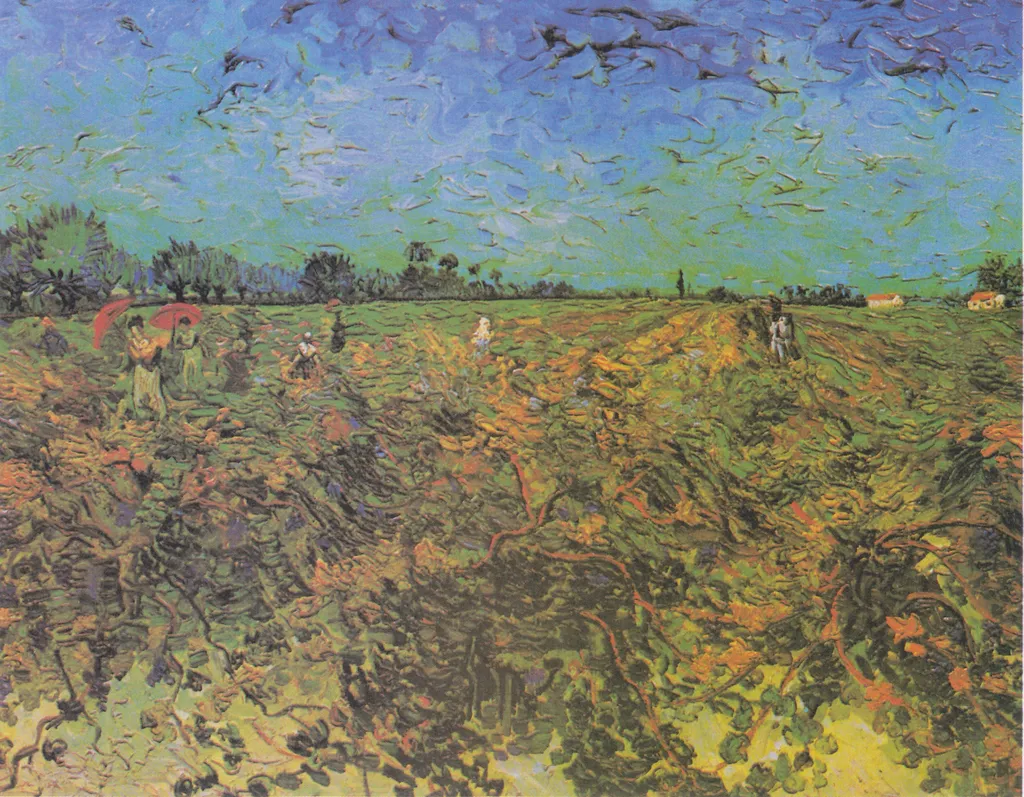
The green vineyard is an oil painting by the Post-Impressionist artist Vincent van Gogh. It dates from 1888 and is held in the collection of the Kröller-Müller Museum.
About this work
Overview
Vincent van Gogh painted The Green Vineyard in 1888 using oil on canvas. The work presents a cultivated vineyard scene, with orderly rows of verdant vines extending into the distance beneath a blue sky mottled with clouds. Laborers are visible in the foreground, attending to the vines, creating a narrative of agricultural activity.
Subject & Meaning
The composition captures a moment of rural labor, emphasizing the relationship between humans and the land. By foregrounding the workers amid the thriving vines, the painting reflects themes of productivity and the cyclical nature of cultivation, while the expansive sky suggests openness and the broader environment surrounding the vineyard.
Technique & Style
Van Gogh employs his characteristic impasto, applying thick layers of paint that give the foliage and sky a tactile quality. The palette is dominated by vivid greens and blues, contrasted with earthy tones for the soil and figures. Dynamic, energetic brushstrokes convey movement, reinforcing the sense of activity within the landscape.
History & Provenance
Created during van Gogh’s productive Arles period, The Green Vineyard later entered the collection of the Kröller-Müller Museum in the Netherlands. The museum, known for its extensive holdings of van Gogh’s work, now displays the painting as part of its permanent exhibition of 19th‑century European art.
Artist & collection
Artist
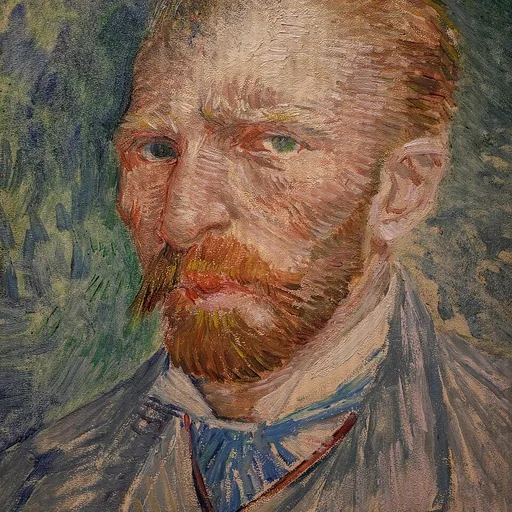
Vincent Willem van Gogh was a Dutch Post-Impressionist painter who is among the most famous and influential figures in the history of Western art.

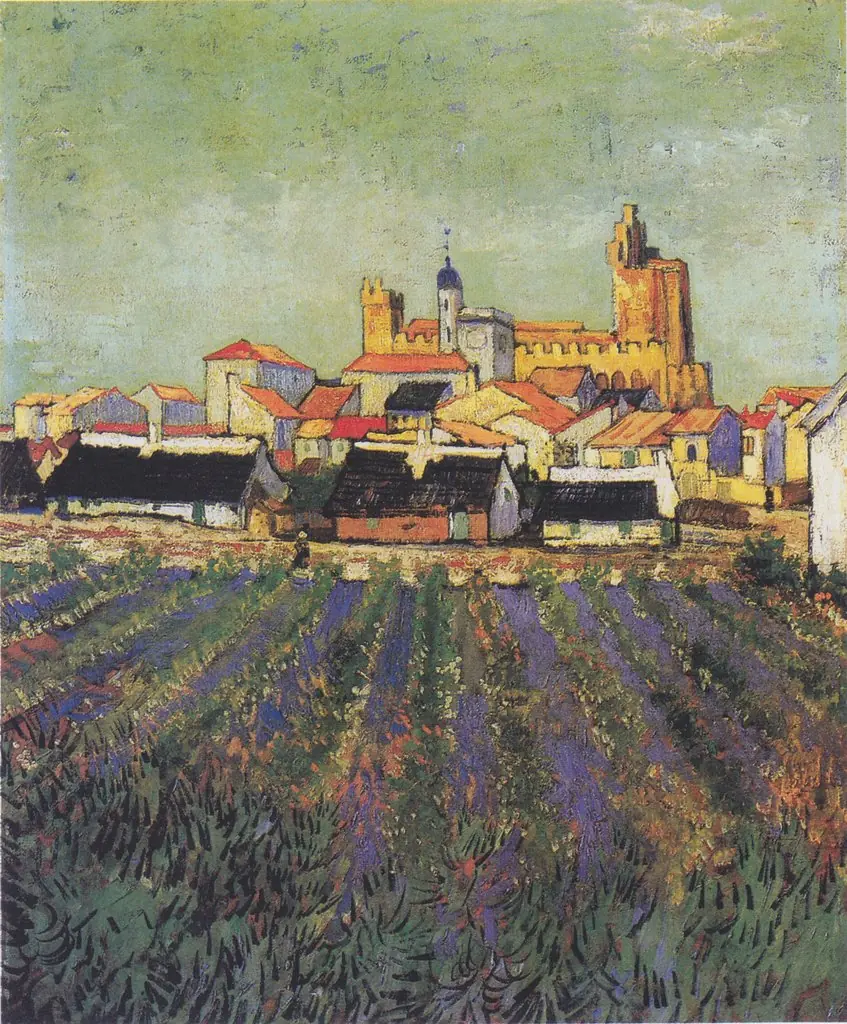 View to Saintes-Maries-de-la-Mer
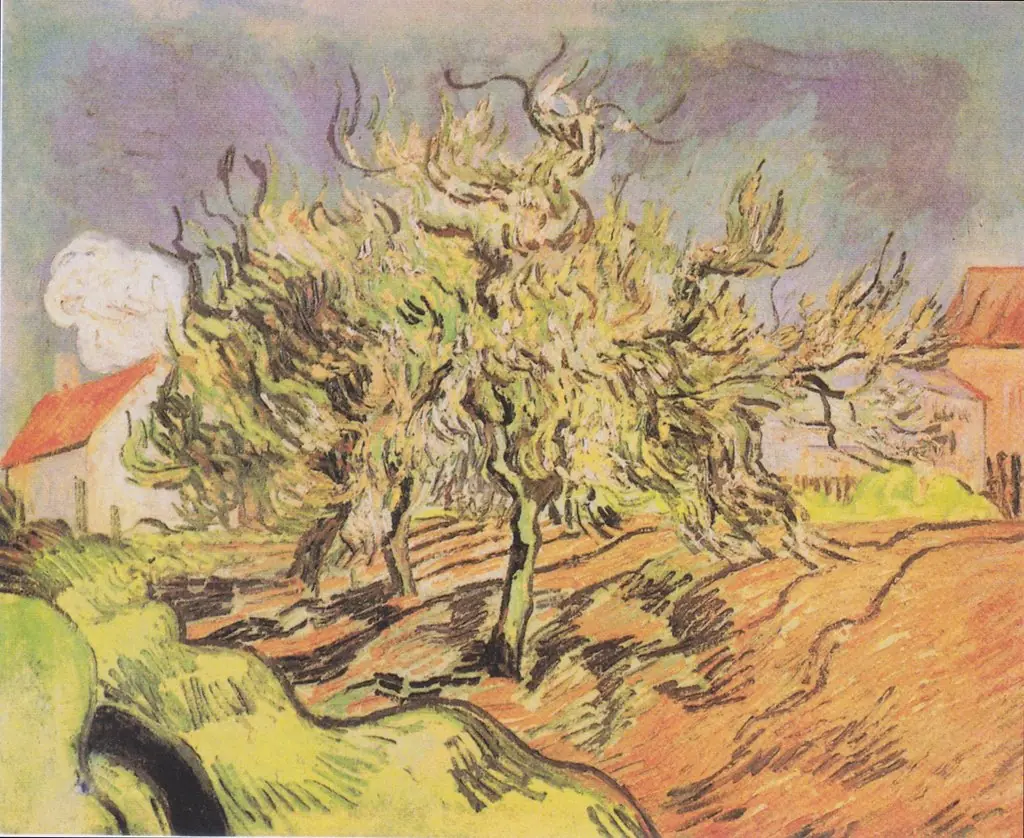 Landscape with three trees and houses
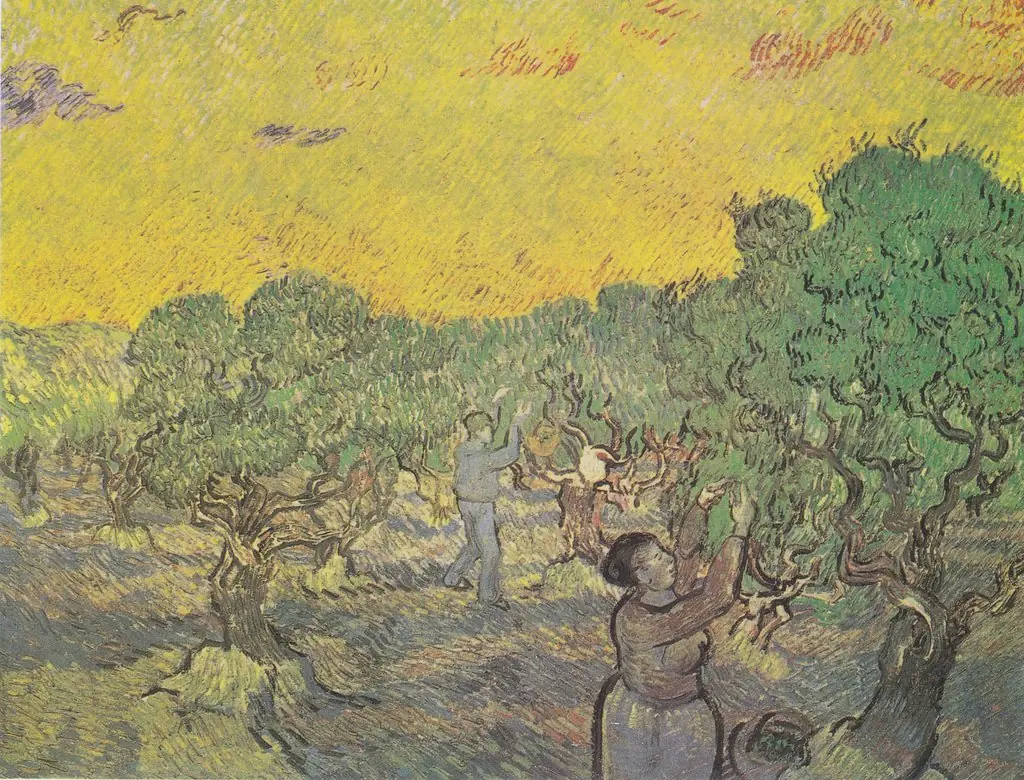 Olive Grove with Picking Figures
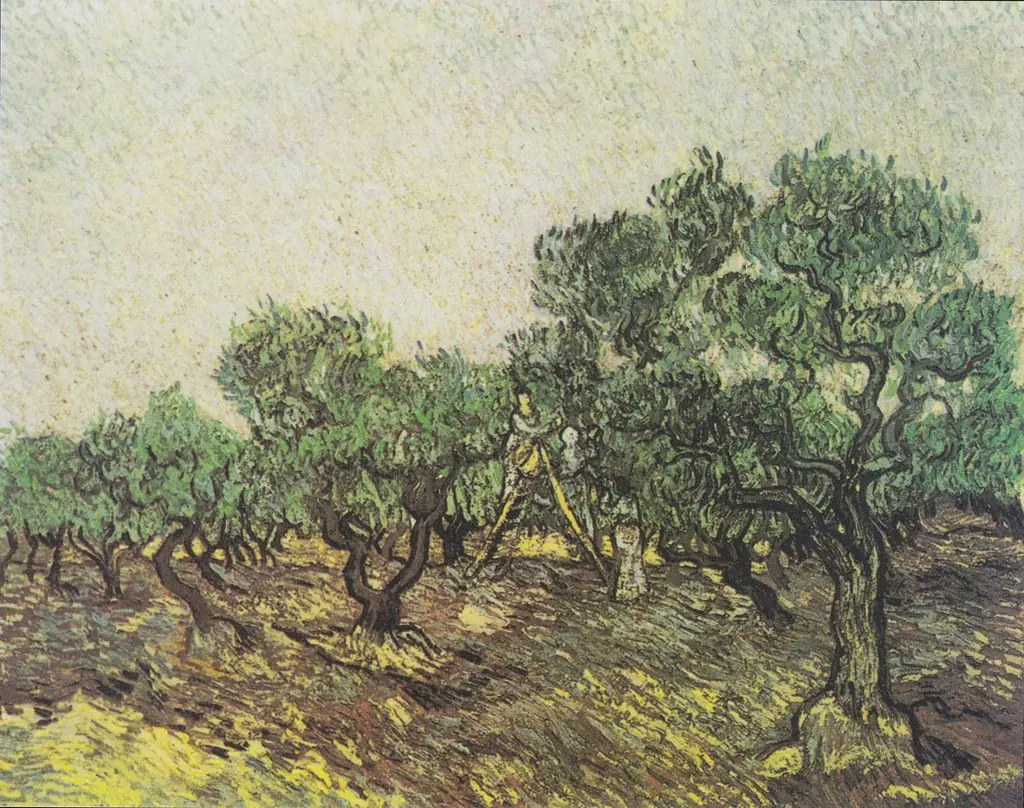 Olive Picking
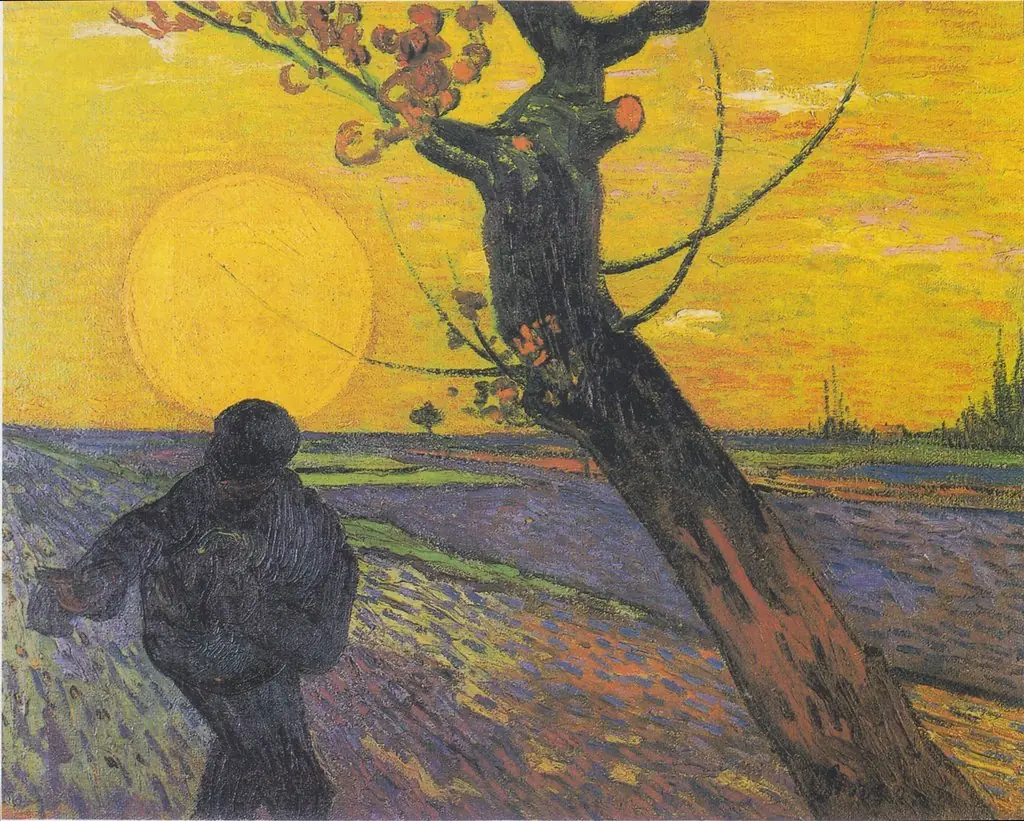 The Sower III (version 1)
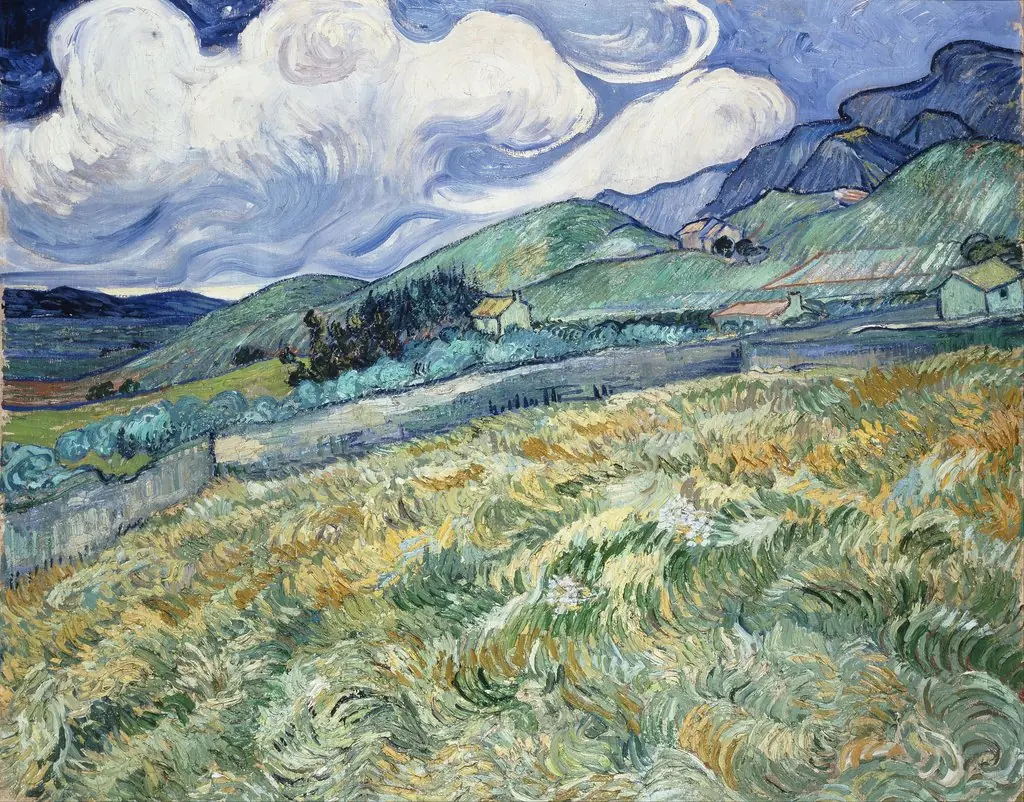 Mountainous Landscape Behind Saint-Paul Hospital
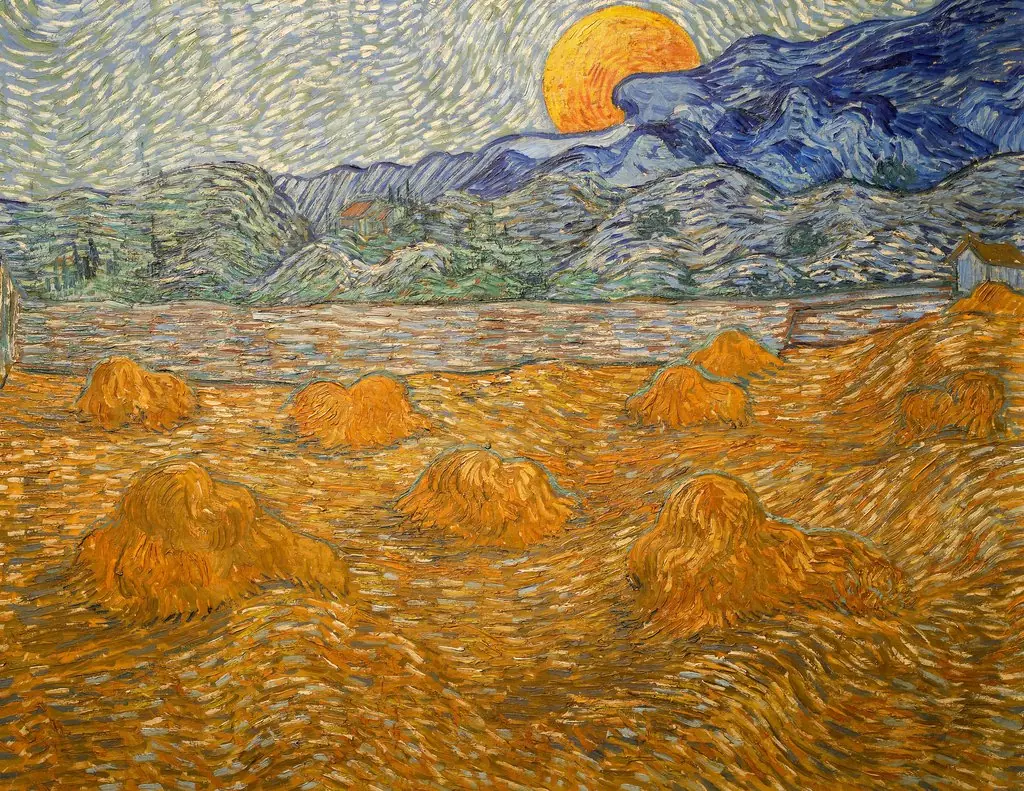 Landscape with wheat sheaves and rising moon
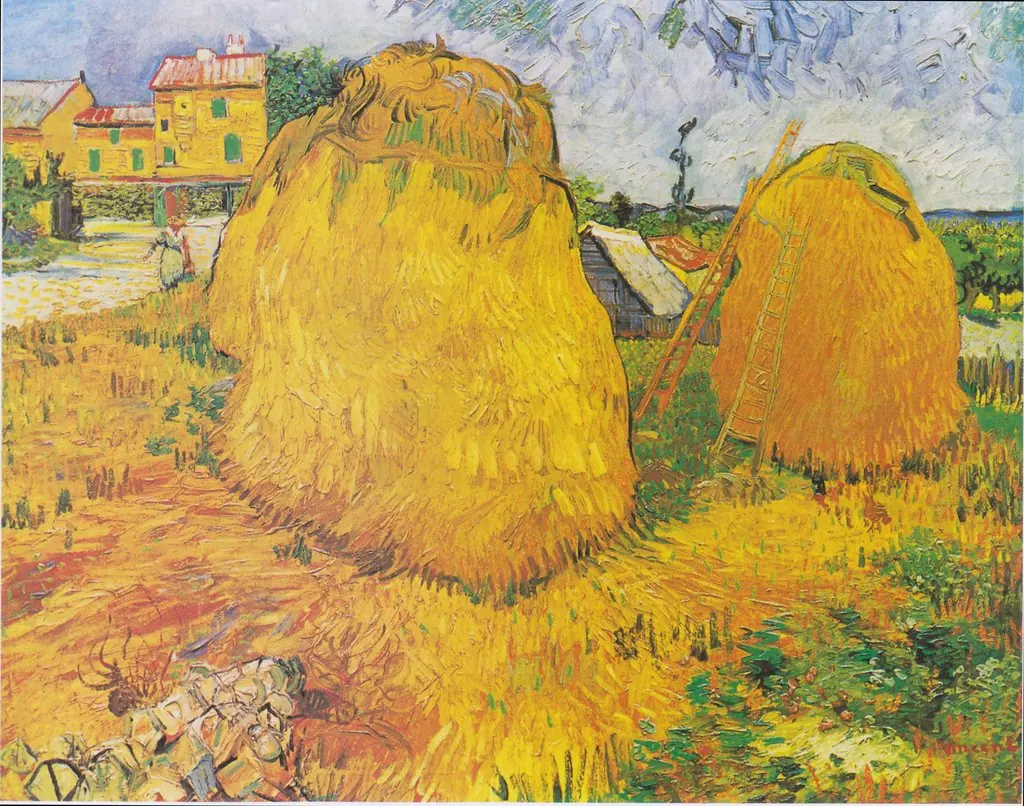 Haystacks in Provence
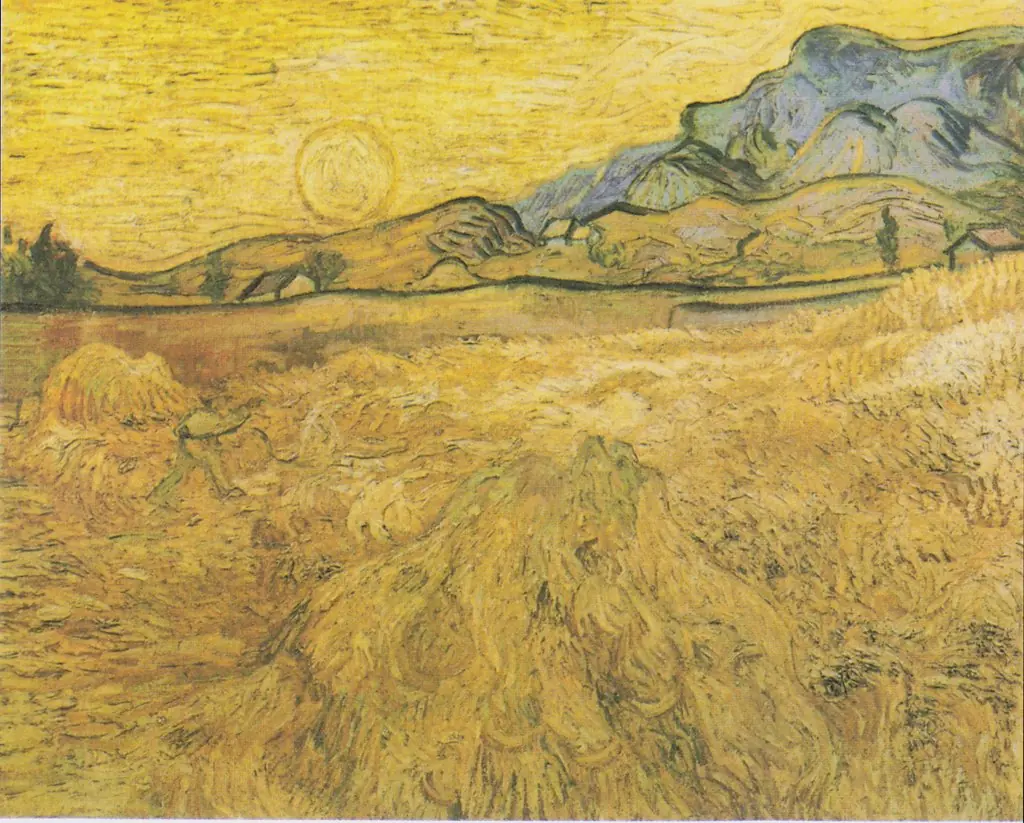 Wheat Field with Reaper and Sun
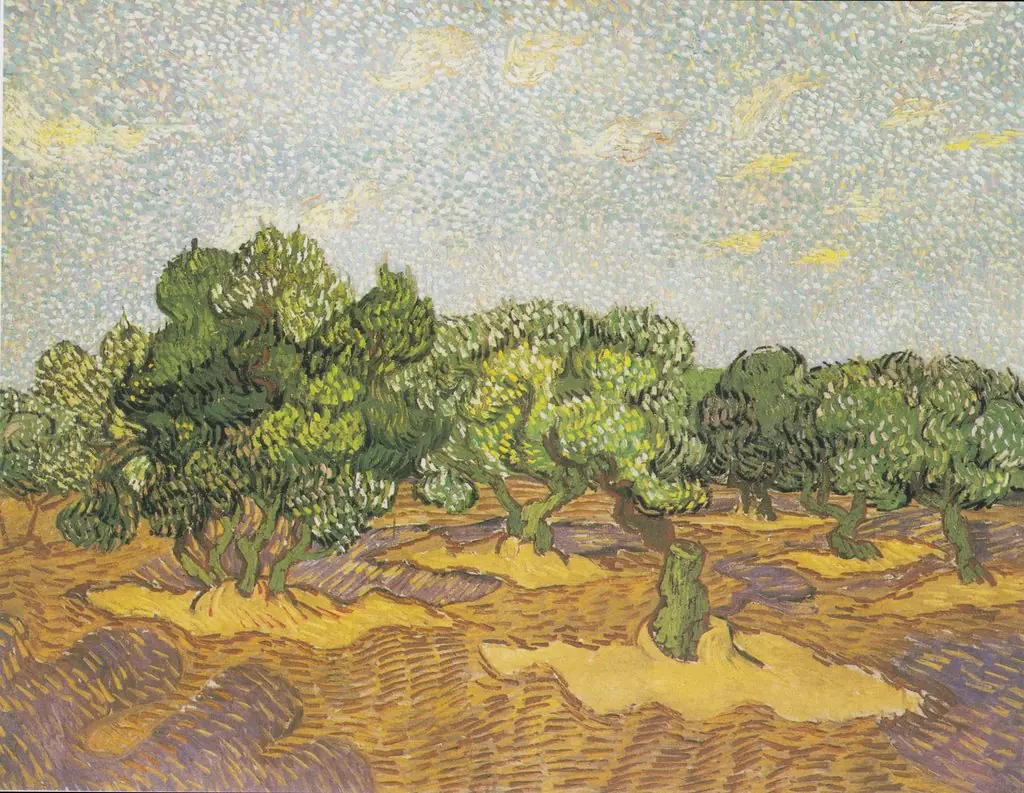 Olive Trees
 Olive Grove
 The Sower (Sower at Sunset)