Artwork
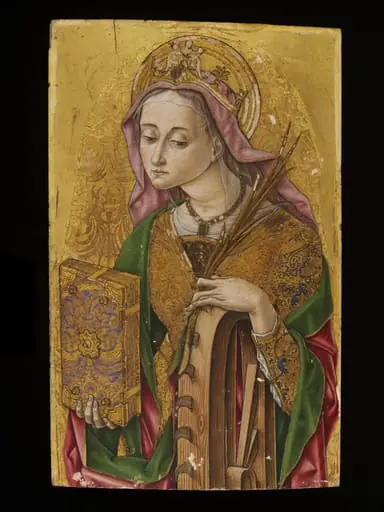
Saint Catherine (panel from an altarpiece)
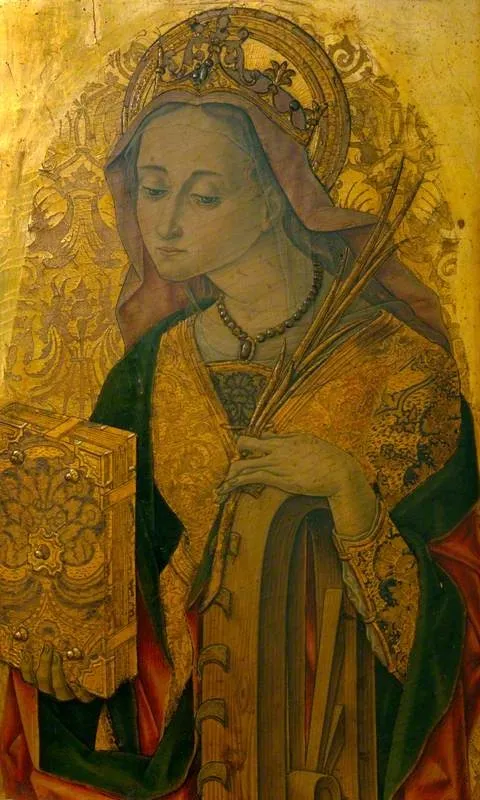
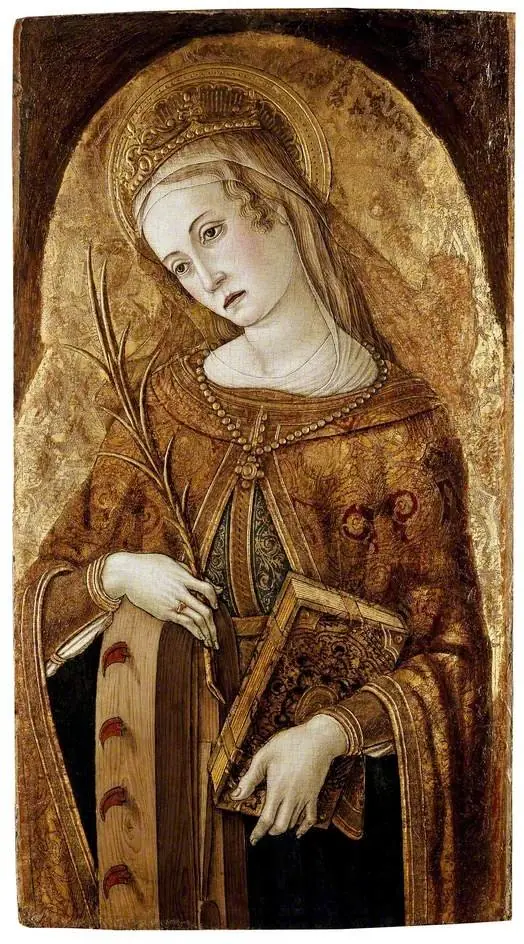
Saint Catherine (panel from an altarpiece) is an unspecified painting by the Northern Renaissance artist Vittore Crivelli. It dates from 1491 and is held in the collection of the Victoria and Albert Museum.
About this work
Overview
The panel is now held in the Victoria and Albert Museum, one of several surviving works by the artist found in collections across Europe and North America.
Painted in 1491 by Vittore Crivelli, this panel originally formed part of a larger altarpiece. A Venetian artist active in the late 15th century, Crivelli worked within the Northern Renaissance tradition, blending regional decorative sensibilities with Italian devotional formats. The panel is now held in the Victoria and Albert Museum, one of several surviving works by the artist found in collections across Europe and North America.
Subject & Meaning
The figure represents Saint Catherine of Alexandria, identifiable by her crown and attributes: a book symbolizing her scholarly devotion and a palm branch denoting martyrdom. Her serene expression and regal posture convey spiritual authority. The ornate clothing and jewelry reflect her status as a noblewoman who chose divine service over worldly power, aligning with hagiographic traditions of the period.
Technique & Style
Crivelli employed tempera on wood, with meticulous attention to surface detail—gold leaf highlights, intricate patterns in the background, and finely rendered textures in fabric and jewelry. His style shows the influence of his brother Carlo, though his handling is more rigid and less fluid. The flat, decorative backdrop contrasts with the modeled figure, emphasizing symbolic presence over spatial realism.
History & Provenance
The panel was created for a devotional altarpiece in the Marche region of Italy, likely commissioned by a local religious institution. It remained in ecclesiastical hands until the 19th century, when it entered a private collection before being acquired by the Victoria and Albert Museum. Its survival is notable, as many such panels were dismantled or lost during secularization campaigns.
Context
Vittore Crivelli operated in a period when Venetian painters were absorbing Northern European techniques, particularly in the use of detail and gold decoration. His work reflects the transition from medieval iconography to Renaissance naturalism, though he retained a preference for stylized forms. This panel exemplifies how regional workshops adapted broader trends to serve local liturgical needs.
Legacy
Though overshadowed by his brother Carlo, Vittore Crivelli’s oeuvre contributes to understanding the diversity of late 15th-century Italian painting. His panels, characterized by their decorative precision and devotional clarity, offer insight into the visual culture of smaller Italian towns. Surviving works like this one help trace the diffusion of artistic conventions beyond major urban centers.
Artist & collection
Artist
Vittorio (or Vittore) Crivelli (c. 1440 – 1501 or 1502) was an Italian painter and brother of Carlo Crivelli. His works are similar in style to his brother's, but less accomplished. He was born and died in Venice. There…

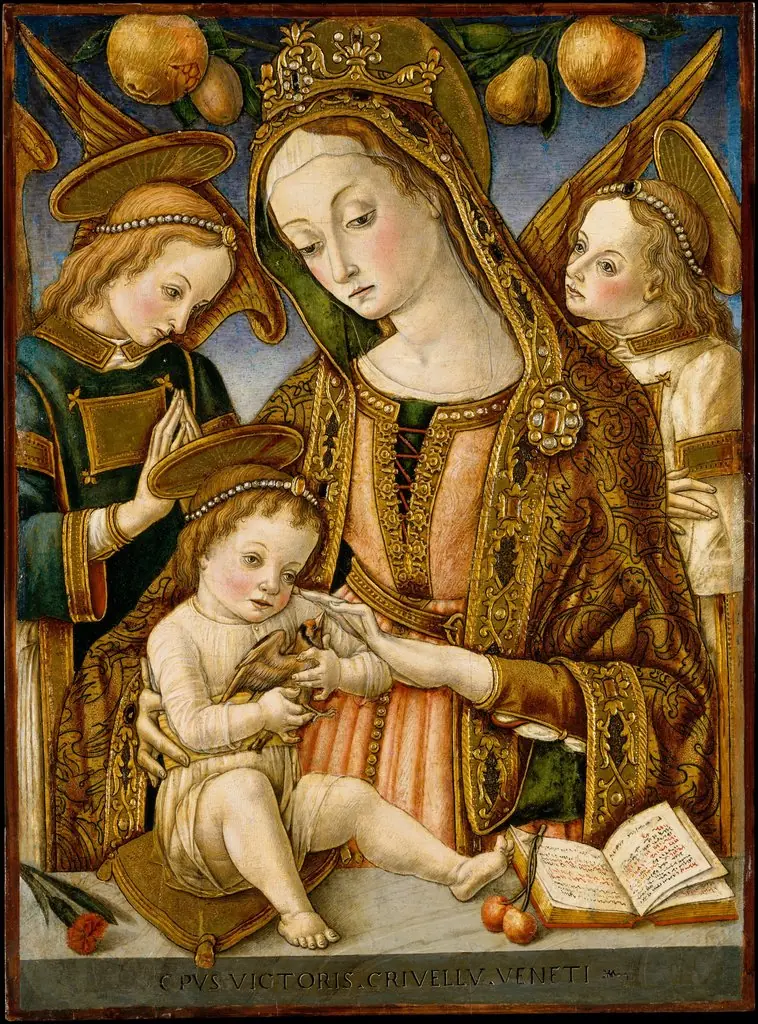 Madonna and Child with Two Angels
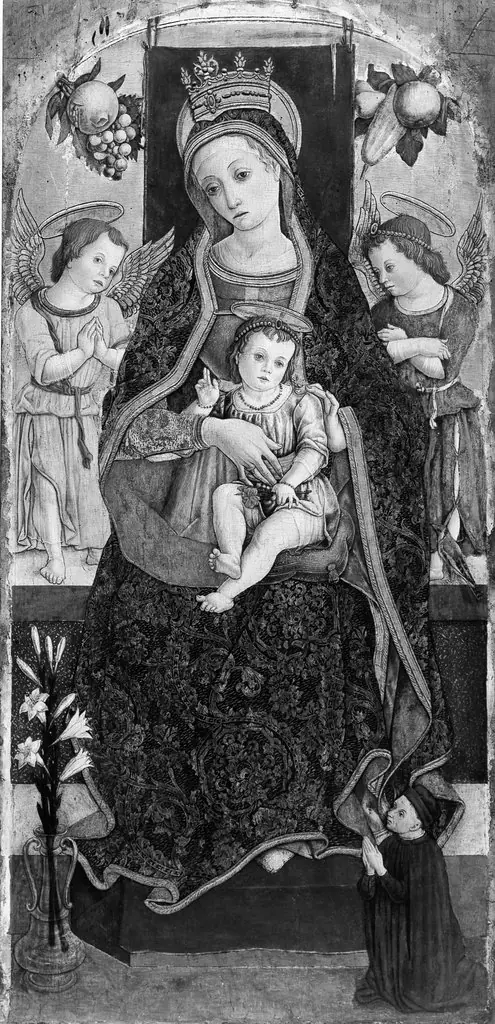 Madonna and Child Enthroned with Two Angels and a Donor
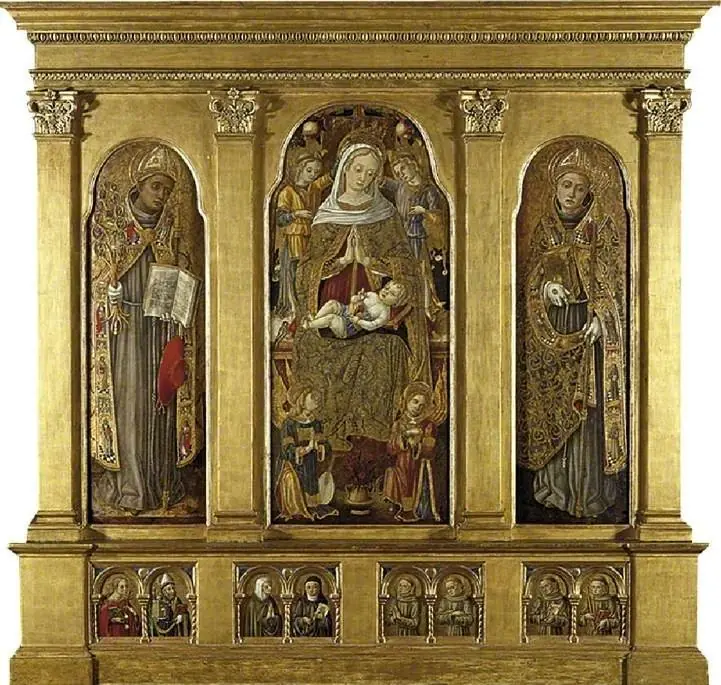 Virgin and Child enthroned; St Bonaventura (left); St Louis of Toulouse (right). below, four pairs of figures of Saints: St Agatha and St Augustine; an unidentified female Franciscan Saint and St Clar
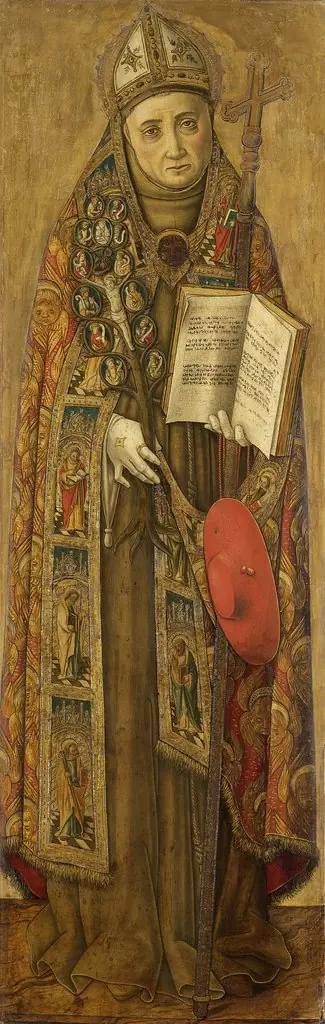 St. Bonaventure, pendant to St. Louis
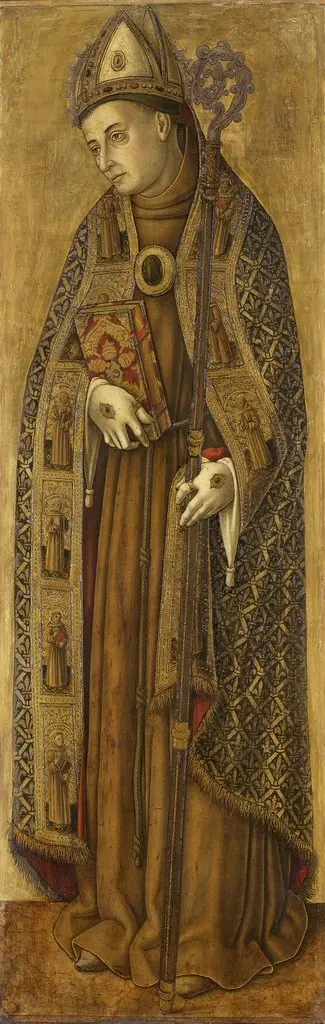 St. Louis of France, pendant to St. Bonaventure
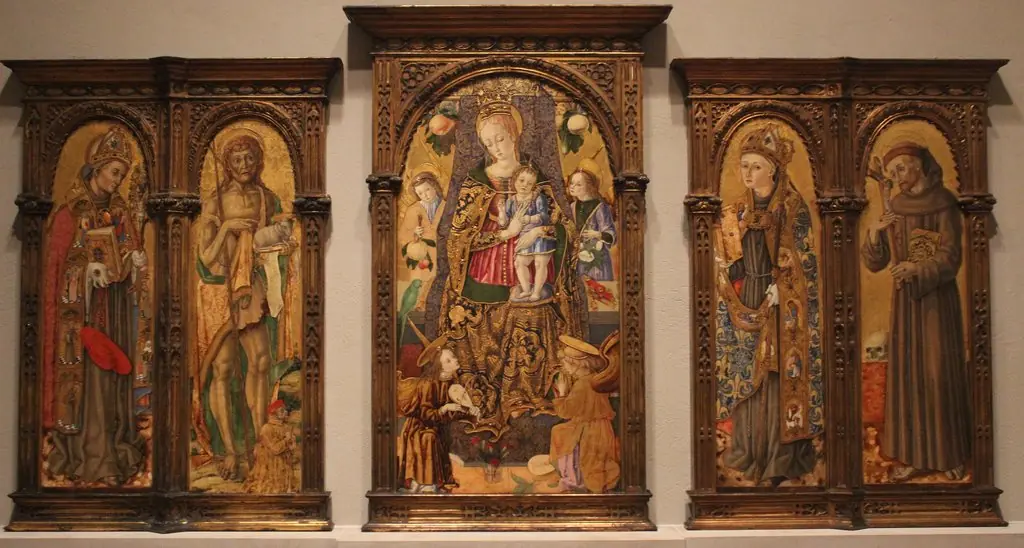 Enthroned Virgin and Child, with Angels and Saints Bonaventure, John the Baptist, Louis of Toulouse, and Francis of Assisi
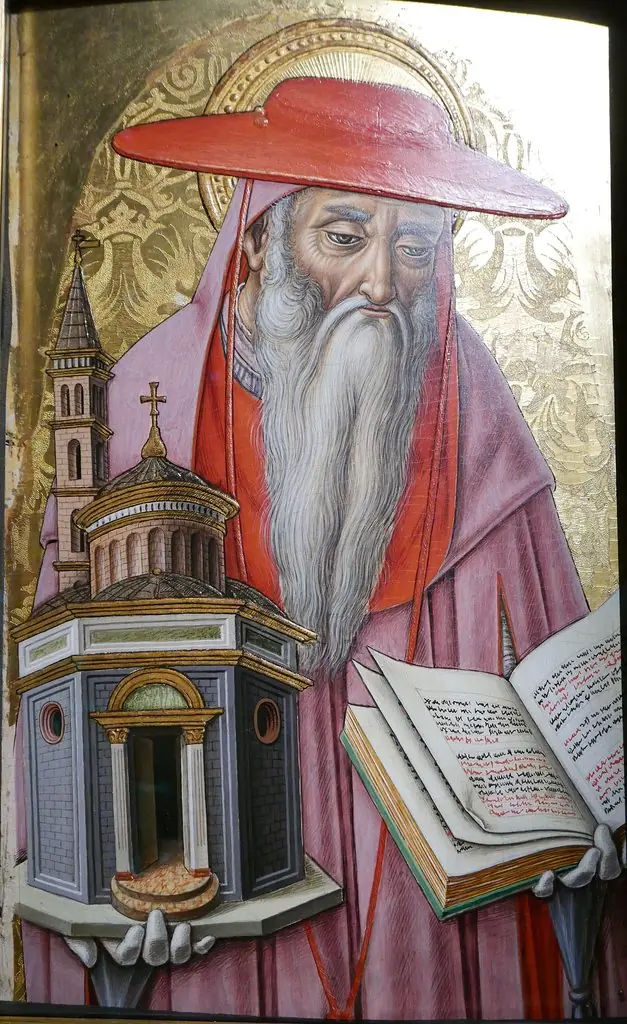 Saint Jerome (panel from an altarpiece)
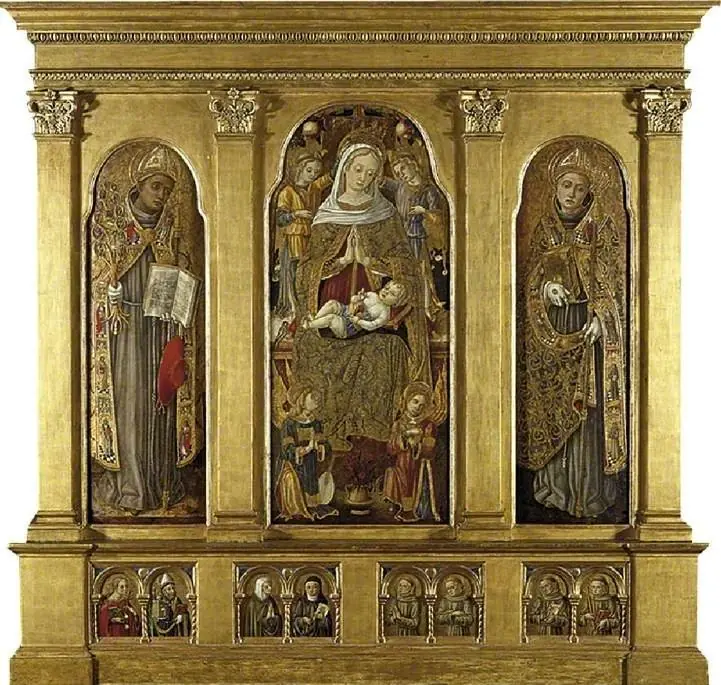 Virgin and Child Enthroned: Saint Bonaventura (left); Saint Louis of Toulouse (right) Saint Agatha and Saint Augustine, an Unidentified Female Franciscan Saint and Saint Clare of Assisi, Four Male Fra