Artwork
Portrait of Torzhok peasant Christinya
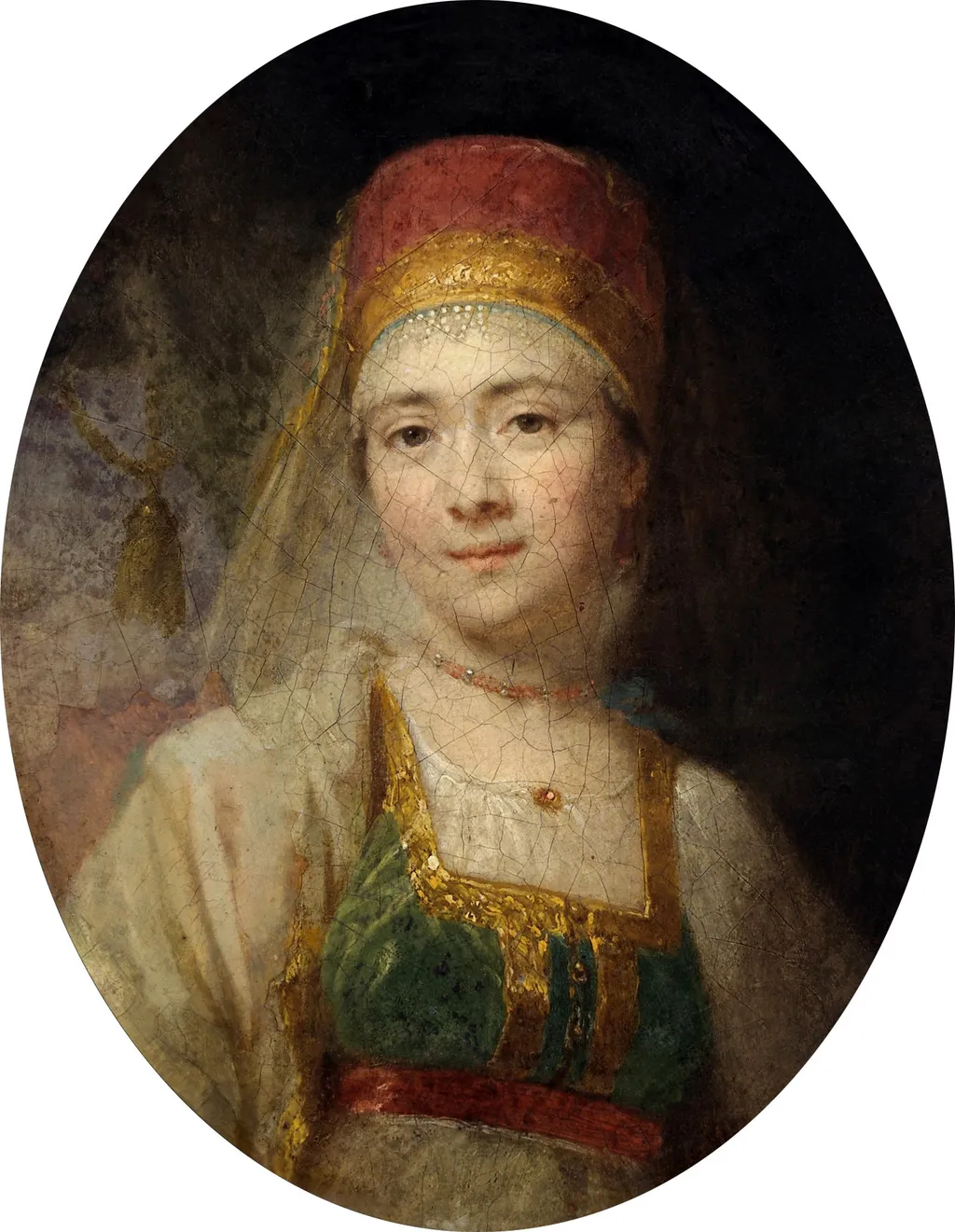
Portrait of Torzhok peasant Christinya is an unspecified painting by Vladimir Borovikovsky. It dates from 1798 and is held in the collection of the Tretyakov Gallery.
About this work
Overview
The painting is part of the Tretyakov Gallery’s collection and reflects a shift in Russian art toward representing non-elite subjects with psychological depth.
Painted in 1798 by Vladimir Borovikovsky, this portrait captures a peasant woman from Torzhok, a town in northwestern Russia. Unlike the grand courtly portraits Borovikovsky was known for, this work turns its focus to an ordinary individual, rendered with quiet dignity. The painting is part of the Tretyakov Gallery’s collection and reflects a shift in Russian art toward representing non-elite subjects with psychological depth.
Subject & Meaning
The subject, identified as Christinya, is depicted without idealization—her expression is composed, her gaze direct. Her simple attire, including a dark dress and headscarf, signals her rural status. The absence of symbolic props or ornate surroundings emphasizes her identity as a working woman. The somber tone and restrained composition suggest an intention to honor the quiet resilience of peasant life rather than dramatize it.
Technique & Style
Borovikovsky employed fine brushwork to render textures—the weave of the headscarf, the folds of the dress—with precision. The dark, unbroken background isolates the figure, drawing attention to her face and hands. Lighting is soft and even, avoiding theatrical contrast. This restrained realism, rooted in observation rather than embellishment, aligns with Borovikovsky’s broader approach to portraiture, prioritizing authenticity over grandeur.
History & Provenance
Commissioned during a period when Russian artists began turning toward native subjects, the portrait was likely created as part of a broader cultural interest in regional identities. It entered the Tretyakov Gallery’s collection in the late 19th century, where it has remained as part of a growing archive of 18th- and 19th-century Russian portraiture. Its survival reflects its significance in documenting everyday life beyond aristocratic circles.
Context
In late 18th-century Russia, portraiture was dominated by depictions of nobility. Borovikovsky’s choice to portray a peasant woman with such care was unusual, though not entirely unprecedented. It coincided with Enlightenment ideals and growing state interest in the lives of common people. This work stands as a quiet counterpoint to imperial imagery, reflecting a more inclusive, if still limited, vision of Russian society.
Legacy
The portrait contributed to a broader movement in Russian art that valued individual character over social rank. While Borovikovsky is best known for his court paintings, works like this one influenced later realist painters who sought to depict the Russian people with empathy and precision. It remains a touchstone in discussions of how art can elevate the visibility of marginalized lives without romanticizing them.
Artist & collection
Artist
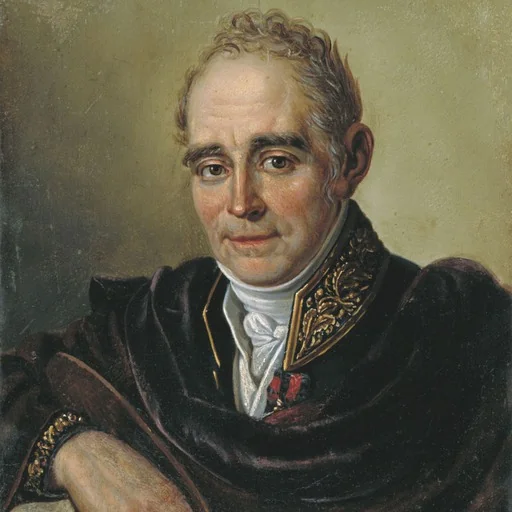
Vladimir Lukich Borovikovsky (August 4 1757 – April 18 1825) was a Russian artist of Ukrainian Cossack origin. He served at the court of Catherine the Great and dominated portraiture in Russia at the turn of the 19th century.

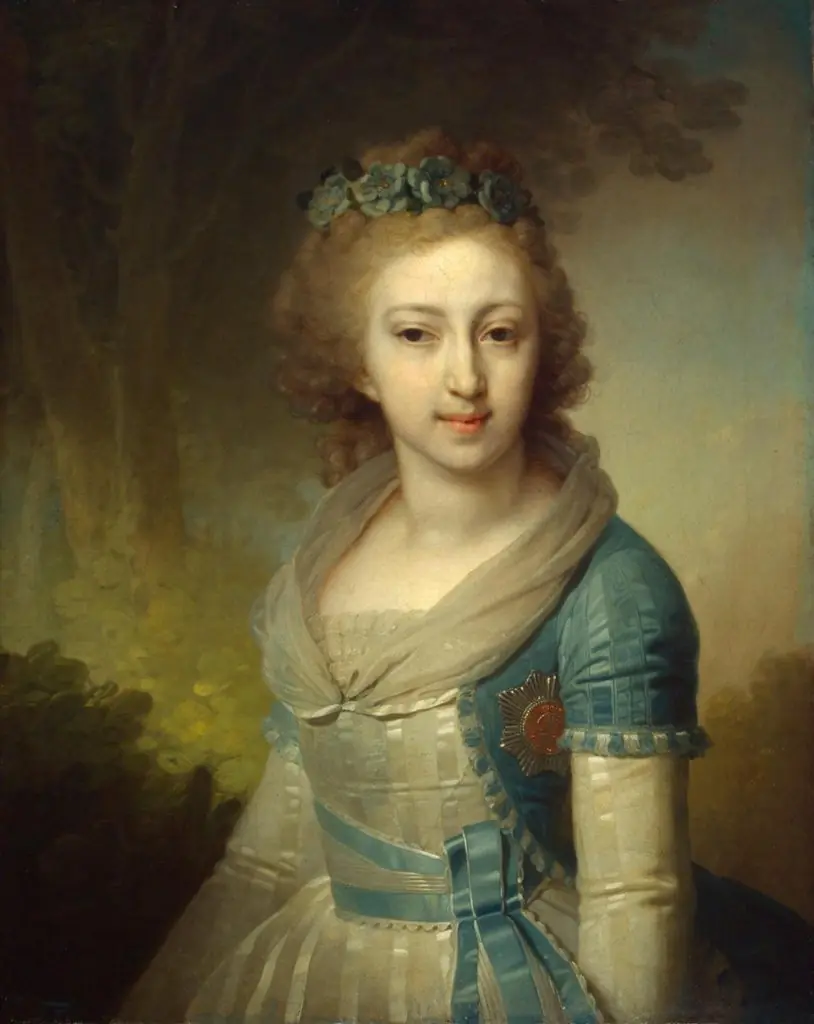 Portrait of Grand DuchessYelena Pavlovna
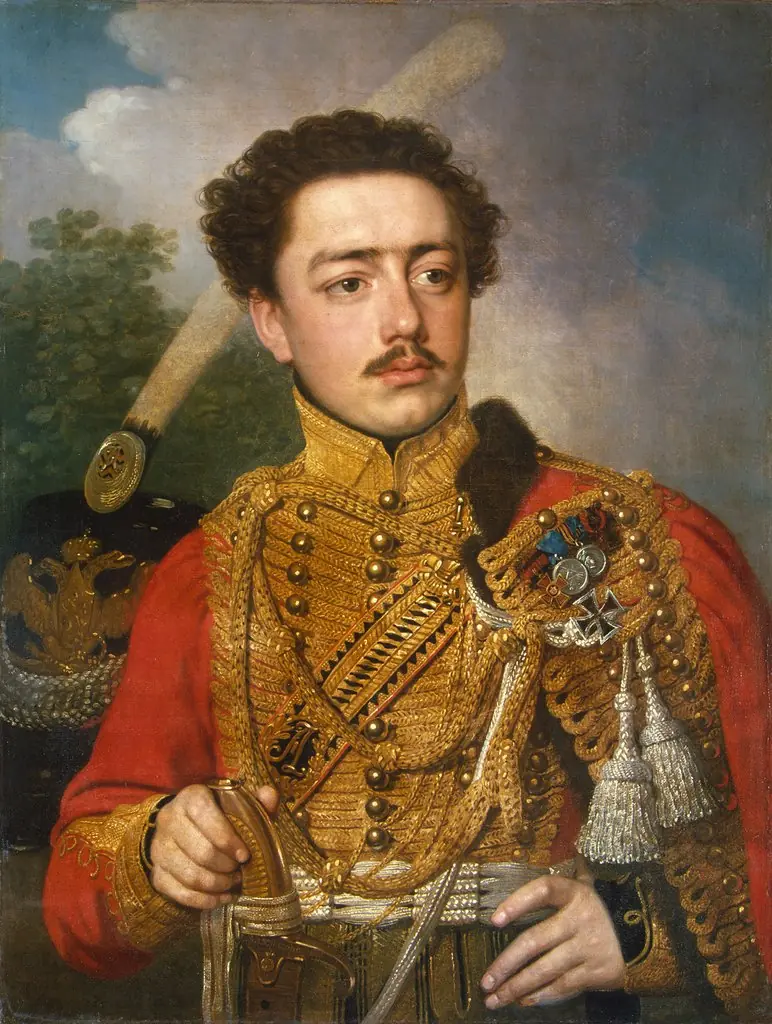 Portrait of Pavel Masyukov, the Cavalry Captain of the Life-Guards Hussar Regiment
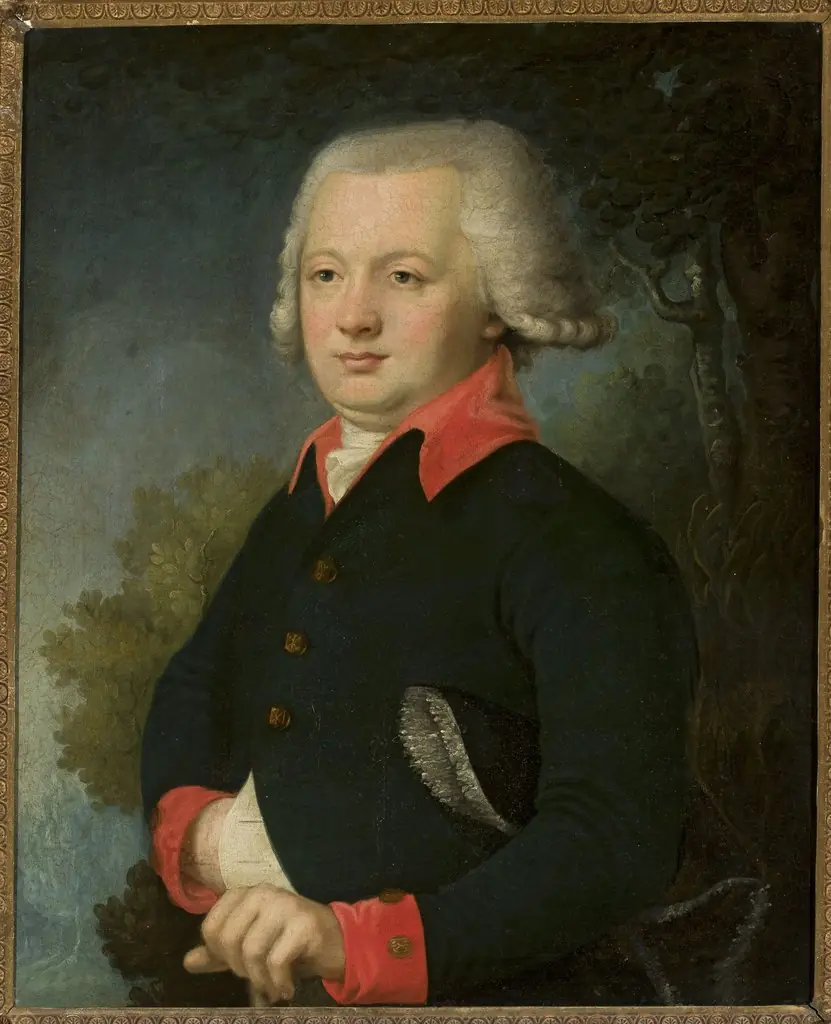 Portrait of a young man
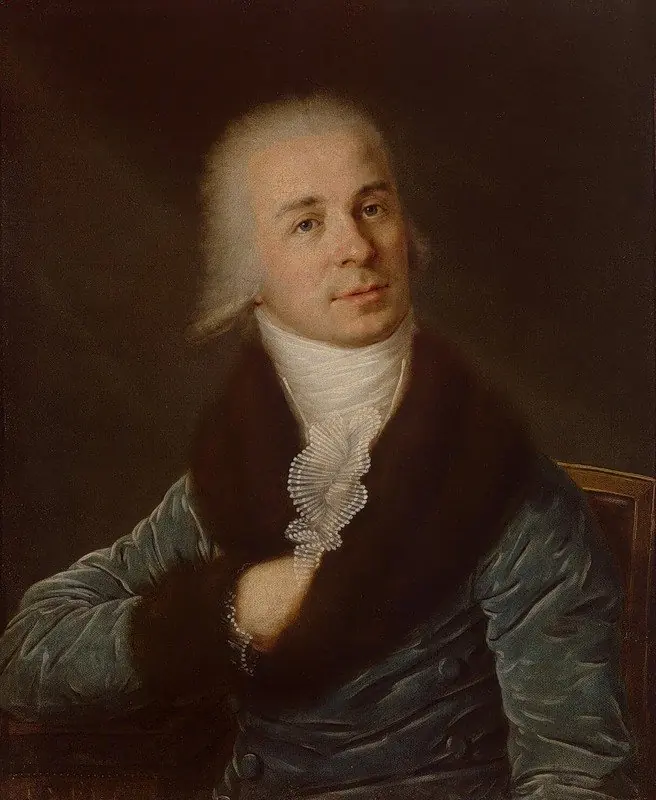 Portrait of Gavrila Derzhavin
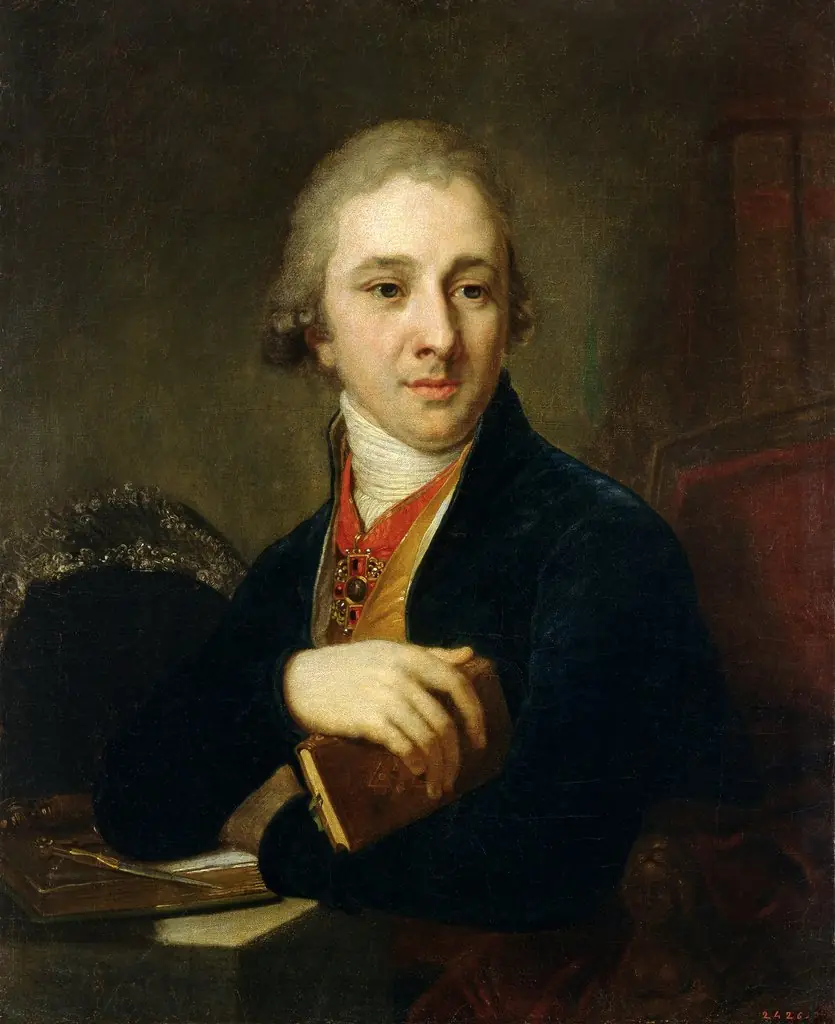 "Portrait of Alexander Labzin" (1766-1825)
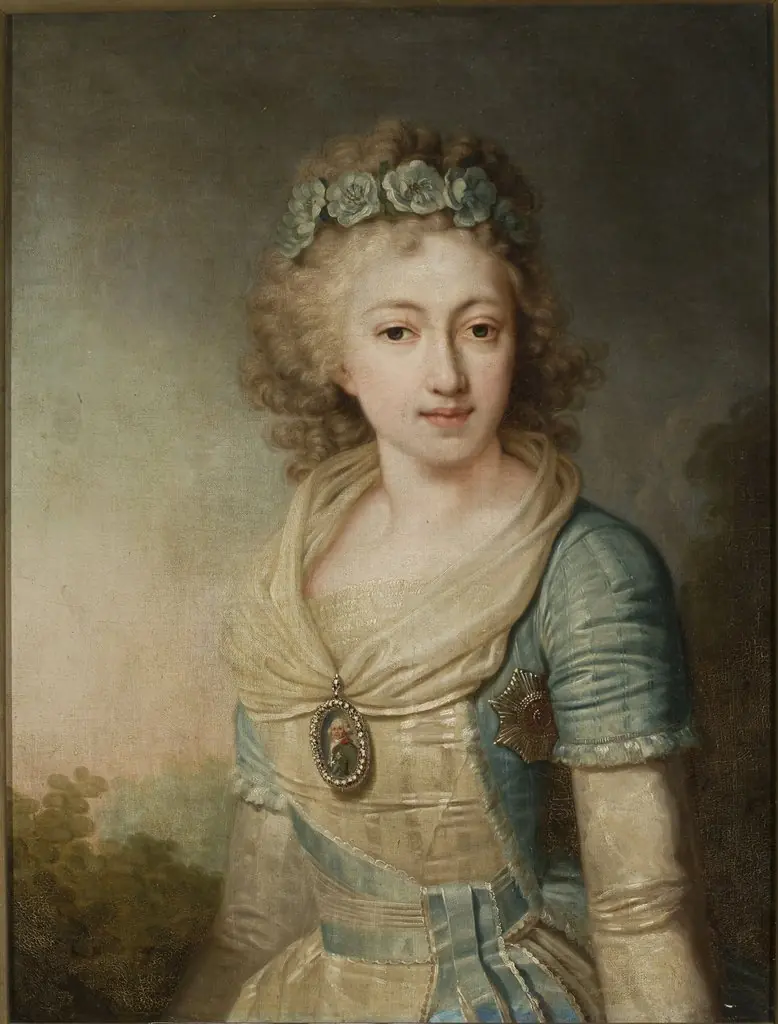 Portrait of Paul I’s daughter – Helena
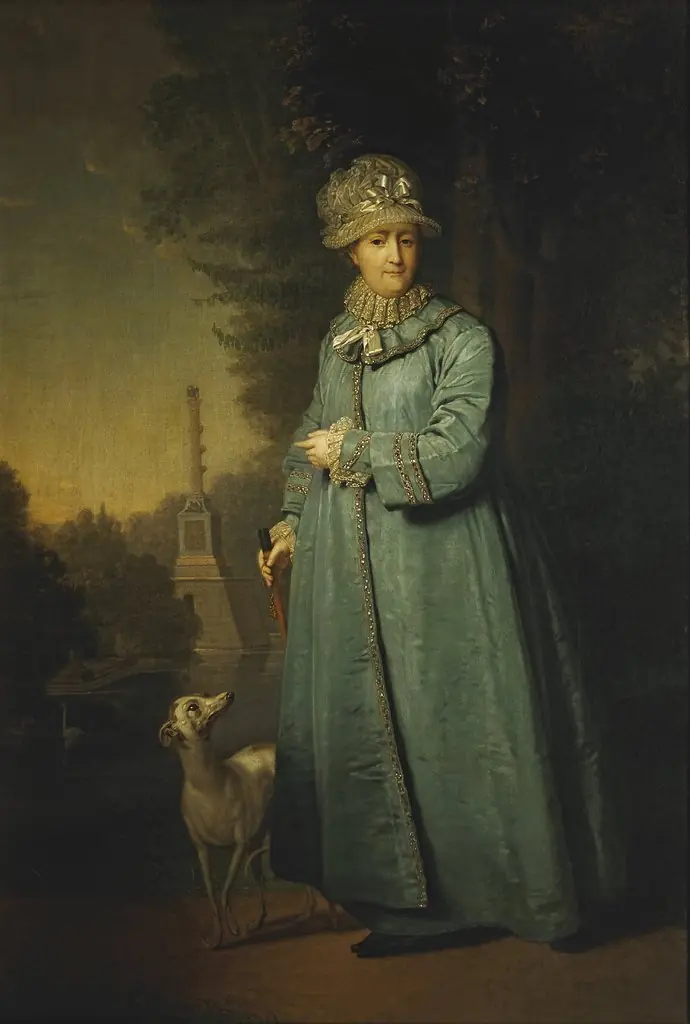 Catherine II during a walk in the Tsarskosyelsky Park
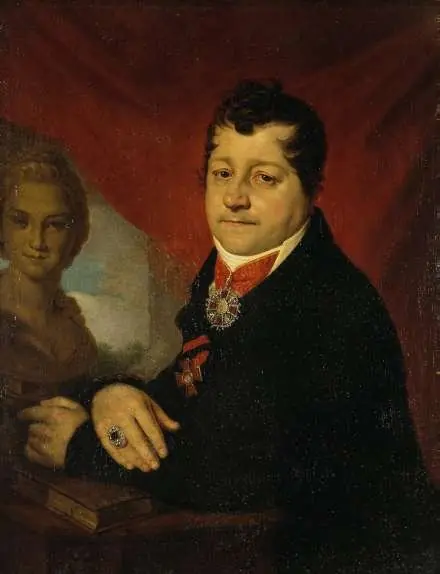 Portrait of Sergei Yakovlev
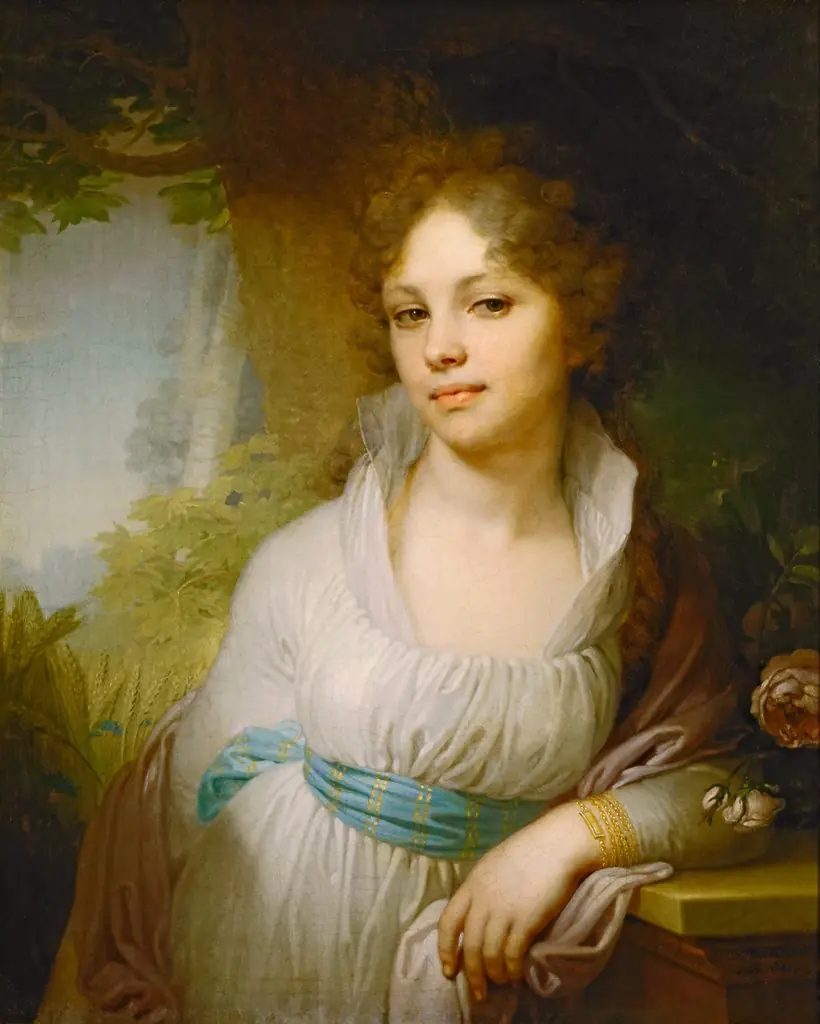 Portrait of Maria Ivanovna Lopukhina
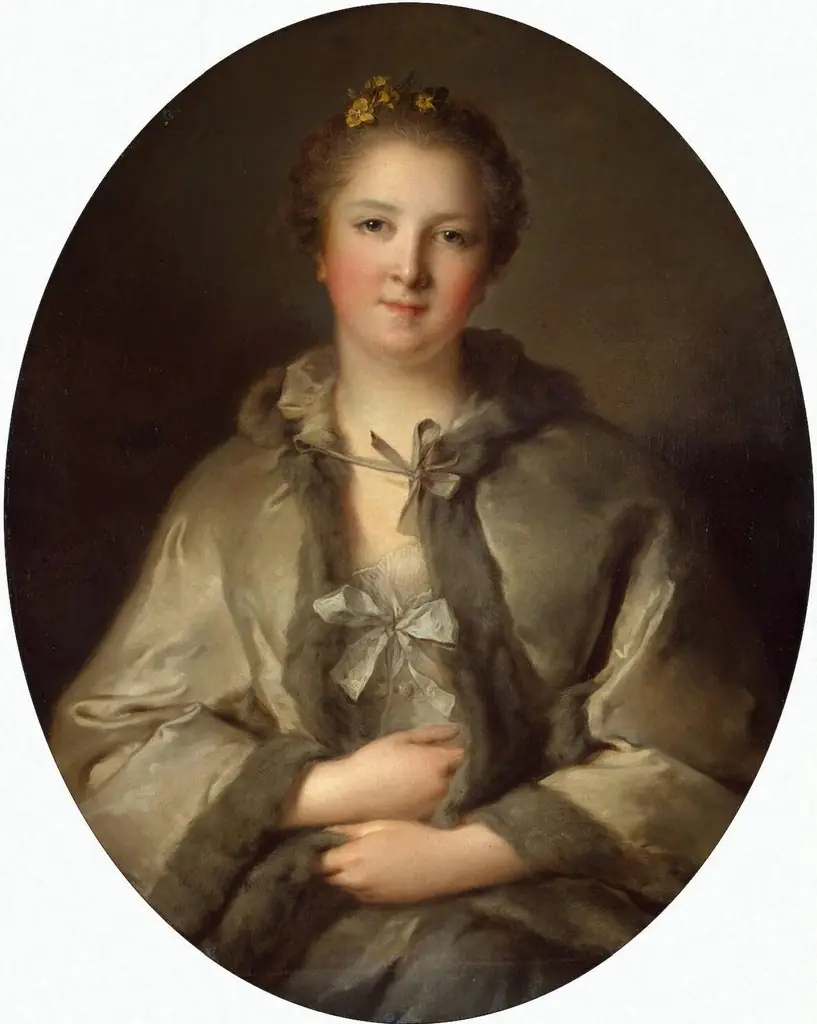 Portrait of a Woman in Grey
 Young Woman in Theatrical Costume
 Portrait of Maria Dyakova
 A Young Woman as a Shepherdess ("Saskia as Flora")
 Portrait of Joanna Dzierzbicka
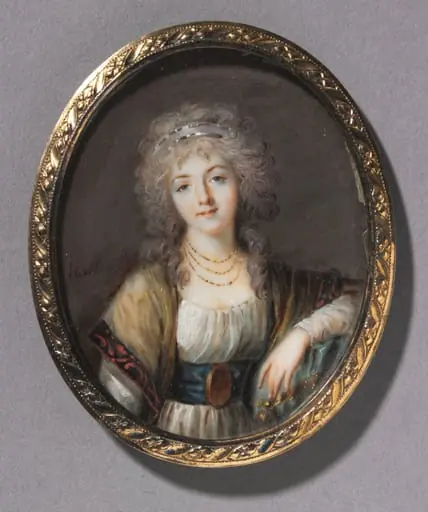 Portrait of a Young Woman
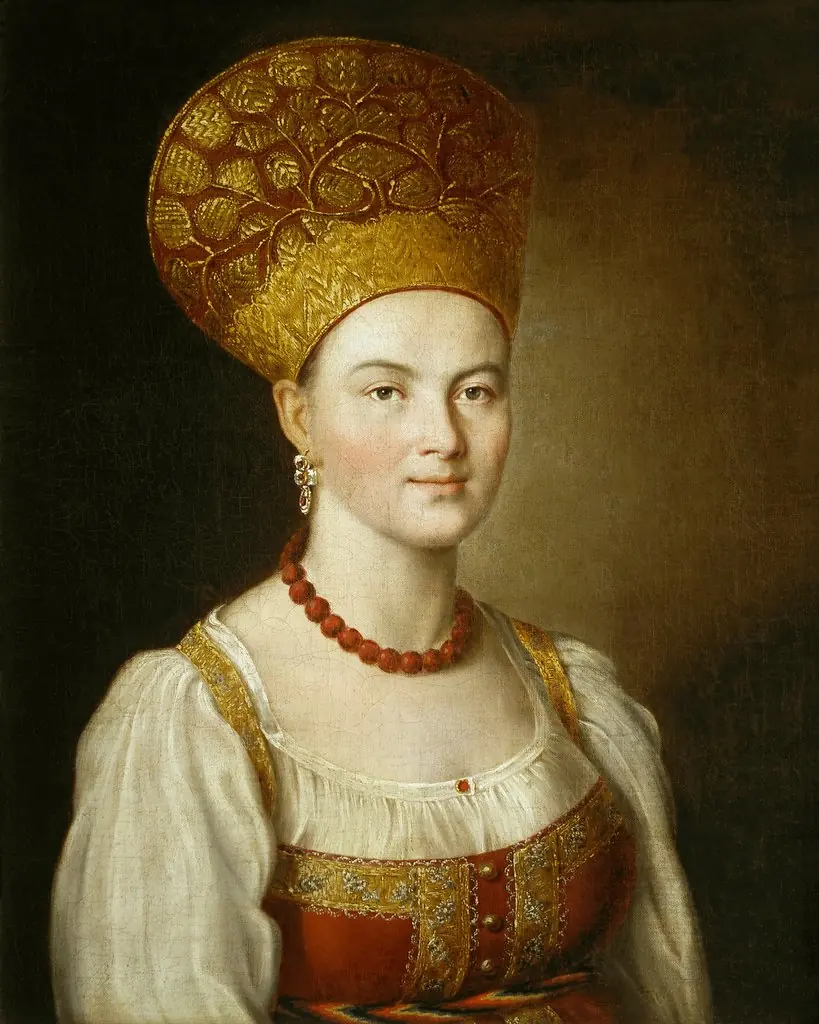 Portrait of an Unknown Woman in Russian Costume
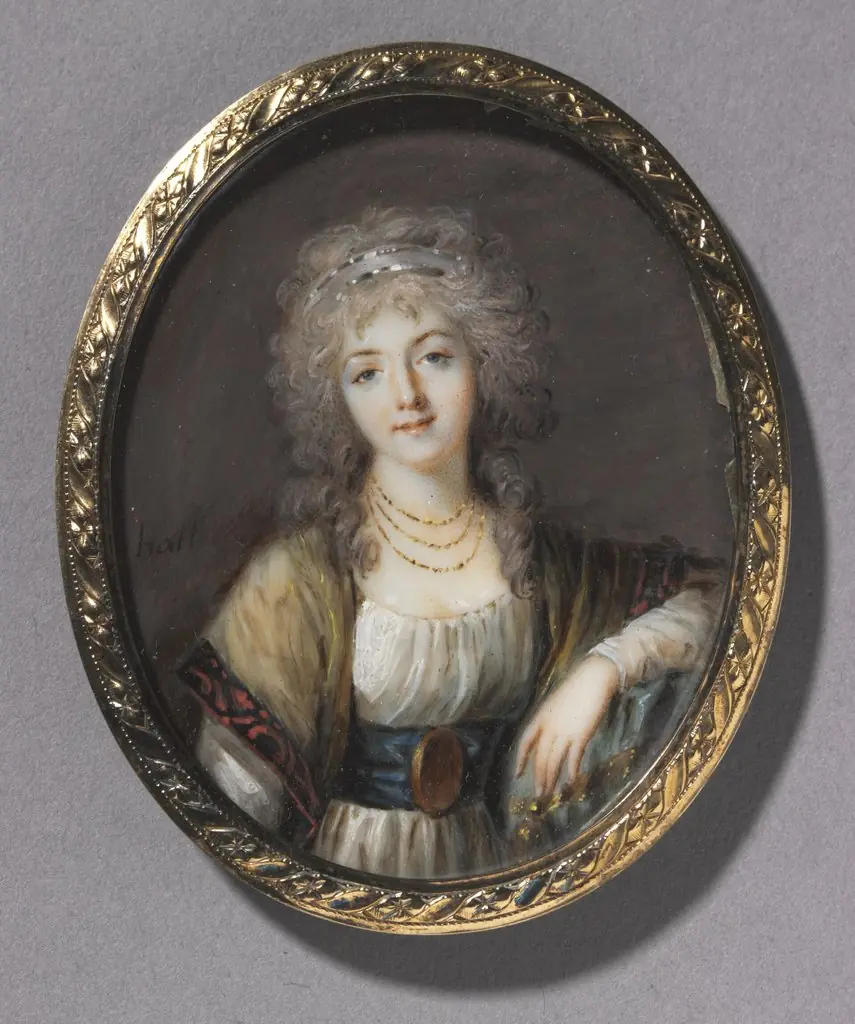 Portrait of a Young Woman
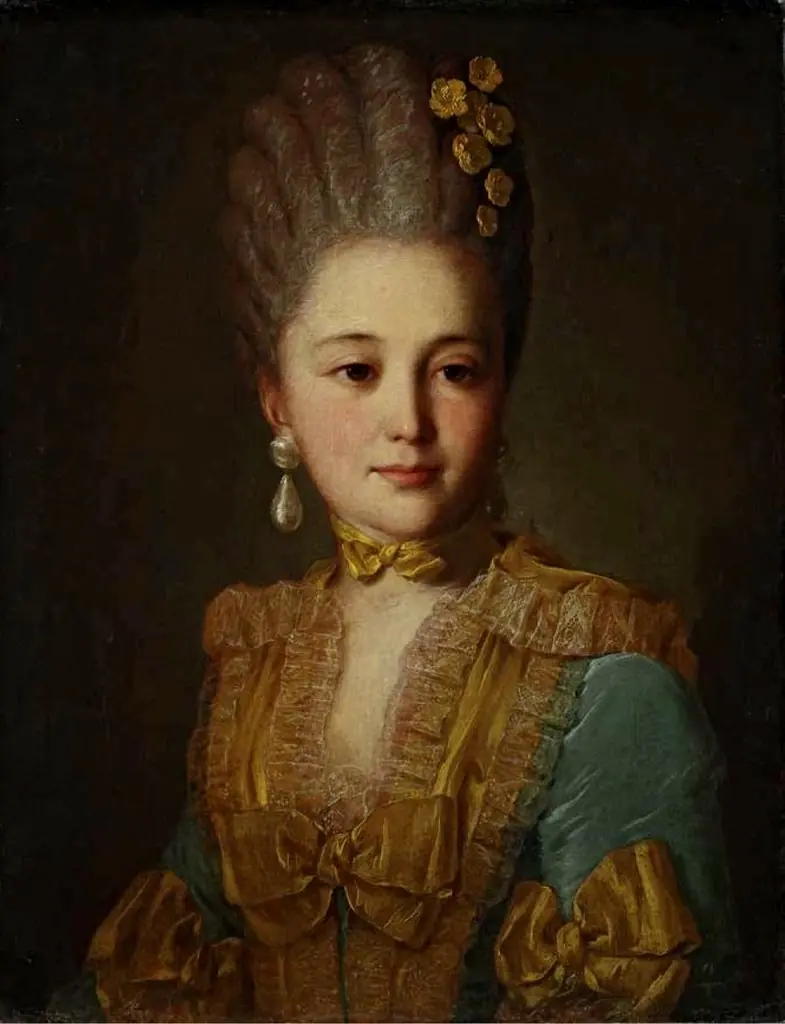 Portrait of an unknown woman in a Blue Dress with Yellow Trimmings
 Lady with Turban
 Portrait of Konstancja Poniatowska née Czartoryska