Artwork
Sir Hugh Cartwright
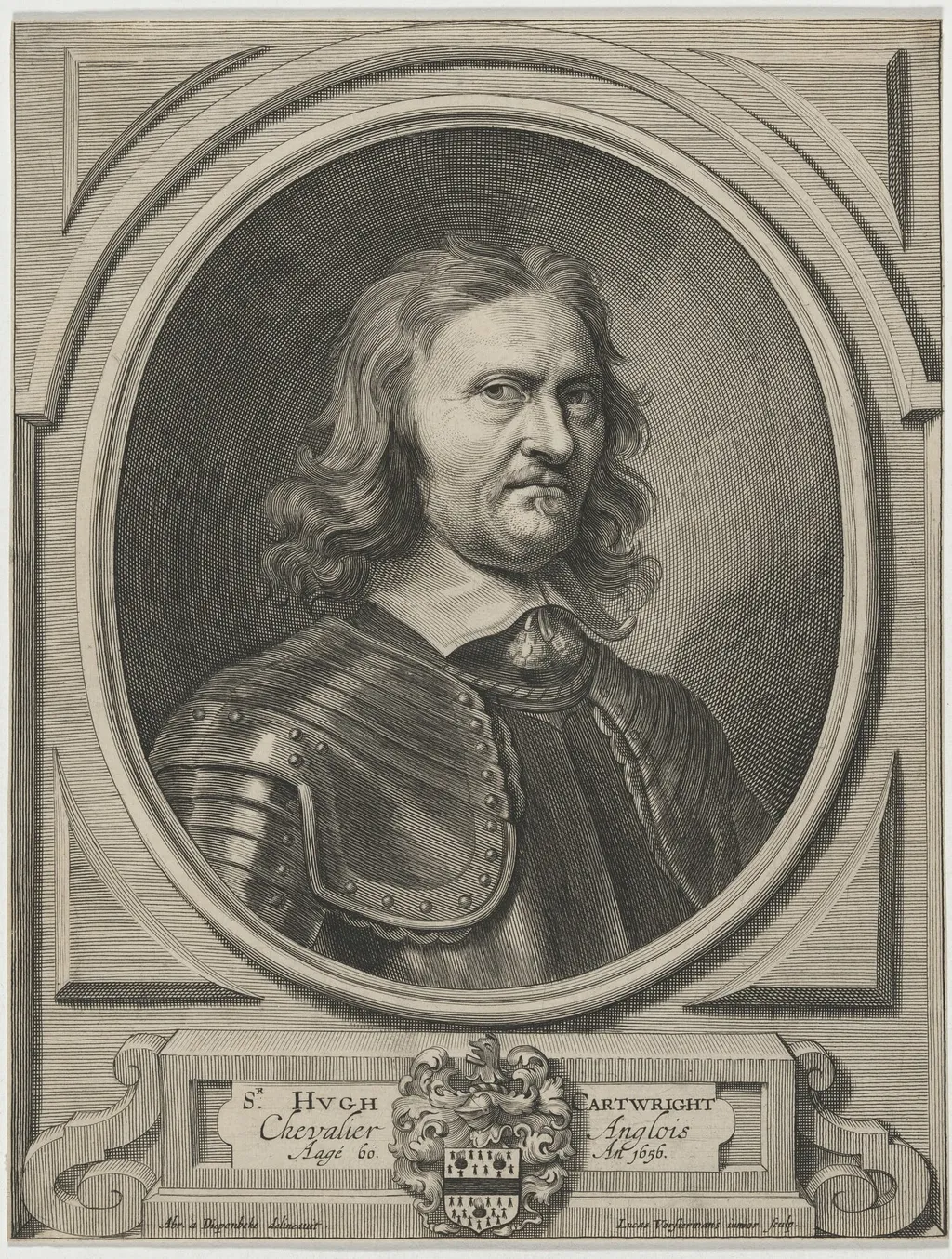
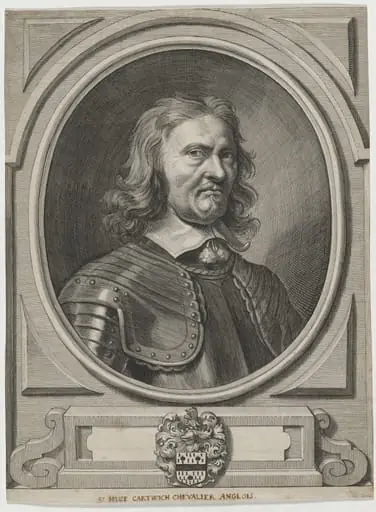
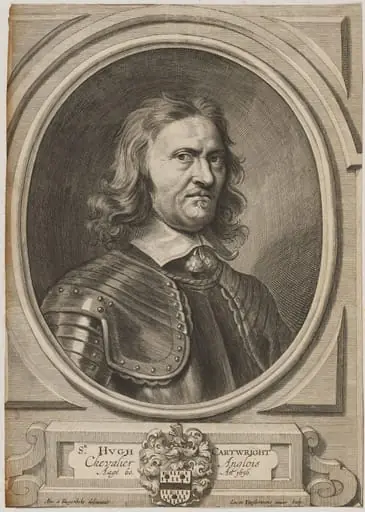
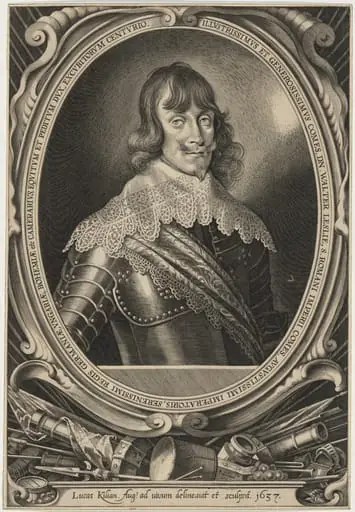
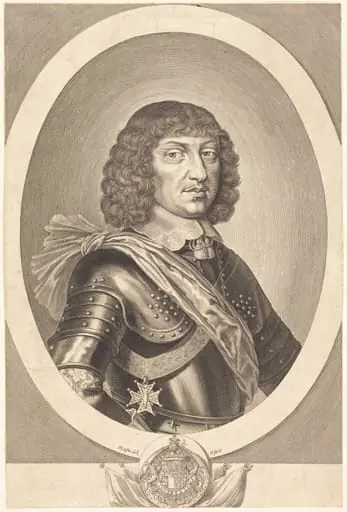
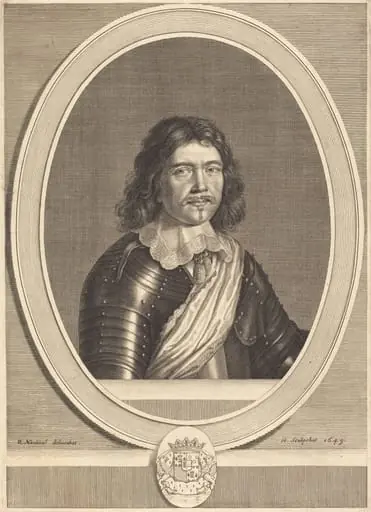
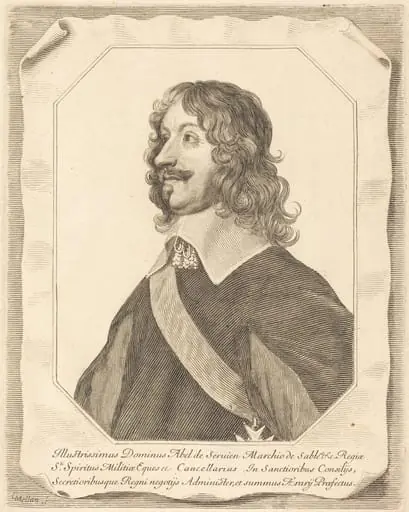
Sir Hugh Cartwright is an ink print by the Baroque artist Lucas Vorsterman II. It dates from 1656 and is held in the collection of the National Gallery of Art.
About this work
The name at the bottom reads *"S'r Hugh Chevalier"* and the year 1656, suggesting this is a formal portrait of a nobleman.
This is a black-and-white portrait of an older man with a serious expression. He’s wearing a ruffled collar and a chain around his neck, possibly a symbol of rank. The background is simple, with a circular frame and some curved lines around it.
The name at the bottom reads *"S'r Hugh Chevalier"* and the year 1656, suggesting this is a formal portrait of a nobleman. The artist used fine lines to create texture, especially in the hair and clothing.
Next, check out engraving to see how artists like this made detailed prints.
Overview
Lucas Vorsterman II's 1656 engraving, *Sir Hugh Cartwright*, presents a formal black-and-white portrait of an older nobleman, distinguished by a ruffled collar and a chain signifying rank, set against a simple, ornately framed background.
Subject & Meaning
The subject, identified as *S'r Hugh Chevalier* (interpreted here as Sir Hugh Cartwright), is depicted with a serious expression, emphasizing his dignity and status. The chain around his neck likely denotes a position of honor or office.
Technique & Style
The engraving showcases Vorsterman's mastery of fine lines to achieve detailed texture, notably in the rendering of the subject's hair and clothing, characteristic of 17th-century engraving techniques.
History & Provenance
Created in 1656, specific provenance details are not provided, though the work's inscription (*S'r Hugh Chevalier, 1656*) suggests it was intended as an official or commemorative portrait.
Context
This work reflects the conventions of mid-17th-century portrait engraving, often used to honor and disseminate the likenesses of nobility and dignitaries across Europe.
Legacy
While not widely recognized outside specialized art historical contexts, *Sir Hugh Cartwright* remains a representative example of Vorsterman II's skill and the enduring tradition of portrait engraving from the period.
Artist & collection