Artwork
Abel Servien
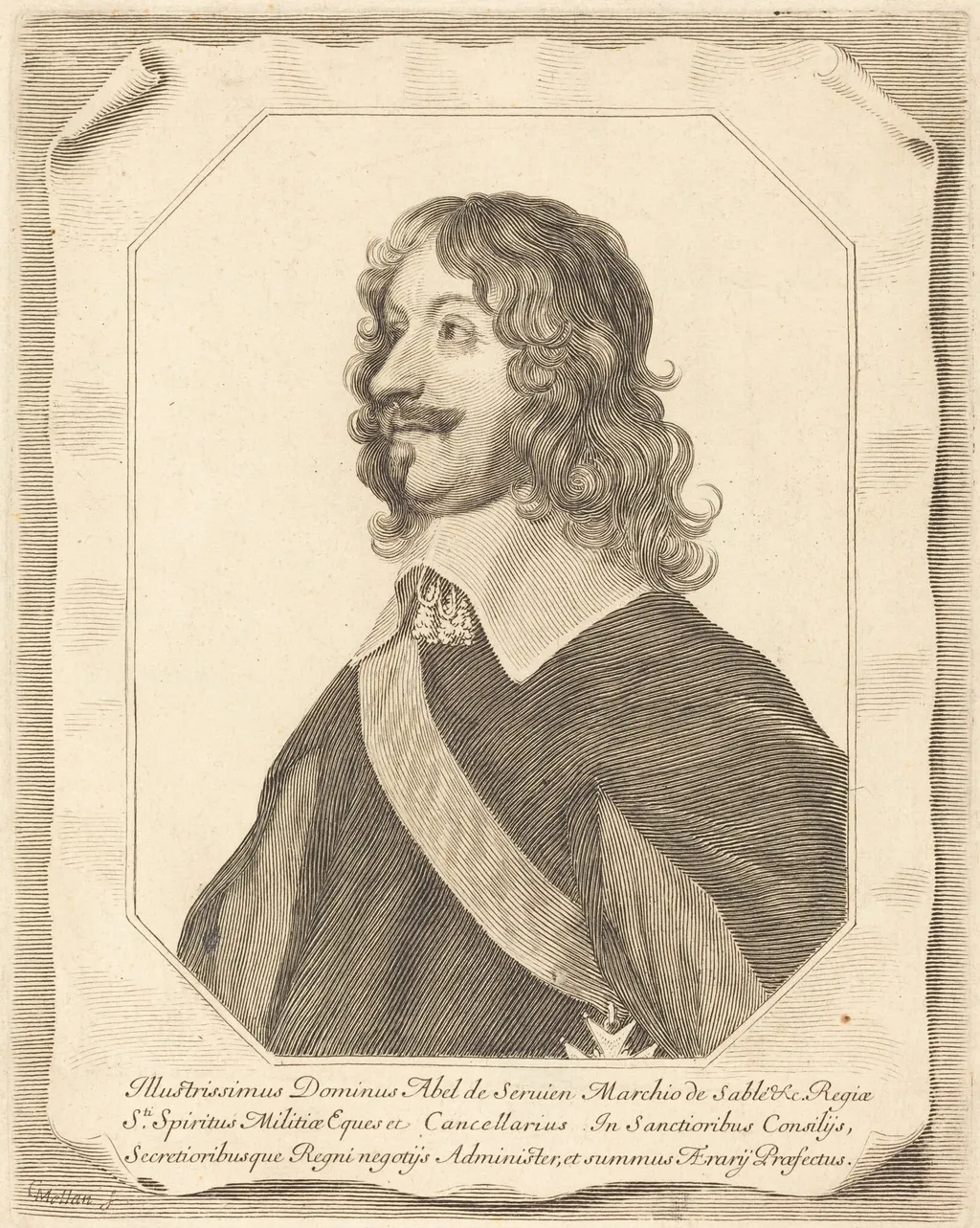
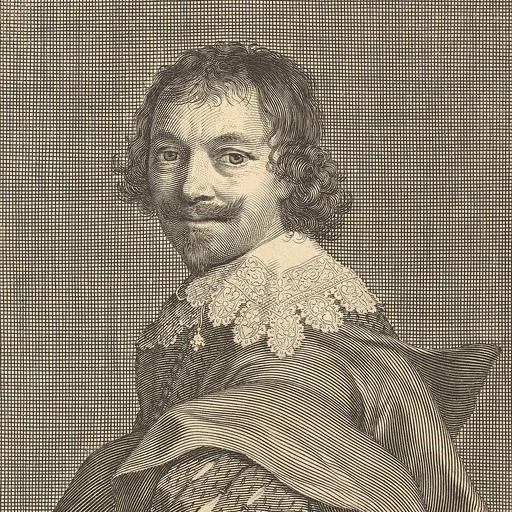
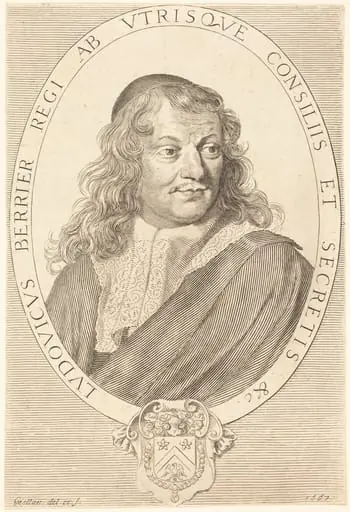
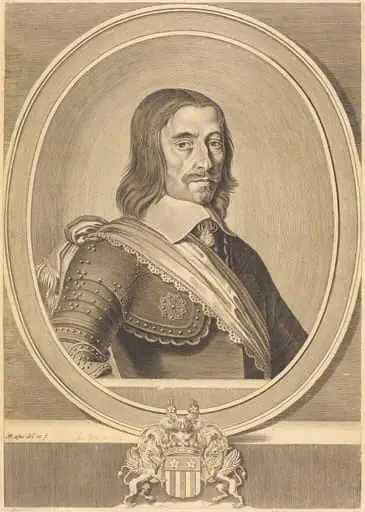
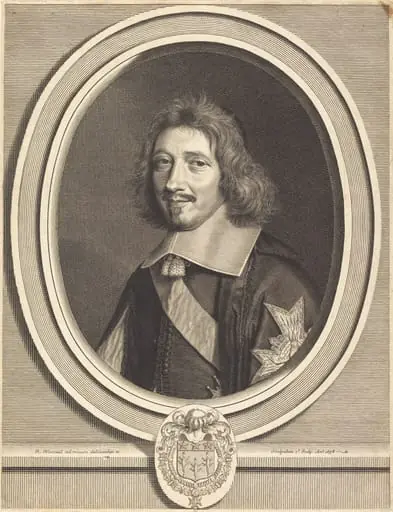
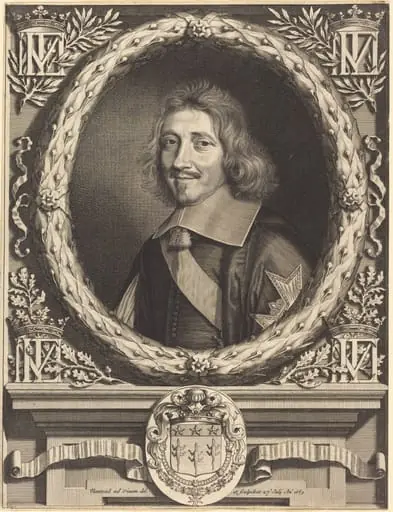
Abel Servien is an ink print by the Baroque artist Claude Mellan. It dates from 1659 and is held in the collection of the National Gallery of Art.
About this work
Overview
Claude Mellan’s 1659 engraving presents the French diplomat Abel Servien in a formal, half‑length portrait. Executed on laid paper, the image captures the sitter’s solemn demeanor and period attire with a high degree of fidelity, reflecting the printmaker’s meticulous approach to portraiture.
Subject & Meaning
The work depicts Servien, a prominent 17th‑century statesman, rendered with a restrained expression that conveys authority and gravitas. The careful rendering of facial features and clothing suggests an intention to emphasize his status and the dignified character expected of a public official of his era.
Technique & Style
Mellan employed his characteristic fine line engraving, using a single, continuous stroke to build tonal variation. The precision of the incisions produces delicate modeling of the face and intricate detailing of the costume, exemplifying the technical virtuosity associated with mid‑Baroque French printmaking.
History & Provenance
Created in 1659, the print was likely commissioned to commemorate Servien’s diplomatic service. While specific ownership records are scarce, the engraving has been catalogued among Mellan’s portrait series and appears in several 18th‑century collections of French prints.
Context
During the mid‑1600s, portrait engravings served both as personal commemoration and as a means of disseminating the likenesses of notable figures. Mellan’s work aligns with this practice, offering a reproducible image of a high‑ranking official at a time when printed portraits were increasingly used for political and social recognition.
Artist & collection