Artwork
Henri de Beringhen
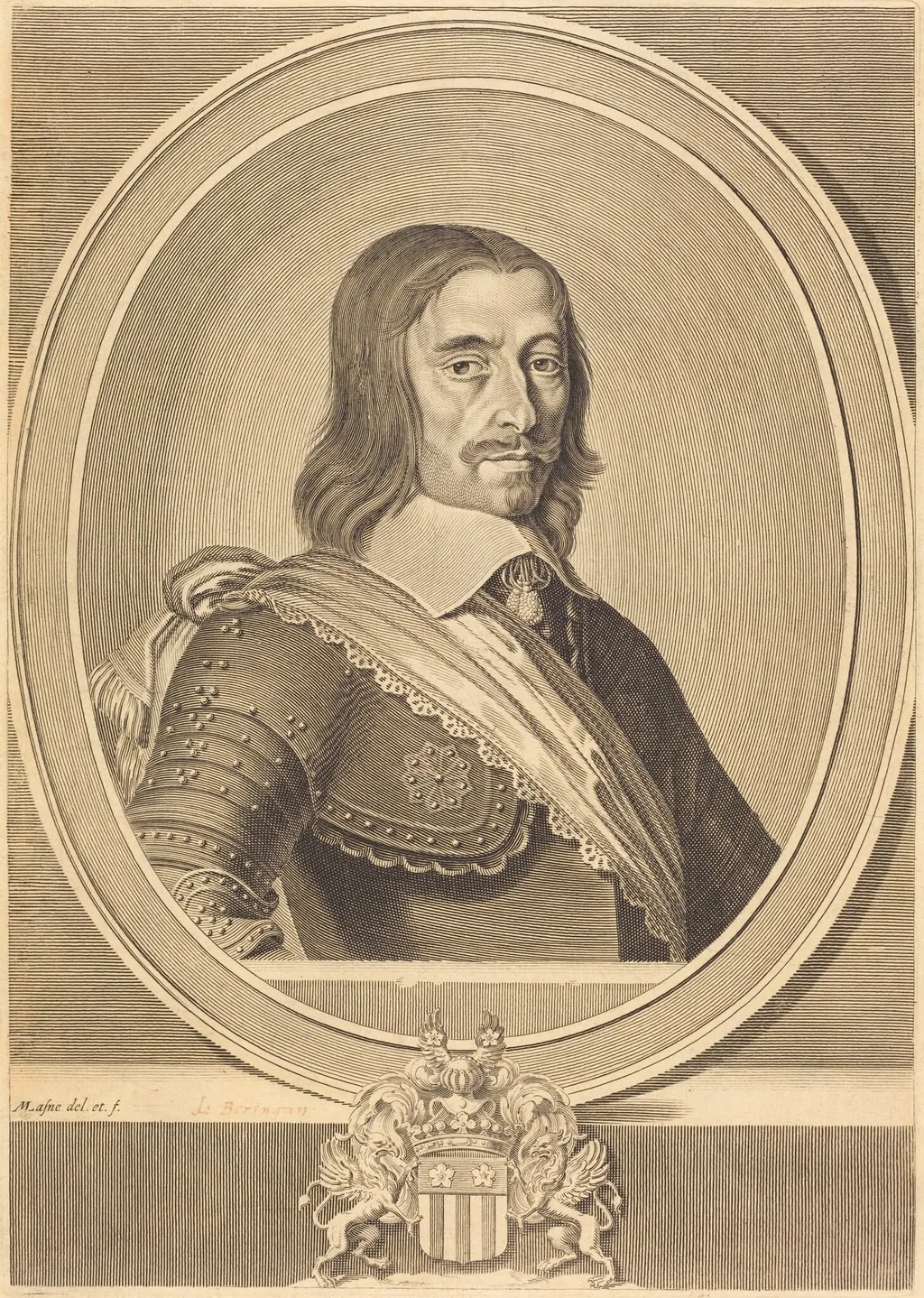
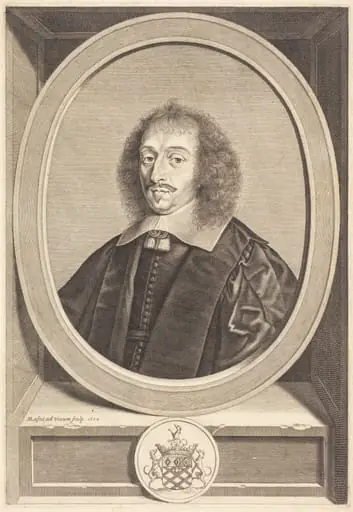
Henri de Beringhen is an ink print by the Renaissance artist Michel Lasne. It dates from 1628 and is held in the collection of the National Gallery of Art.
About this work
Overview
Lasne, trained in Antwerp and active in Paris, specialized in reproductive engravings that documented the likenesses of nobility and artists.
This 1628 engraving by Michel Lasne portrays Henri de Beringhen, a French courtier, in a formal three-quarter view. Executed on laid paper with precise linework, the print reflects the conventions of early 17th-century portraiture. Lasne, trained in Antwerp and active in Paris, specialized in reproductive engravings that documented the likenesses of nobility and artists. The work belongs to a broader tradition of engraved portraiture used to circulate images of elite figures across Europe.
Subject & Meaning
Henri de Beringhen is depicted with a composed expression and direct gaze, conveying authority and presence. His attire—a dark jacket, white collar, and sash—signals his status within the French court. The absence of symbolic objects or elaborate settings focuses attention on his individuality. The oval frame, common in portrait engravings of the period, lends the image a sense of intimacy and permanence, reinforcing its role as a personal and official record.
Technique & Style
Lasne employed fine, controlled etching lines to render texture in fabric, hair, and skin with subtle gradations. The use of hatching and cross-hatching creates depth without color, relying on tonal variation to suggest volume. The plain background isolates the figure, emphasizing clarity and precision. The print’s detail reflects the influence of Flemish draftsmanship, particularly from Rubens and van Dyck, whose styles Lasne adapted to the French court’s aesthetic preferences.
History & Provenance
Michel Lasne became the official engraver to King Louis XIII in 1633, but this portrait predates that appointment, likely commissioned by Beringhen or his circle. As a collector and reproducer of contemporary art, Lasne maintained close ties with Parisian elites. The print’s survival suggests it was circulated among courtiers or preserved in private collections. Its origin remains tied to the intellectual and visual networks of early Bourbon France.
Context
In the 1620s, engraved portraits functioned as tools of political and social visibility, especially where painting was inaccessible. Unlike Italian or Dutch prints, French engravings of this era favored restrained elegance over dramatic flair. Lasne’s work aligns with the court’s preference for dignified representation, mirroring the increasing centralization of royal authority under Louis XIII and Richelieu. This print is part of a growing corpus of engraved likenesses that shaped elite identity in early modern Europe.
Legacy
Lasne’s engravings, including this one, contributed to the standardization of portraiture in France during the 17th century. His technical precision influenced later engravers and helped establish a French school of reproductive printmaking. Though Beringhen himself is not widely remembered, the portrait endures as an example of how print media preserved the visual culture of the French court before the rise of photography.
Artist & collection
Artist
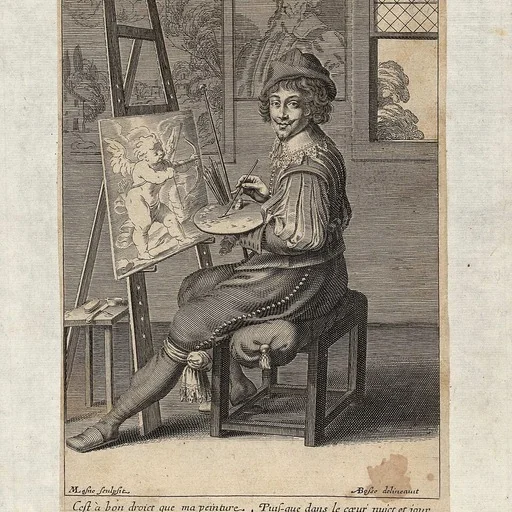
Michel Lasne (Caen, ca. 1590–4 December 1667, Paris), was a French engraver, draughtsman and collector. Lasne was born in Caen and was the son of a goldsmith. He was a member of the Guild of Saint Luke in Antwerp for…

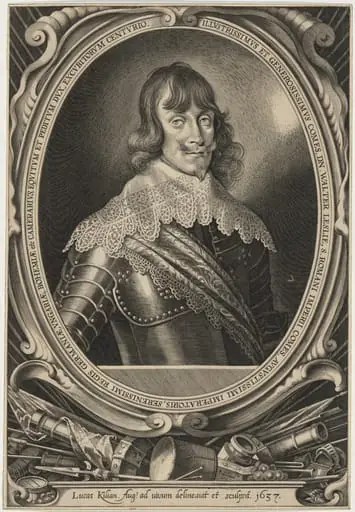 Walter Leslie (Count Leslie)
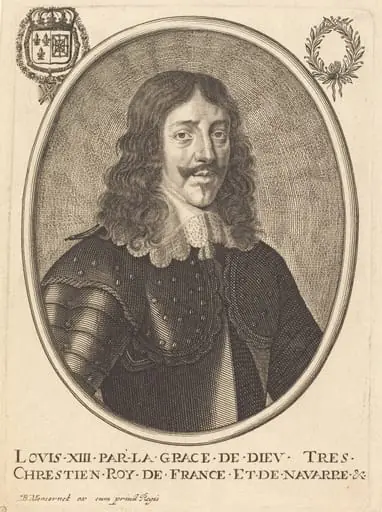 Louis XIII, King of France
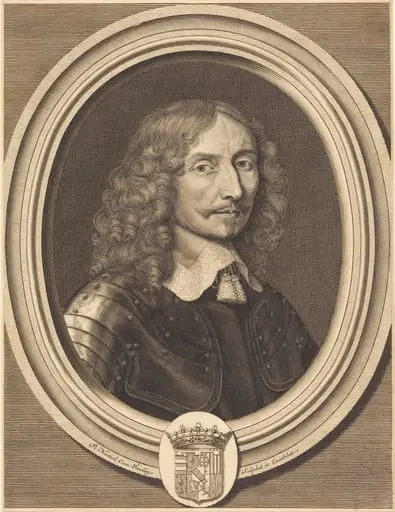 Henri, Marquis de Mouy
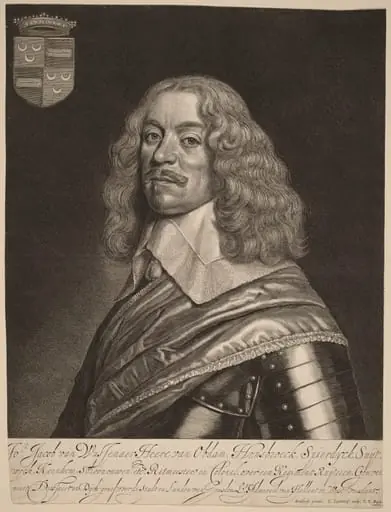 Jacob van Wassenaer van Obdam
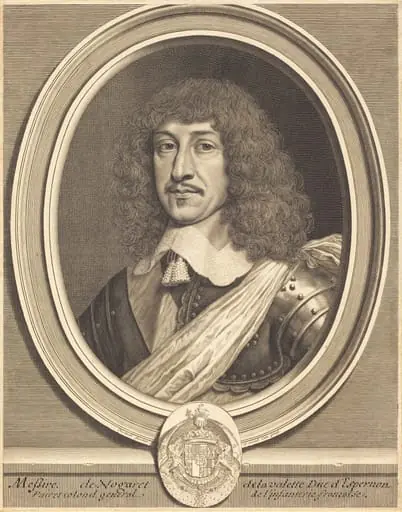 Bernard, Duc d'Epernon
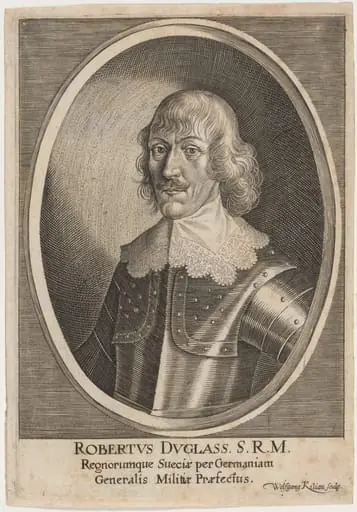 Robert Duglass, Swedish General
 Charles I
 Jean Saint Bonnet de Toiras
 Sir William Waller, Parliamentary General
 Henry Somerset, 1st Duke of Beaufort, K.G.
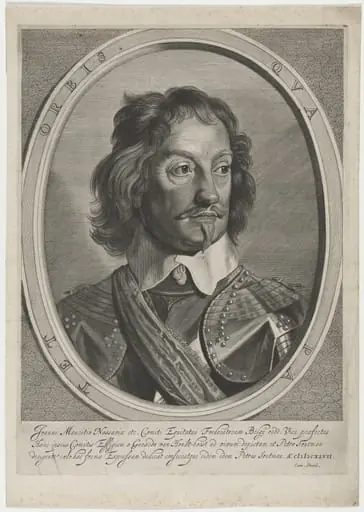 John Maurice, Count of Nassau
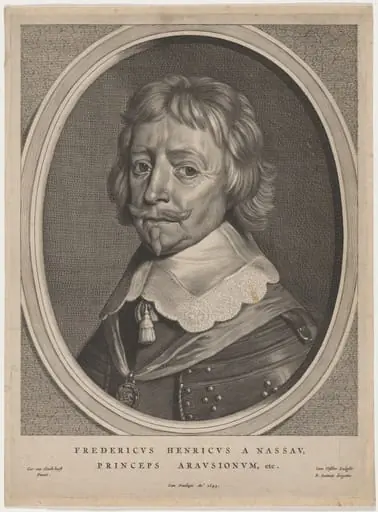 Frederick Henry of Orange