Artwork
Walter Leslie (Count Leslie)
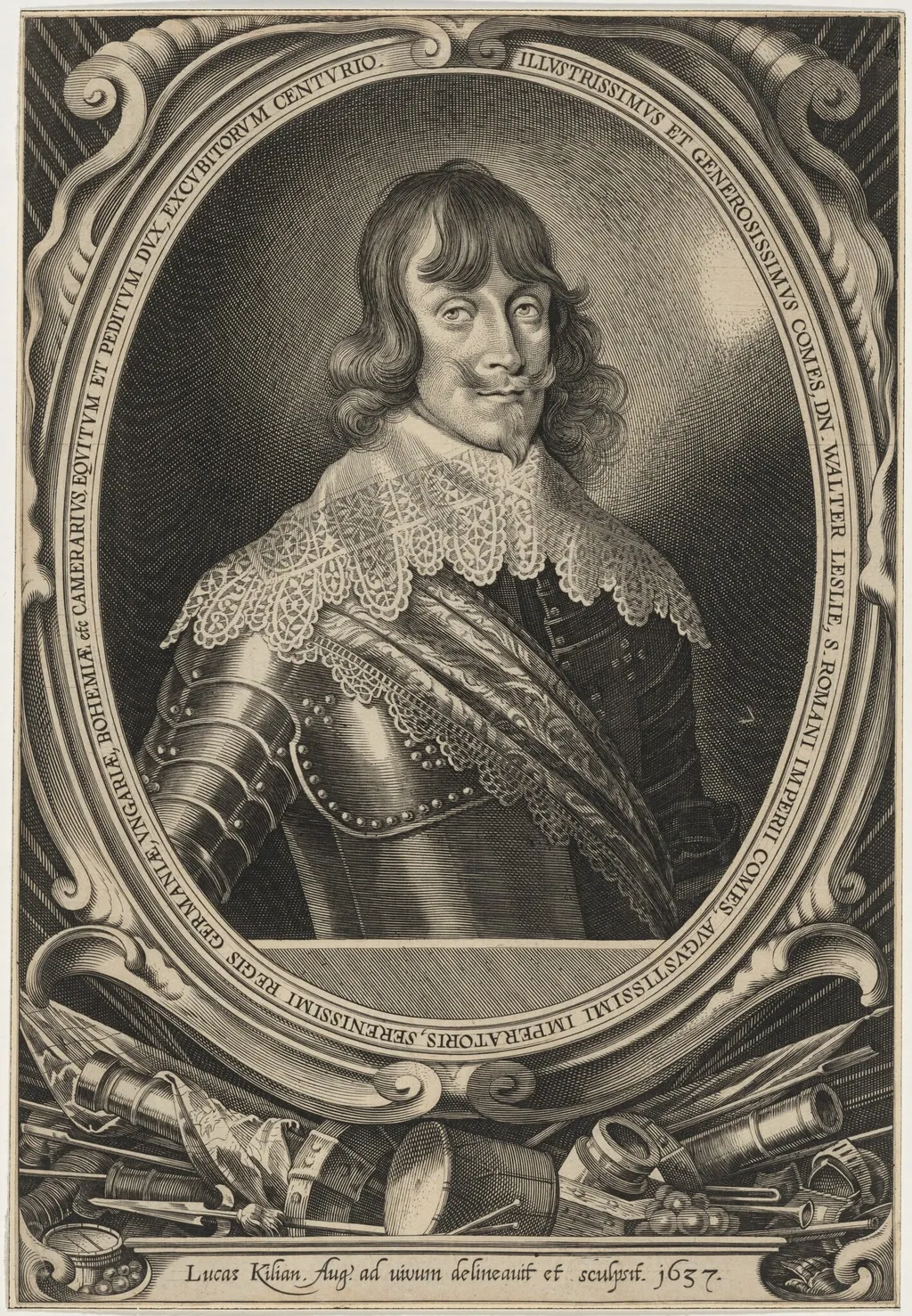
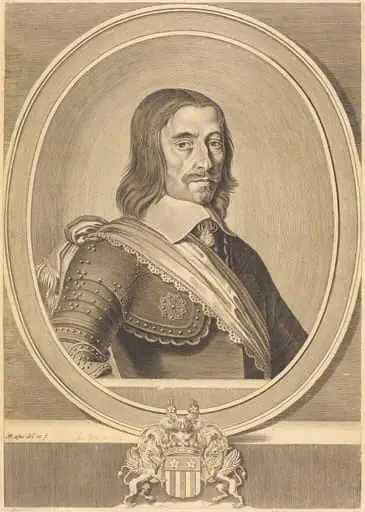
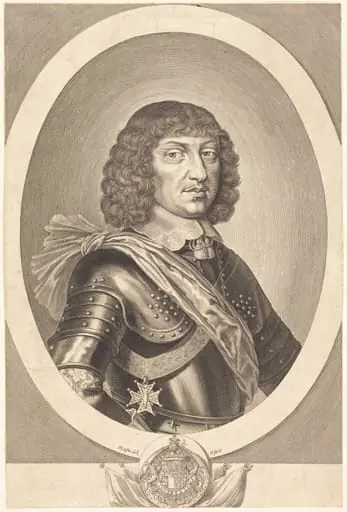
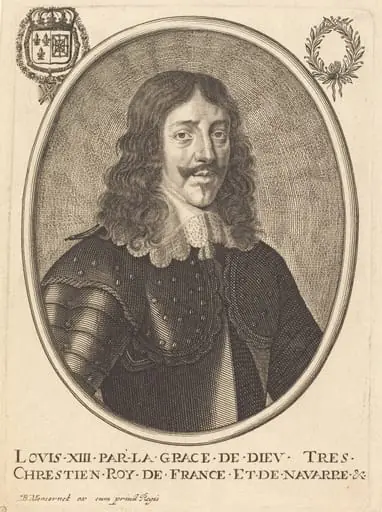
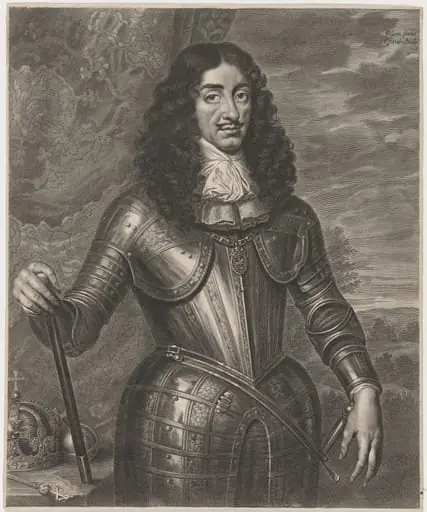
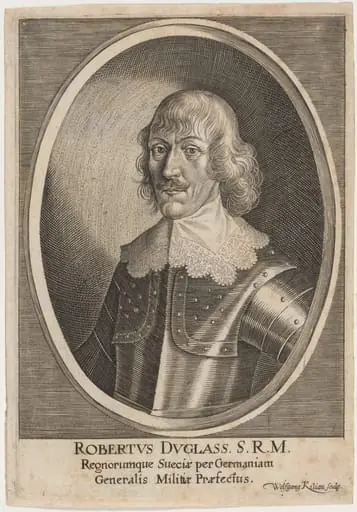
Walter Leslie (Count Leslie) is an ink print by the Baroque artist Lucas Kilian. It dates from 1637 and is held in the collection of the National Gallery of Art.
About this work
Overview
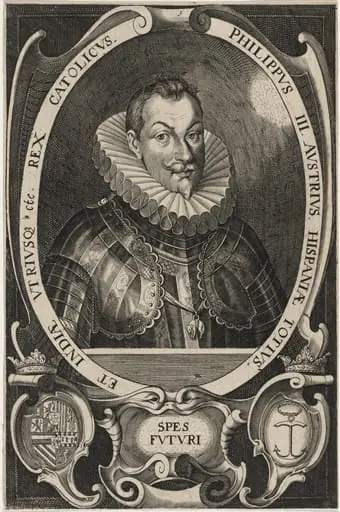
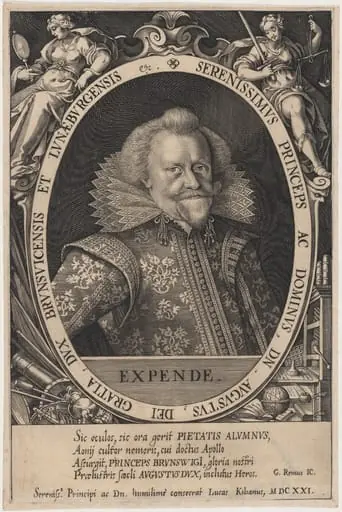
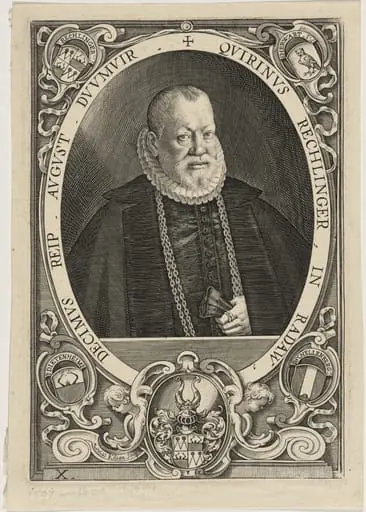
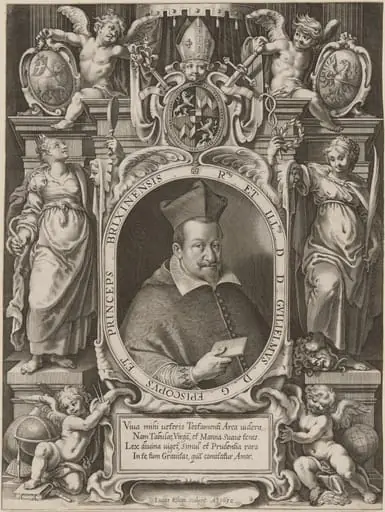
This 1637 engraving by Lucas Kilian portrays Walter Leslie, a Scottish nobleman in Habsburg service, rendered in precise black-and-white lines.
This 1637 engraving by Lucas Kilian portrays Walter Leslie, a Scottish nobleman in Habsburg service, rendered in precise black-and-white lines. Created in Augsburg, the work reflects the city’s tradition of fine printmaking. Kilian, trained in his stepfather’s workshop, employed fine burin work to capture texture and form, producing a detailed portrait that blends likeness with symbolic embellishment.
Subject & Meaning
Walter Leslie is depicted in full armor, signifying his military rank and loyalty to the Habsburg court. The Latin inscriptions and miniature emblems of weapons and a steed surrounding the portrait reinforce his identity as a soldier and nobleman. His stern expression and neatly groomed beard convey authority and discipline, aligning with the ideals of aristocratic conduct in early 17th-century Europe.
Technique & Style
Kilian executed the image using a burin on copper, carving fine, controlled lines to render the armor’s intricate patterns, the lace collar’s delicacy, and the texture of hair and skin. The border is densely packed with tiny allegorical elements, each meticulously engraved. The absence of tone relies entirely on line variation to suggest volume and material, showcasing the precision typical of Augsburg’s printmaking school.
History & Provenance
The engraving was produced in Augsburg, where Kilian worked within a family workshop established by his stepfather, Anton Wierix. As part of a broader project documenting Habsburg-aligned nobility, the portrait likely served as a diplomatic or commemorative object. Its survival in institutional collections suggests early recognition of its technical merit and historical value.
Context
In the 1630s, engraved portraits of military elites were common tools for projecting status across Europe. Kilian’s work aligns with a tradition of courtly portraiture that fused realism with heraldic symbolism. Augsburg, a center of print and metalwork, provided the technical infrastructure and clientele for such commissions, linking artistic craft with political representation.
Legacy
Kilian’s engraving remains a documented example of early Baroque printmaking in southern Germany. While not widely reproduced, it exemplifies the role of engravers in preserving the likenesses of lesser-known nobles. Its technical rigor influenced later generations of German printmakers, and it continues to serve as a reference for studying aristocratic imagery in the Holy Roman Empire.
Artist & collection
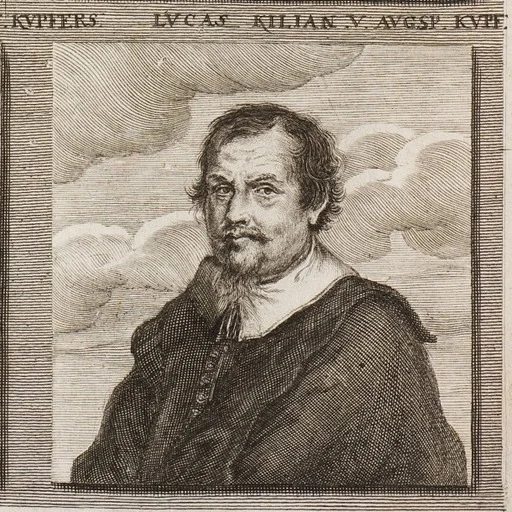
Artist
Lucas Kilian (Lucas Kilianus Augustanus; 1579–1637) was a German engraver and etcher from the Kilian family of engravers in Augsburg.