Artwork
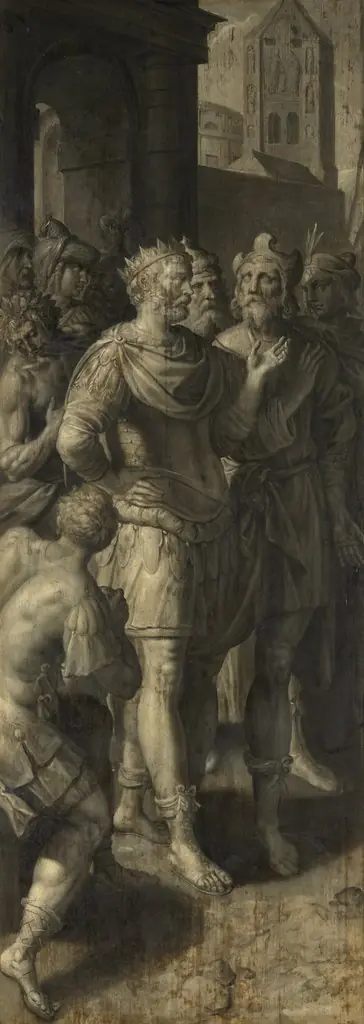
Redemption Triptych: Tribute to Caesar
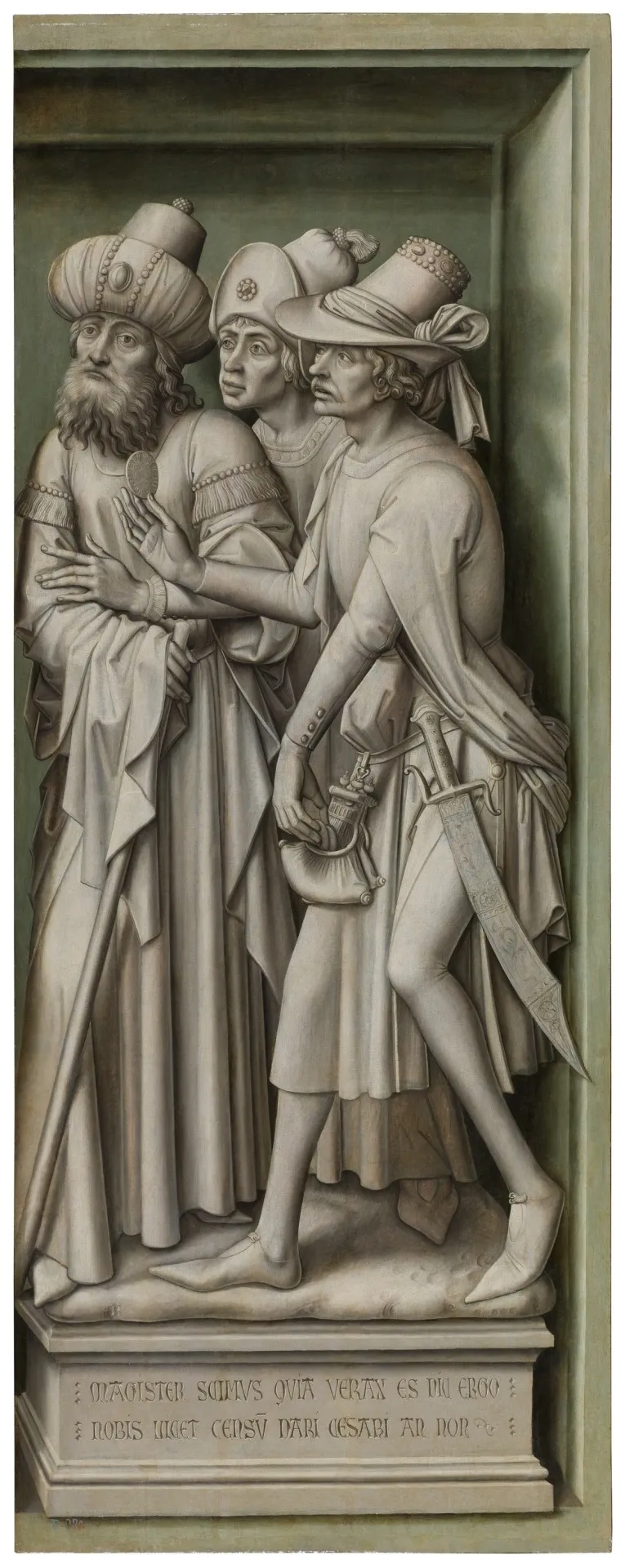
Redemption Triptych: Tribute to Caesar is an unspecified painting by the Northern Renaissance artist Vrancke van der Stockt. It dates from 1450 and is held in the collection of the Museo del Prado.
About this work
Overview
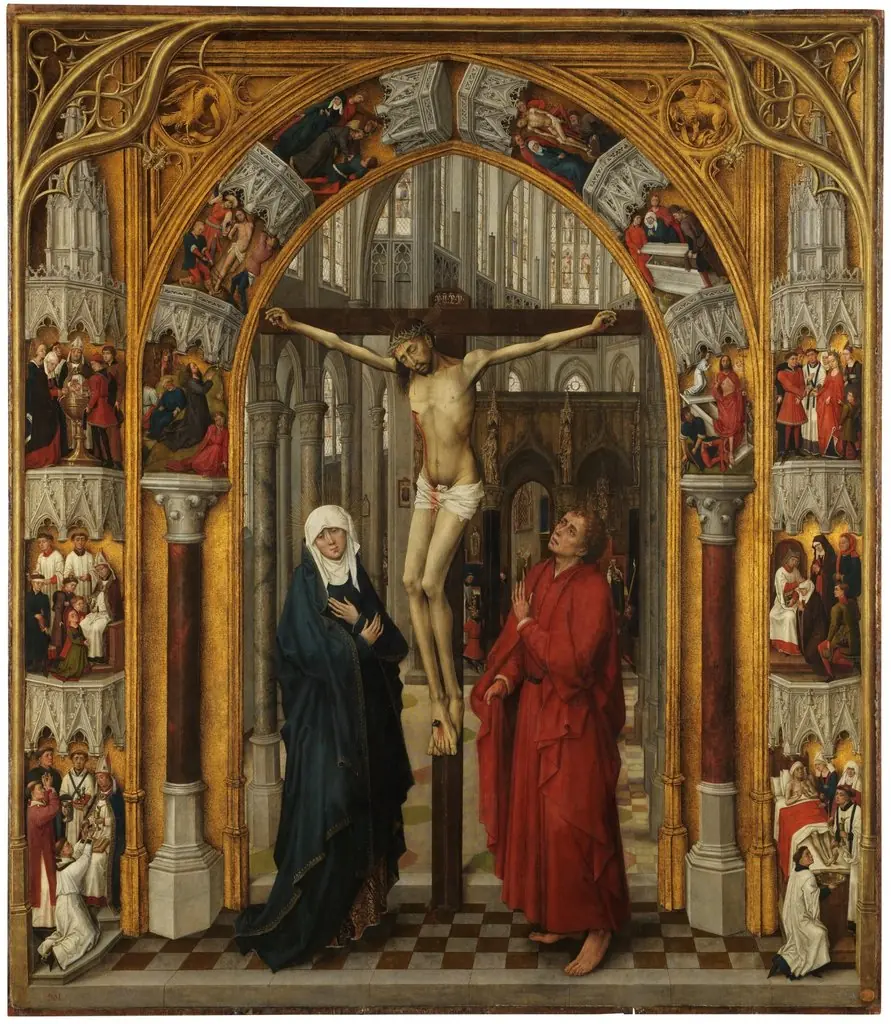
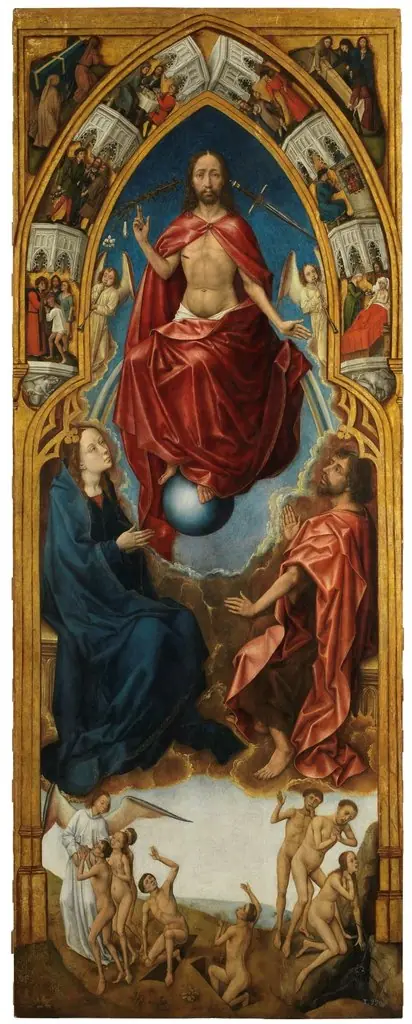
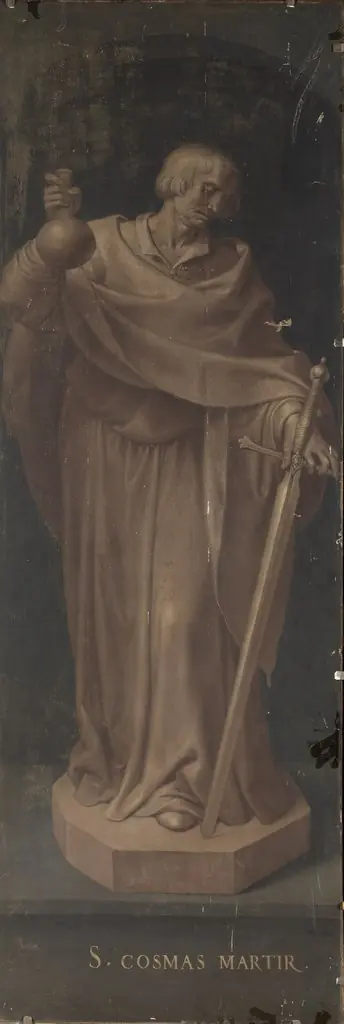
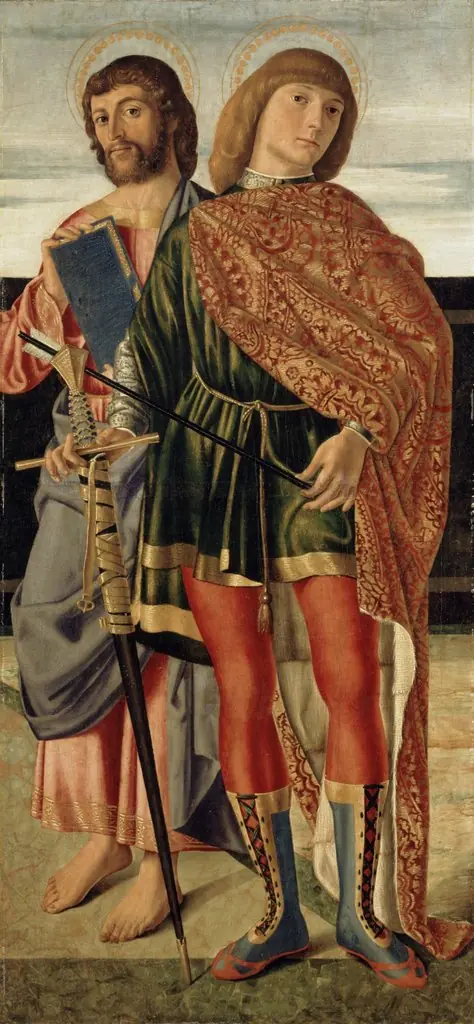
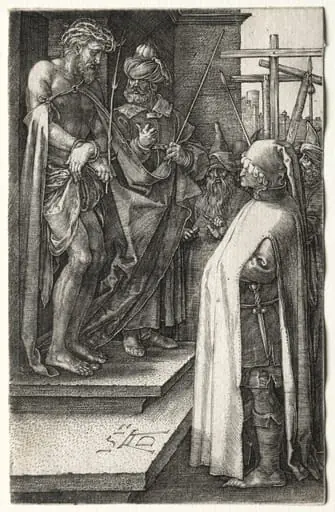
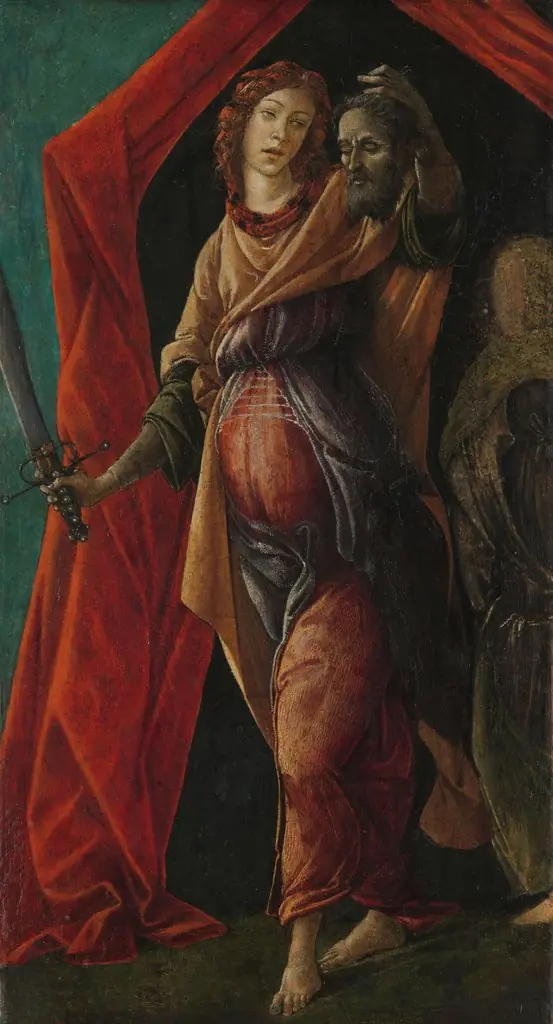
The Redemption Triptych: Tribute to Caesar is a 15th-century painting by Vrancke van der Stockt, a Netherlandish artist influenced by Rogier van der Weyden. Created around 1450, it is a tripartite altarpiece characteristic of the Northern Renaissance.
Subject & Meaning
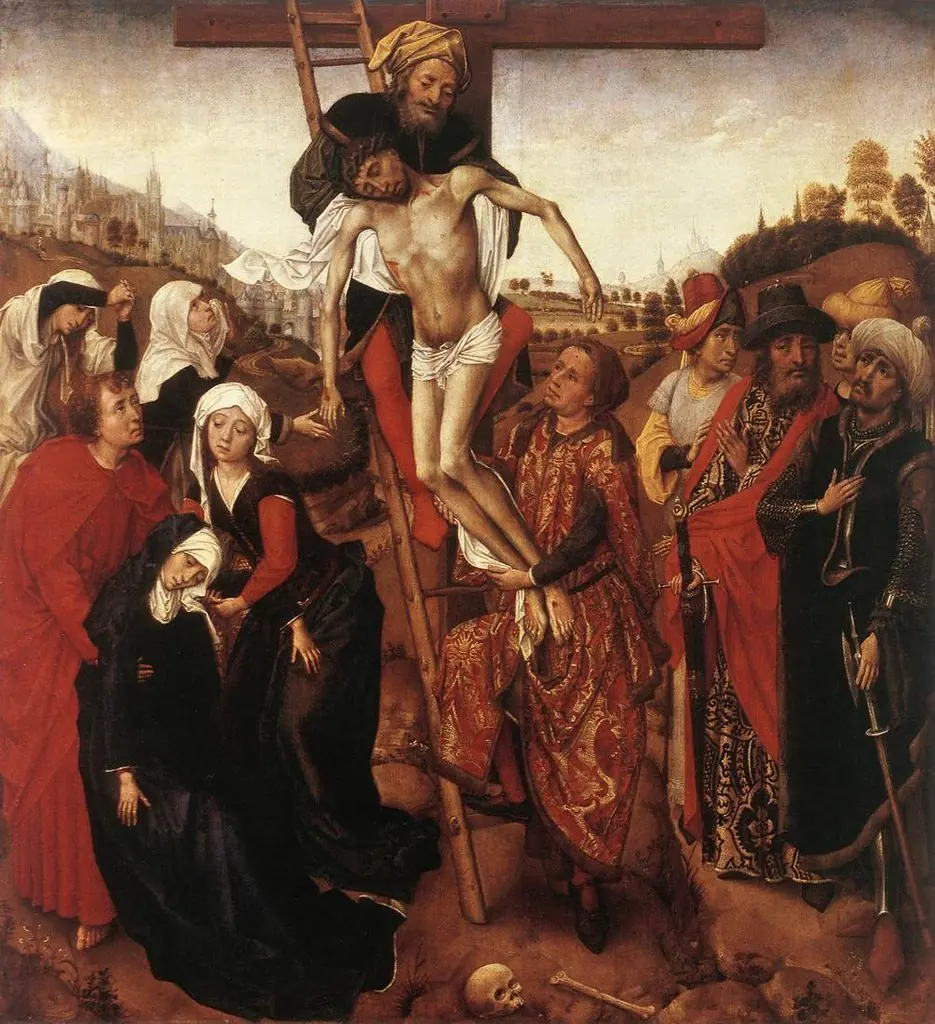
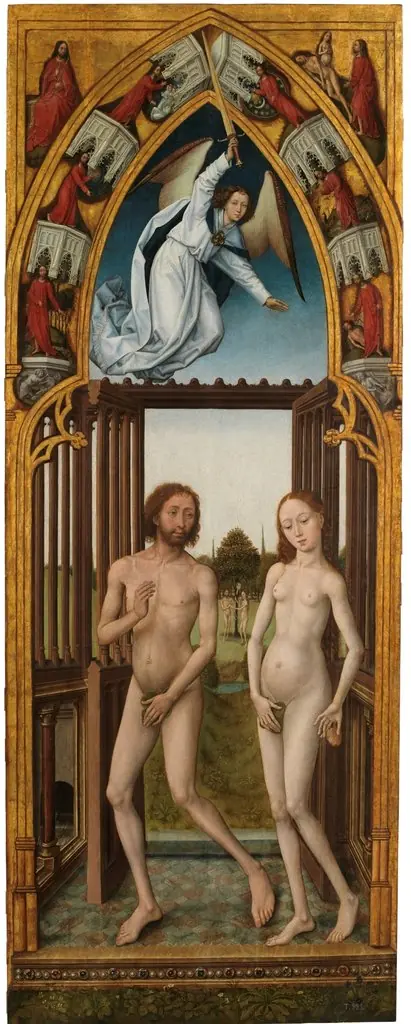
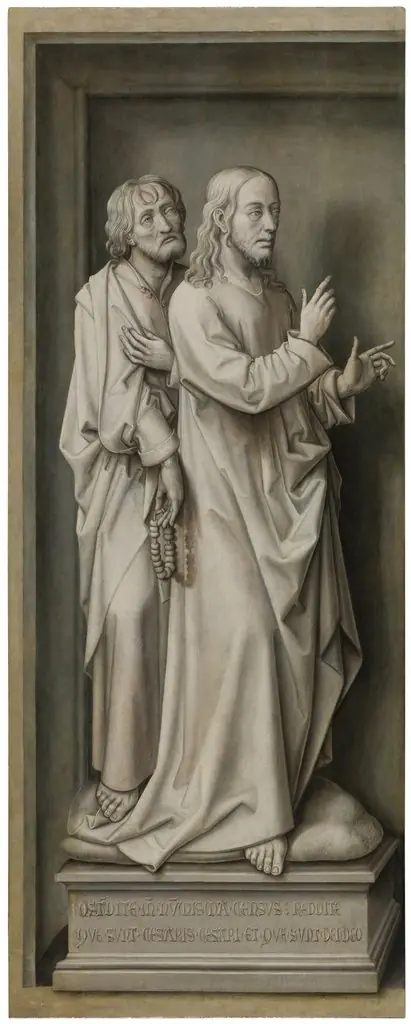
The triptych illustrates scenes related to Christian redemption and the biblical narrative of the tribute to Caesar, conveying a theological message through its depiction of figures and events.
Technique & Style
The work showcases the artist's attention to detail, evident in the rendering of the figures' attire and facial expressions, and is characterized by the use of chiaroscuro, a technique that utilizes light and shadow to create depth.
History & Provenance
The painting is now housed in the Museo del Prado, a testament to its enduring significance as a representative work of the Burgundian Netherlands' artistic production during the 15th century.
Artist & collection
Artist
Vrancke van der Stockt (before 1420 - 14 June 1495) was an early Netherlandish painter. He is most notable as a "direct heir and popularizer" of Rogier van der Weyden.