Artwork
Redemption Triptych: Adam and Eve Expulsed from Paradise
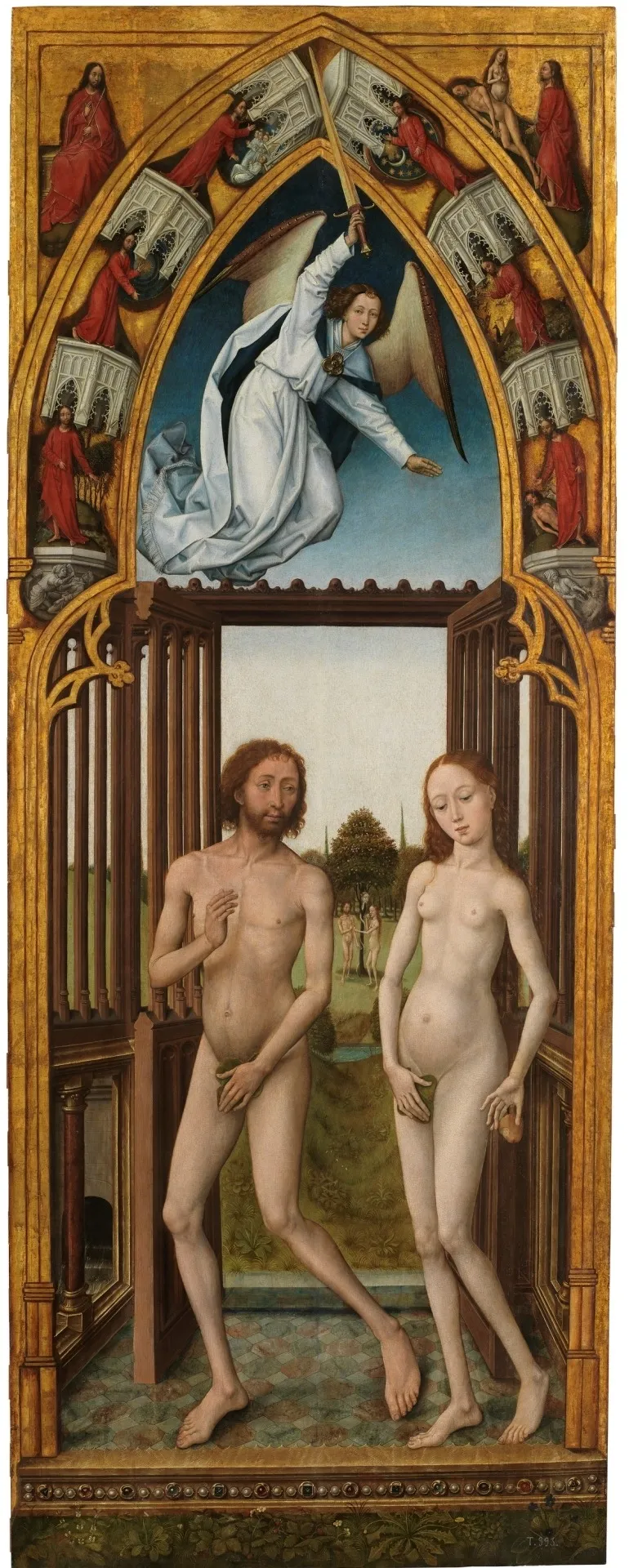
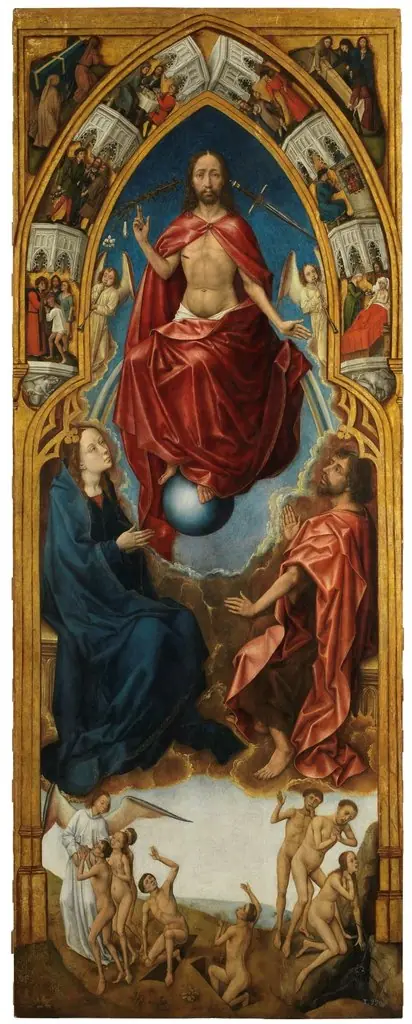
Redemption Triptych: Adam and Eve Expulsed from Paradise is an oil painting by the Northern Renaissance artist Vrancke van der Stockt. It dates from 1450 and is held in the collection of the Museo del Prado.
About this work
Overview
Created circa 1450 by Vrancke van der Stockt, a Flemish painter linked to Rogier van der Weyden’s workshop, this oil triptych illustrates the biblical moment when Adam and Eve are driven from Eden. The work is part of the Northern Renaissance corpus and is currently housed in Madrid’s Museo del Prado.
Subject & Meaning
The central panel shows the first humans, unclothed, standing before an open portal that marks their exile. A modest tree bearing an apple lies behind them, while an angel above brandishes a sword and gestures upward, underscoring divine judgment. Their gazes toward one another convey a muted sorrow that reflects the loss of innocence.
Technique & Style
Executed in oil on panel, the painting employs the fine, layered glazing typical of mid‑15th‑century Netherlandish art. Van der Stockt renders foliage, blossoms, and architectural details with meticulous brushwork, while the palette balances earthy browns with brighter blues and reds in the sky and the angel’s garments, creating depth and a restrained emotional tone.
History & Provenance
The triptych was likely commissioned for a private devotional setting in the Low Countries. After passing through several European collections, it entered the Museo del Prado’s holdings in the early 20th century, where it remains on display as part of the museum’s Northern Renaissance assemblage.
Context
Van der Stockt’s work reflects the diffusion of Rogier van der Weyden’s compositional language, especially in the treatment of human emotion and spatial arrangement. The depiction of the expulsion aligns with contemporary theological emphasis on redemption, a theme frequently explored in devotional art of the period.
Artist & collection
Artist
Vrancke van der Stockt (before 1420 - 14 June 1495) was an early Netherlandish painter. He is most notable as a "direct heir and popularizer" of Rogier van der Weyden.

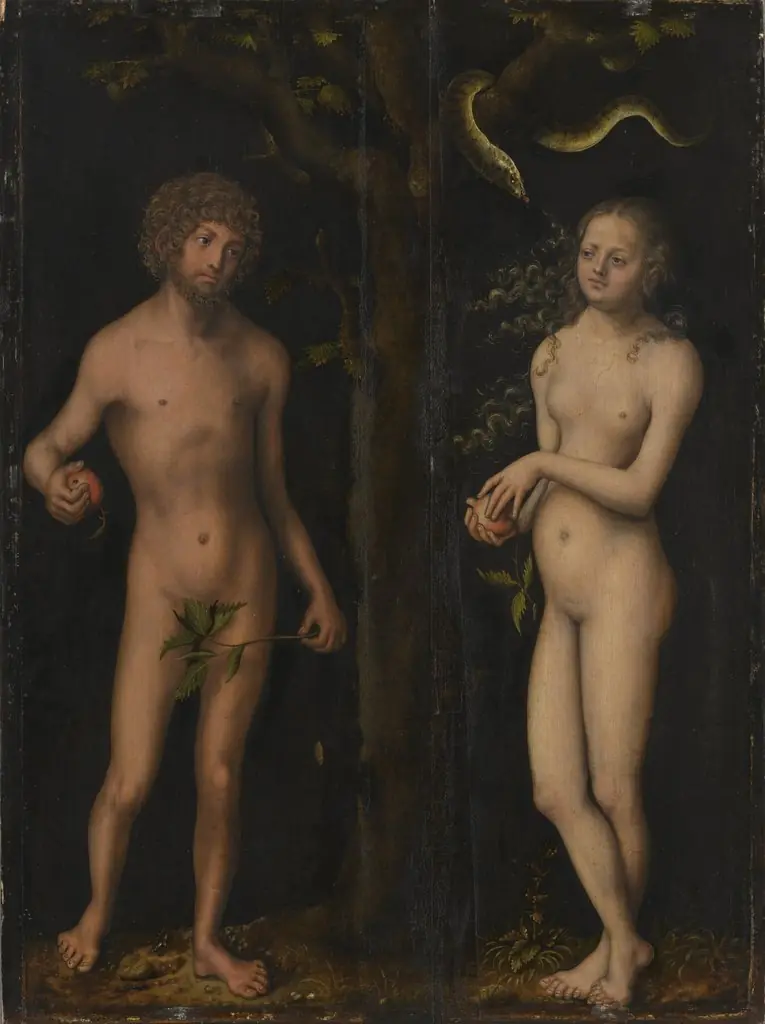 Adam and Eve
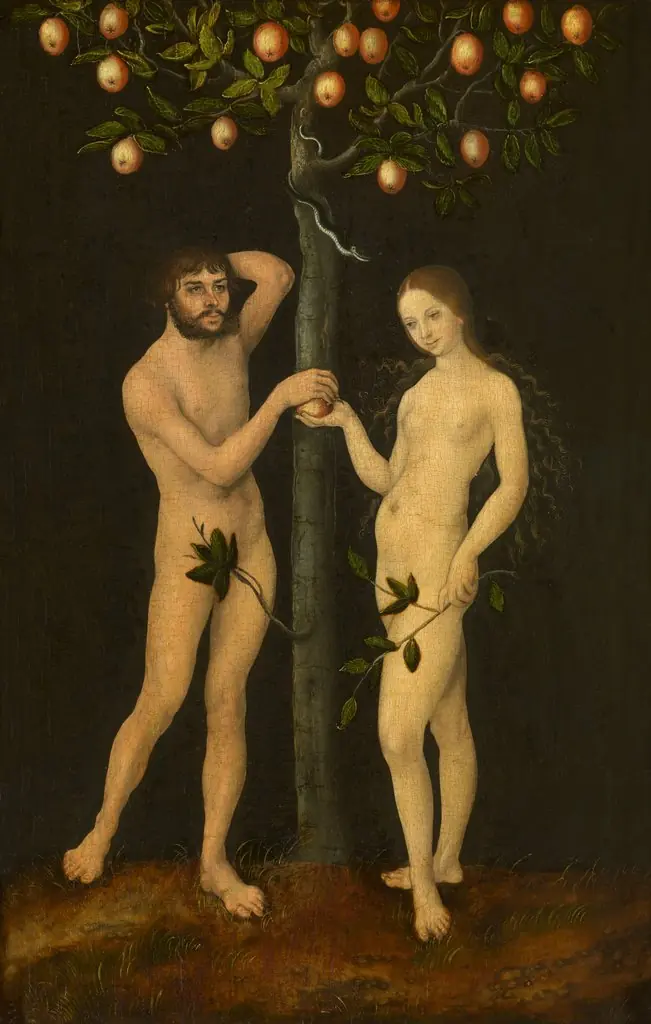 Adam and Eve
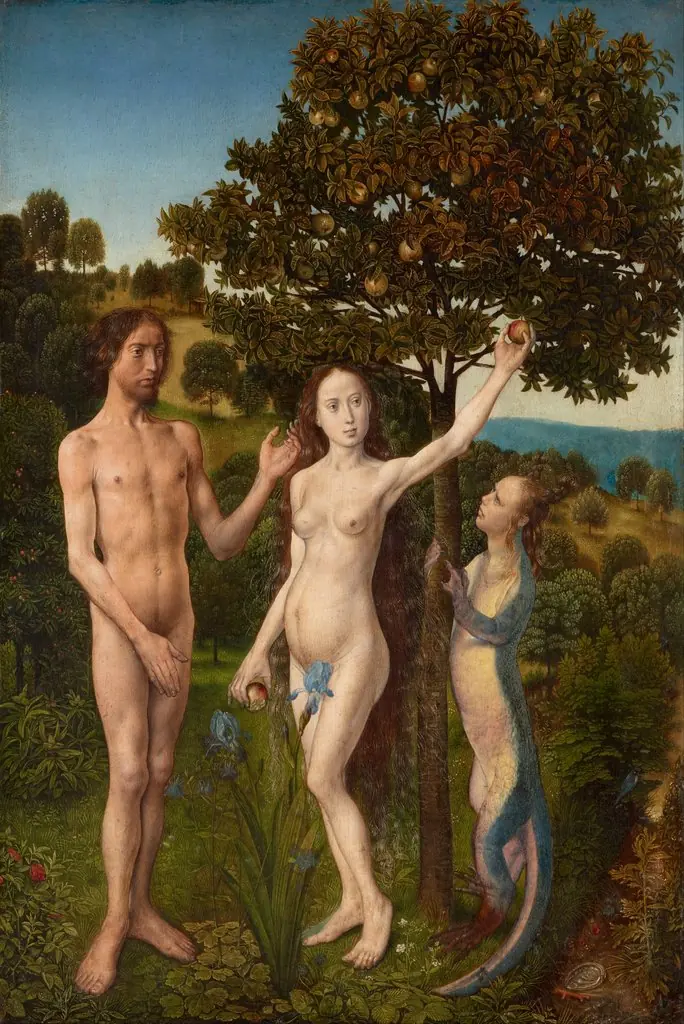 The Fall of Man
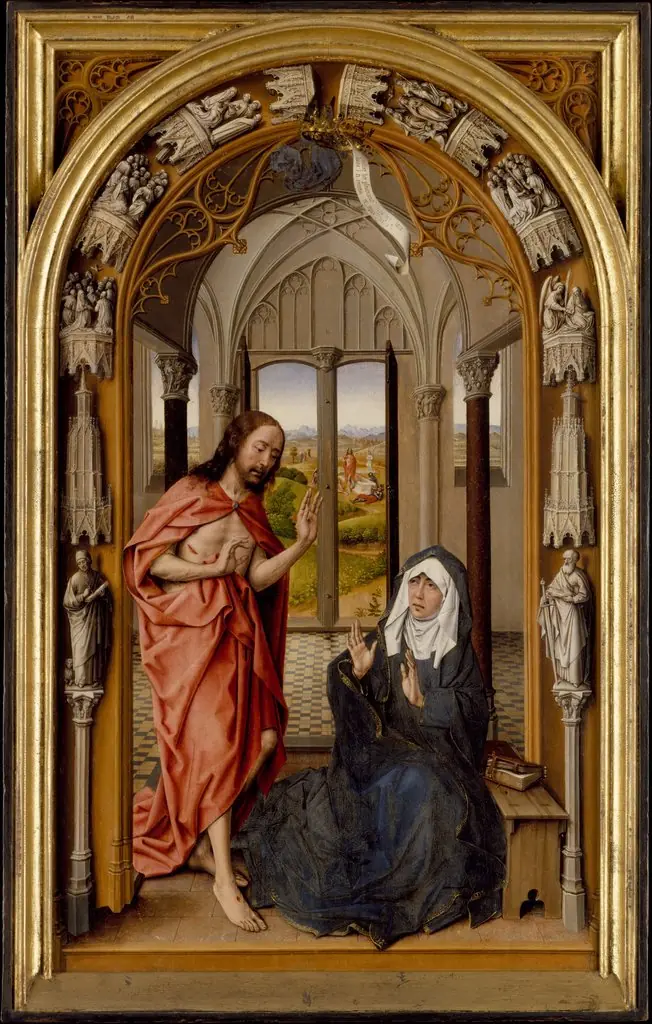 Christ Appearing to His Mother
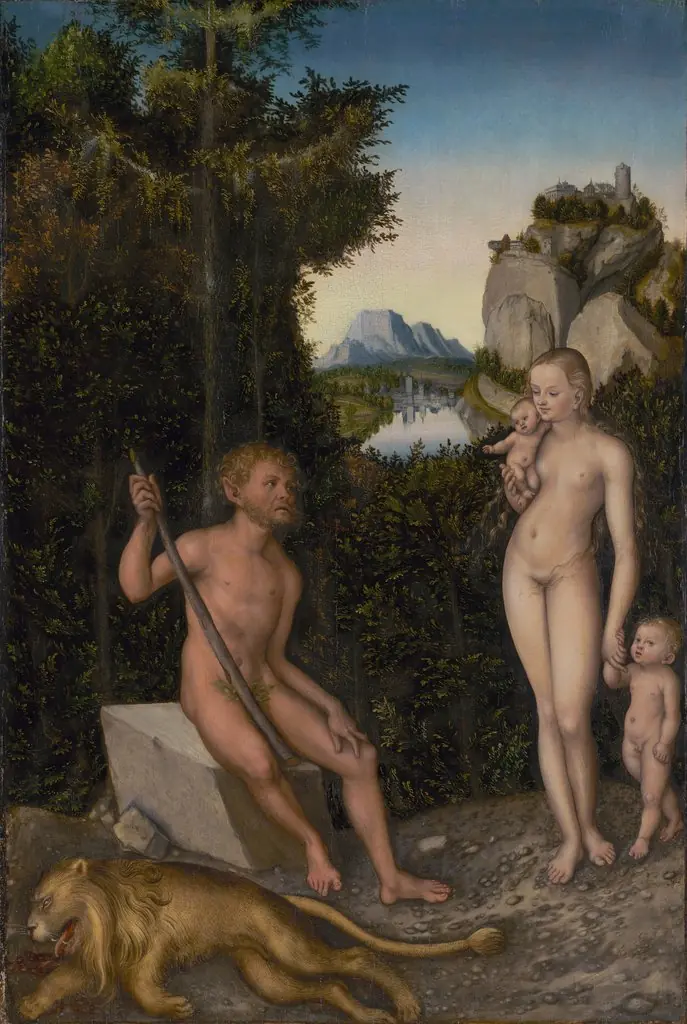 A Faun and His Family with a Slain Lion
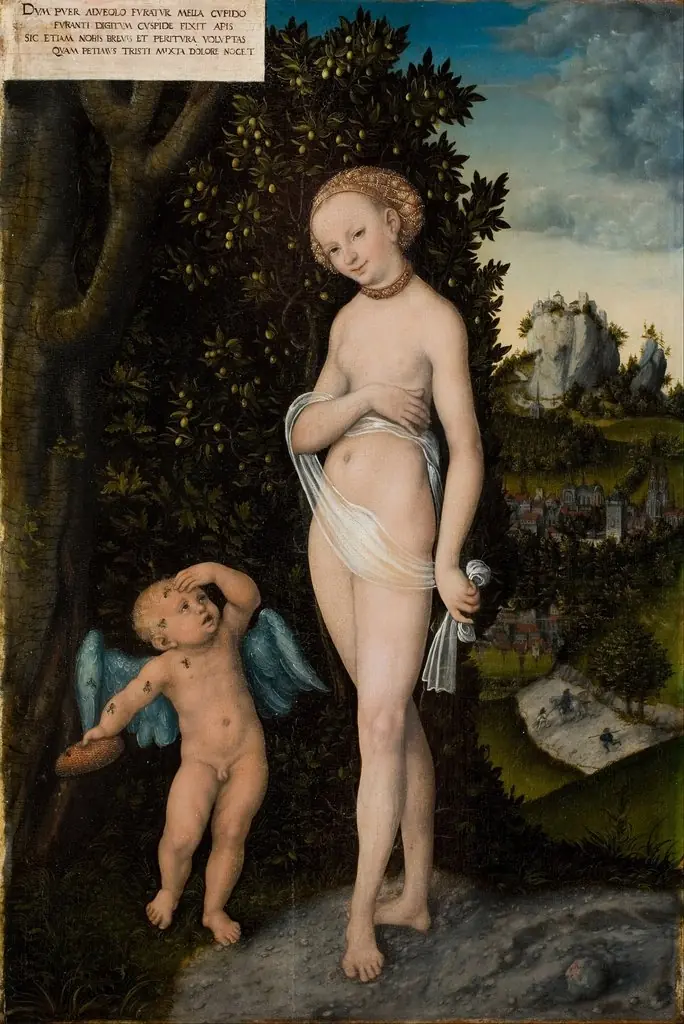 Venus with Cupid Stealing Honey
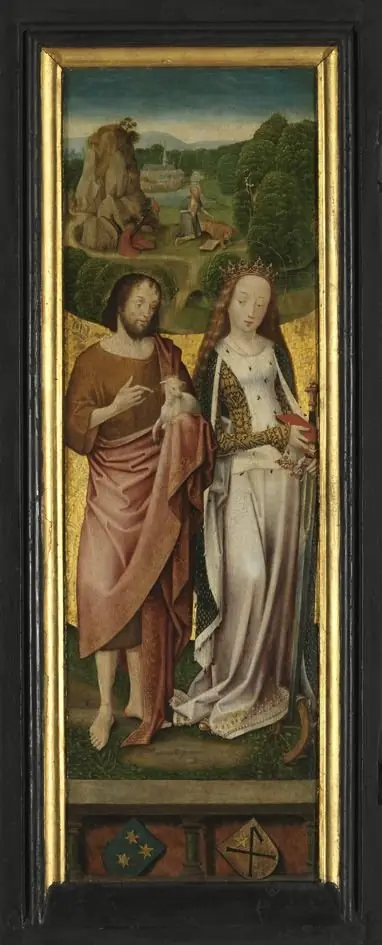 Flügelpaar: Die hll. Johannes der Täufer und Katharina (Außenseite: Engel der Verkündigung)
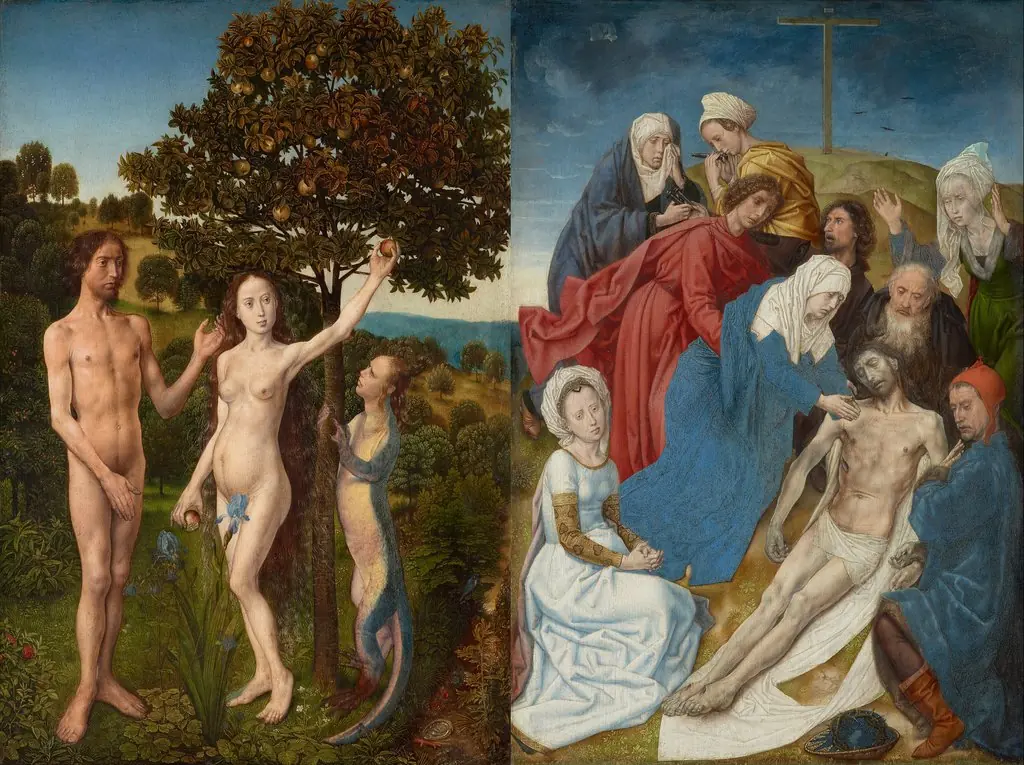 Vienna Diptych
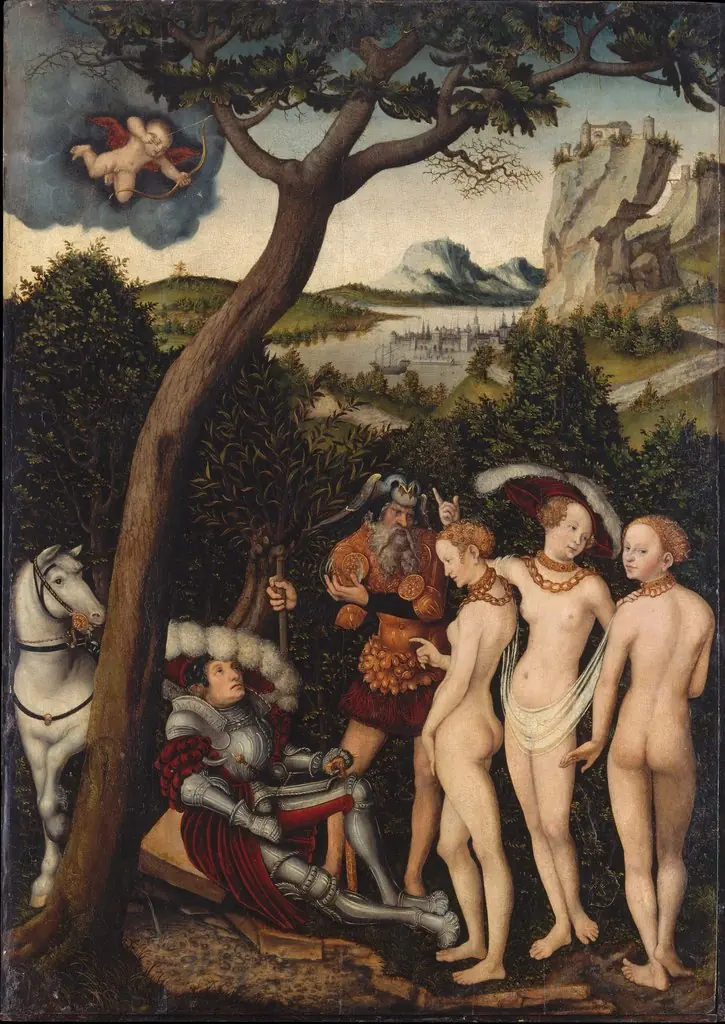 The Judgment of Paris
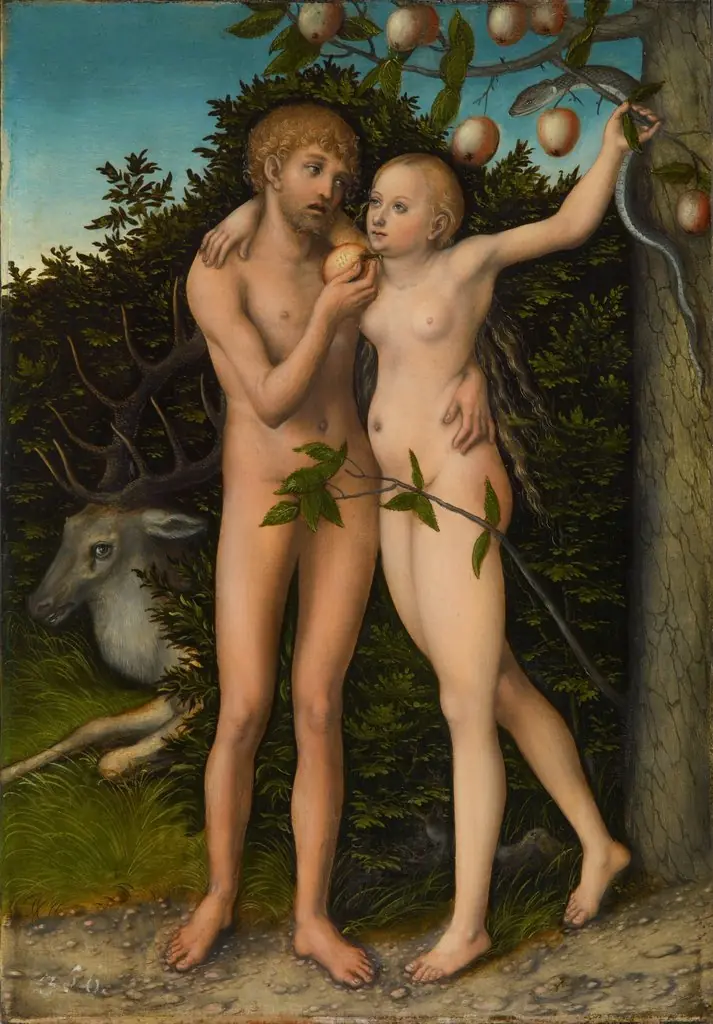 The Fall of Man
 The Baptism of Christ
 Paradise