Artwork
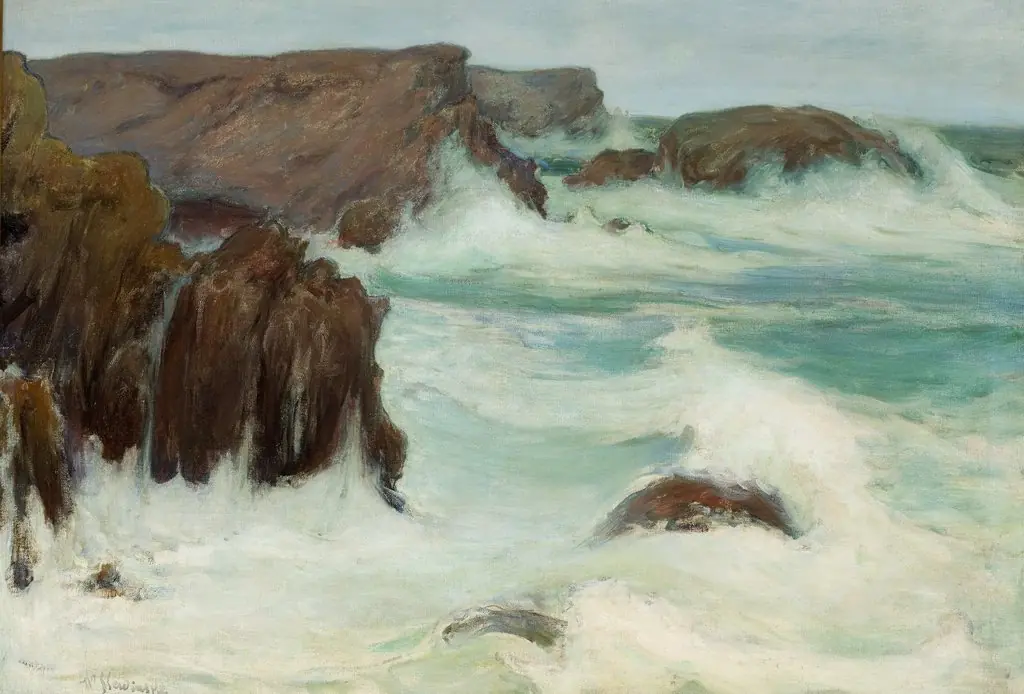
Storm of waves
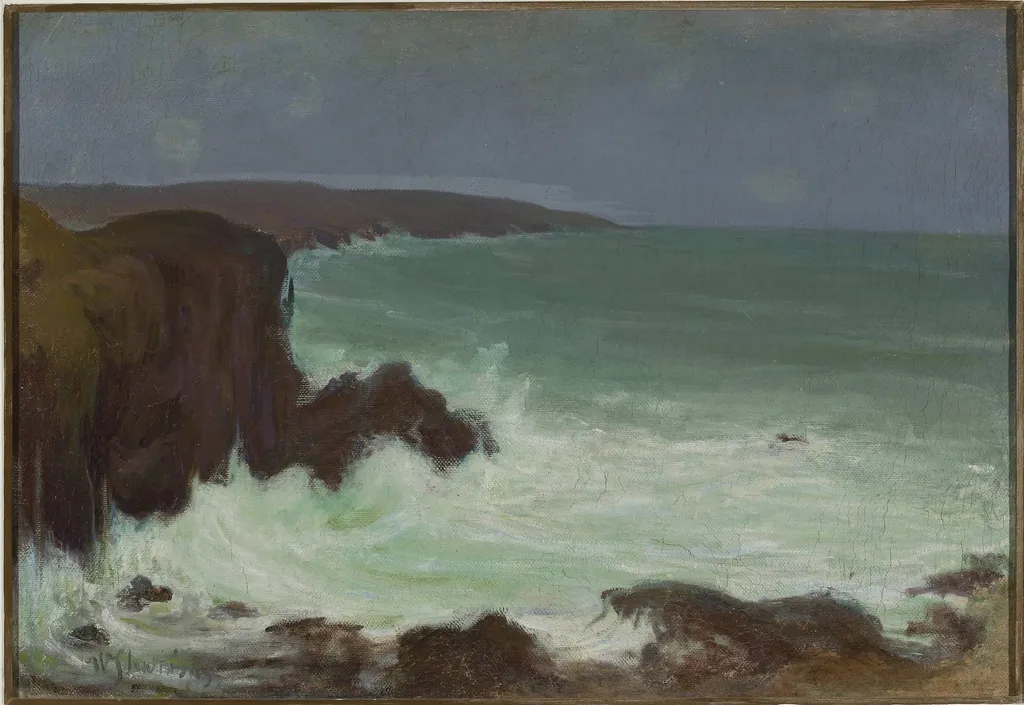
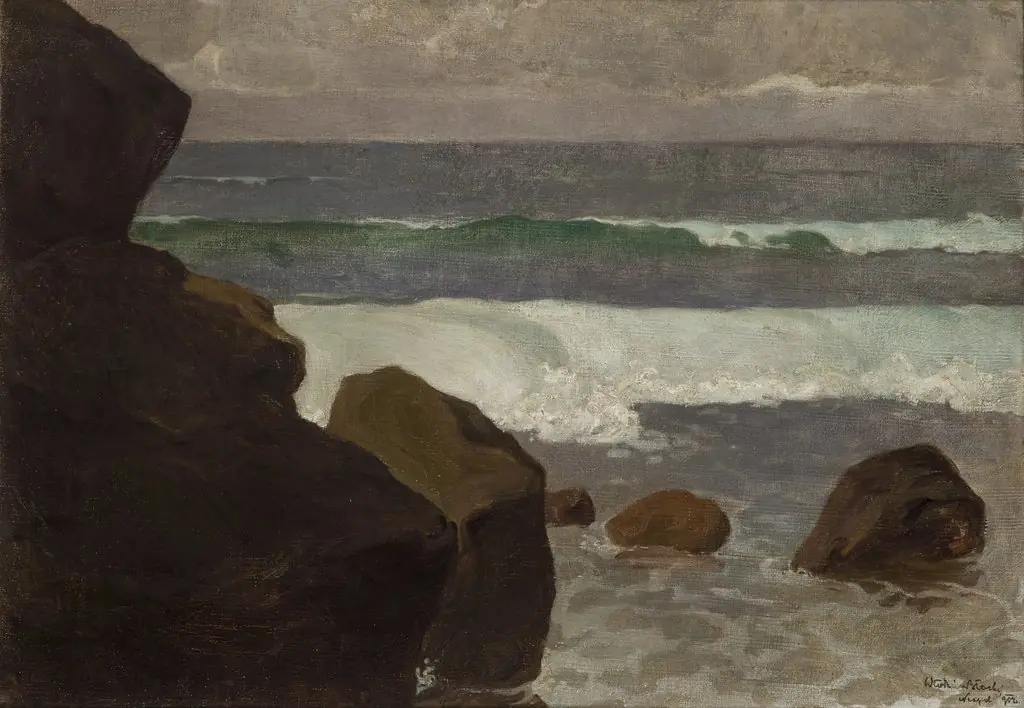
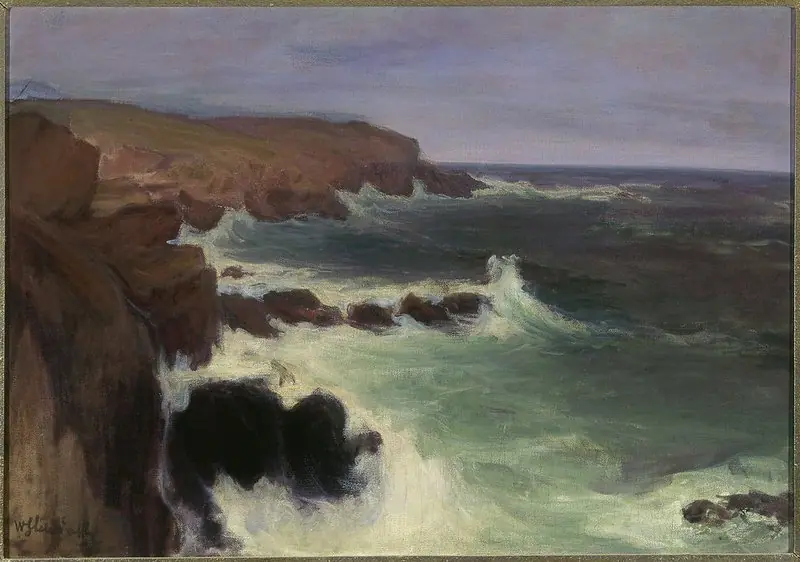
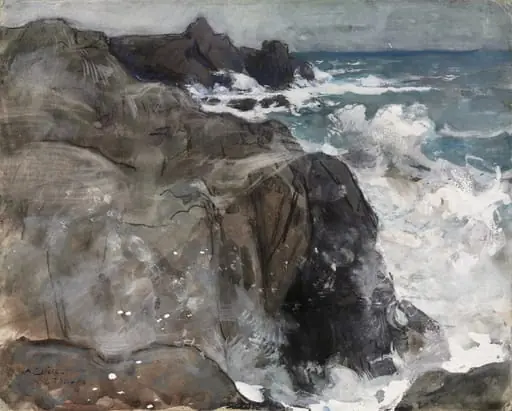
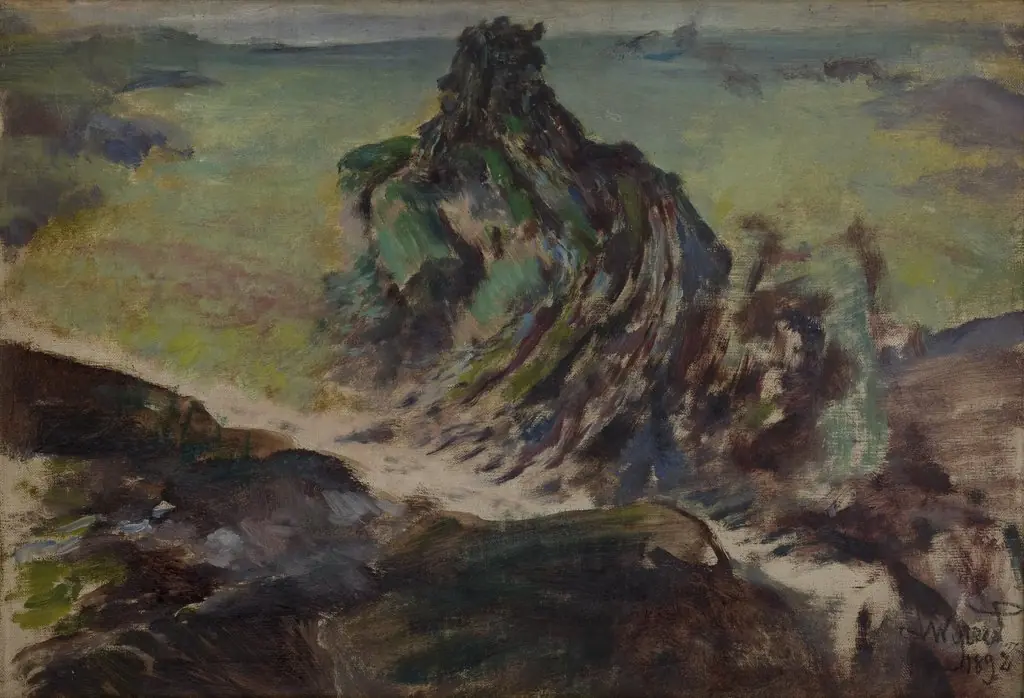
Storm of waves is an oil painting by the Post-Impressionist artist Władysław Ślewiński. It dates from 1904 and is held in the collection of the National Museum in Warsaw.
About this work
Overview
Its subject and technique reflect Ślewiński’s engagement with Post-Impressionist ideals, particularly those influenced by his time studying under Paul Gauguin.
Painted in 1904, *Storm of Waves* is an oil work by Polish artist Władysław Ślewiński, a key figure in the Young Poland movement. The piece captures the raw energy of the sea, rendered with thick, expressive brushwork. Its subject and technique reflect Ślewiński’s engagement with Post-Impressionist ideals, particularly those influenced by his time studying under Paul Gauguin. The painting is part of the National Museum in Warsaw’s permanent collection.
Subject & Meaning
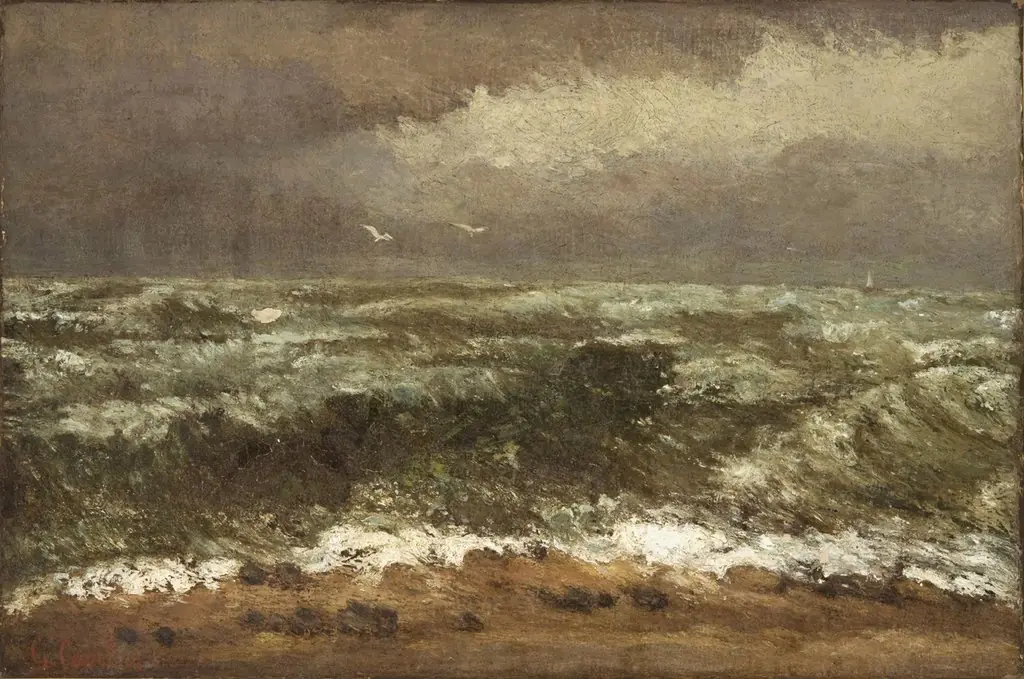
The painting portrays a violent seascape where powerful waves crash against dark, jagged rocks. The absence of human figures or vessels emphasizes nature’s indifference and force. The gray, overcast sky intensifies the mood of unrest, suggesting a psychological or emotional turbulence as much as a physical one. Ślewiński’s focus on elemental motion aligns with broader Symbolist and expressive currents in early 20th-century Polish art.
Technique & Style
Ślewiński employed oil paint to build layered, textured surfaces that mimic the movement and weight of water. Bold, directional strokes define the crashing waves, while thick impasto highlights the foam. The palette—deep blues and greens contrasted with stark white foam and muted grays—creates a somber, rhythmic harmony. His approach diverges from naturalism, favoring emotional resonance through simplified forms and dynamic composition.
History & Provenance
Created during Ślewiński’s mature period, *Storm of Waves* was produced after his return to Poland from Brittany, where he had been influenced by Gauguin’s symbolic use of color and form. The work entered the National Museum in Warsaw’s collection in the early 20th century, likely through acquisition or donation by a Polish cultural institution. Its preservation reflects its significance within the national artistic canon.
Context
The painting emerged during the Young Poland movement, a period when Polish artists sought to redefine national identity through modernist expression. Ślewiński’s work, though shaped by French Post-Impressionism, adapted these influences to convey local spiritual and emotional themes. *Storm of Waves* resonates with broader European trends that prioritized inner experience over literal representation, particularly in landscapes.
Legacy
Though less widely known internationally, Ślewiński’s *Storm of Waves* remains a defining example of Polish Post-Impressionism. It exemplifies how artists in occupied Poland used abstraction and emotional intensity to assert cultural autonomy. The work continues to inform scholarly discussions on the intersection of national identity and modernist technique in Eastern European art.
Artist & collection
Artist
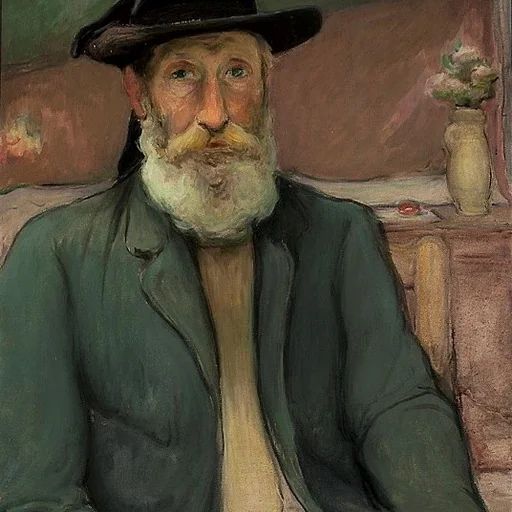
Władysław Ślewiński (1 June 1856 – 24 March 1918) was a Polish painter. He was one of Gauguin's students and a leading artist of the Young Poland movement.