Artwork
Stonemason
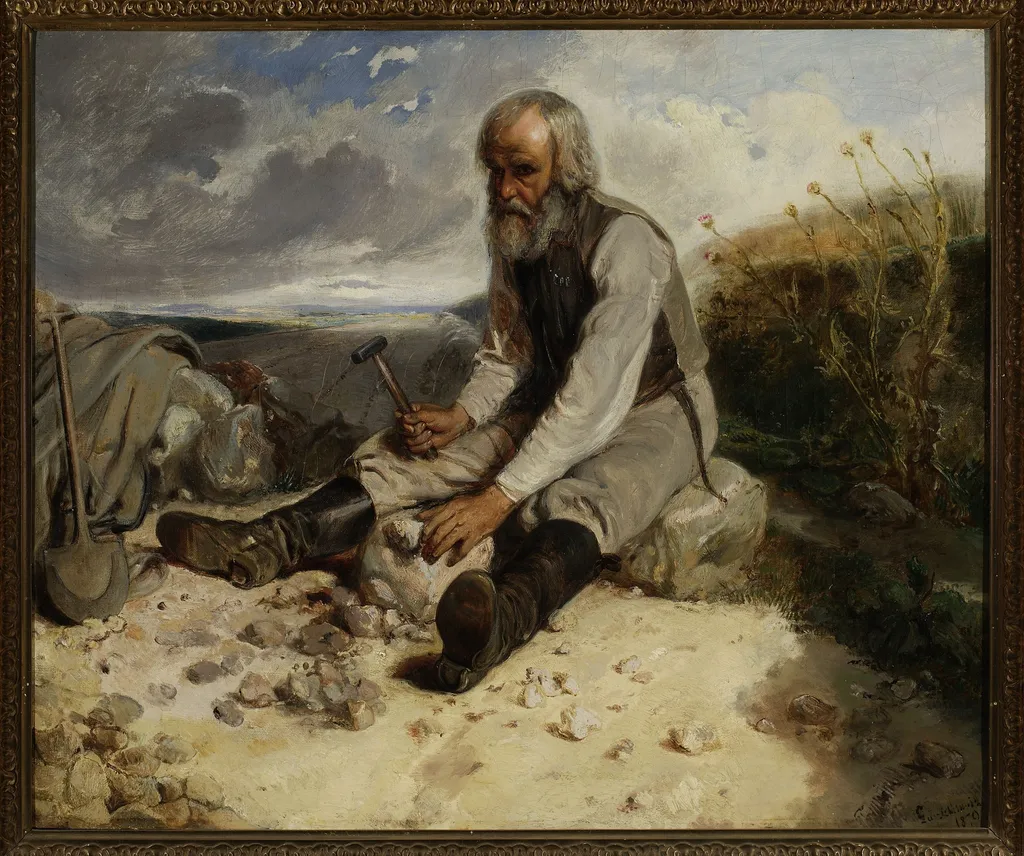
Stonemason is an oil painting by the Realist artist Władysław Łuszczkiewicz. It dates from 1890 and is held in the collection of the National Museum in Warsaw.
About this work
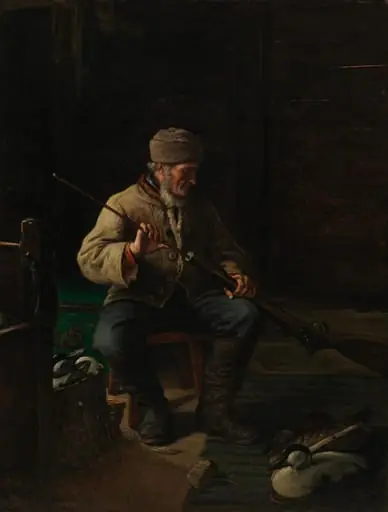
The artist's use of chiaroscuro creates a sense of depth and dimensionality in the painting, drawing the viewer's eye to the central figure.
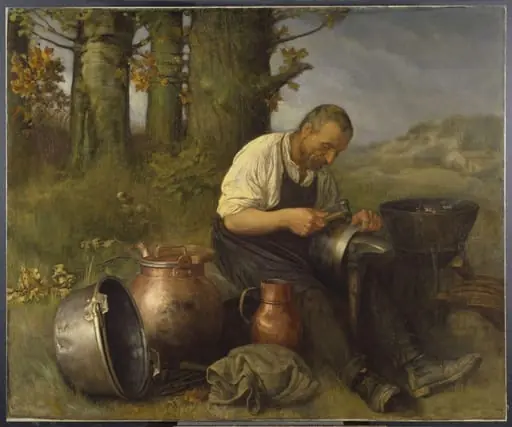
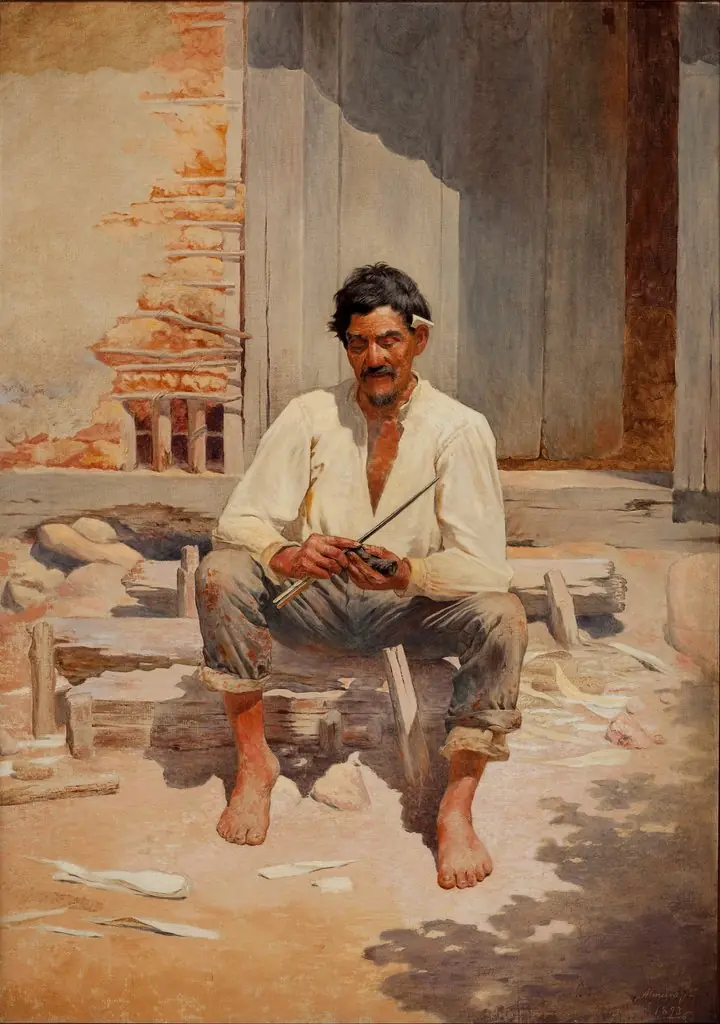
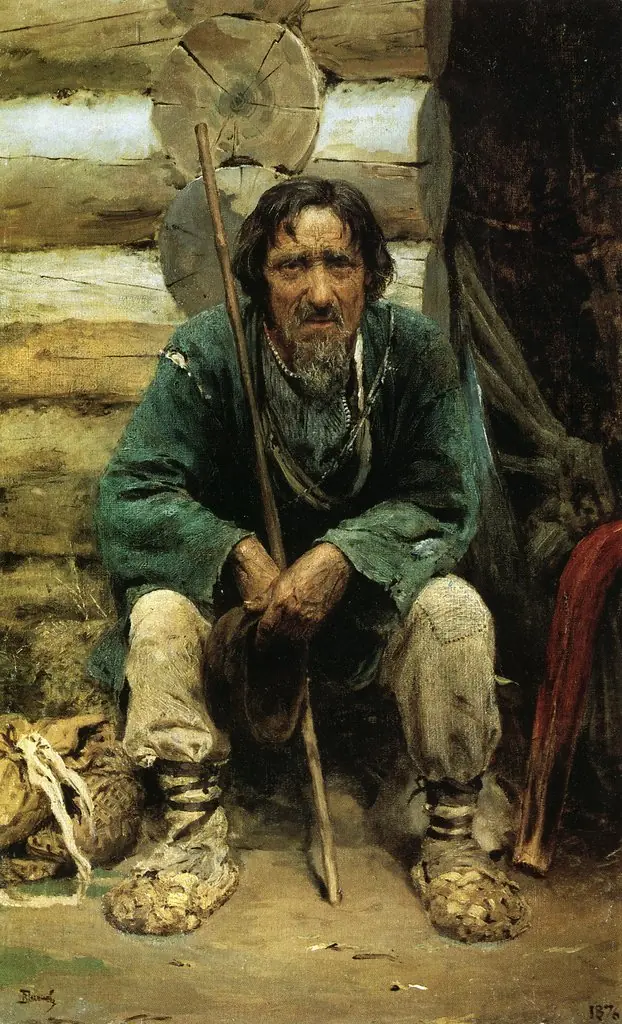
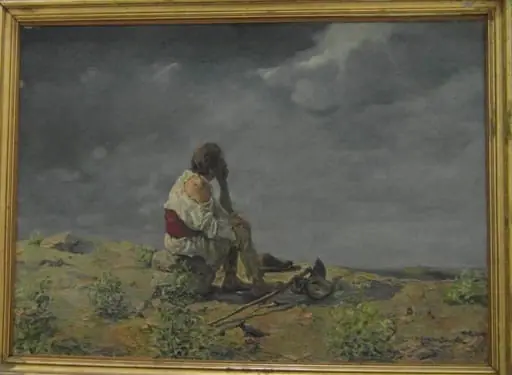
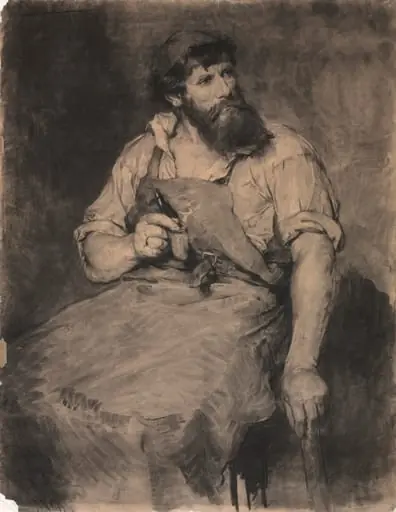
The painting "Stonemason" by Władysław Łuszczkiewicz, created in 1879, depicts a man sitting on a rock, holding a hammer in his right hand. He is dressed in a white shirt, black vest, and black boots, with a white cloth covering his lap. The man's face is turned to the left, and he appears to be working on a rock or stone.
The background of the painting features a cloudy sky with a few patches of blue, and a field with some plants and flowers. The overall atmosphere of the painting is one of hard work and dedication.
The artist's use of chiaroscuro creates a sense of depth and dimensionality in the painting, drawing the viewer's eye to the central figure. Next, explore the work of artist Władysław Łuszczkiewicz.
Overview
Władysław Łuszczkiewicz’s oil painting *Stonemason* was completed in the late nineteenth century, around 1890. Executed in a realist manner, the work portrays a solitary laborer at work on a stone, set against a muted sky and a modest landscape. The composition is held by the National Museum in Warsaw.
Subject & Meaning
The central figure is a man seated on a rock, his right hand gripping a hammer while a white cloth rests on his lap. Dressed in a simple white shirt, black vest and boots, he turns his gaze to the left, suggesting concentration on the task of shaping stone. The scene emphasizes the dignity of manual labor and everyday toil.
Technique & Style
Łuszczkiewicz employs chiaroscuro to model the figure, using contrasts of light and shadow to give volume to the body and the surrounding stone. The palette is restrained, with earthy tones dominating the foreground and a cloudy sky punctuated by faint blue patches, creating a sense of depth without decorative excess.
History & Provenance
A native of Kraków, Łuszczkiewicz taught at the Academy of Fine Arts there and later became its director. Working during Poland’s partitions, he often turned to realistic depictions of ordinary life. *Stonemason* entered the collection of the National Museum in Warsaw, where it remains on public display.
Context
The painting belongs to the broader Realism movement that gained prominence in the latter half of the nineteenth century, reacting against Romantic idealisation. In a period when Poland was divided among foreign powers, artists like Łuszczkiewicz used genre scenes to affirm national identity through the portrayal of common folk.
Artist & collection
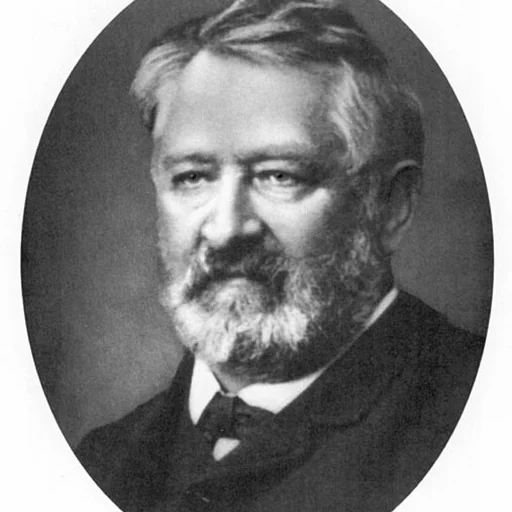
Artist
Władysław Łuszczkiewicz (3 September 1828 – 23 May 1900) was a Polish historian and painter of the late Romantic era from Kraków, active in the period of the foreign partitions of Poland.

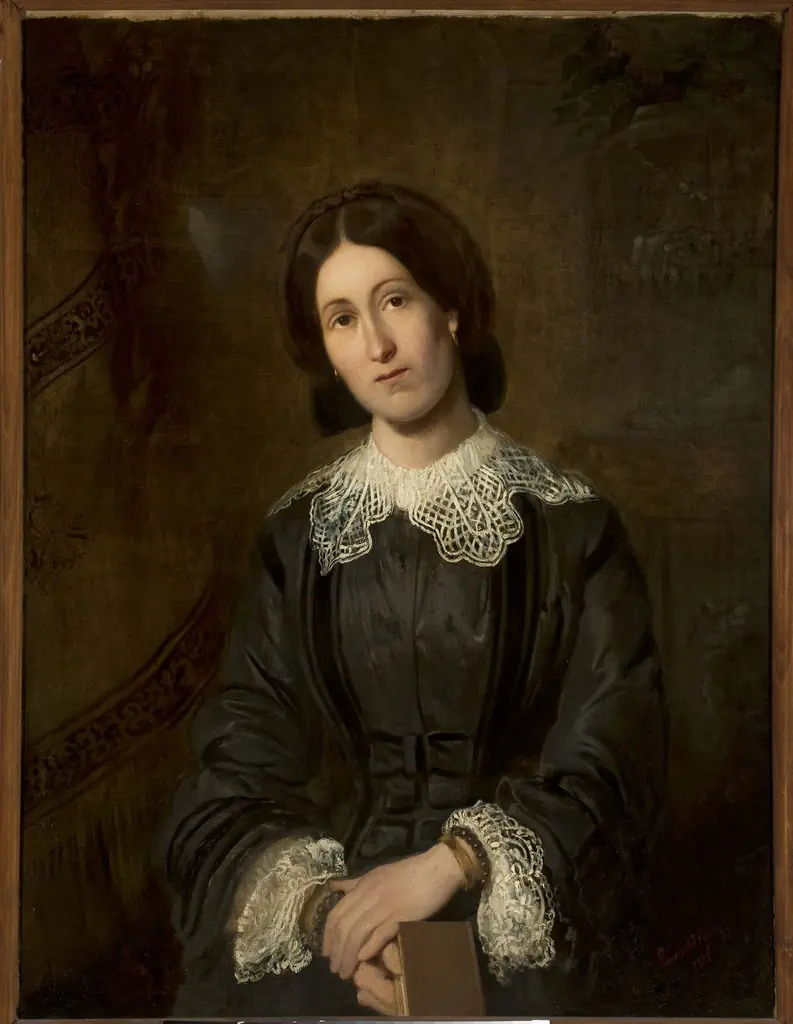 Portrait of Lucyna Łuszczkiewicz, artist’s sister
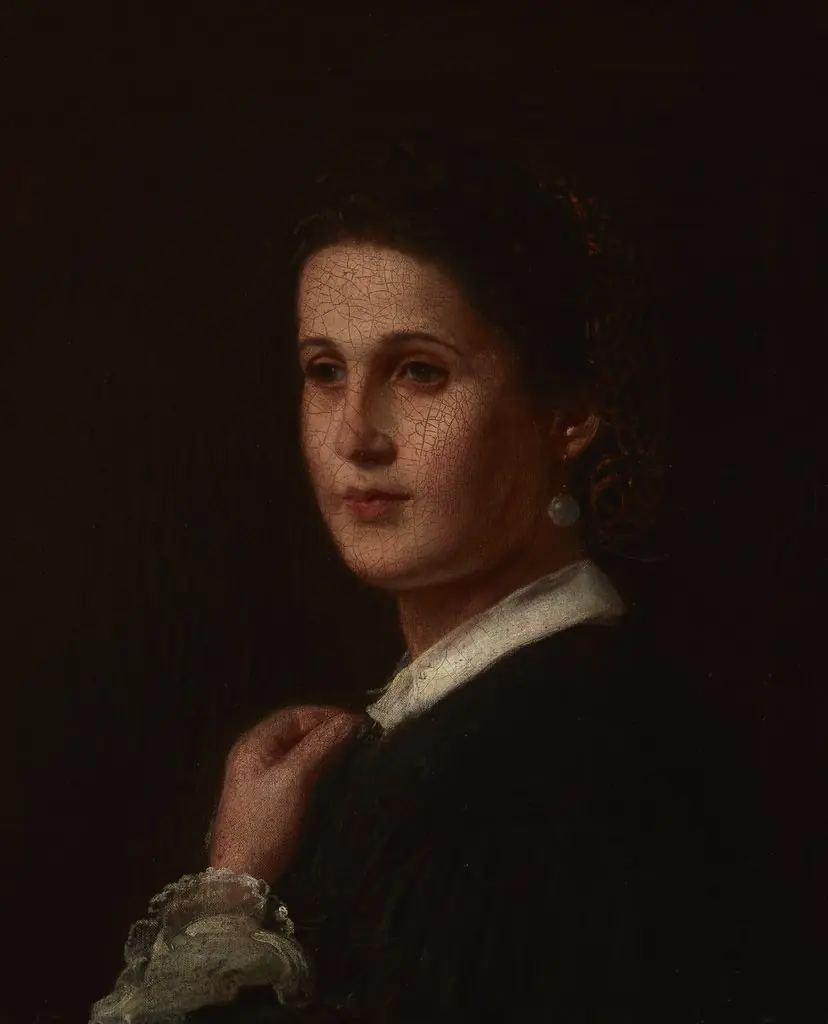 Portrait of Malwina Ramloff, Artist's Fiancée
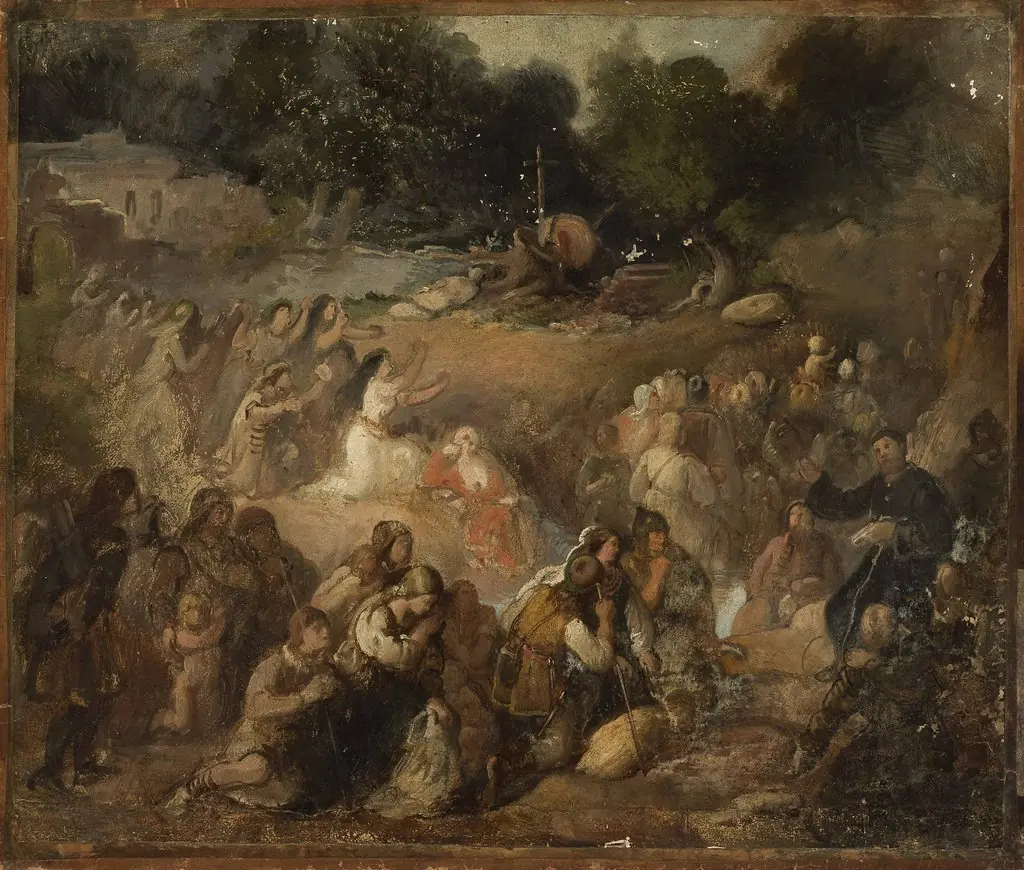 Baptism of Lithuania
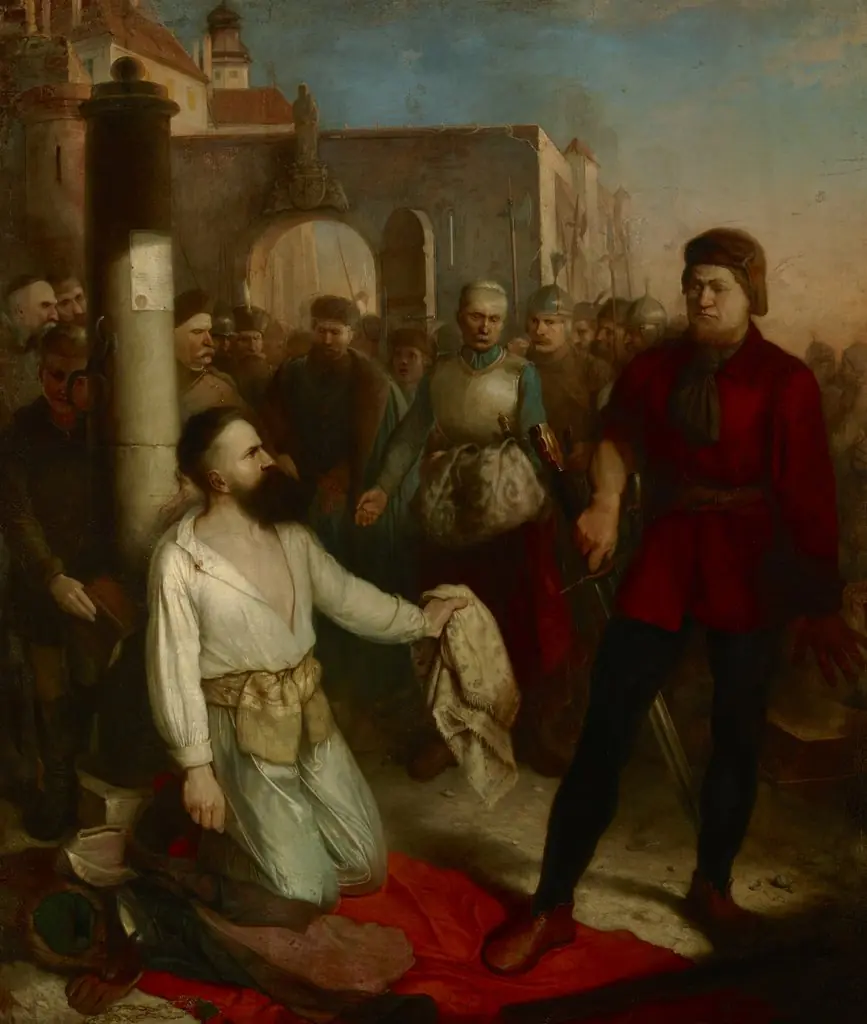 Decapitation of Samuel Zborowski
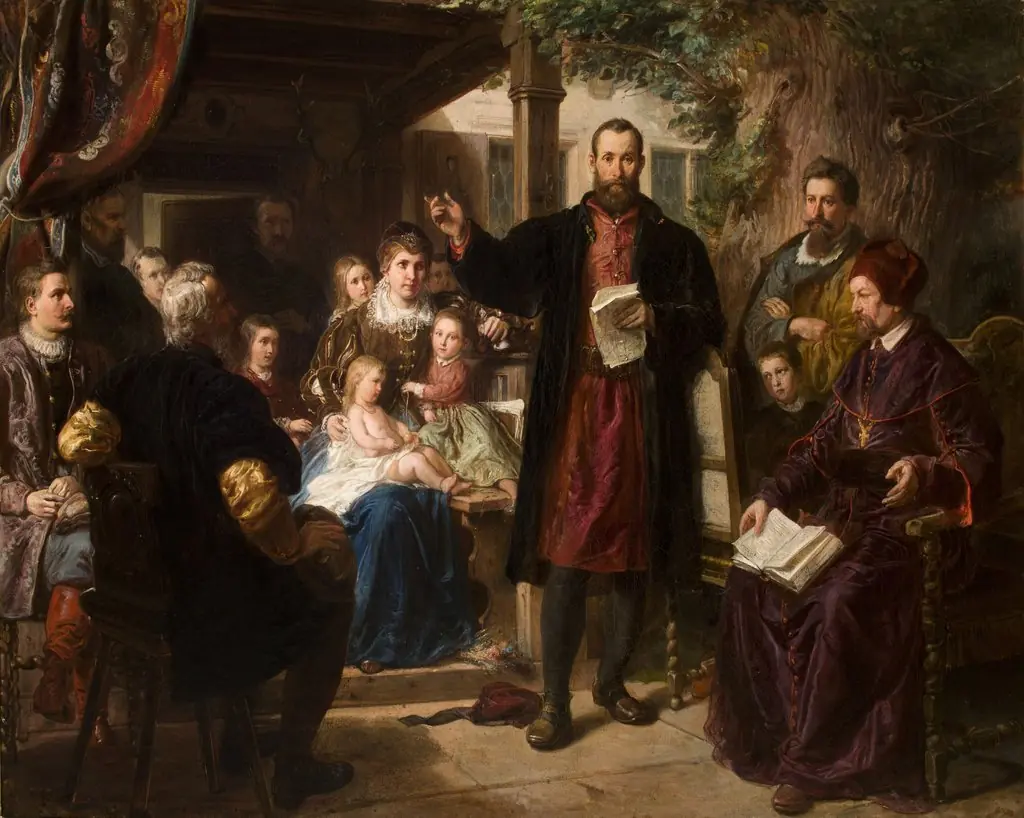 Jan Kochanowski at Czarnolas Reading the Translation of the "Psalms"
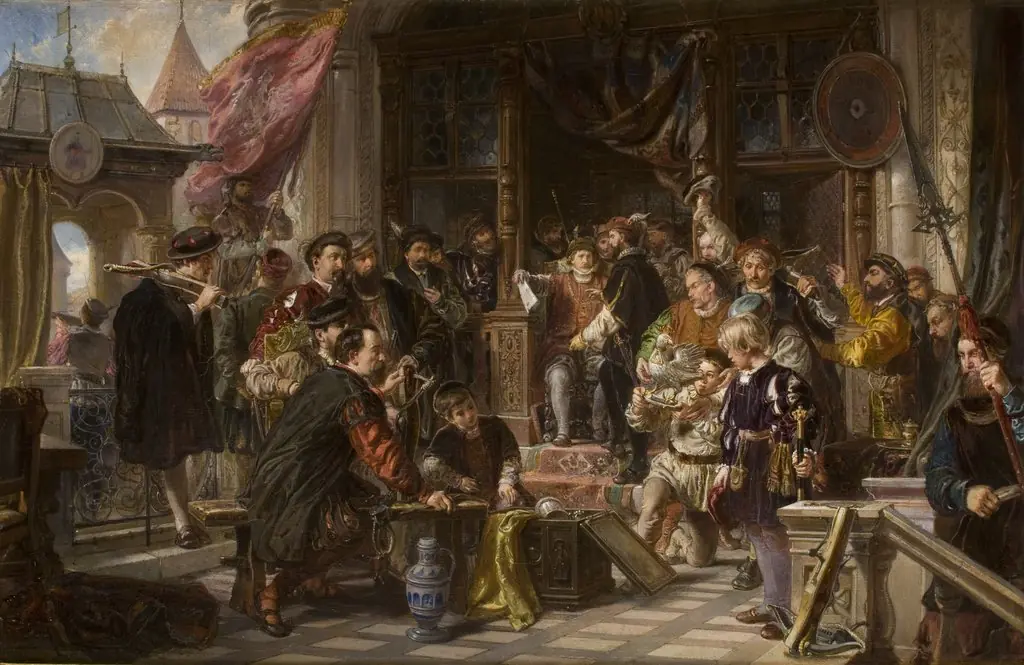 Presenting the Fowler to the Shooting Brotherhood
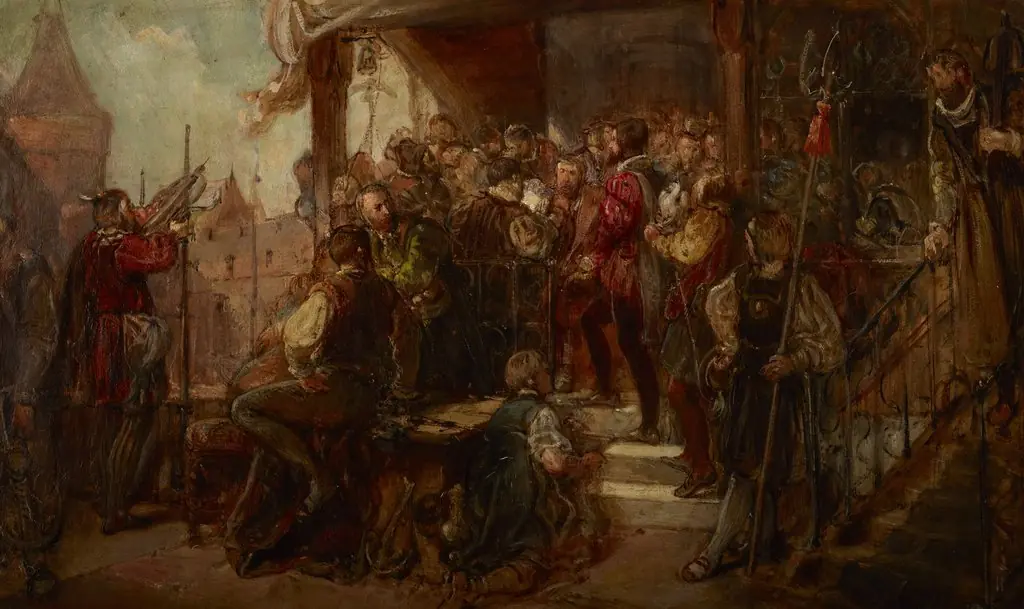 Presenting the Fowler to the Fowler Brotherhood (Sketch)
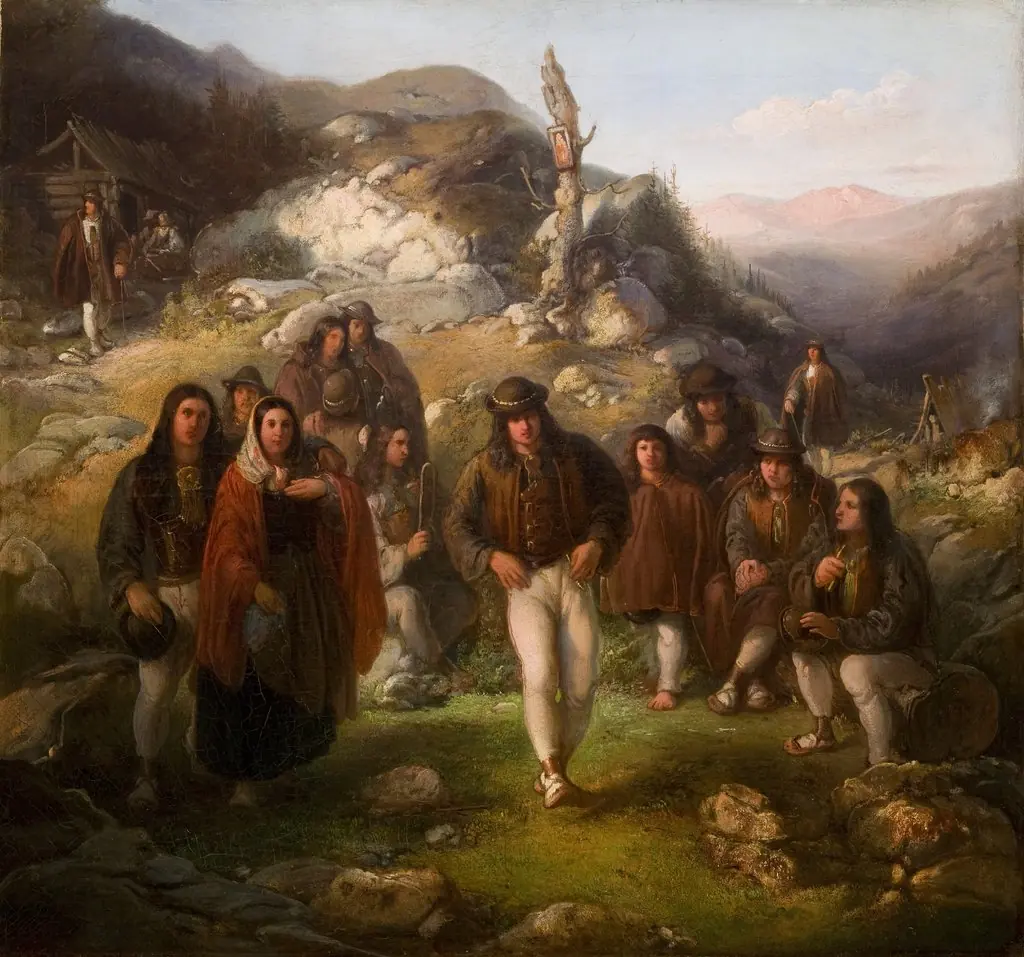 Highlanders' Dance