Artwork
Decapitation of Samuel Zborowski
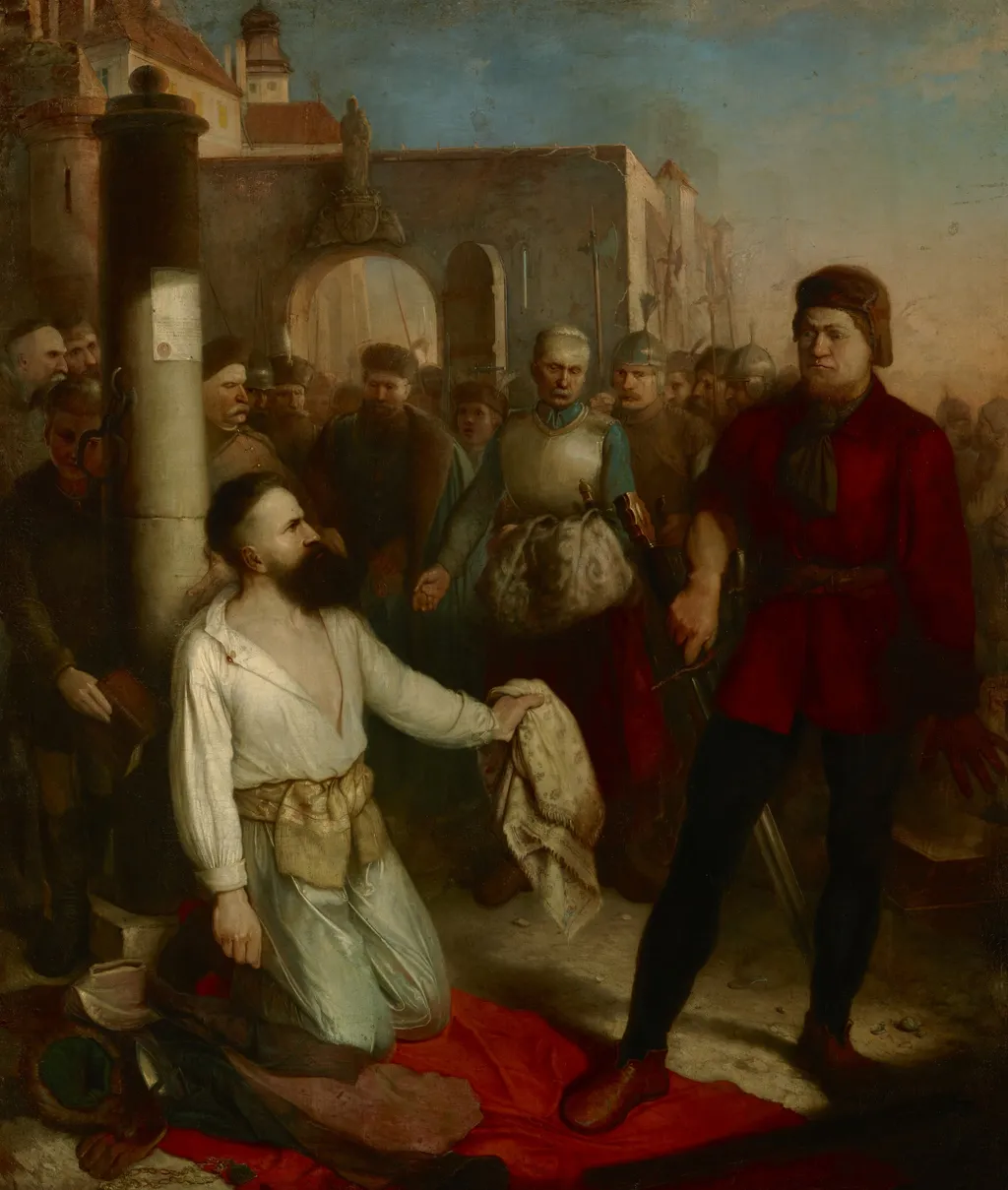
Decapitation of Samuel Zborowski is an oil painting by Władysław Łuszczkiewicz. It dates from 1874 and is held in the collection of the National Museum in Kraków.
About this work
Overview
Painted around 1874 by Władysław Łuszczkiewicz, this oil on canvas work portrays a moment from Polish history: the execution of Samuel Zborowski.
Painted around 1874 by Władysław Łuszczkiewicz, this oil on canvas work portrays a moment from Polish history: the execution of Samuel Zborowski. Łuszczkiewicz, a professor at the Kraków Academy of Fine Arts and a conservator of historic architecture, specialized in historical subjects. The painting is part of the National Museum in Kraków’s collection, reflecting his role in shaping Poland’s visual memory during a time when the nation lacked political sovereignty.
Subject & Meaning
The scene captures the execution of Samuel Zborowski, a nobleman executed in 1584 on the orders of King Stefan Batory for treason. Łuszczkiewicz presents the moment with solemn gravity, focusing on Zborowski’s resigned posture and the executioner’s raised blade. The composition underscores themes of justice, betrayal, and political violence, resonating with 19th-century Polish audiences who saw in such histories echoes of their own subjugation under foreign rule.
Technique & Style
Łuszczkiewicz employs chiaroscuro to heighten emotional tension, directing light onto the central figures while plunging the background into shadow. The kneeling victim’s pale garments contrast with the executioner’s dark red coat, isolating the act visually. Brushwork is precise yet expressive, with careful attention to fabric folds and facial expressions. The crowd in the distance, partially obscured, adds depth and reinforces the public nature of the punishment.
History & Provenance
Created during the Partitions of Poland, the painting emerged from a cultural environment where historical memory became a form of resistance. Łuszczkiewicz, who also preserved architectural heritage, infused his work with national significance. The painting entered the National Museum in Kraków’s collection shortly after its completion, where it has remained as part of a curated narrative of Poland’s turbulent past.
Context
In the late 19th century, Polish artists turned to historical subjects to sustain national identity under foreign occupation. Łuszczkiewicz, a mentor to Jan Matejko, contributed to this movement by depicting moments of moral and political crisis. His choice of Zborowski’s execution aligned with broader efforts to memorialize figures whose fates symbolized the fragility of sovereignty and the cost of defiance.
Legacy
Though less widely known than Matejko’s large-scale histories, Łuszczkiewicz’s work contributed to the foundation of Poland’s academic painting tradition. This painting exemplifies the Romantic tendency to dramatize historical trauma as a means of collective remembrance. It remains a quiet but potent artifact of 19th-century Polish historiography, preserved in its original context within Kraków’s national museum.
Own this work as a print
Artist & collection
Artist
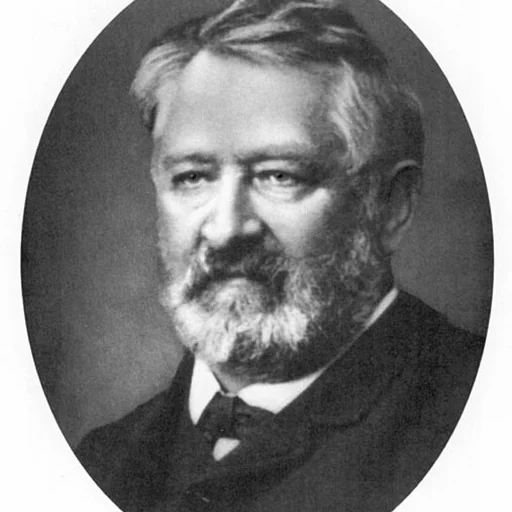
Władysław Łuszczkiewicz (3 September 1828 – 23 May 1900) was a Polish historian and painter of the late Romantic era from Kraków, active in the period of the foreign partitions of Poland.

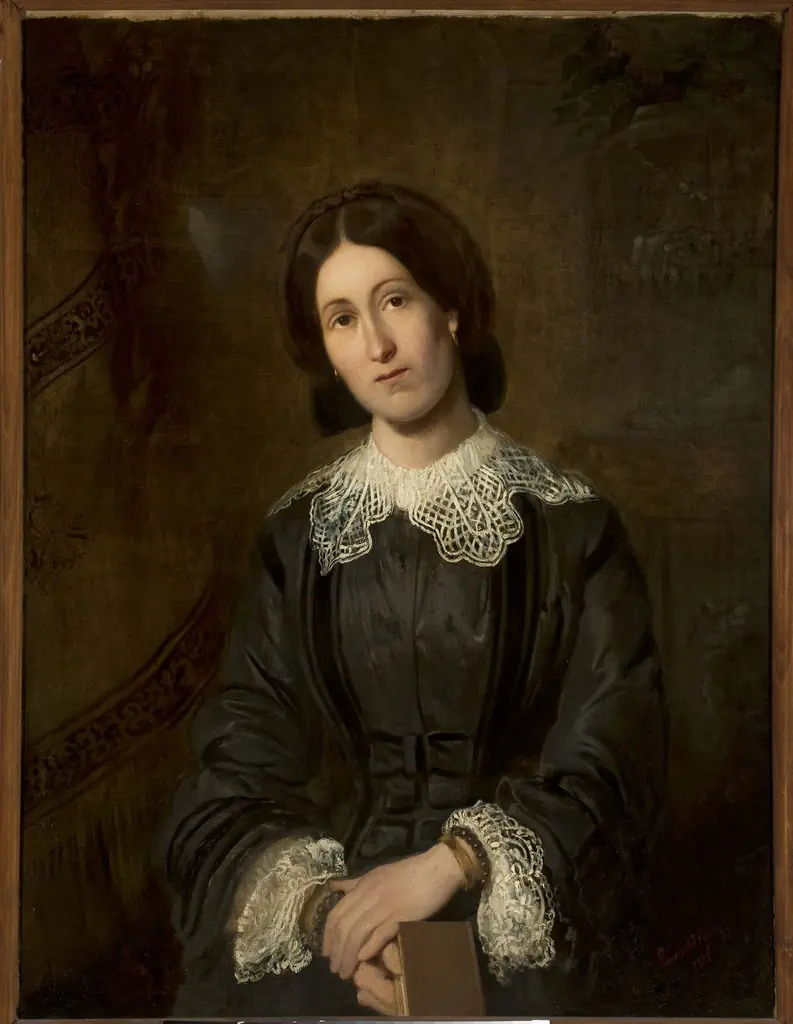 Portrait of Lucyna Łuszczkiewicz, artist’s sister
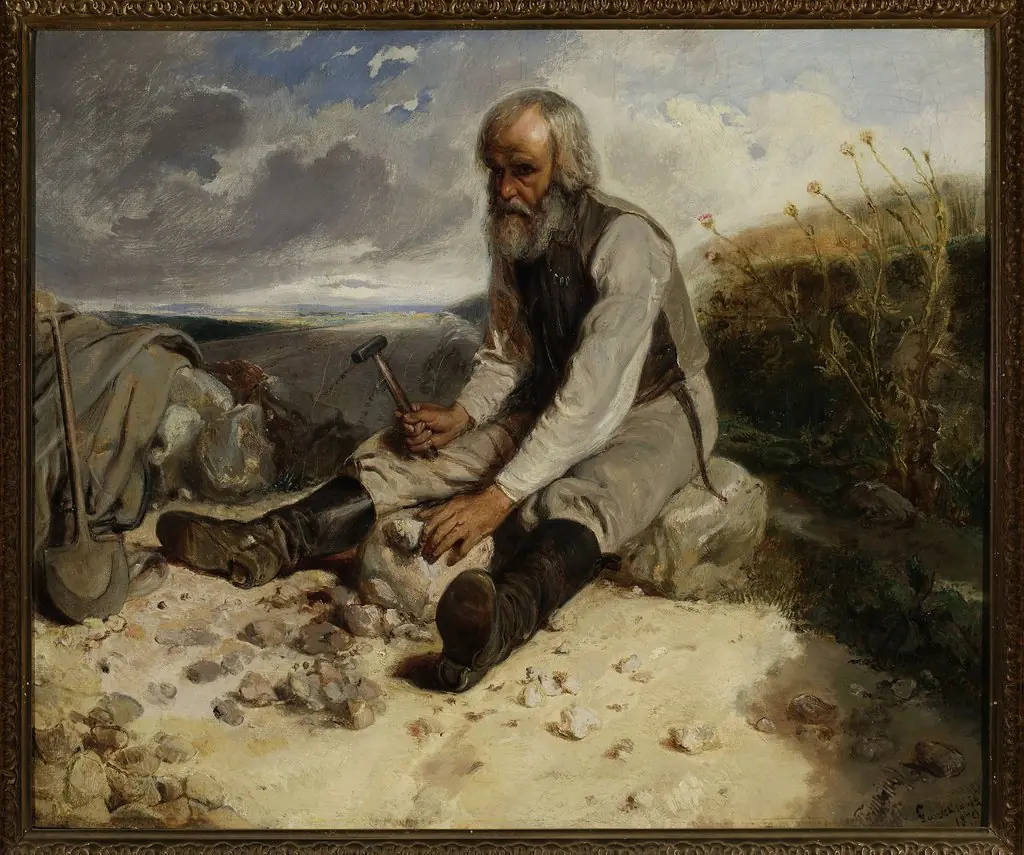 Stonemason
 Portrait of Malwina Ramloff, Artist's Fiancée
 Baptism of Lithuania
 Jan Kochanowski at Czarnolas Reading the Translation of the "Psalms"
 Presenting the Fowler to the Shooting Brotherhood
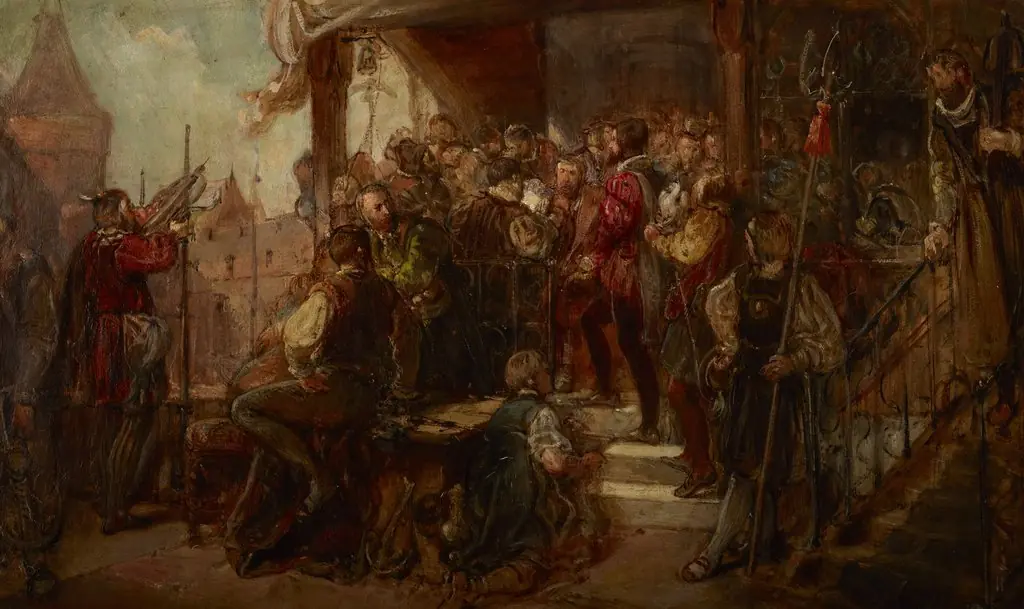 Presenting the Fowler to the Fowler Brotherhood (Sketch)
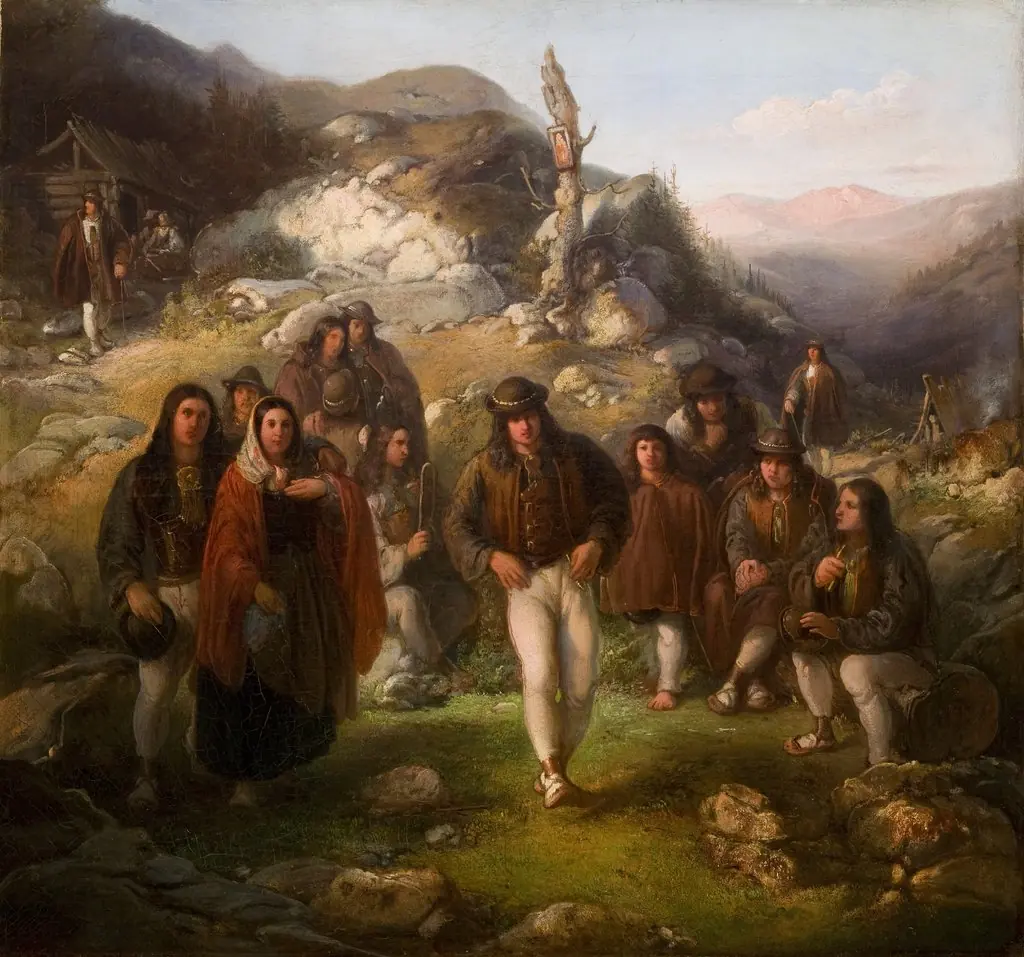 Highlanders' Dance
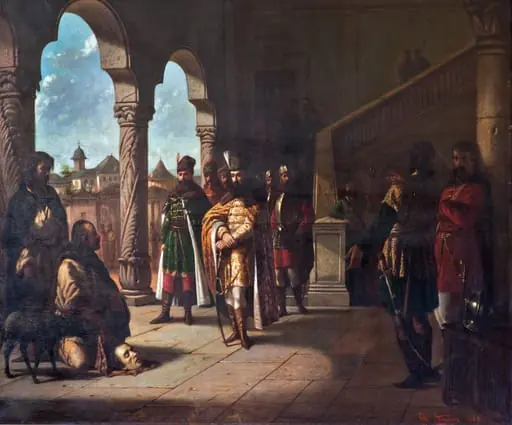 Mihai Viteazul contemplând capul lui Andrei Bathory
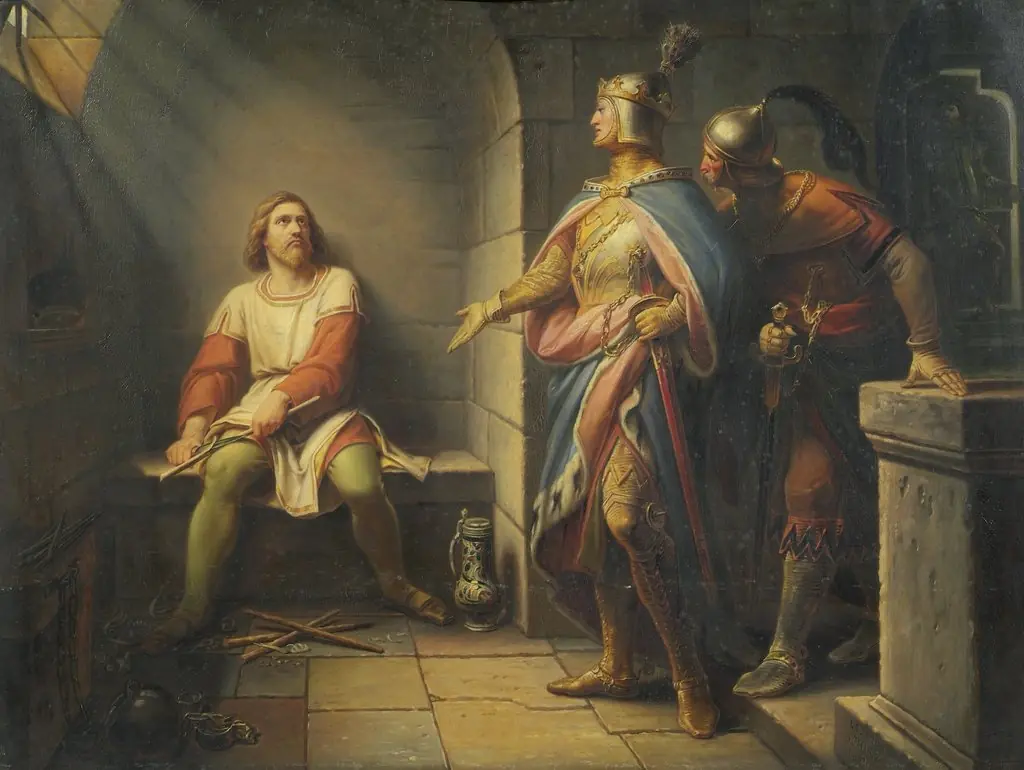 Ludwig der Bayer verkündet Friedrich dem Schönen 1314 seine Freilassung und bietet ihm die Mitregentschaft an
 Felipe III de Francia moribundo bendiciendo a sus hijos
 Boleslaw the Brave with Svyatopolk at the Golden Gate in Kiev
 The Storming of Ofen 1686
 Episodio del reinado de don Enrique III de Castilla llamado el Doliente cuando al día siguiente de haber tenido que empeñar su gabán para comer corrige el orgullo y desmanes de los señores y ricoshomes de Castilla
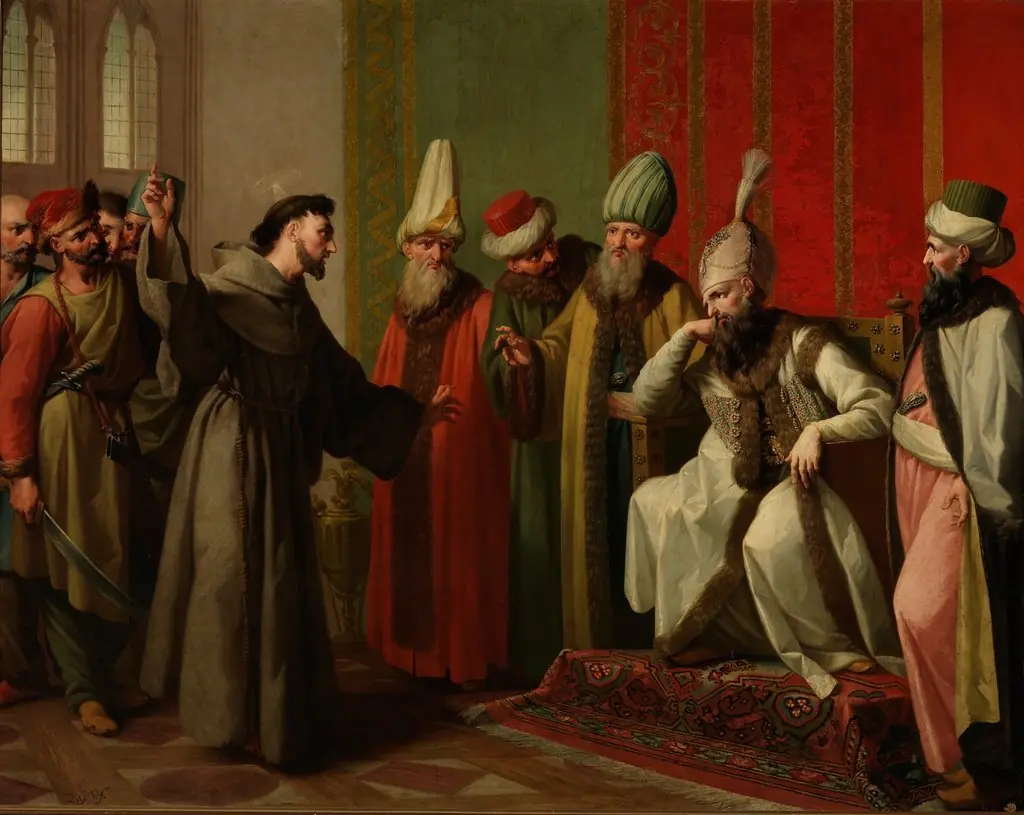 San Francisco ante el sultán de Egipto Malec-el-Kamal
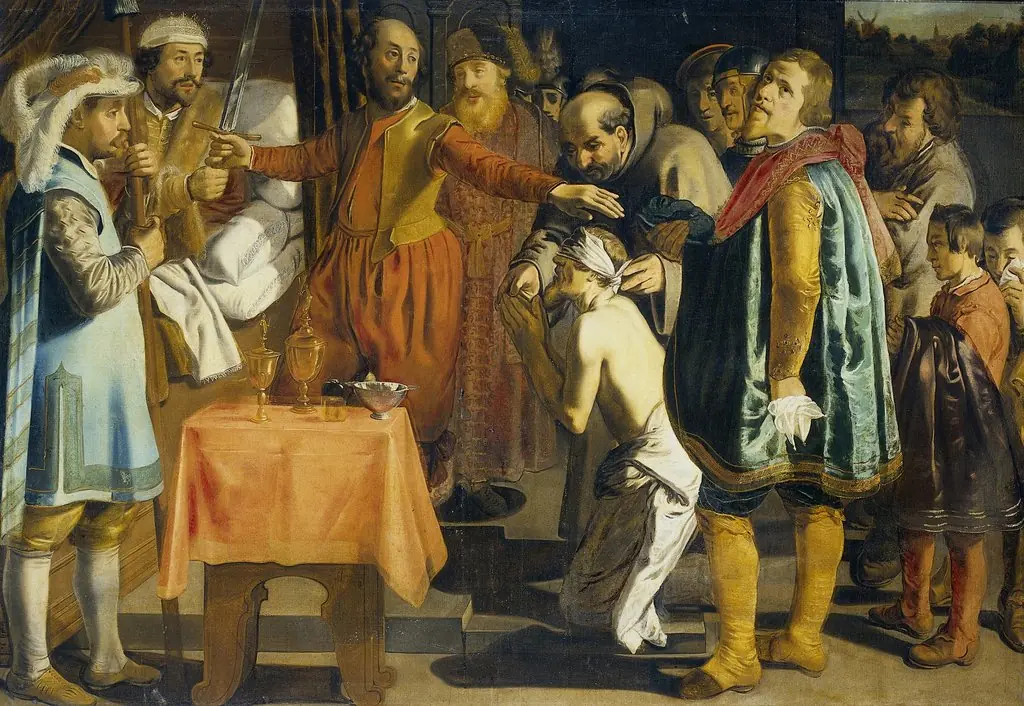 Willem III, Count of Holland, Ordering the Beheadal of the Bailiff of Zuid Holland, 1336
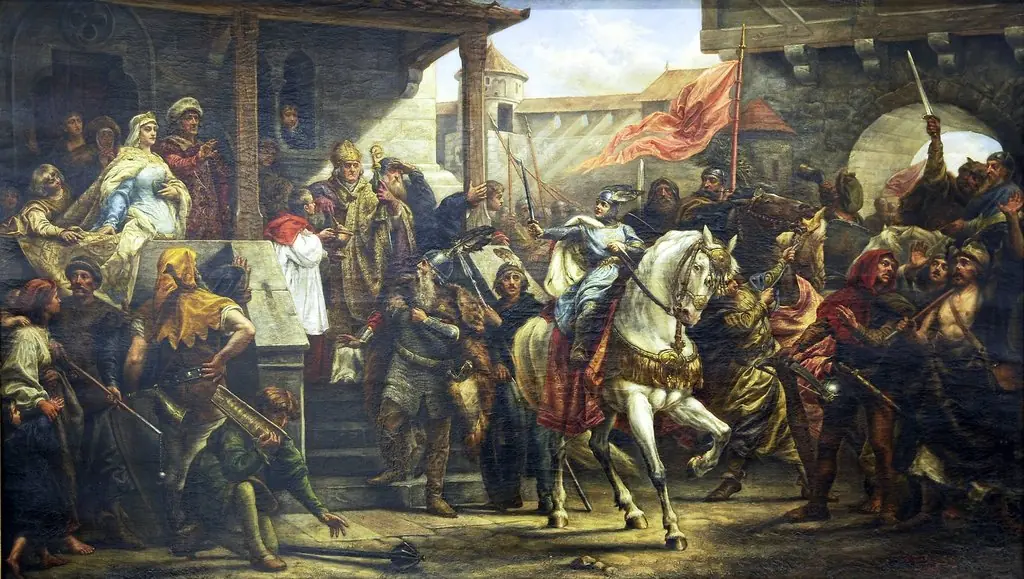 Władysław Herman blesses Bolesław the Wry-Mouthed before a war campaign
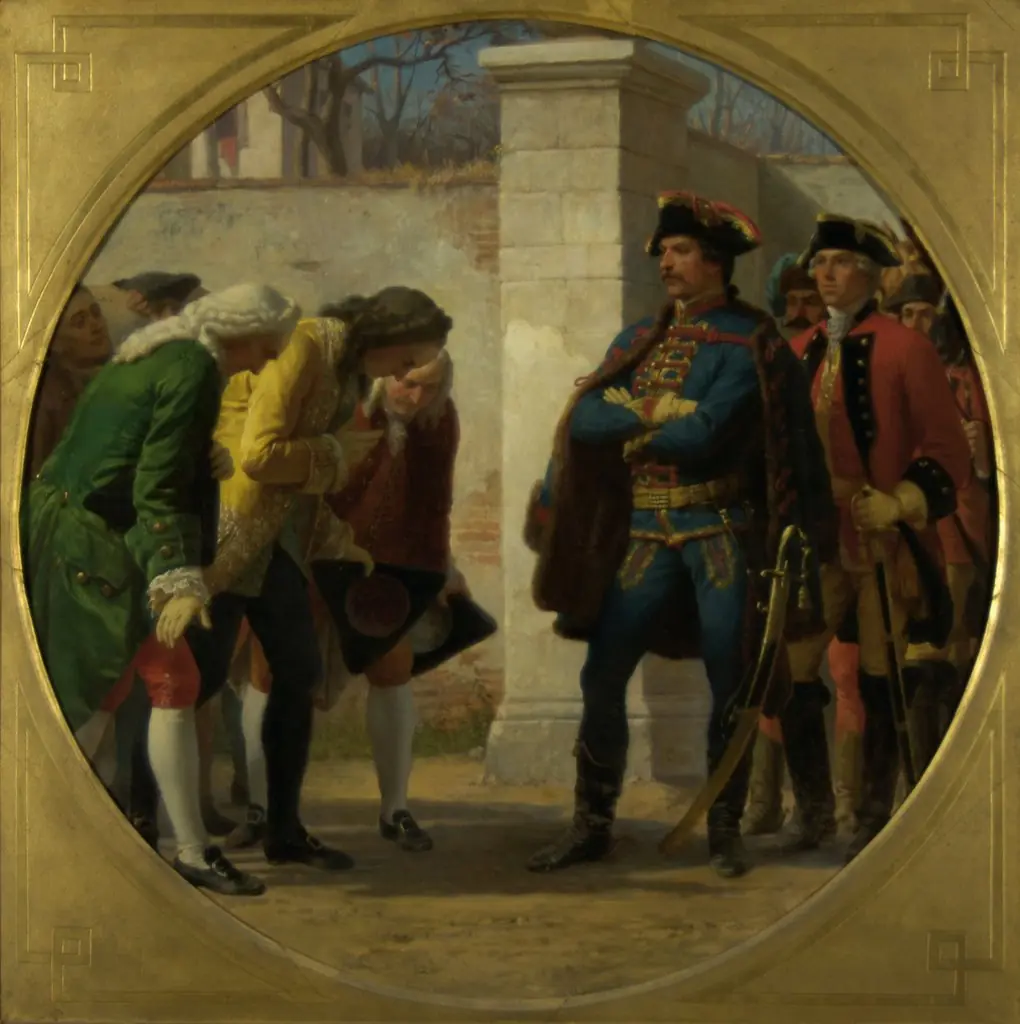 The attack on Berlin in 1757
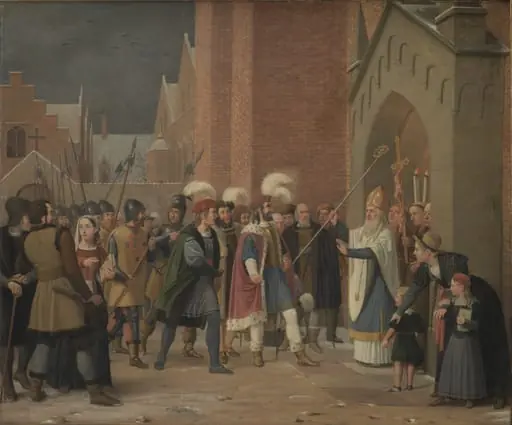 Svend Estridsen and Bishop Vilhelm