Artwork
Guy Little Theatrical Photograph
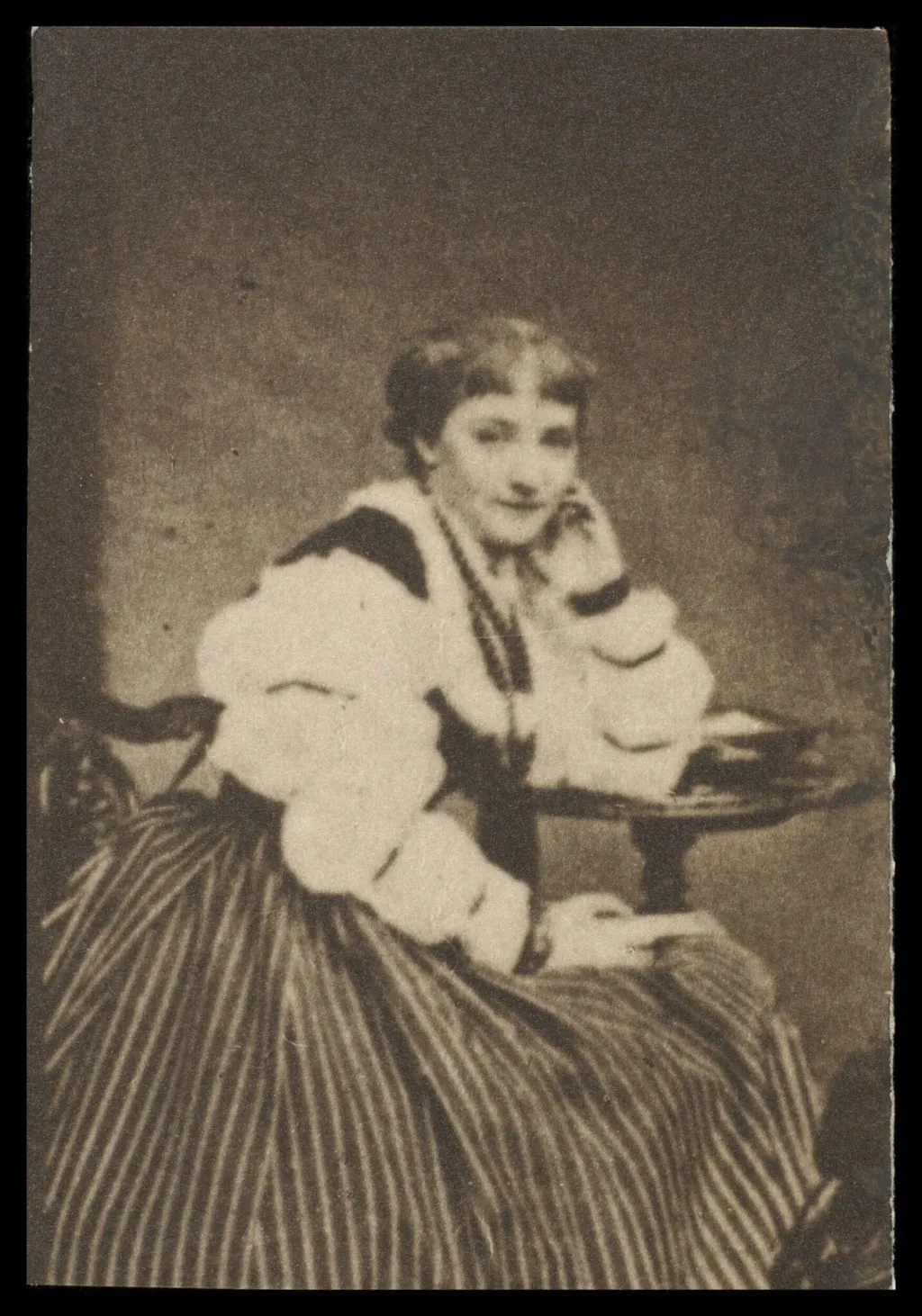
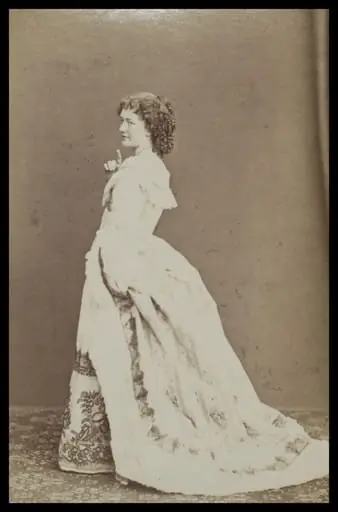
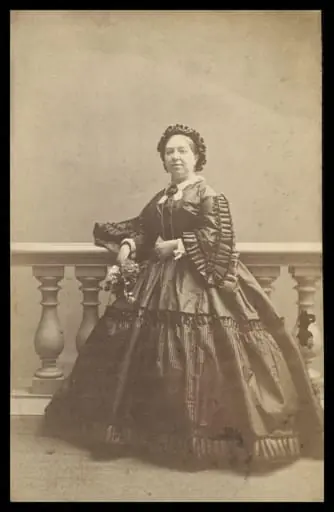
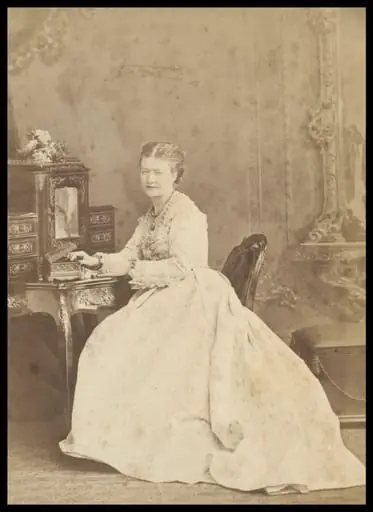
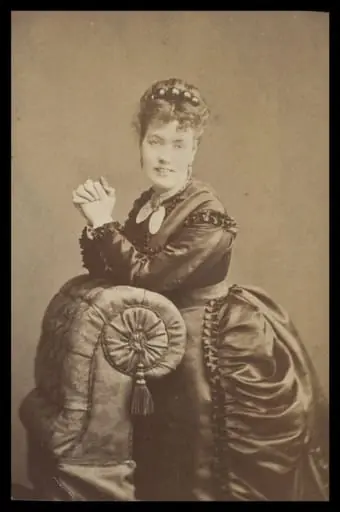
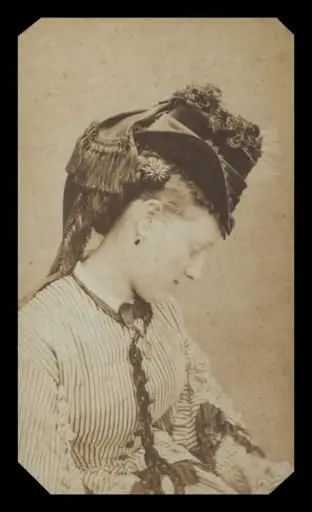
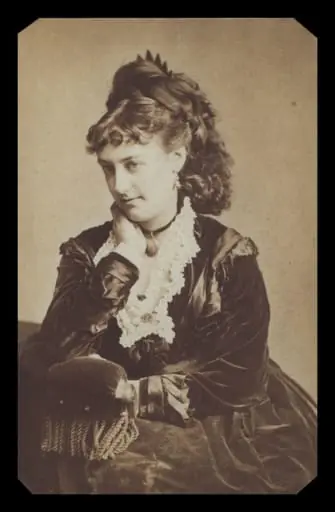
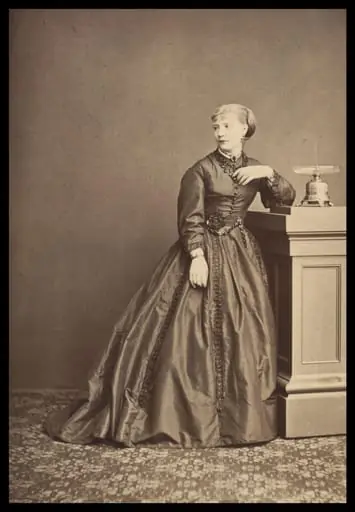
Guy Little Theatrical Photograph is a photographic photography by Walker. It dates from 1850 and is held in the collection of the Victoria and Albert Museum. This mid‑to‑late 19th‑century photograph depicts the actress Louisa Moore.
About this work
The photograph is titled Guy Little Theatrical Photograph by Walker.
It was taken in the mid to late 19th Century.
The photo is of Louisa Moore, an actress who had her picture taken for a carte de visite, a type of small photo card that was popular back then.
People collected these cards like trading cards.
You can learn more about this type of photography at the Victoria and Albert Museum.
Overview
This mid‑to‑late 19th‑century photograph depicts the actress Louisa Moore.
This mid‑to‑late 19th‑century photograph depicts the actress Louisa Moore. Produced as a carte de visite, the image was originally printed on an albumen paper from a glass negative and mounted on a stiff card bearing the photographer’s imprint. The card later entered the collection of Guy Tristram Little, a solicitor and avid collector of photographic ephemera, who bequeathed it to the Victoria and Albert Museum.
Subject & Meaning
Louisa Moore, a stage performer of the Victorian era, is shown in a pose typical of theatrical portraiture, intended to promote her public persona. Such portraits served both as personal mementos and as promotional material, allowing audiences to recognize and recall the actress beyond the theatre.
Technique & Style
The image is an albumen print, a process that involved coating paper with egg white and silver nitrate to create a glossy surface. Produced from a glass plate negative, the carte de visite measured roughly 2.5 × 4 inches, a size that facilitated easy exchange and collection among the public.
History & Provenance
Originally issued in the 1860s‑1870s, the card was part of a broader craze for small portrait cards that circulated as social collectibles. Guy Tristram Little (d. 1953) removed the photograph from its original backing and placed it in an album; his estate later donated the assemblage to the V&A, linking the piece to the museum’s Theatre Collections.
Context
Cartes de visite emerged after a 1854 patent and quickly became a fashionable medium for sharing images of people, places, and artworks. By the late 1870s they were superseded by larger cabinet cards, which in turn gave way to postcards and studio portraits by the 1890s, reflecting shifting tastes in visual communication.
Artist & collection
Artist
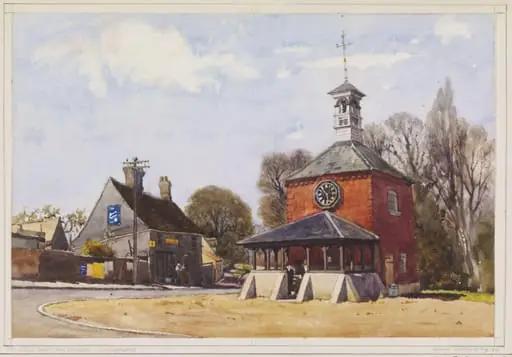
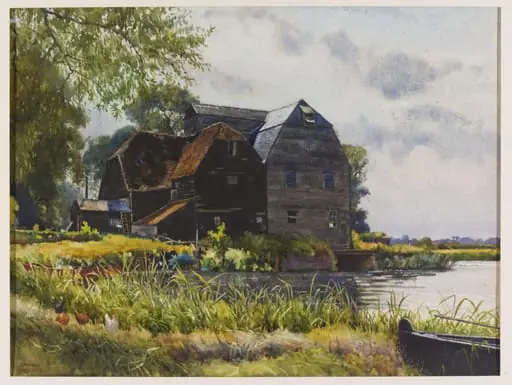
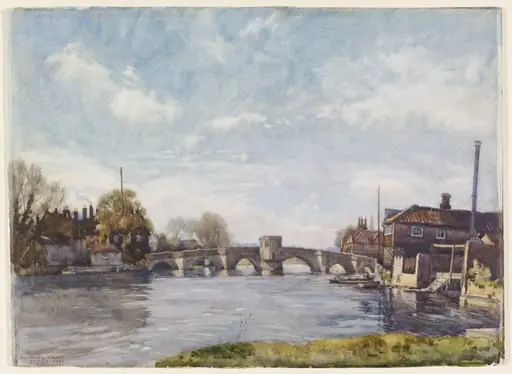
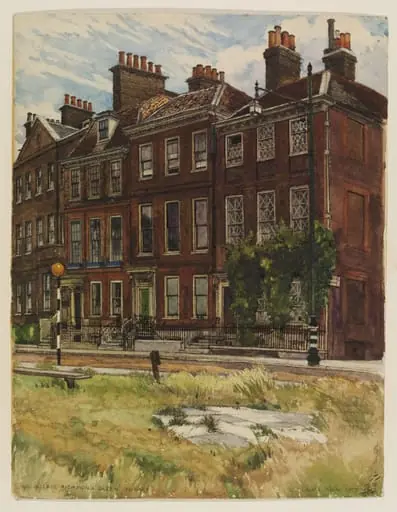
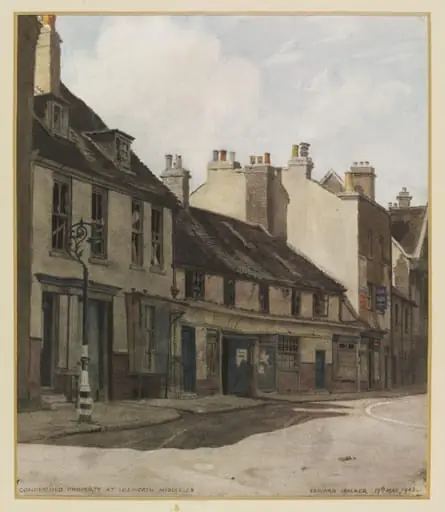
An English watercolorist active in the early 1940s, this artist painted the spires, bridges, and inns of small-town England in quick, transparent washes.