Artwork
Mr. Mayne's House, St. Ives
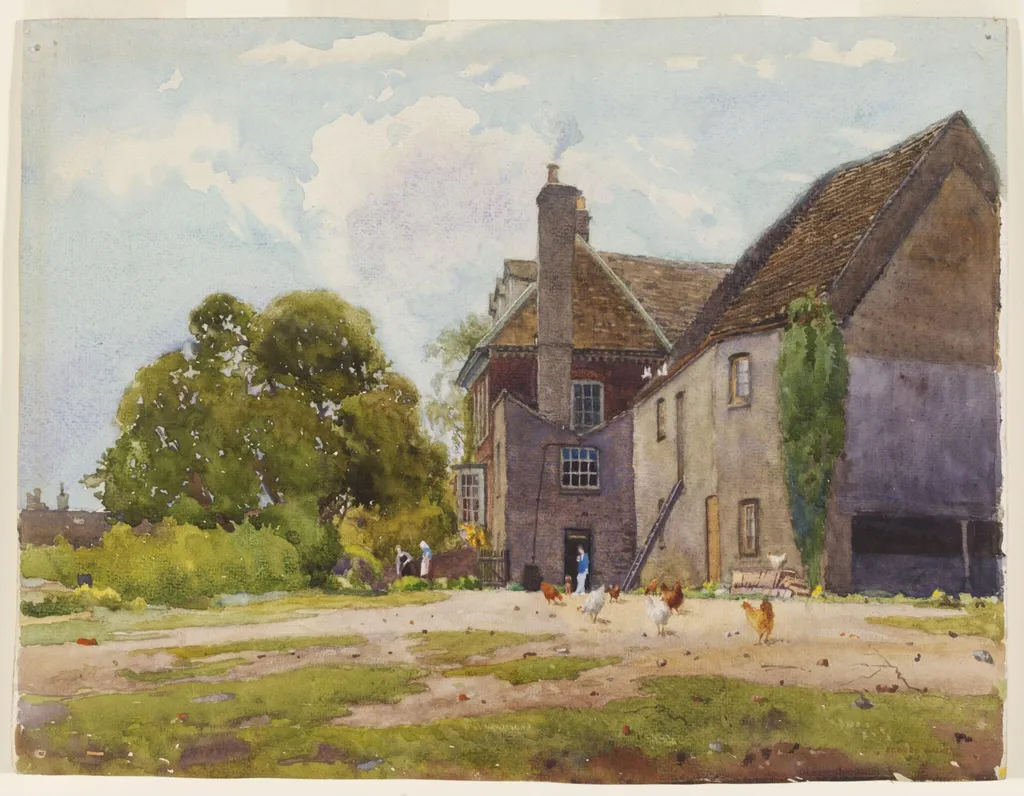
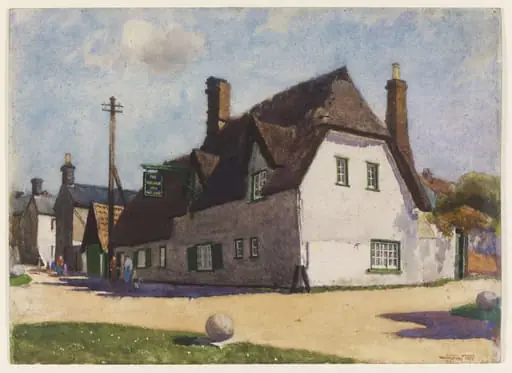
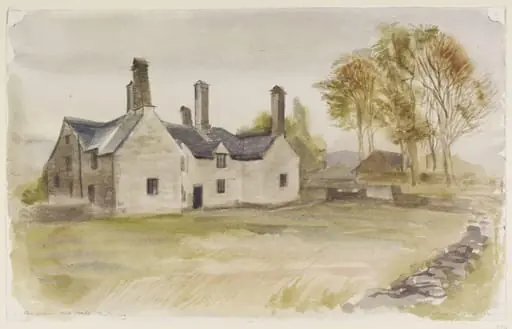
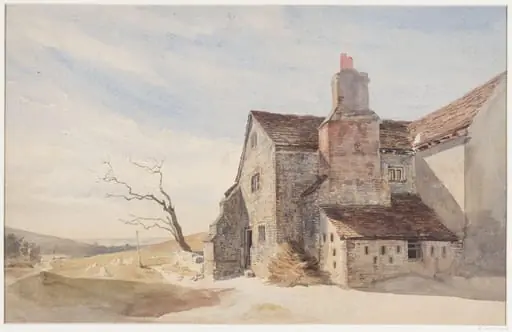
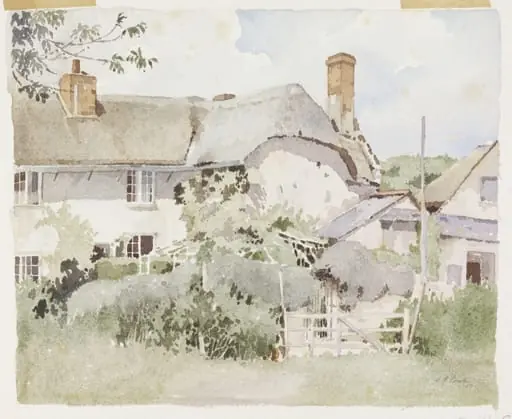
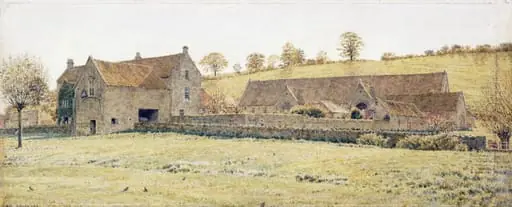
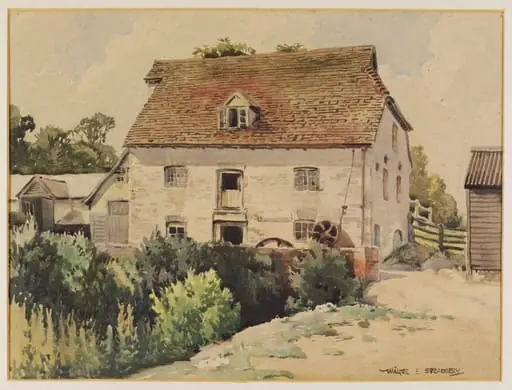
Mr. Mayne's House, St. Ives is a watercolor work on paper by the Impressionist artist Walker. It dates from 1941 and is held in the collection of the Victoria and Albert Museum. Painted in 1941, Mr.
About this work
Overview
The work was created during wartime as part of a national effort to visually archive everyday British architecture before it disappeared.
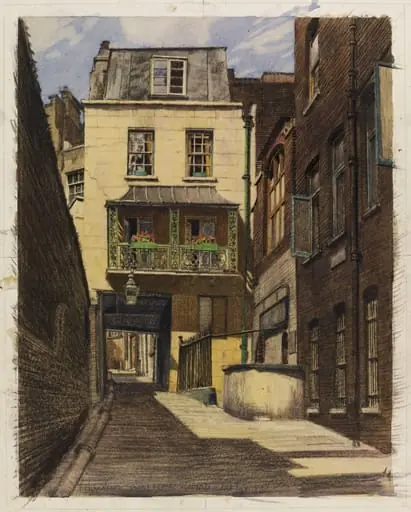
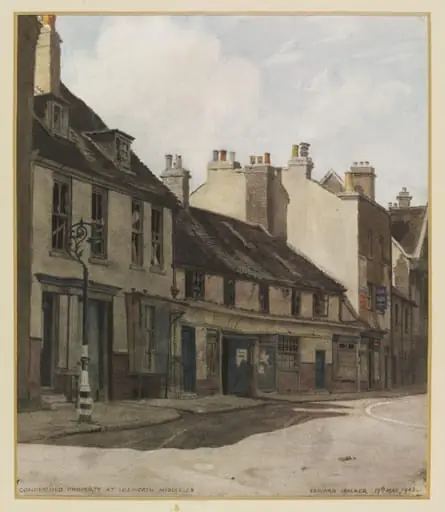
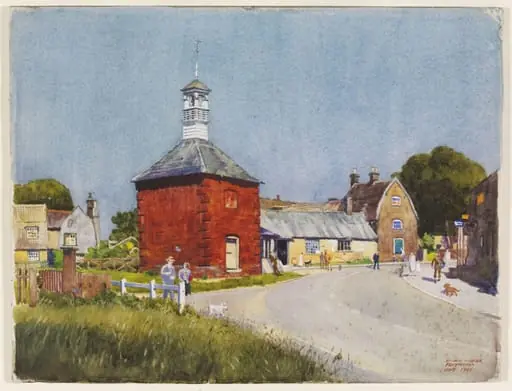
Painted in 1941, Mr. Mayne's House, St. Ives is a watercolour by an artist associated with the Recording Britain project. It captures a modest rural dwelling in Cornwall, rendered with delicate washes and minimal detail. The work was created during wartime as part of a national effort to visually archive everyday British architecture before it disappeared. Its quiet composition reflects a deliberate focus on ordinary, unremarkable scenes rather than grand landmarks.
Subject & Meaning
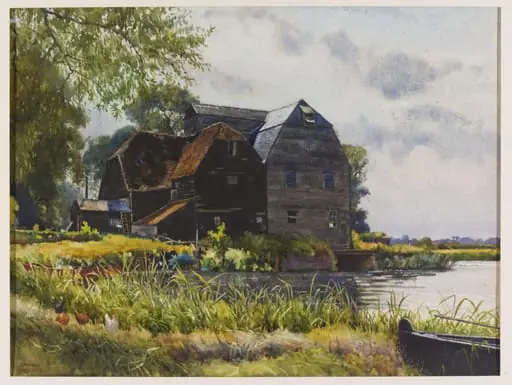
The scene centers on a stone house with a thatched barn, its yard inhabited by foraging chickens and two small figures near the doorway. These elements suggest daily life in a quiet coastal village, untouched by the war’s upheaval. The inclusion of domestic activity and vernacular architecture underscores the project’s aim to preserve the texture of ordinary existence. The painting does not dramatize; instead, it observes, offering a subtle testament to resilience in routine.
Technique & Style
The artist employed loose, transparent watercolour washes to suggest form without rigid definition. Colours are restrained—muted greens, earthy browns, and pale blues—applied with soft edges that blend naturally. The brushwork avoids sharp lines, allowing the paper’s texture to contribute to the atmosphere. This approach creates a sense of immediacy and lightness, characteristic of the Recording Britain style, which prioritized evocation over precision.
History & Provenance
Commissioned under the Recording Britain initiative, the painting was produced in 1941 with funding from the Pilgrim Trust and oversight by Sir Kenneth Clark. The project enlisted artists to document at-risk rural and architectural scenes across Britain during wartime. This work entered institutional collections afterward, eventually finding a home at the Victoria and Albert Museum, where it remains part of a broader archive of wartime visual documentation.
Context
Created during the Second World War, the painting emerged from a cultural effort to safeguard Britain’s visual heritage amid threats of destruction and change. The Recording Britain project responded to fears that traditional buildings and landscapes would vanish due to modernization or conflict. By focusing on humble, everyday structures, artists like the creator of this work offered a quiet counterpoint to wartime propaganda, emphasizing continuity over crisis.
Legacy
The painting endures as part of a significant wartime archive that redefined the value of ordinary places. Its inclusion in the Victoria and Albert Museum’s collection ensures continued access to a visual record of pre-war rural life. Though not widely known outside specialist circles, it contributes to broader understandings of how art was mobilized to preserve national identity during times of uncertainty.
Artist & collection
Artist
An English watercolorist active in the early 1940s, this artist painted the spires, bridges, and inns of small-town England in quick, transparent washes.