Artwork
Guy Little Theatrical Photograph
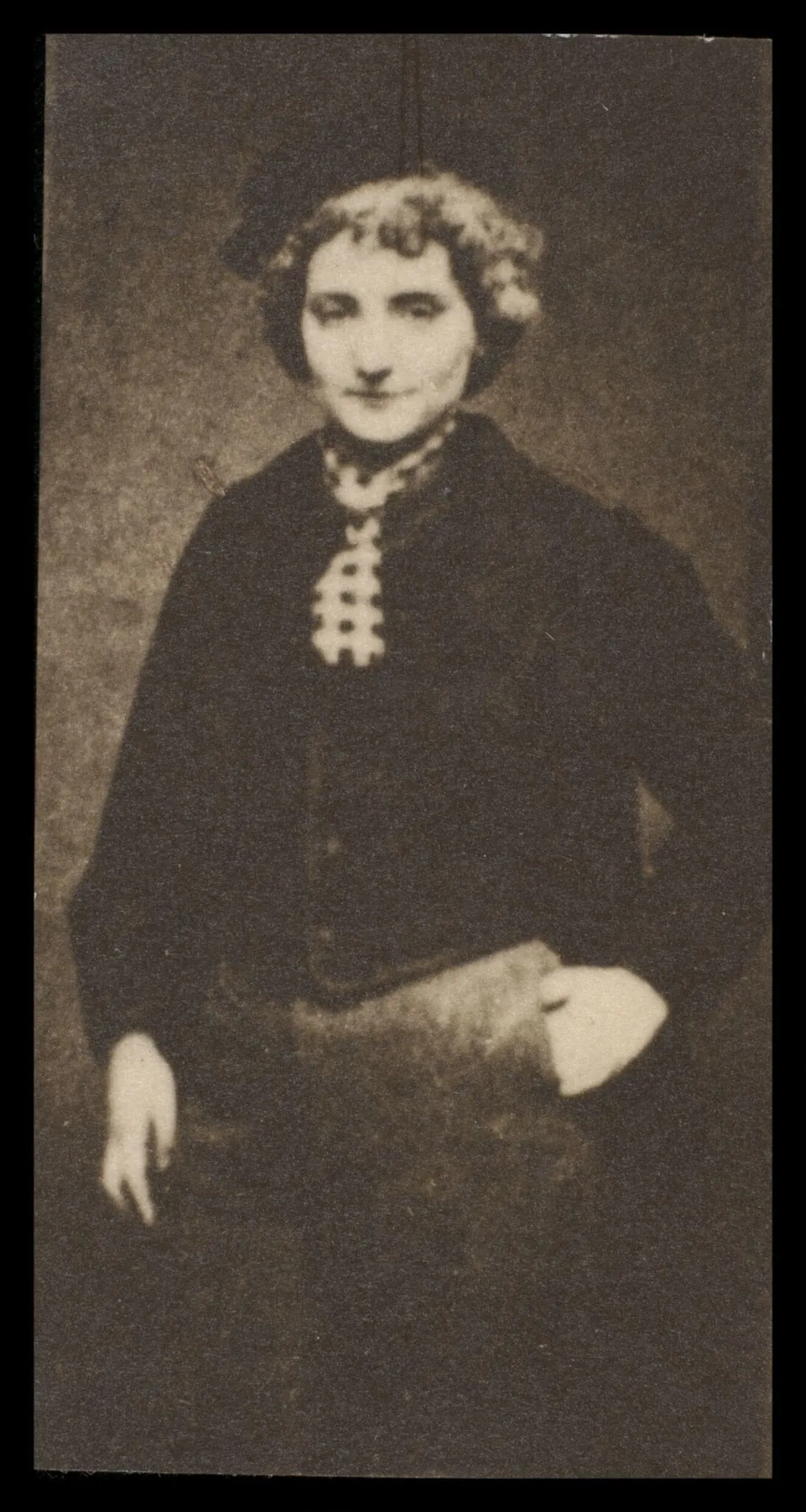
Guy Little Theatrical Photograph is a photographic photography by the Impressionist artist Walker. It dates from 1865 and is held in the collection of the Victoria and Albert Museum.
About this work
Overview
These images, once mass-produced for public collection, now serve as historical records of 19th-century stage culture.
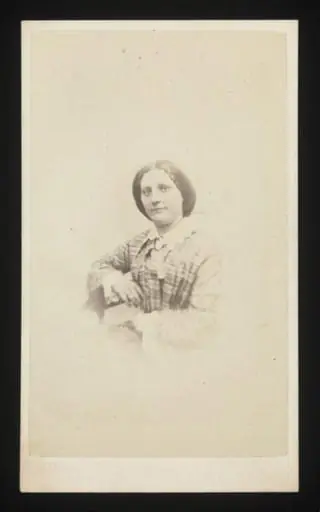
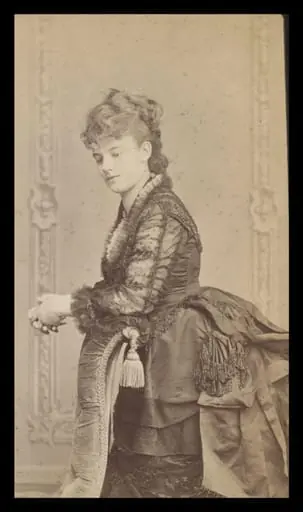
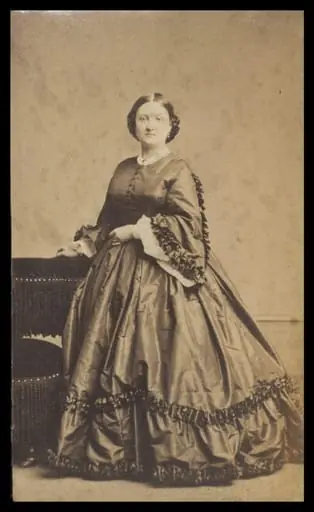
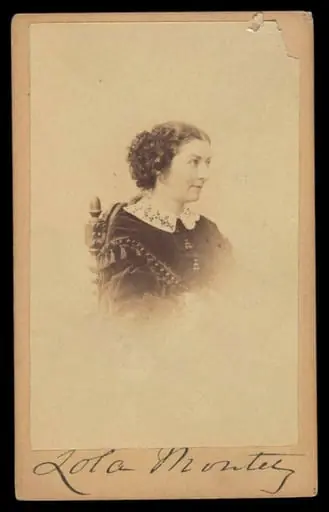
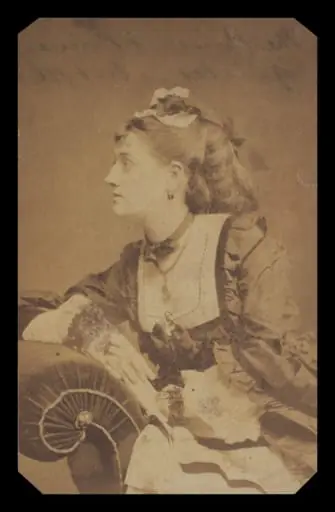
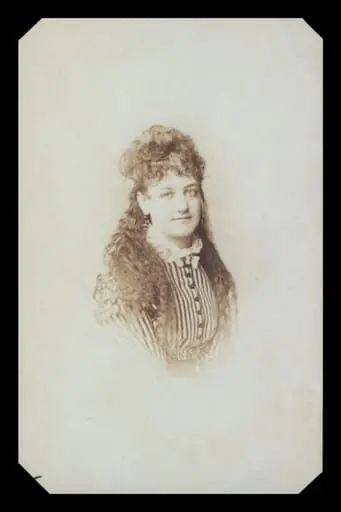
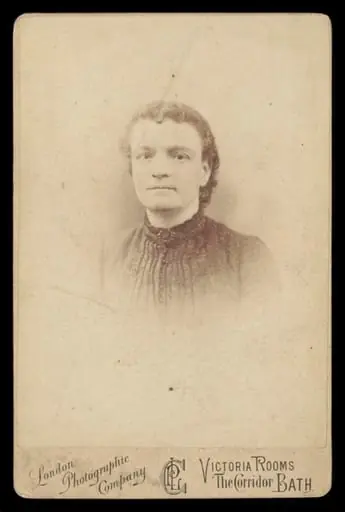
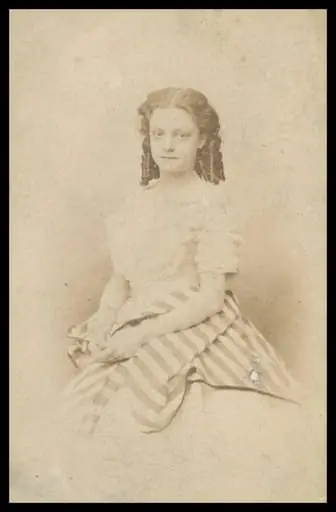
This photograph, taken by Guy Little, captures actress Louisa Moore in costume as Josephs from the play It's Never Too Late to Mend, performed at the Princess Theatre. It belongs to a personal archive of theatrical portraits assembled by Little, who systematically removed cartes de visite and cabinet cards from their original mounts and organized them into albums. These images, once mass-produced for public collection, now serve as historical records of 19th-century stage culture.
Subject & Meaning
Louisa Moore is depicted in character as Josephs, a role from a popular Victorian melodrama. The photograph preserves her theatrical persona, not as a private individual but as a performer embodying a dramatic archetype. Such images were intended to extend the reach of stage performances beyond the theater, allowing audiences to own a tangible connection to actors and stories they admired, reinforcing the cultural presence of theater in domestic life.
Technique & Style
The image is an albumen print derived from a glass negative, mounted on cardstock bearing the photographer’s imprint. This method, common between the 1860s and 1890s, produced sharp, tonally rich portraits with a glossy surface. The composition follows studio conventions of the period: formal pose, controlled lighting, and minimal background detail, emphasizing the actor’s costume and expression over environmental context.
History & Provenance
The photograph was part of Guy Tristram Little’s personal collection, which he assembled over decades and later bequeathed to the Victoria and Albert Museum. Little, a solicitor and avid collector of ephemera, preserved these images by removing them from their original mounts and reorganizing them into thematic albums. His collection formed a foundational part of the V&A’s Theatre Collections, largely shaped by the bequest of Mrs. Gabrielle Enthoven, whose own theatrical holdings he helped manage.
Context
During the mid-to-late 19th century, cartes de visite and cabinet cards became ubiquitous in middle-class homes, serving as both souvenirs and social objects. Theatrical portraits were especially popular, allowing fans to collect images of favorite performers much like modern memorabilia. These photographs reflected a broader Victorian fascination with celebrity, reproduction, and the blurring of public and private identity through new photographic technologies.
Legacy
Little’s curated albums preserved a vast array of theatrical imagery that might otherwise have been lost. His meticulous organization and donation to the V&A ensured the survival of a unique visual record of Victorian stage life. Today, these photographs are critical resources for scholars studying performance, costume, and the social history of theater, offering insight into how audiences engaged with drama beyond the live performance.
Artist & collection
Artist
An English watercolorist active in the early 1940s, this artist painted the spires, bridges, and inns of small-town England in quick, transparent washes.