Artwork
L. Bay de Curys
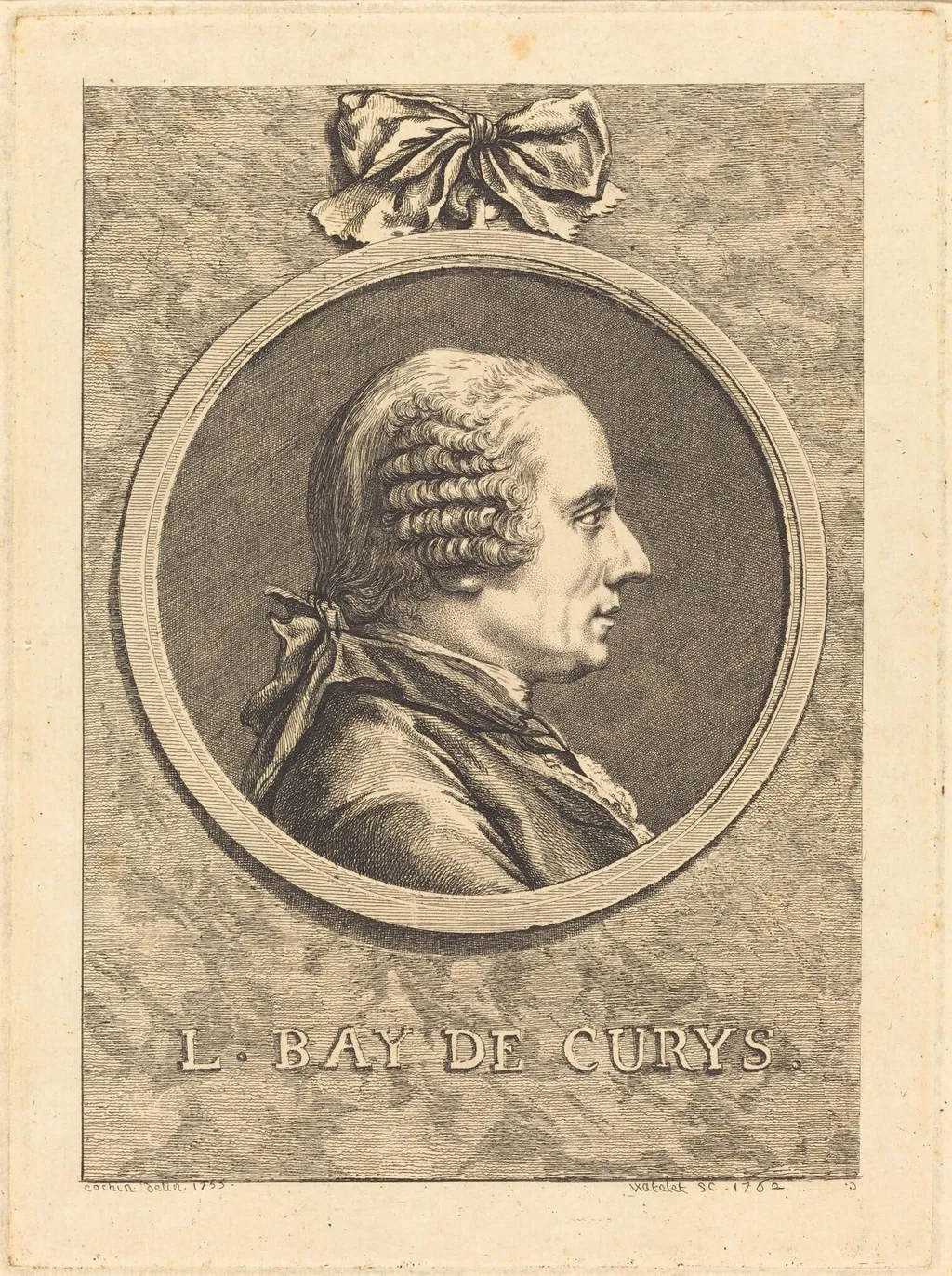
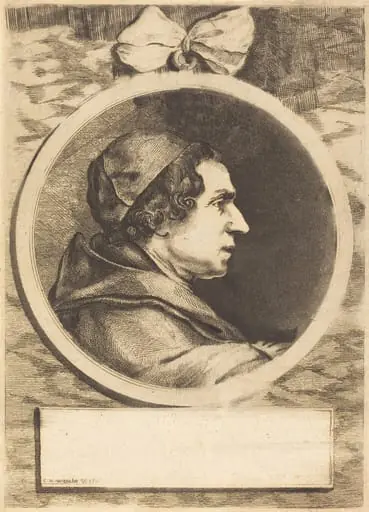
L. Bay de Curys is an ink print by the Romanticist artist Claude Henri Watelet. It dates from 1762 and is held in the collection of the National Gallery of Art.
About this work
Overview
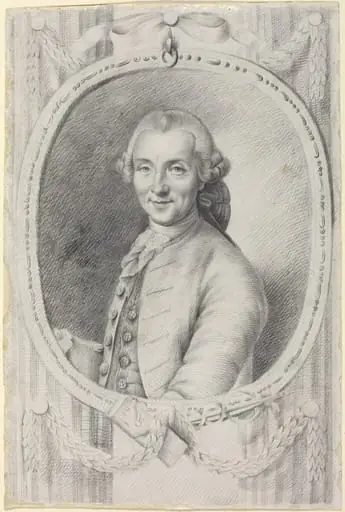
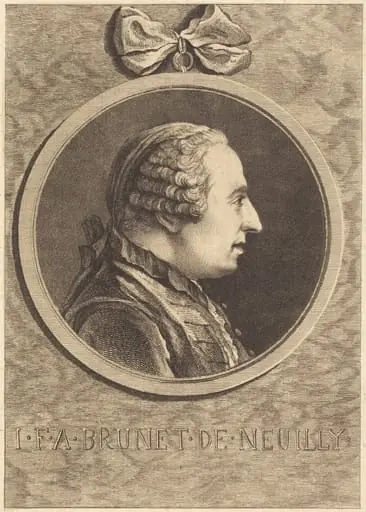
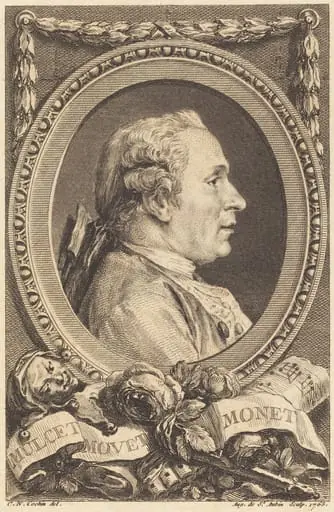
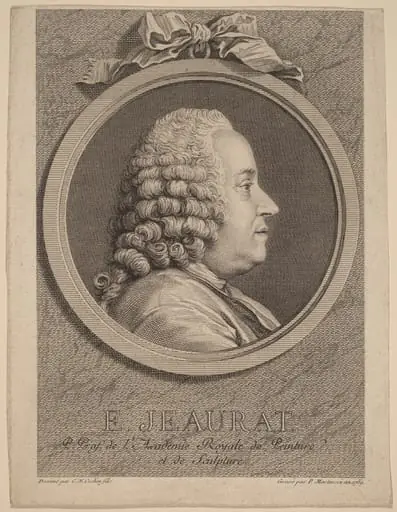
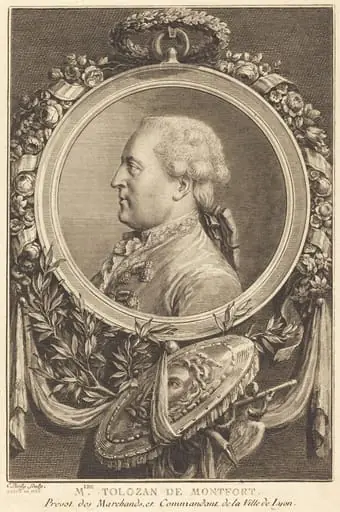
This 1762 print by Claude Henri Watelet depicts a male figure identified as L. Bay de Curys. Executed in engraving and etching on hand-laid paper, the work presents a monochrome portrait characterized by precise linear detail. The sitter’s features are rendered through delicate incisions, a hallmark of intaglio printmaking, while the paper’s visible texture suggests traditional craftsmanship.
Subject & Meaning
The inscription below the image serves as both identification and a formalizing element, anchoring the sitter within a specific social or intellectual milieu.
The portrait portrays an individual named L. Bay de Curys, whose identity remains unspecified. His attire—a high collar and bow—aligns with mid-18th-century fashion, while the decorative bow of foliage above his head may signify personal or professional distinction. The inscription below the image serves as both identification and a formalizing element, anchoring the sitter within a specific social or intellectual milieu.
Technique & Style
Watelet employed etching and engraving to achieve the print’s intricate linework. Etching allowed for fluid, controlled marks, while engraving reinforced finer details, particularly in the sitter’s hair and clothing. The resulting contrasts between light and shadow create depth, a technique typical of reproductive printmaking in the period. The textured paper further enhances the tactile quality of the impression.
History & Provenance
Created in 1762, the print belongs to a tradition of portrait engravings used to disseminate images of notable figures. Its production coincides with the Enlightenment’s emphasis on individual achievement and visual documentation. The work’s survival on handmade paper indicates its intended durability, though its early ownership and circulation remain undocumented.
Context
During the 18th century, engraved portraits served as a means of public recognition, often commissioned by or for individuals of status. Watelet, an amateur artist and man of letters, contributed to this practice, blending artistic skill with intellectual interests. The print reflects the era’s intersection of art, print culture, and social representation, where likenesses were both personal mementos and objects of broader dissemination.
Artist & collection