Artwork
Louis XVI, King of France
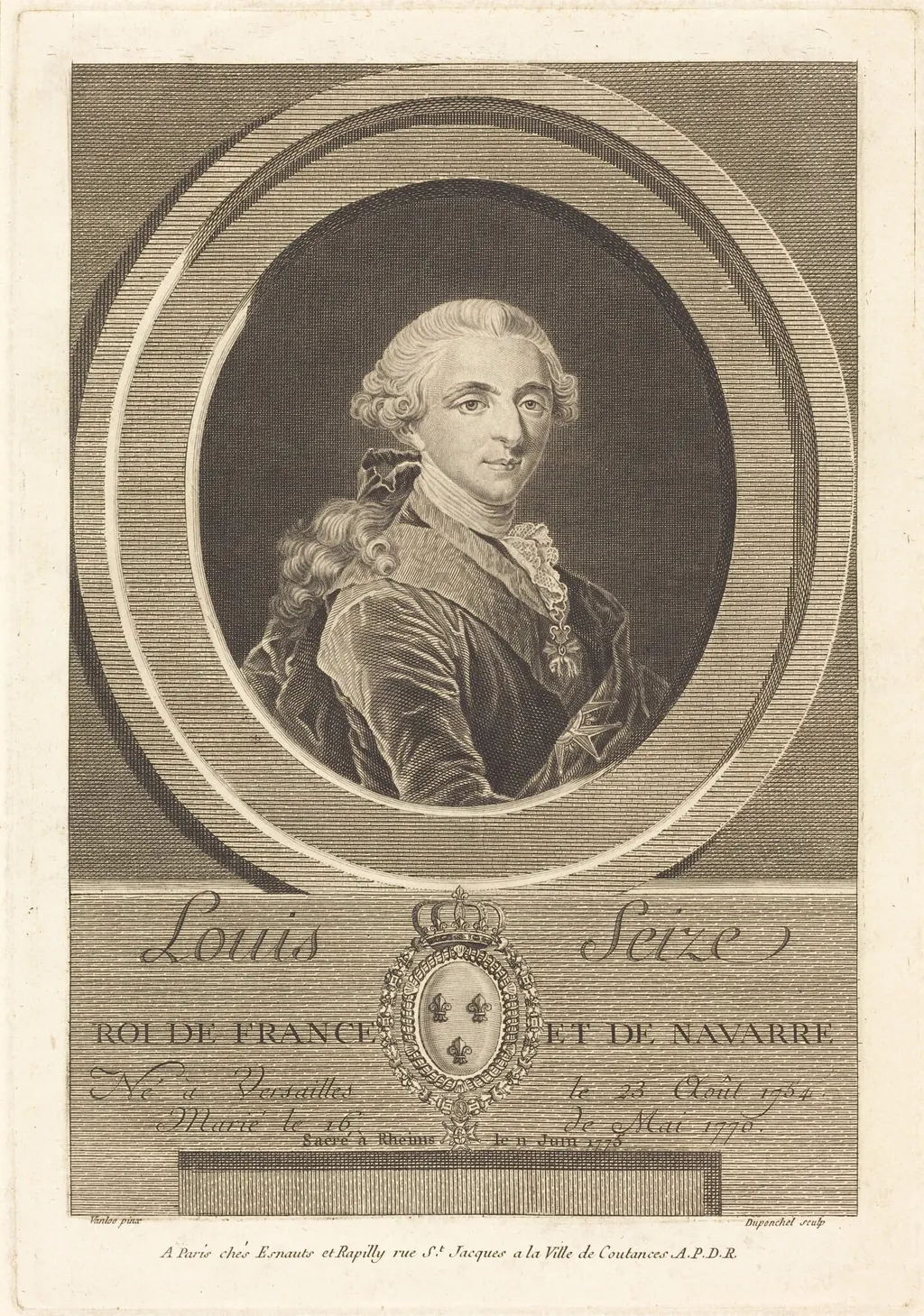
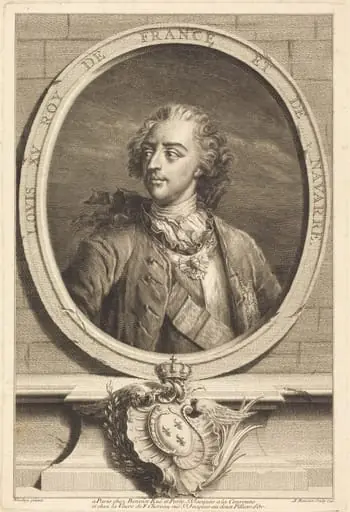
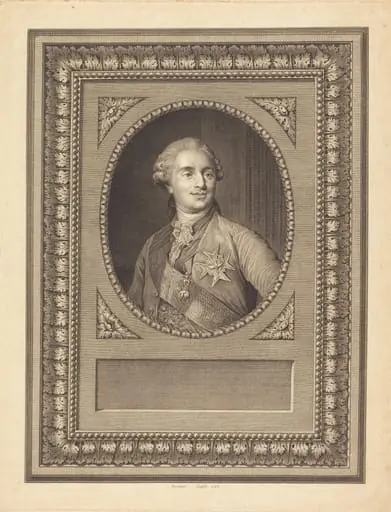
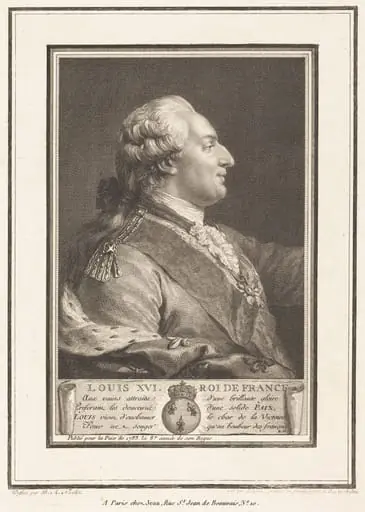
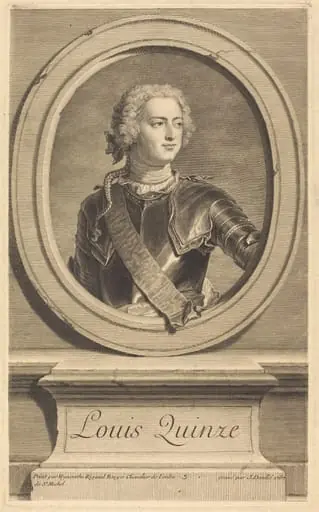
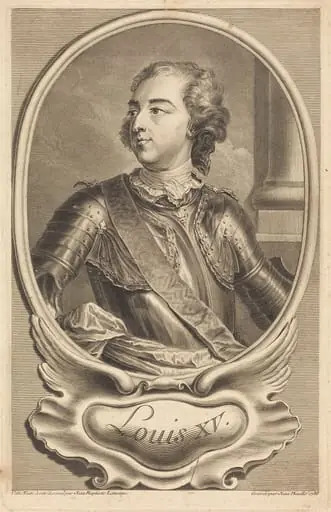
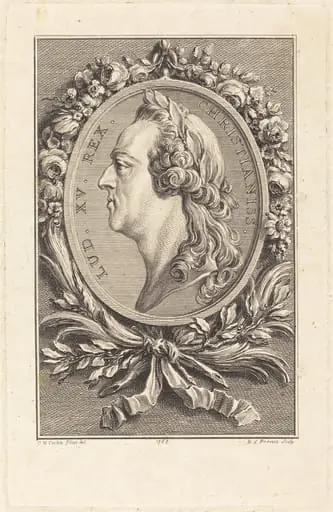
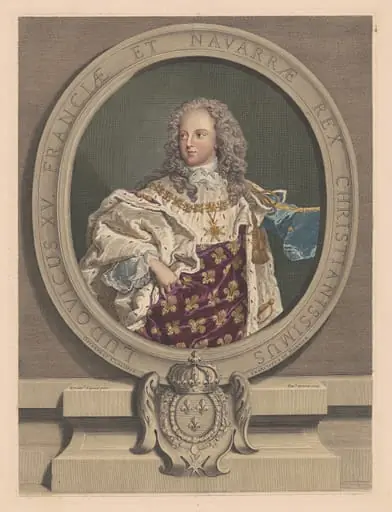
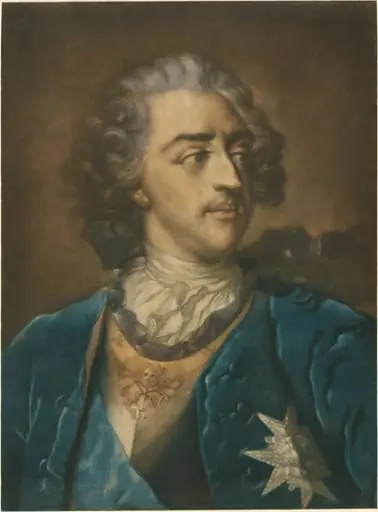
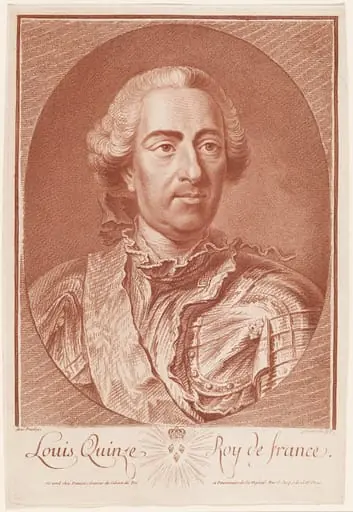
Louis XVI, King of France is an ink print by the Baroque artist Charles-Eugene Duponchel. It dates from 1764 and is held in the collection of the National Gallery of Art. Charles‑Eugène Duponchel’s 1764 engraving presents the French monarch Louis XVI in a formal pose.
About this work
Overview
Charles‑Eugène Duponchel’s 1764 engraving presents the French monarch Louis XVI in a formal pose. Rendered on laid paper, the image captures the king’s solemn expression and elaborate attire, emphasizing the regal bearing expected of a sovereign in the mid‑eighteenth century.
Subject & Meaning
The portrait focuses on Louis XVI, highlighting his status through sumptuous clothing and accessories that signal royal authority. The serious demeanor suggests the weight of kingship, while the careful rendering of garments underscores the importance of visual representation in affirming monarchical legitimacy during his early reign.
Technique & Style
Duponchel employed the traditional engraving process, incising lines into a metal plate before transferring the image onto paper. This method allows for fine hatching and cross‑hatching, producing a rich sense of texture and depth that delineates the intricate details of the king’s costume and facial features.
History & Provenance
Created in 1764, the work dates to the early years of Louis XVI’s rule, preceding the French Revolution by a quarter of a century. As a printed portrait, it would have been reproduced for dissemination among court circles and supporters, reflecting contemporary practices of royal iconography.
Artist & collection