Artwork
Wickambreux Mill
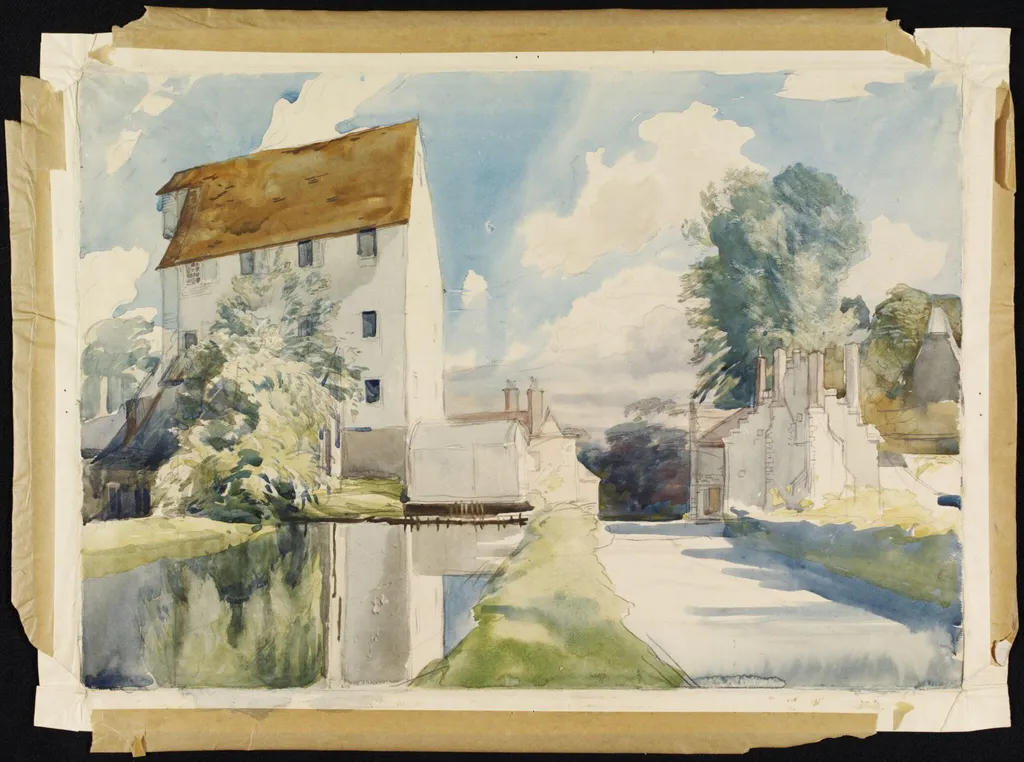
Wickambreux Mill is a watercolor work on paper by the Impressionist artist Waterfield. It dates from 1942 and is held in the collection of the Victoria and Albert Museum.
About this work
Overview
Wickambreux Mill is a watercolour painting, created in 1942, featuring a serene waterfront scene with a prominent watermill as its central subject.
Subject & Meaning
The painting depicts a tall, white weatherboarded watermill with a red roof, reflected in calm water, accompanied by a covered bridge and a tree on the bank. The scene conveys a sense of quietness and tranquility.
Technique & Style
The artist employed loose, watery brushstrokes, characteristic of the watercolour medium, to achieve a simple, dreamy quality. The soft focus, particularly at the edges of buildings and trees, gives the work a sketch-like appearance.
History & Provenance
Commissioned as part of the 'Recording Britain' collection during World War II, the painting was part of a national effort, funded by the Pilgrim Trust and led by Sir Kenneth Clark, to document and preserve British landscapes and historical buildings.
Context
Wickambreux Mill is contextualized among other 'Recording Britain' works by notable artists like John Piper and Rowland Hilder, all focusing on capturing rural and historical English sites amidst wartime concerns over destruction and change.
Legacy
The painting is now part of a broader collection, with similar works accessible at institutions like the Victoria and Albert Museum, contributing to a preserved visual archive of Britain's wartime cultural heritage.
Artist & collection
Artist
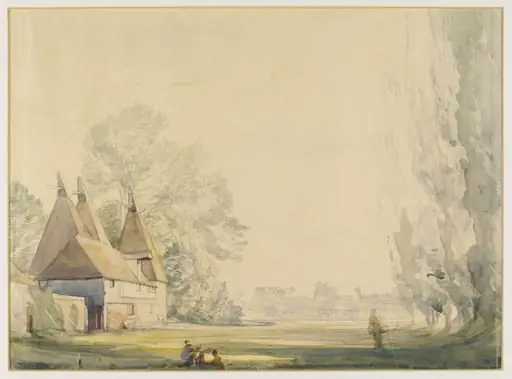
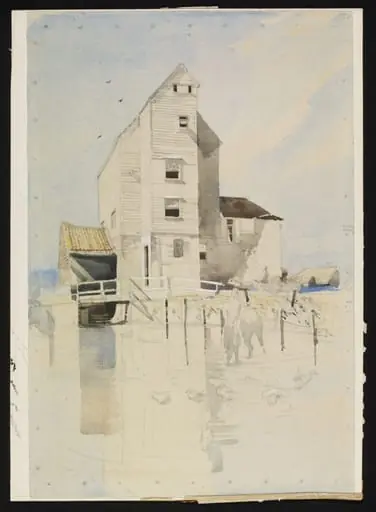
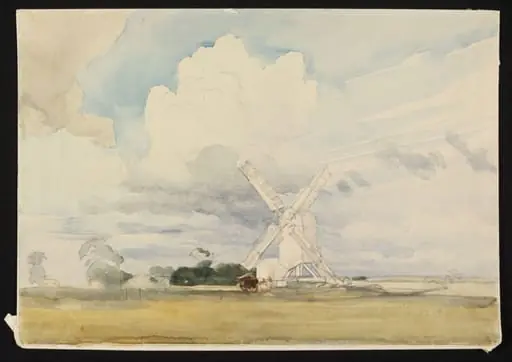
This artist left a small group of watercolours around Kent from the early 1940s, all towering brick chimneys and spinning sails against low, soft skies.

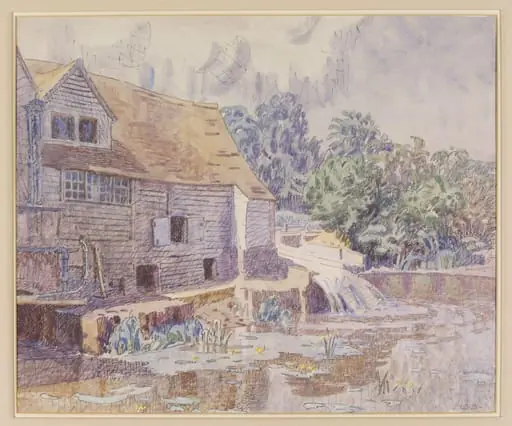 A Mill at Braintree
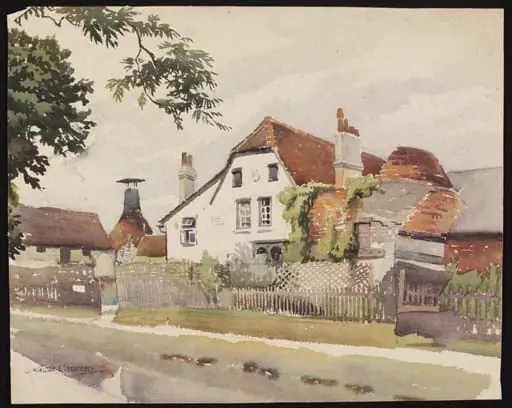 Kilns and Maltings on the Canal Bank, Bishop's Stortford
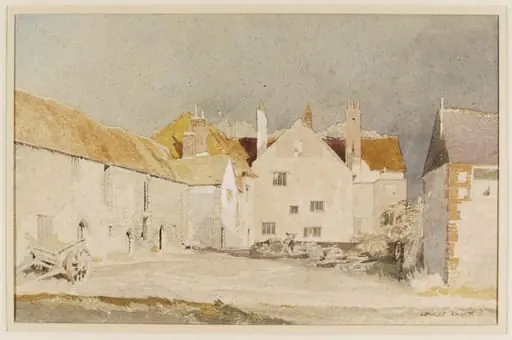 Hangleton Manor, near Brighton
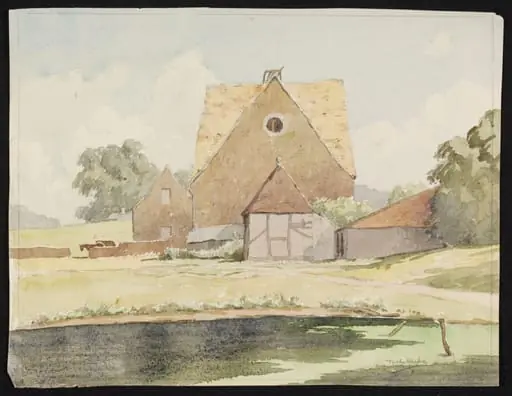 Columbarian, South Stoke
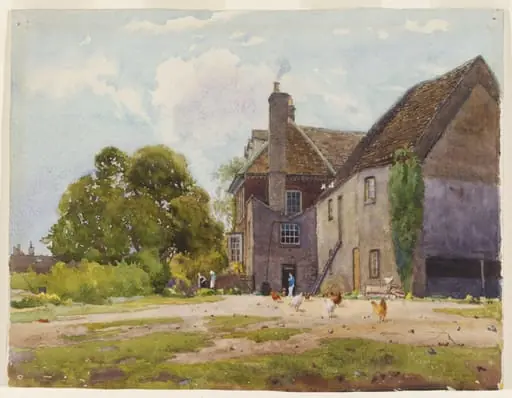 Mr. Mayne's House, St. Ives
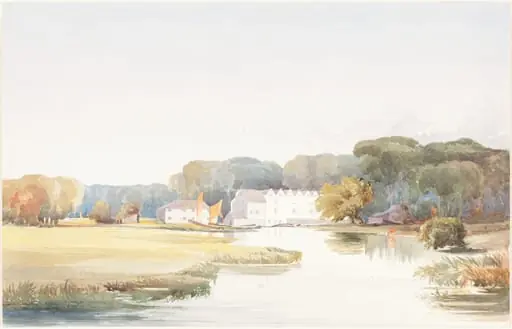 Horstead Mill on the River Bure, Norfolk
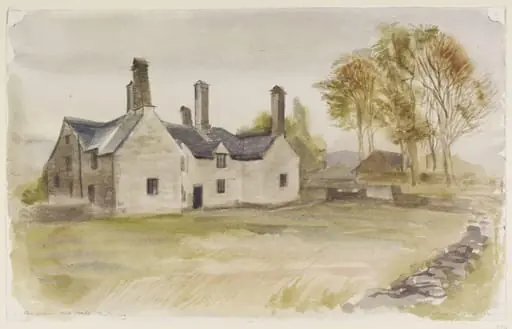 Pengwern Old Hall, Festiniog, Merionethshire
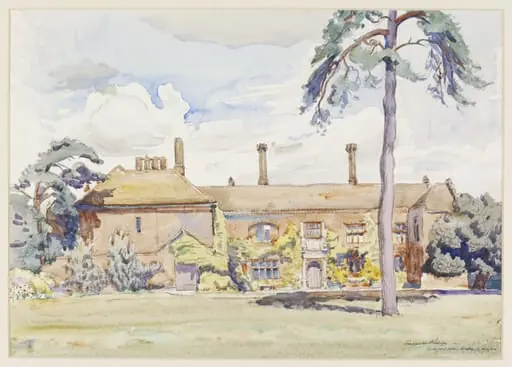 Seckford Hall, Bealings Magna (Garden Front)
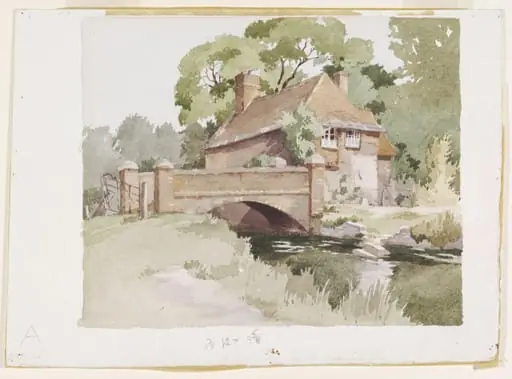 The Old Mill, Wareham
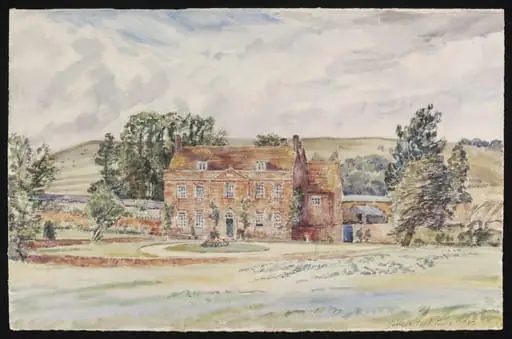 West Wick Manor, near Oare
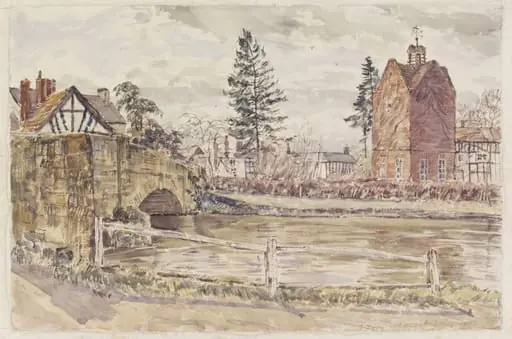 Bridge and Pigeon House, Eardisland
 Untitled