Artwork
Orchids and Bamboo
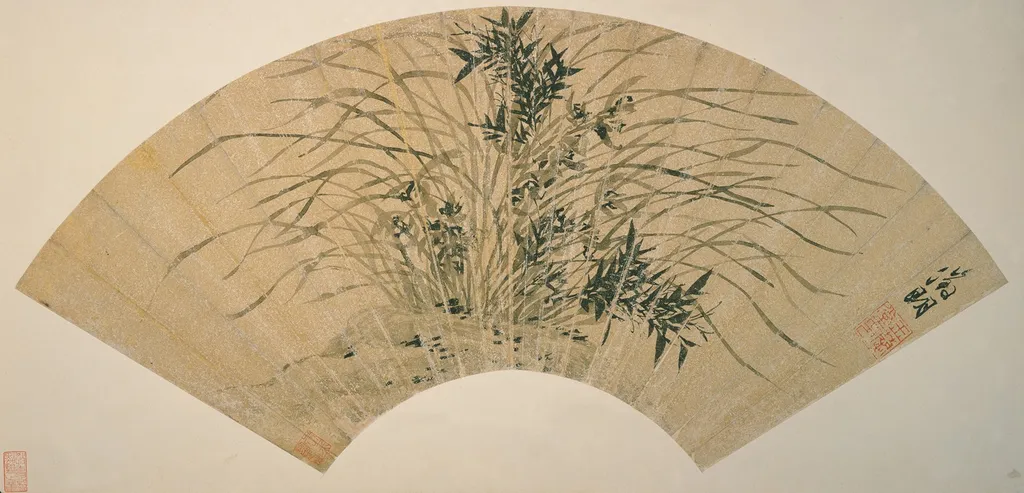
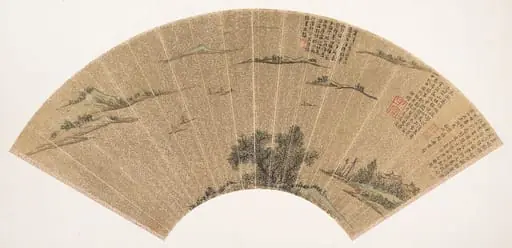
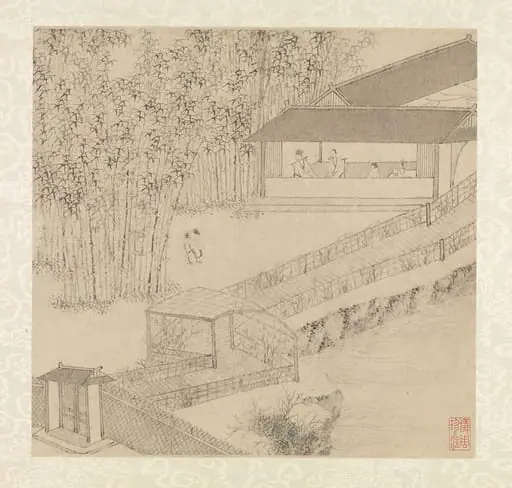
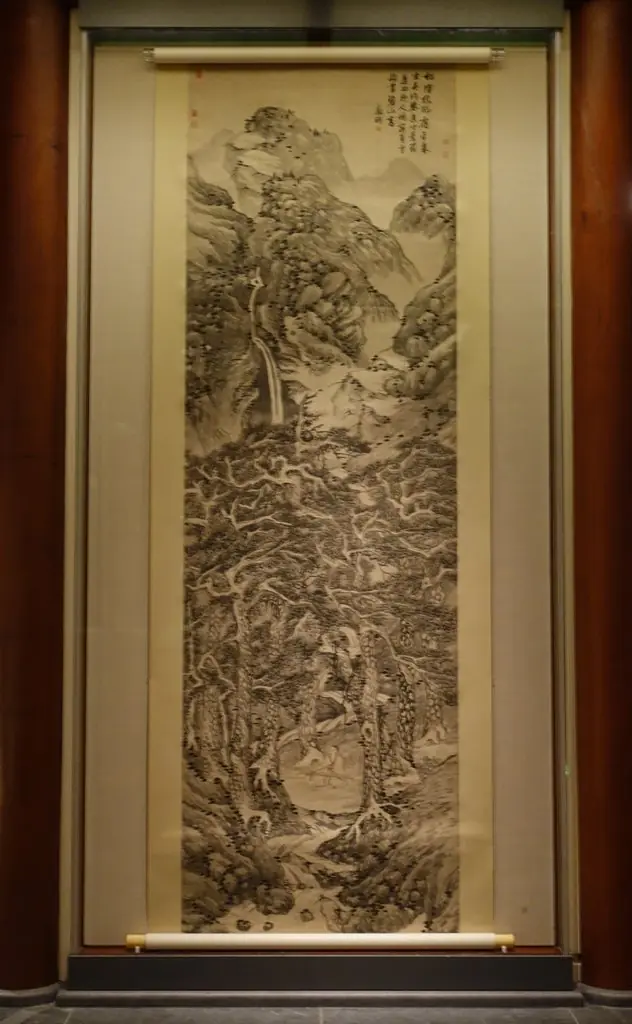
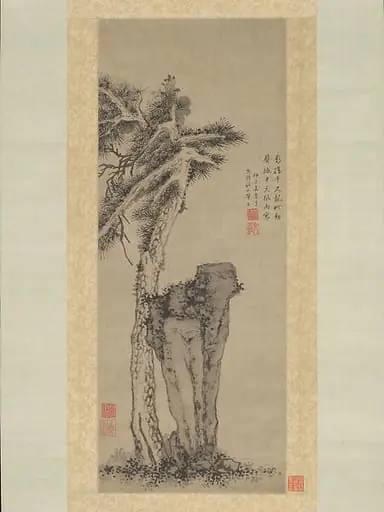
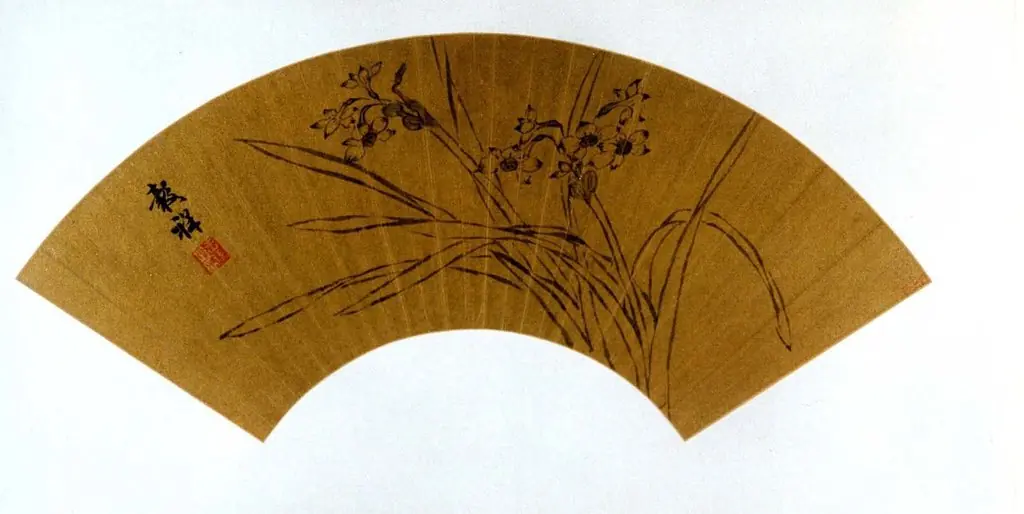
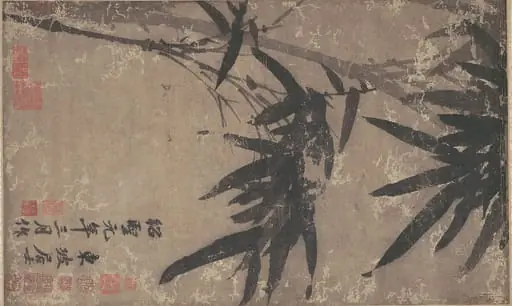
Orchids and Bamboo is an unspecified painting by the Chinese Orthodox School artist Wen Zhengming. It dates from 1550 and is held in the collection of the National Palace Museum.
About this work
Overview
The work exemplifies the literati tradition, where nature motifs serve as vehicles for moral and aesthetic reflection.
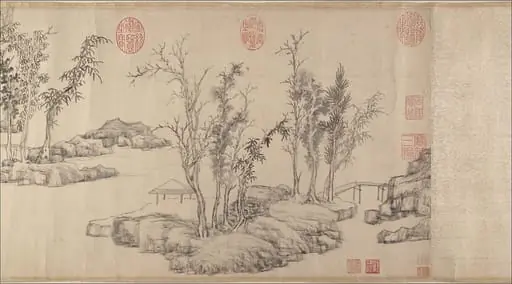
Orchids and Bamboo, painted around 1550 by Wen Zhengming, is a handscroll in ink and light color on paper. It belongs to the collection of the National Palace Museum in Taipei. The work exemplifies the literati tradition, where nature motifs serve as vehicles for moral and aesthetic reflection. Its restrained palette and quiet composition reflect the scholar-artist’s pursuit of inner calm and cultivated taste.
Subject & Meaning
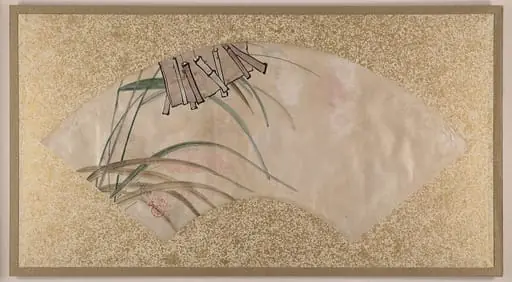
Orchids and bamboo are traditional symbols in Chinese culture: orchids represent humility and refined virtue, while bamboo signifies resilience and integrity. Together, they form a poetic pairing often used by scholar-officials to express personal ideals. Wen’s depiction avoids grandeur, instead emphasizing quiet endurance and natural grace, aligning with Confucian and Daoist values of modesty and harmony with the natural world.
Technique & Style
Wen employed fine, controlled brushwork to render each blade of bamboo and petal of orchid with precision. Ink gradations suggest depth without shading, while subtle washes of green and ochre enhance the plants’ naturalism. The composition is deliberately sparse, with elements arranged to allow breathing space between forms. This economy of means reflects the literati ideal of expressive restraint over ornate detail.
History & Provenance
The painting was likely created during Wen Zhengming’s later years in Suzhou, a center of scholarly culture. It entered the imperial collection during the Qing dynasty and remained in the Forbidden City until the mid-20th century. Following the relocation of the National Palace Museum’s holdings in 1949, the work was transferred to Taipei, where it has been preserved as part of the core literati painting collection.
Context
Wen Zhengming was a leading figure in the Wu School of painting, which emphasized personal expression over courtly formalism. Orchids and Bamboo aligns with a broader 16th-century trend among scholar-artists who used nature subjects to assert cultural identity amid political instability. The painting’s quietude contrasts with the more dramatic styles of professional painters, underscoring its role as a private meditation rather than public display.
Legacy
The work continues to be studied as a model of literati aesthetics, influencing later generations of painters who valued simplicity and symbolic depth. Its enduring presence in the National Palace Museum’s collection reflects its status as a touchstone for understanding Ming dynasty intellectual culture. Unlike more flamboyant works, its quiet authority lies in its restraint and the discipline of its execution.
Artist & collection

Artist
Wen Zhengming spent most of his life in Suzhou, a city of canals and scholars where art and poetry were daily habits, not hobbies.